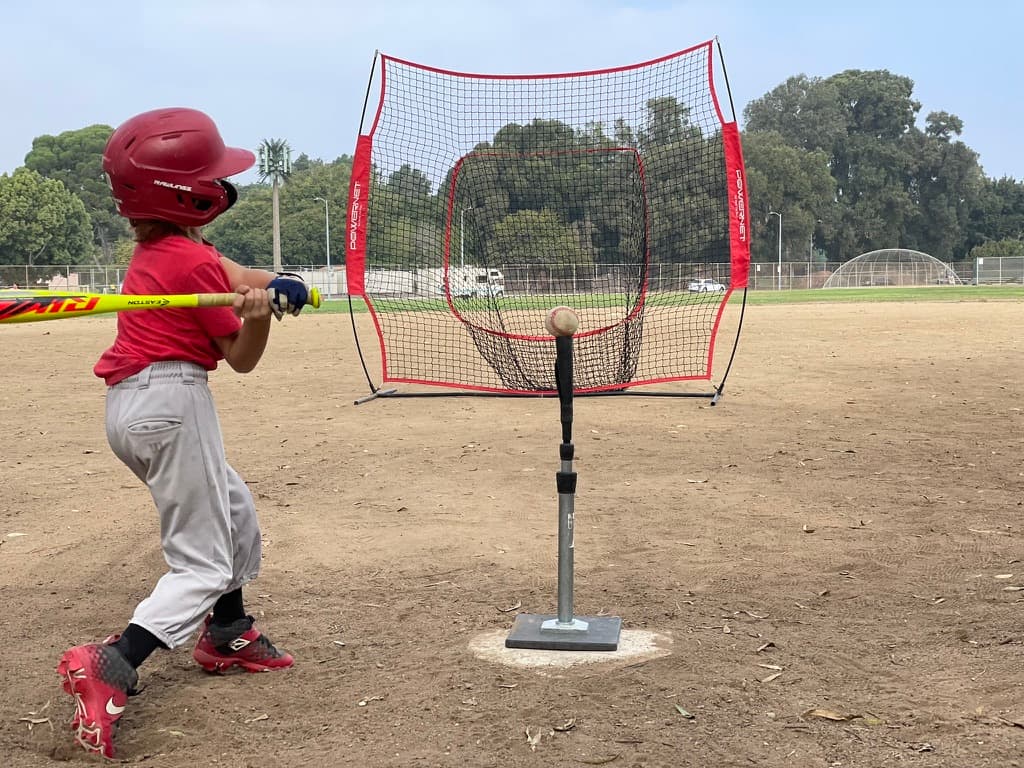
Practicing Hitting at Home Between Cage Sessions
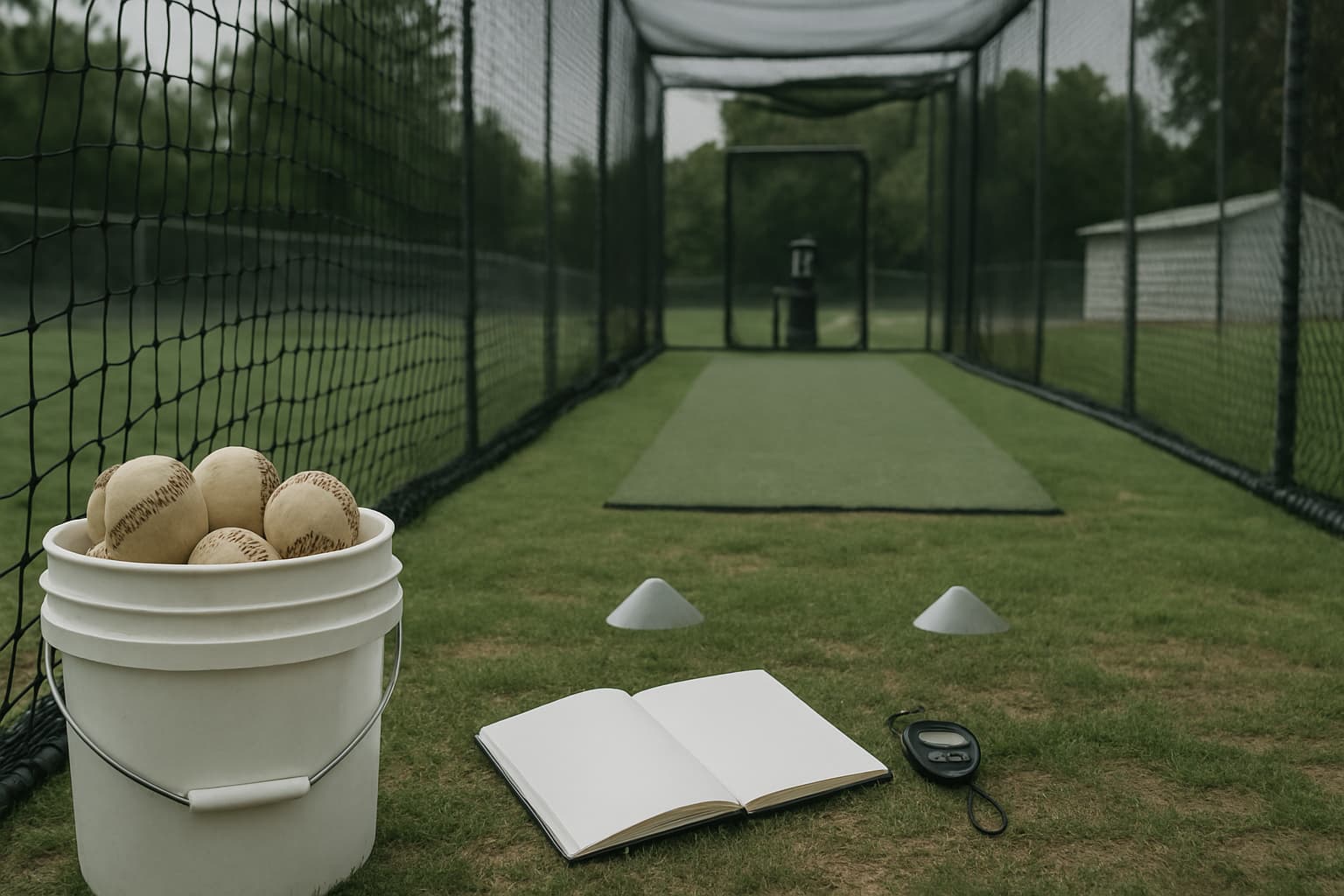
You can not book a cage every day, but you can still get quality swings at home. Here is how to build a simple at-home hitting routine between rentals.
Updated July 20264 min read
Field notes on building cages, finding cage time, and doing youth baseball right.
Every decision in order, from “will it fit” to “it’s earning”. The part of a cage build nobody else has written down end to end.
Latest Guides
You can not book a cage every day, but you can still get quality swings at home. Here is how to build a simple at-home hitting routine between rentals.
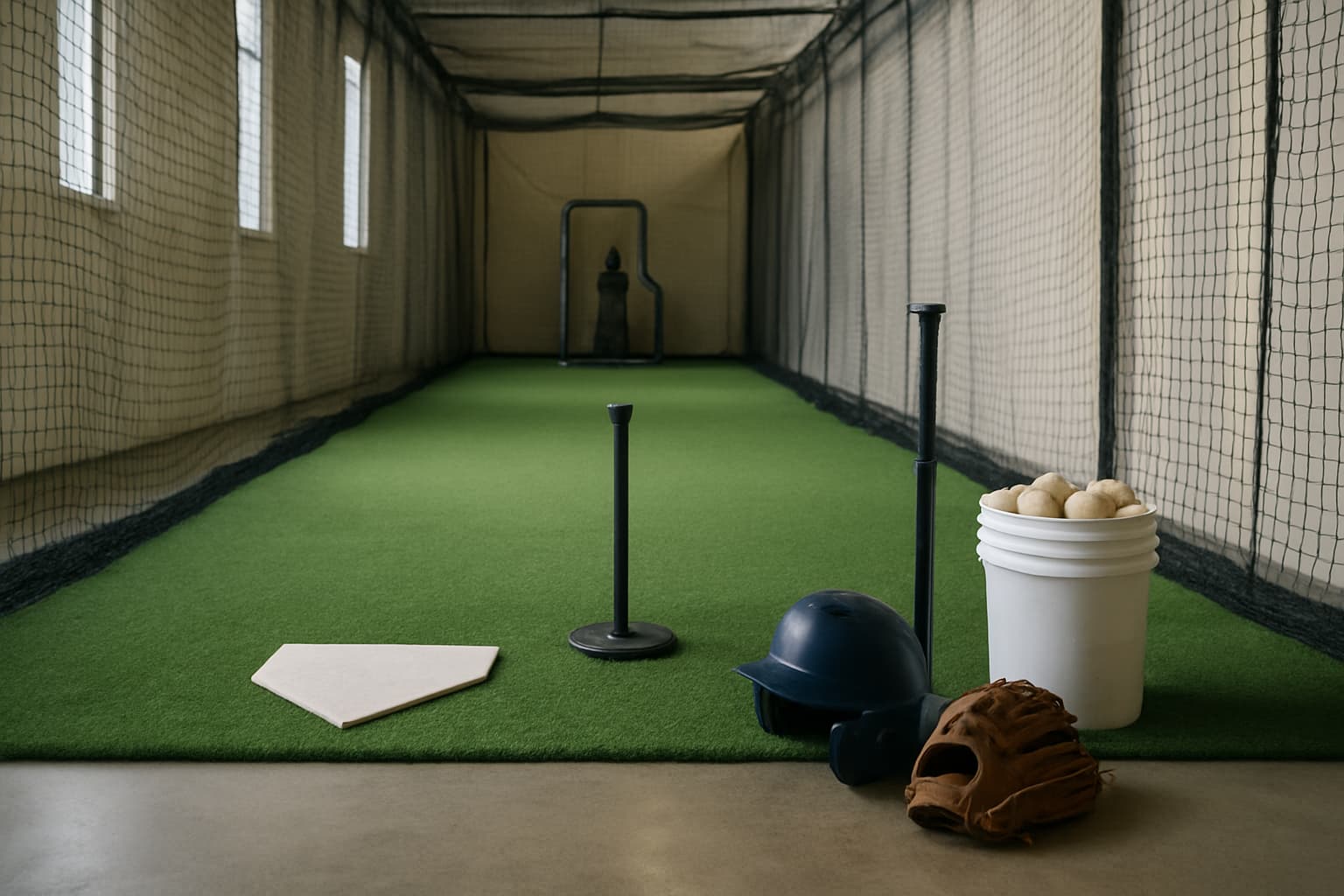
A coach's how-to for Hustle Ball™ — manage pace with coach pitch, keep games close, rotate positions, and teach without killing the energy.
MADE Baseball's Hustle Ball™ — coach-pitch live play that keeps kids loving the game. Why one weekly practice should feel like a real game, not only drills or tournaments.
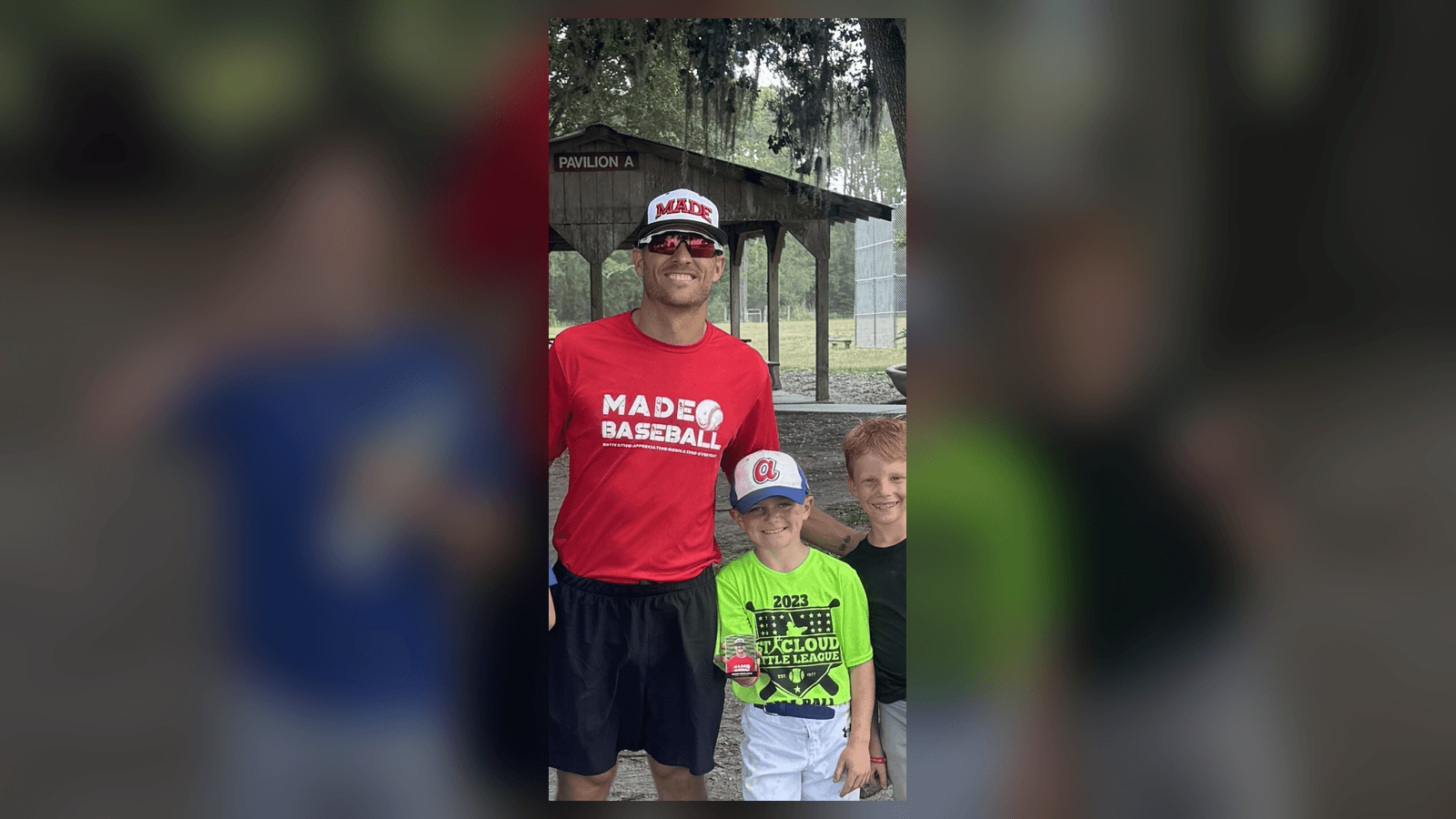
Coach Isaac (MADE Baseball) on building a full-time lesson business without leasing a facility — and how independent coaches use CageList for reliable cage access.

The six-thing checklist a first-time coach actually needs — most of it fits in one bucket — plus how to run a fun, organized 60-minute practice.
The new entertainment wave is not just for fans. It is changing how coaches think about practice, motivation, reps, and cage time.
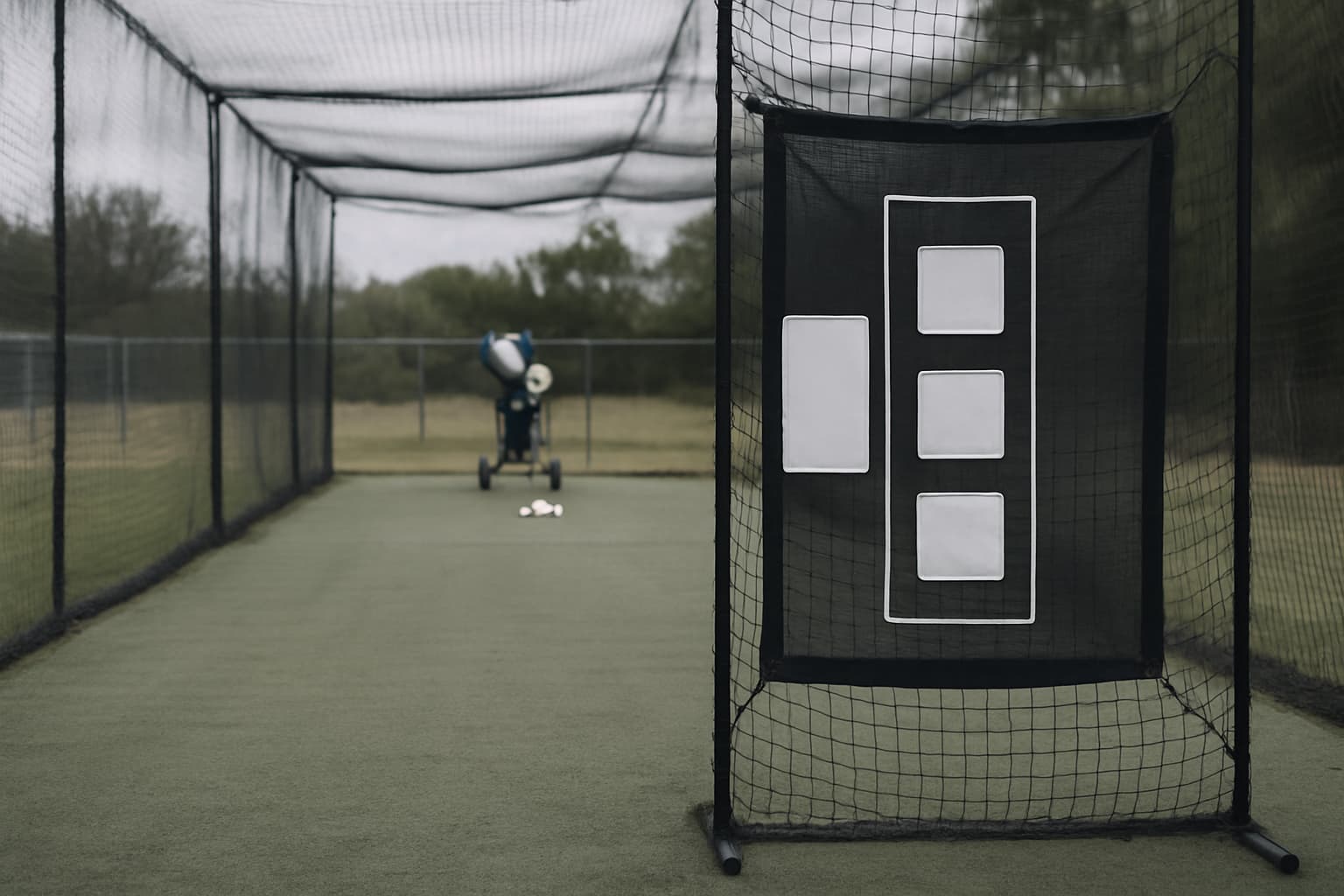
Hitting changeups starts with fastball readiness, balanced timing, pitch recognition, and cage drills that mix speeds.
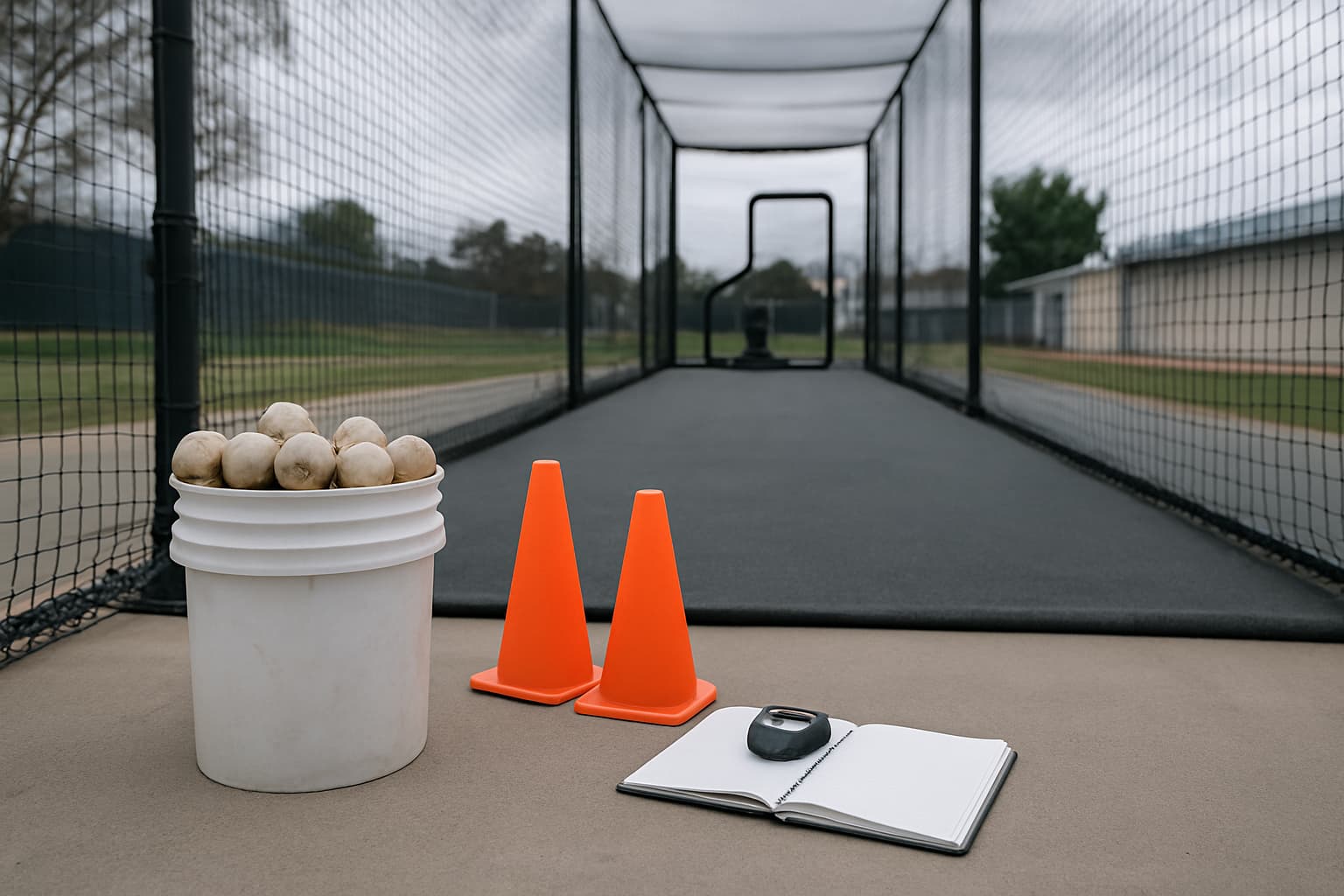
The best batting practice swing count depends on age, intensity, goals, and how long the hitter can maintain quality.
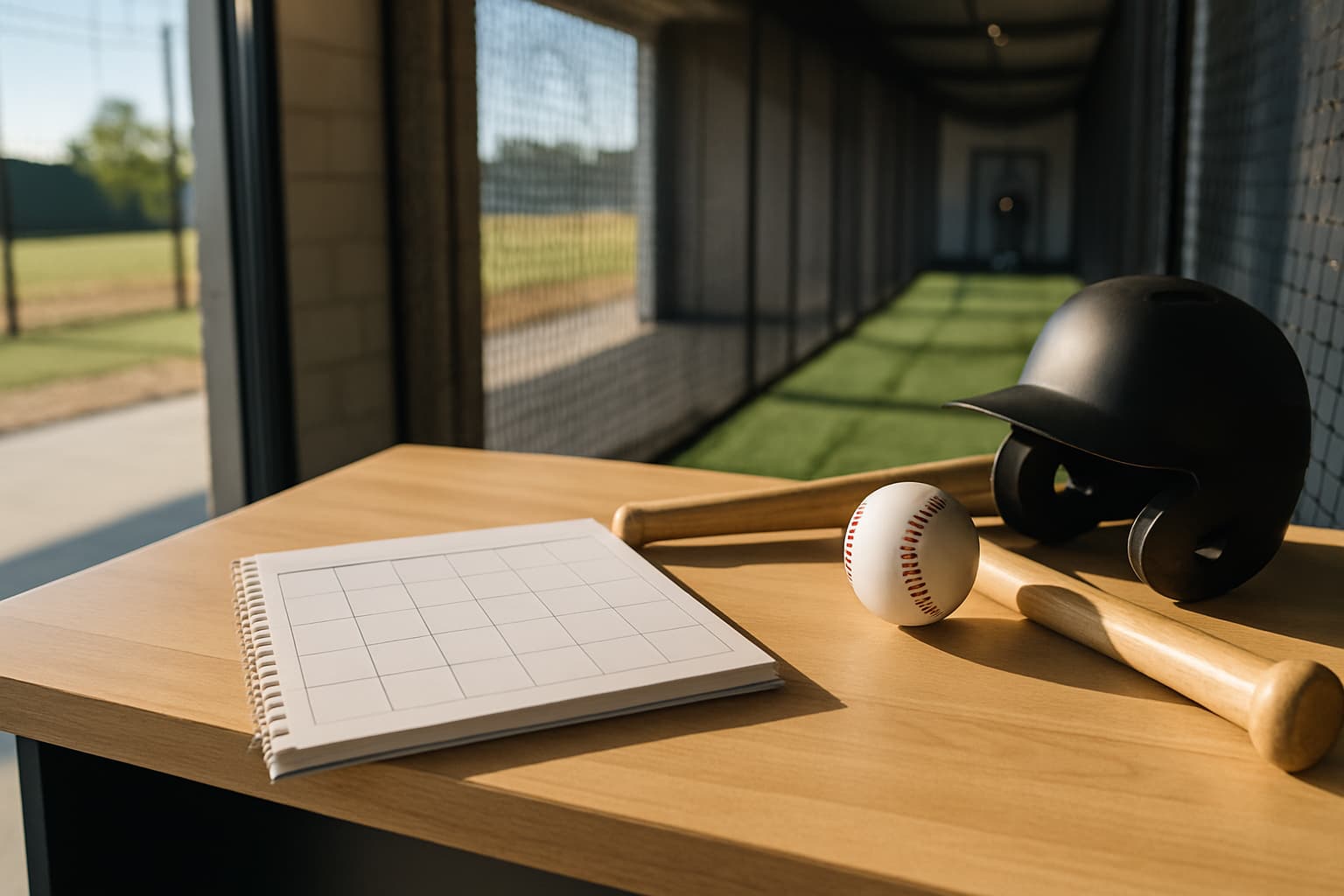
A year-round hitting plan changes by season so players can build skill, sharpen timing, maintain feel, and recover.
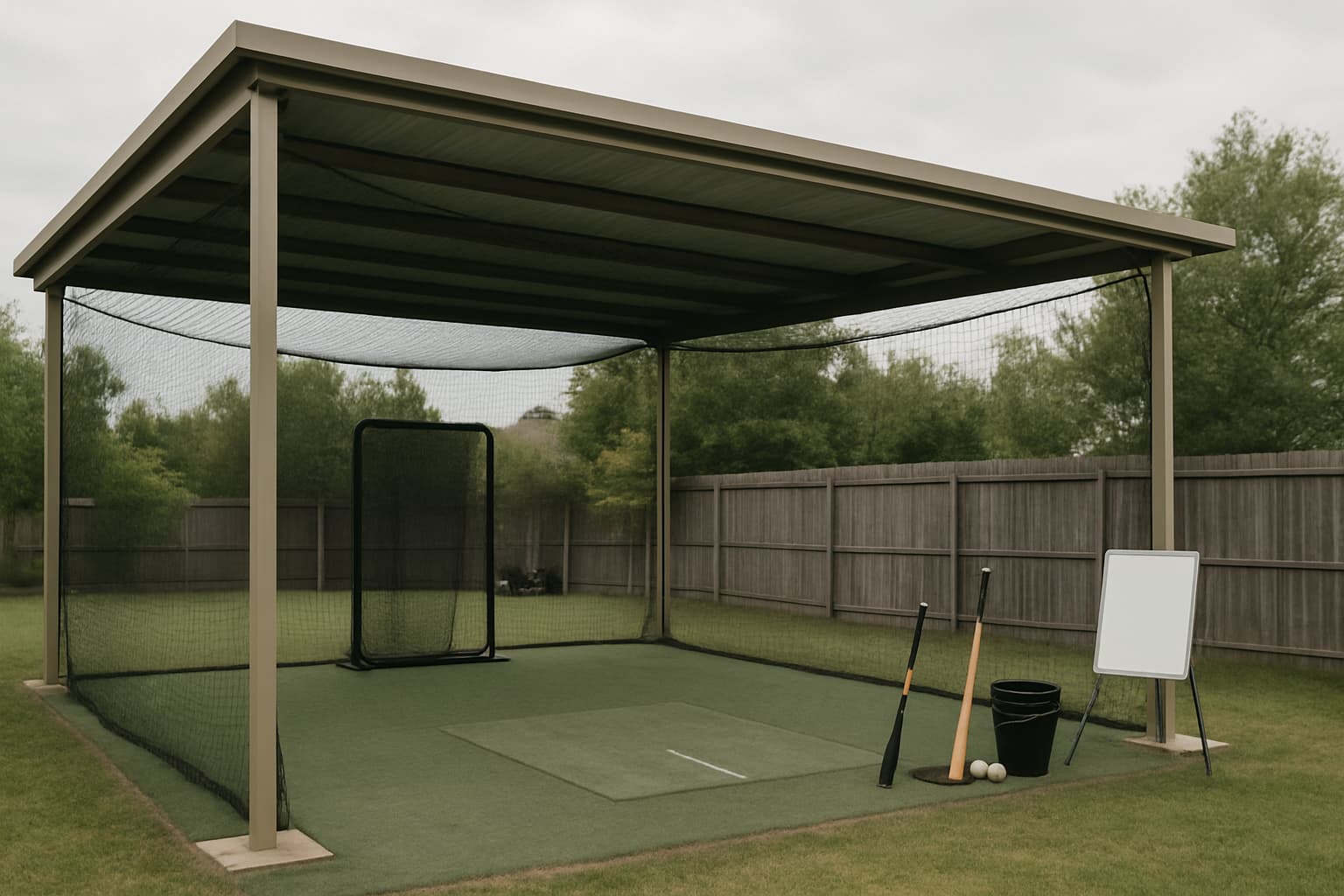
Confidence at the plate comes from controllable goals, pressure practice, and a reset routine hitters can trust.
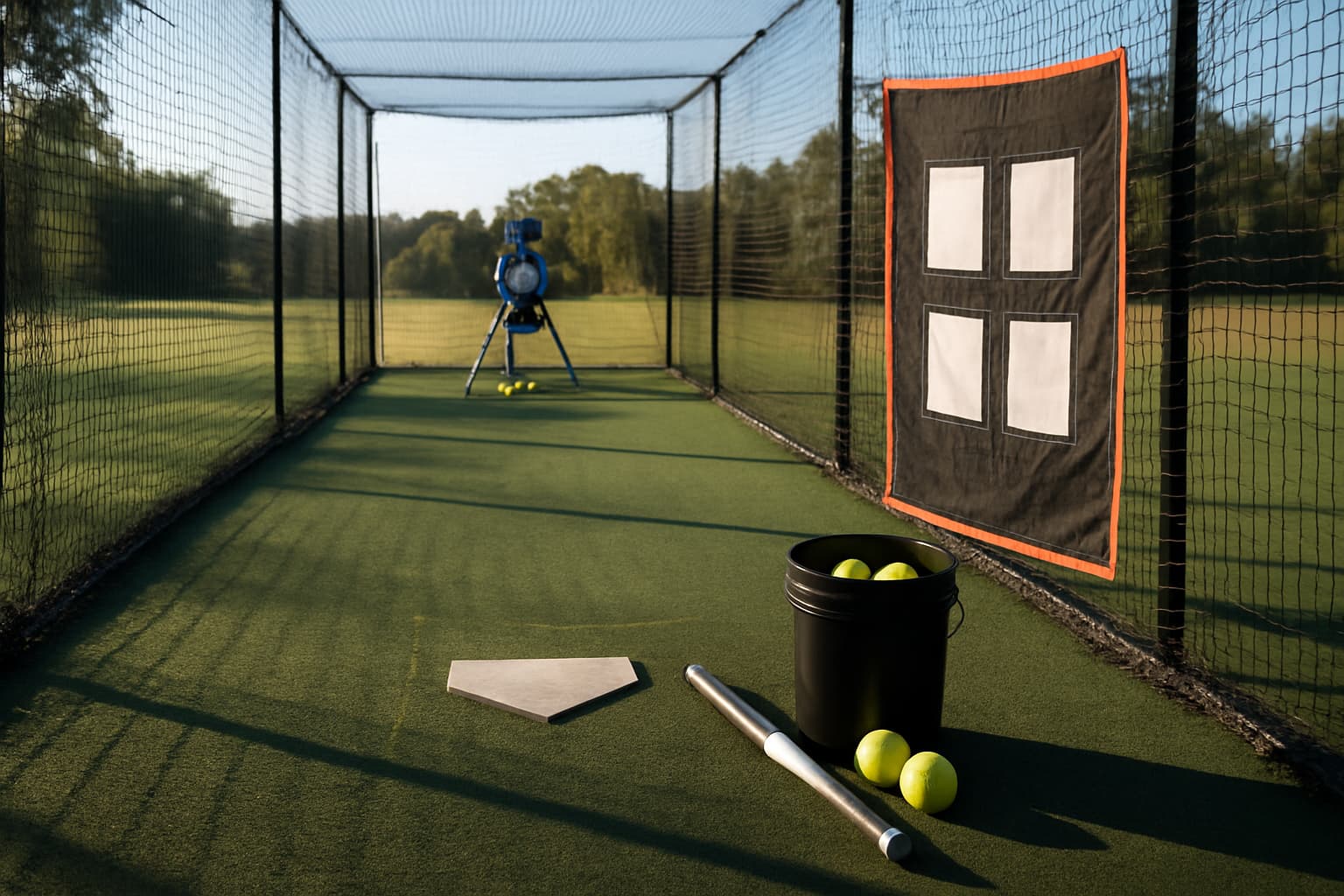
Baseball and softball swings share fundamentals, but pitch plane, timing, and cage setup change how players should train.
Opposite-field hitting helps players cover away pitches, stay on offspeed, and become harder to defend.