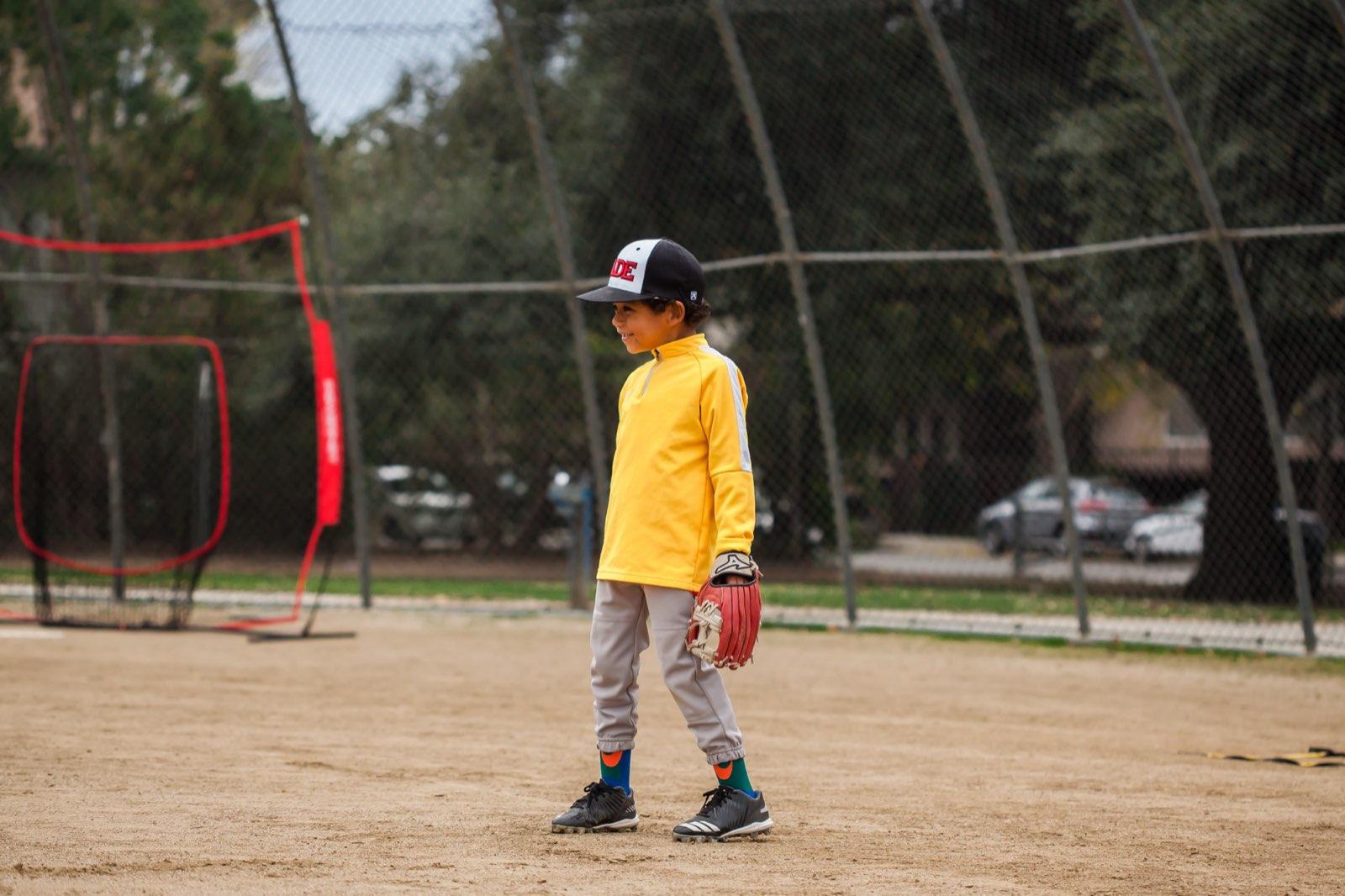
You search "baseball training near me" and get a page of businesses that all say they develop players. Some are excellent. Some are a rented cage and a price list. Before you hand over a deposit, here is how to tell them apart, and what to ask.
Academy, rec league or travel team: what are you buying?
These are three different things, and mixing them up is how families end up paying for the wrong one.
- Rec league: a seasonal league, usually volunteer coached, built around playing games. Low cost, low commitment.
- Travel team: a team that plays a schedule and tournaments, often with a fee for the season. You are paying for games and a roster spot.
- Training academy: a business that teaches. Lessons, cage time, small-group sessions, camps and clinics, usually run by paid coaches. You are paying for instruction and practice reps, not a game schedule.
Plenty of places do more than one. A good academy tells you plainly which of these it is and does not blur them to sound bigger. If you want the same sorting for the labels you will see online, what each listing type means on CageList walks through it.
Ask about the coaches first
The coach is the product. Ask these before anything about price.
- Who will actually work with my child? Not the owner's bio. The person on the floor.
- What is their playing and coaching background? Ask for specifics you can check, such as teams, levels and years coaching youth players.
- Are staff background checked? Ask what check is run, how recent it is, and whether it covers every coach and helper who works with kids.
- Has the staff completed SafeSport training? The U.S. Center for SafeSport is an independent nonprofit that offers courses on recognizing, preventing and responding to abuse, and it publishes policies for interactions between adults and young athletes. A serious academy knows what these are and can tell you how it handles one-on-one sessions.
If you want to compare individual coaches rather than a whole business, you can look at coaches on CageList too.
Ask how they protect young arms
This is where good academies separate themselves. Youth pitchers get hurt when workload is ignored, and a lesson program is one more place a kid throws.
MLB publishes Pitch Smart guidelines. They state that pitch counts are the most accurate way to limit pitching with fatigue, and they set a daily maximum by age. For ages 9 to 10 the daily max in a game is 75 pitches, and for ages 11 to 12 it is 85. They also lay out required rest days at each count. A kid often plays for several organizations in a year, and no single league sees all of it.
That last point is the question to ask an academy: do you know what my child throws elsewhere, and do you account for it? Good answers sound like this:
- They ask how many teams your child plays on and how often he or she pitches in games.
- They can name the guideline they follow, and it is not "whatever the player feels like."
- They build throwing volume, rest and arm care into the program instead of adding bullpens by default.
- They send a kid home when the arm is tired, even if the session is paid for.
If you want the numbers in more detail, our parents' guide to youth pitch count rules covers them by age.
Staff-to-player ratio and what a session looks like
Ask how many players one coach supervises at a time, and ask to watch a session. In a group class, count the swings or throws a kid actually gets per hour. A line of eight kids waiting on one tee is not training. A trial session or a free observation is a fair request, and a place that refuses one is telling you something.
Ask whether progress is measured
"We will make him better" is not a plan. Ask how progress is tracked. It does not have to be fancy. It can be video of the swing at the start and again in eight weeks, exit velocity or throwing velocity logged at the same time each month, or a short written note after each block. What matters is that you and your child can see a starting point and a direction. Ask what happens if a player is not improving, and whether anyone will tell you.
Read the contract before you sign it
- Is it month to month, or a multi-month commitment?
- How do you cancel, and how much notice is required?
- What happens to unused lessons or credits if your child gets hurt or the season ends?
- Are there add-on fees for gear, tournaments or showcases?
- Is the price per session, per month or per package, and what is included?
Get the answers in writing. A clear policy is a good sign even when you do not like the terms. A vague one is worse.
Red flags
- Promised scholarships or guaranteed roster spots. No academy controls a college coach's decision. Treat any guarantee about recruiting, velocity or making a team as a sales line.
- Pressure to sign today. A fair price is a fair price tomorrow.
- No answer on background checks or safety training.
- Heavy throwing volume with no mention of rest.
- No way to watch, trial or ask questions before paying.
- Everyone is "elite." If every kid in the program is described the same way, no one is being evaluated.
Why CageList exists
Families have no good way to compare academies. Each one has its own website, its own wording and its own idea of what "training" means, and the reviews are scattered. On the other side, many academy owners are coaches first. They are running schedules, payments and marketing on their own, and they would rather be on the floor with players. CageList puts academies in one place with a consistent label. An academy listing means a baseball or softball training business, and you can browse listings or go straight to the academies directory to see what is near you. If you own one, you can claim your academy page so families see accurate information.
Questions parents ask
What is the difference between a baseball academy and a travel team?
A travel team plays games and tournaments on a schedule. An academy teaches through lessons, cage time and camps. Some businesses run both, so ask which part of the program you are paying for.
Should I ask for a trial session before paying?
Yes. A trial session or a chance to watch a practice is a reasonable request. It lets you see the coach, the ratio of players to staff and how your child responds.
What pitch count limits should a youth pitcher follow?
MLB's Pitch Smart sets a daily maximum by age, such as 75 pitches in a game for ages 9 to 10 and 85 for ages 11 to 12, with required rest at each count. Check the current table on the Pitch Smart page, since it also covers older ages.
Is it a red flag if an academy promises a college scholarship?
Yes. No academy controls recruiting decisions, so a guarantee is a sales tactic. Look for places that talk about development, measurement and honest feedback instead.
How do I know if the coaches are safe to work with kids?
Ask whether every coach is background checked and whether staff have completed SafeSport training. A good academy answers directly and can explain how it handles one-on-one sessions.
Find a baseball league near you
Put your work into a real season: men's leagues, Little League, and travel teams, all in one guide.
Related Guides
View all articles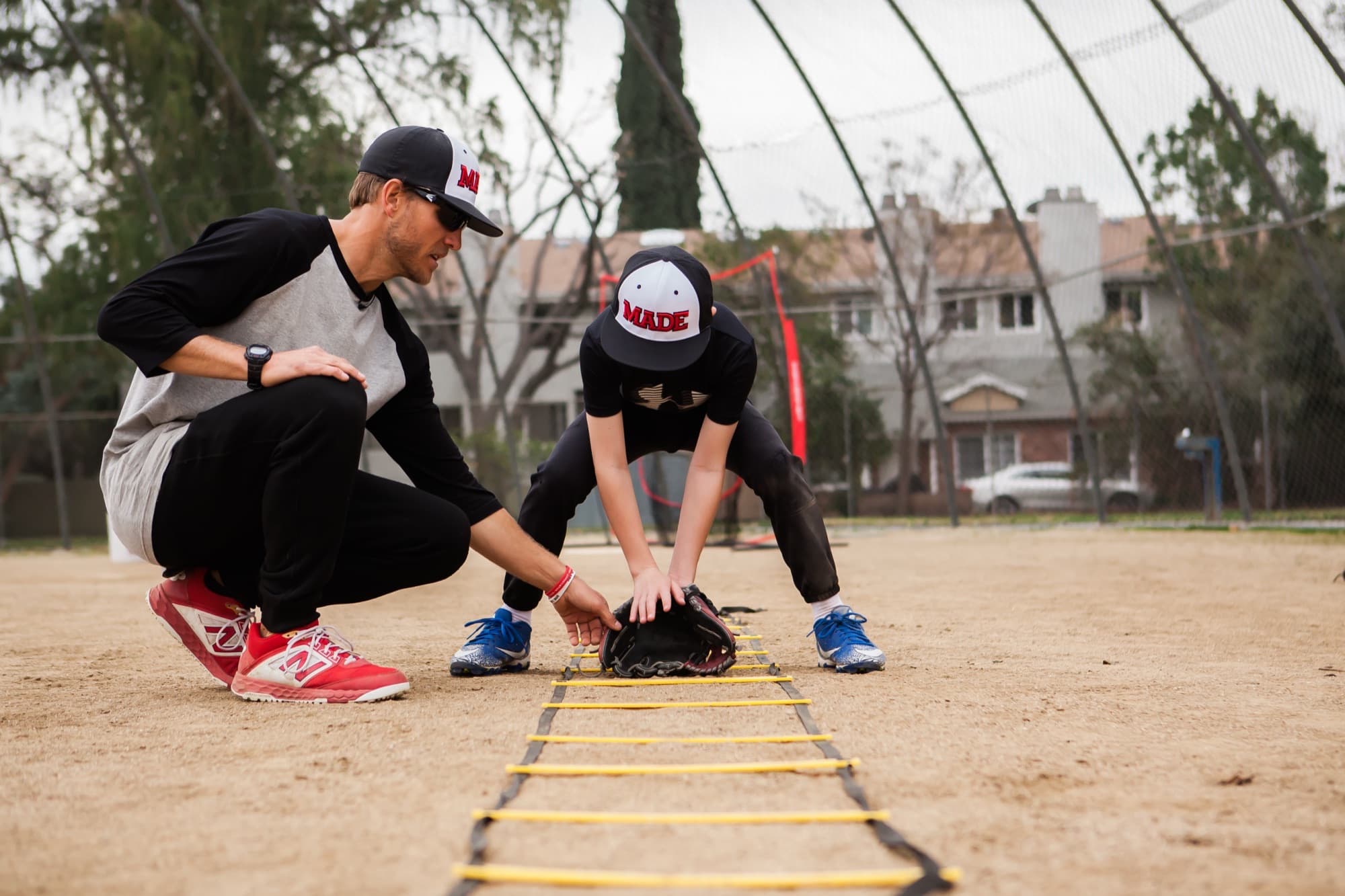
Start a Baseball or Softball Lessons Business: Checklist
Business structure, insurance, youth safety, self-employment taxes, a place to train and reviews: the setup checklist for a coach starting a lessons business, with primary sources.
7 min readRead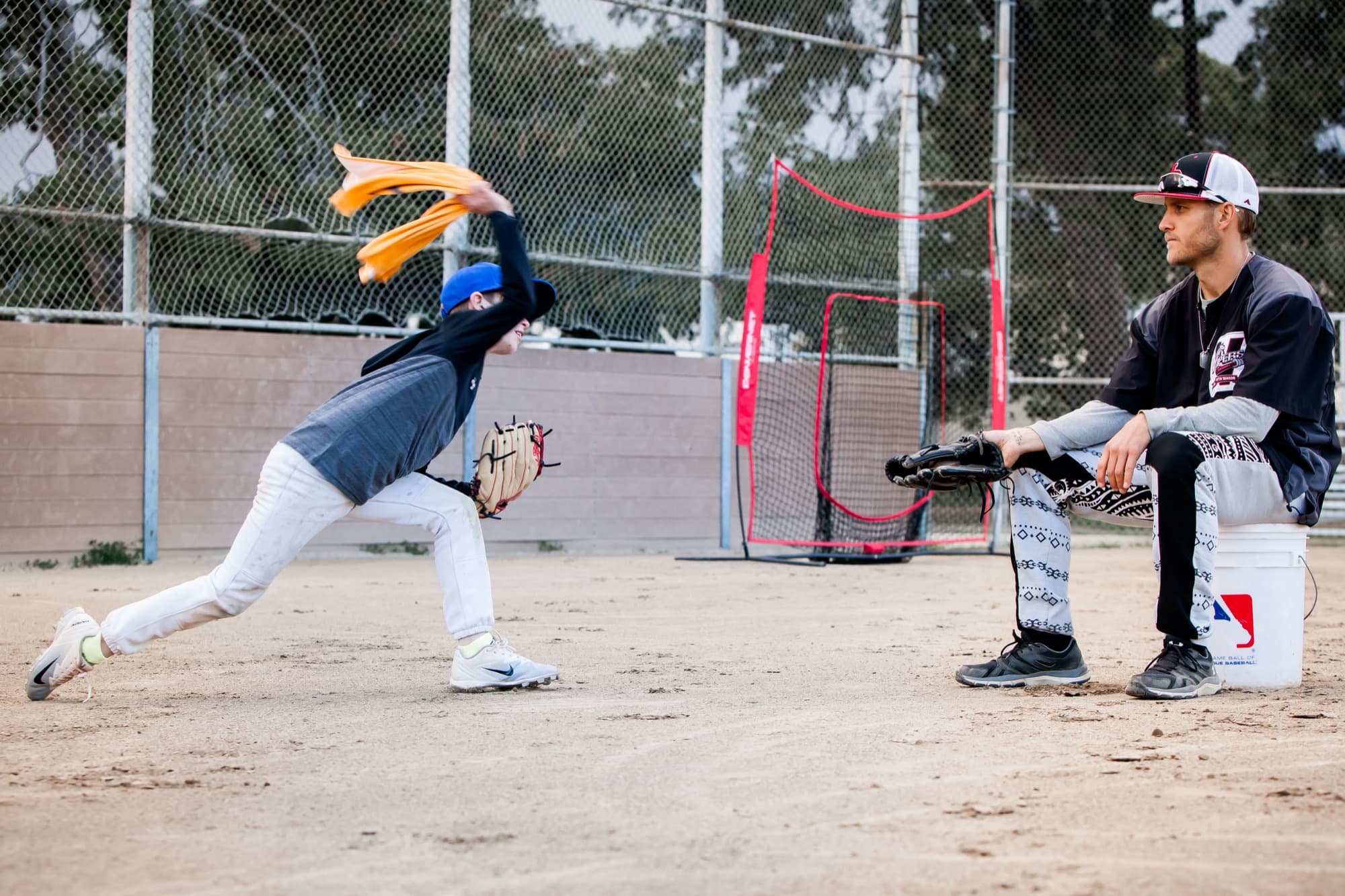
Youth Baseball Pitch Count Rules by Age: A Parent's Guide
Pitch Smart and Little League set daily limits and rest days by age. Here is what the numbers are, who keeps the count, and what to do when your kid pitches for two teams.
7 min readRead
How to Become a Private Baseball or Softball Coach
We found no national license requirement to teach lessons for pay. Here are the credentials, background checks, insurance and taxes to look into, plus a first-month plan and how to find a place to teach.
6 min readRead
Run a travel team? Get your free page.
Baseball or softball. Claim a free directory page, post tryouts, and share cagelist.com/@yourteam with families.
Find your league
Free directories of real leagues and clubs near you. Then book a batting cage to get your reps in before opening day.
1,893 organizations
 leagues in 49 statesAdult hardball near you: MSBL, NABA and independent leagues.Browse men's leagues
 leagues in 49 statesYouth baseball and softball leagues, organized by state.Browse little leagues
 programs in 41 statesTravel and club programs in your region. Find one, or list yours free.Browse travel teams
Join the backyard batting cage community
Talk builds, gear, hosting and player development with cage owners, coaches, parents and baseball families.