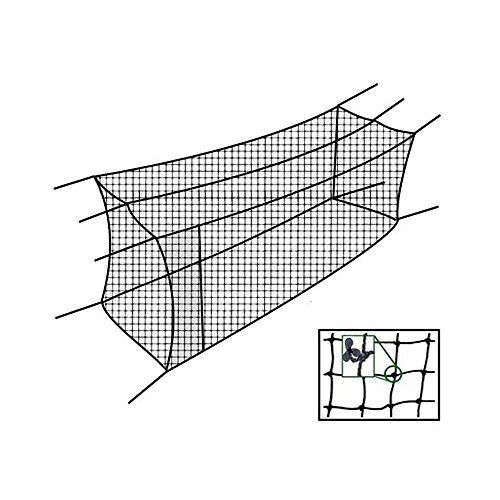
Starter DIY
$3,000-$7,000
40-55 ft long, 12-14 ft wide
Families testing demand or building primarily for personal use.
- Basic frame or cable system
- Outdoor-rated netting
- Grass, mats, or partial turf
- Manual access and daylight use
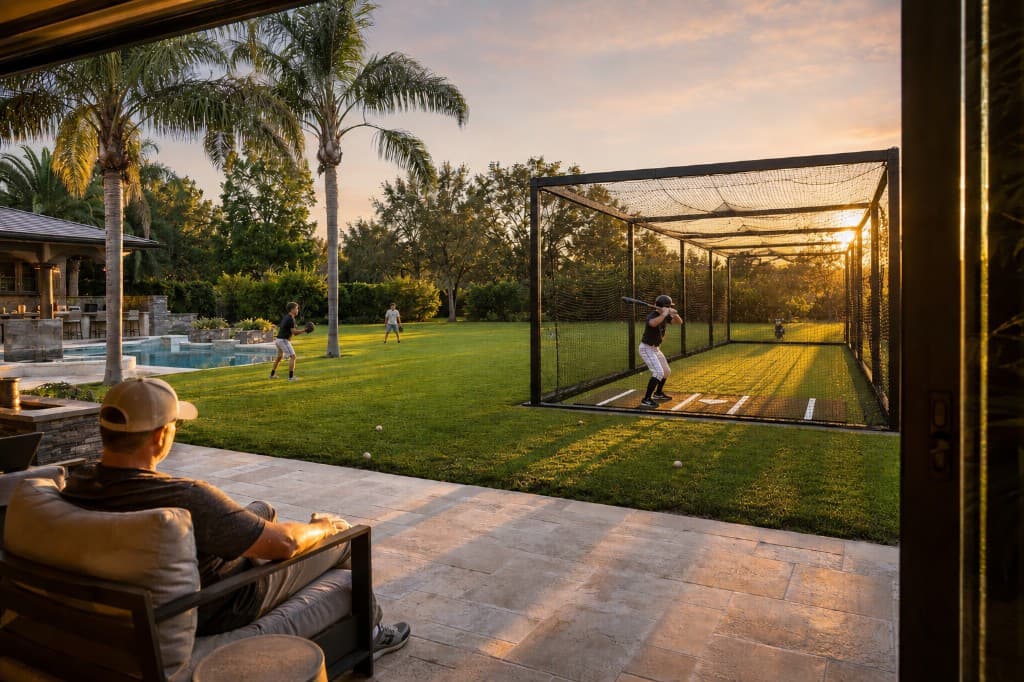
Typical host-ready build
Common rental range
Typical payback model
Choose the path
The page should answer the research question, then move visitors into the right action instead of making everyone read the same wall of content.
Run the numbers before you spend. Model build cost, hourly rate, weekly usage, and payback timeline.
Calculate ROIBudget first
These ranges are planning estimates, not guarantees. Site prep, local labor, freight, drainage, electrical work, and material quality can move the final number quickly.
$3,000-$7,000
40-55 ft long, 12-14 ft wide
Families testing demand or building primarily for personal use.
The build kit
A curated starting point for a backyard or facility build, ordered the way you actually build: structure first, then surface, then the features that make a cage rentable. Every pick links to the product and to Amazon.
Affiliate disclosure: As an Amazon Associate, CageList earns from qualifying purchases.
The structure and the net are the two parts you cannot cheap out on. A square, well-anchored frame and UV-treated polyester netting decide how long the cage lasts and how safe it is to rent.
DIY process
The goal is not to make every reader a contractor. It is to help them ask the right questions before the project gets expensive.
If your project hits any of the risks below, loop in a licensed pro before you pour concrete or run power — the numbers below only work if the job goes right the first time.
Grading, retaining walls, drainage, and access constraints can change the project fast.
Outdoor electrical should be scoped by a licensed electrician and permitted when required.
Anchoring, net tension, nearby windows, and high-wind regions deserve professional review.
Avoid rework
The strongest build guide is not only a parts list. It helps hosts avoid expensive decisions that make the cage harder to rent.
Why it matters: You can overspend on features guests do not value or undersize the cage for your local player base.
Better move: Start with expected users, sport, age level, available hours, and target hourly rate.
Why it matters: You risk fines, removal, project delays, or a cage that cannot be responsibly listed.
Better move: Check building, electrical, HOA, setback, and easement rules before ordering.
If the owner wants bookings, they need more than a net and frame. They need evening availability, clear access, strong photos, safe rules, and a price that matches the market.
FAQ
These answers are intentionally practical and conservative. Local rules, insurance, site conditions, and demand matter.
A simple DIY cage can start around $3,000-$7,000, while most host-ready builds land closer to $8,000-$15,000. Premium or turnkey builds with turf, drainage, lighting, and professional installation can exceed $30,000.
It depends on your location, structure type, height, footprint, electrical work, and HOA rules. Check with your local building department before starting and get licensed help for permanent electrical work.
For casual youth use, 40-55 ft can work. For older players and a stronger rental experience, 55-70 ft long, 12-14 ft wide, and about 12 ft high is a better target when space allows.
Route each visitor based on intent: calculate before spending, plan the setup, or list the cage if it already exists.
Use the guide below to understand dimensions, materials, permits, safety, and installation sequence.
Monetization note
Can work for occasional rentals, but limited lighting, length, and amenities usually cap demand.
$8,000-$15,000
55-70 ft long, 14 ft wide, 12 ft high
Most new CageList hosts who want a durable rental-quality setup.
Monetization note
Best balance of upfront cost and guest experience for most suburban markets.
$16,000-$30,000+
70 ft, premium surface, upgraded amenities
High-demand markets, coaches, multi-use training spaces, or facilities.
Monetization note
Unlock top-of-market rates with a facility-grade setup guests will travel for and rebook.
Treat every number on this page as a planning range. Actual results depend on local labor, site conditions, material quality, weather, listing quality, demand, and availability. Use the calculator and get local quotes before committing.
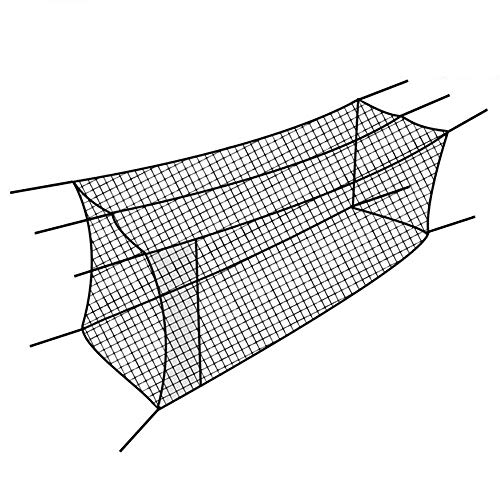
A defined batter's box and a durable hitting mat protect the ground, cut maintenance, and make the cage photograph like a real facility instead of a backyard net.
Evenings are prime booking hours. Adding light is often the single change that turns a daytime-only personal cage into a rentable one — scope permanent wiring with a licensed electrician.
Bats, helmets, balls, training aids, curated bundles, and a setup quiz that recommends gear for your exact build.
Watchout
The cheapest mistake is caught here. A cage that is too short, too low, or hard to access is difficult to monetize later.
Watchout
Do not assume accessory-structure exemptions apply. Requirements vary by city, county, HOA, and structure type.
Watchout
Most budget overruns come from site prep, drainage, electrical, freight, and undercounted hardware.
Watchout
Poor drainage and weak anchoring create safety risk and shorten the life of turf, netting, and frame components.
Watchout
Lighting is often the difference between a personal cage and a rentable cage because evenings are prime booking hours.
Watchout
A great build still needs a clear listing, updated calendar, fast responses, and honest rules to convert.
A turnkey build can reduce rework risk and create a cleaner path for rental-grade use.
Why it matters: Early net failure and wind damage can wipe out the savings from a cheaper build.
Better move: Use outdoor-rated netting and anchoring appropriate for your climate and wind exposure.
Why it matters: A cage can be technically usable but still fail to book if access, lighting, parking, or photos are poor.
Better move: Design for evening use, clean access, clear rules, and photo-friendly presentation.
Start with local demand, cage quality, peak hours, and comparable training options.
Evenings and weekends usually matter most, so lighting and access are revenue features.
Photos, rules, parking, equipment notes, and response time all affect conversion.
Model conservative, typical, and upside scenarios before choosing a build tier.
DIY can save money if you have the skills, helpers, and time. Hire a professional when the project includes major grading, concrete, lighting, drainage, wind-load concerns, or when you want a warranty-backed turnkey result.
It can, but only if local demand, quality, pricing, and availability line up. Many host models use $25-$65 per hour and 15-20 rental hours per month as a starting assumption. Use the ROI calculator for your exact market and budget.
Confirm your insurance position, safety rules, access instructions, photos, lighting, calendar availability, and house rules. CageList helps with bookings and payments, but hosts are responsible for maintaining a safe, accurate listing.
Answer a few questions and get a recommended setup path.