The Complete Batting Cage Quality Guide: Budget vs Mid-Range vs Premium (2026)
Comparing batting cage tiers from $500 portable nets to $30,000+ custom installations. Real specs, photos, and what to expect at every price point.
Last Updated: June 2026
This is the definitive reference for comparing batting cage quality tiers — Budget, Mid-Range, and Premium. Whether you are a homeowner planning a backyard build, a parent choosing where to book training, a coach sourcing practice space, or a host evaluating what tier your cage falls into, this guide covers real specs, price ranges, and what to expect at every level.
Use the comparison table below to anchor your decision, then read each tier in depth. When you are ready to rent or list, browse cages on CageList or list your own.
Quick Comparison: Budget vs Mid-Range vs Premium
Feature
Budget
Mid-Range
Premium
Price Range
$500–$2,500
$3,000–$8,000
$10,000–$30,000+
Net Type
Polyethylene
Knotted polyester #36–#42
Heavy knotted polyester #60+
Frame
Portable poles or basic steel
Galvanized steel, semi-permanent
Powder-coated steel, permanent
Dimensions
35–55 ft
55–70 ft
70+ ft, regulation
Pitching Machine Compatibility
Limited
Most machines
All machines, 90+ mph
Turf / Flooring
None
Basic turf or mat
Full synthetic turf
Lighting
None
Optional
Full LED system
Typical CageList Booking Rate
Budget Tier
$500–$2,500
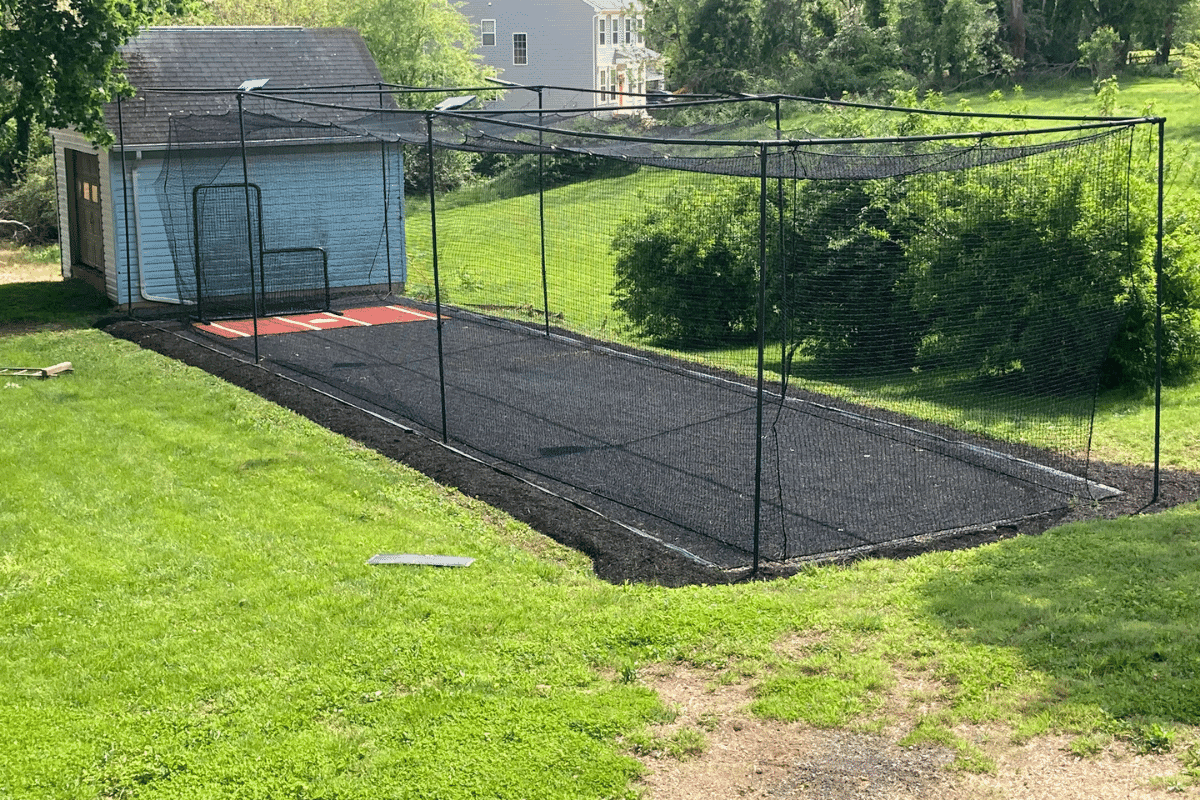
Budget cages get you swinging without a major capital investment. They work for casual backyard use, young players, and hosts testing demand before upgrading.
What you get at this price point
Expect a portable or light-duty frame kit, polyethylene netting, ground stakes or sandbags, and a cage length between 35–55 feet. Most kits ship flat-packed from Amazon, Fortress, or Cimarron entry-level lines. You will not get turf, lighting, or a permanent footing — and that is fine if your goal is tee work and soft toss.
Common brands
Fortress portable cages, Cimarron Sports entry kits, GoSports pop-up frames, and generic Amazon listings dominate this tier. Quality varies wildly — read reviews for UV treatment and gauge thickness, not just star ratings.
Net gauge and longevity
Poly nets in this tier typically last 2–4 seasons in full sun before UV degradation causes sagging and holes. #24–#30 polyethylene is common. Without UV inhibitors, expect the back net to fail first where balls concentrate.
Frame construction
Portable pole systems use push-fit connectors and ground stakes. Basic steel frames may use surface-mounted plates but rarely include concrete footings. Wind and repeated ball impact will expose weak joints within a year on cheap kits.
Size limitations
A 35-foot cage limits real hitting development for players over 12. There is not enough flight path for live pitching or machine work at game speeds. Budget cages are best for tee drills, front toss, and younger players learning mechanics.
Ideal use case
Tee work, soft toss, kids under 12, and hosts who want to list a cage on CageList before investing in upgrades. Many successful hosts start here and reinvest booking revenue into mid-range improvements.
Mid-Range Tier
$3,000–$8,000
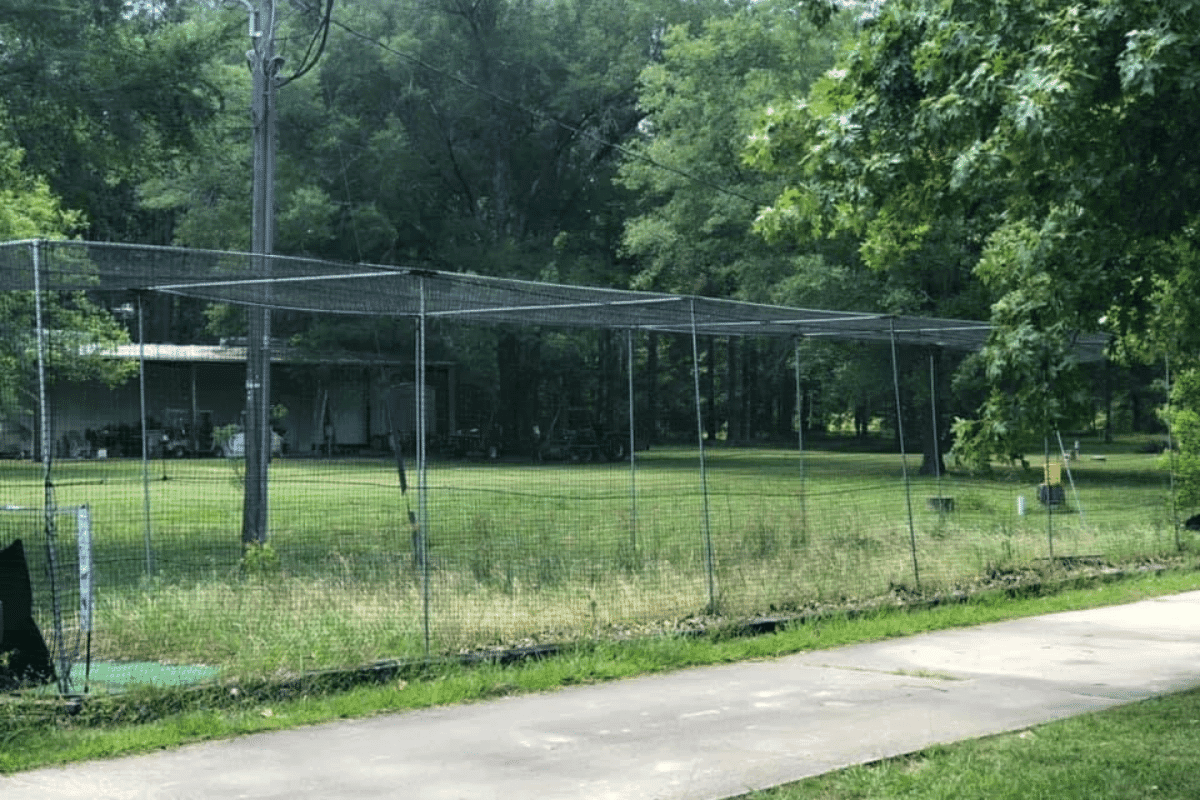
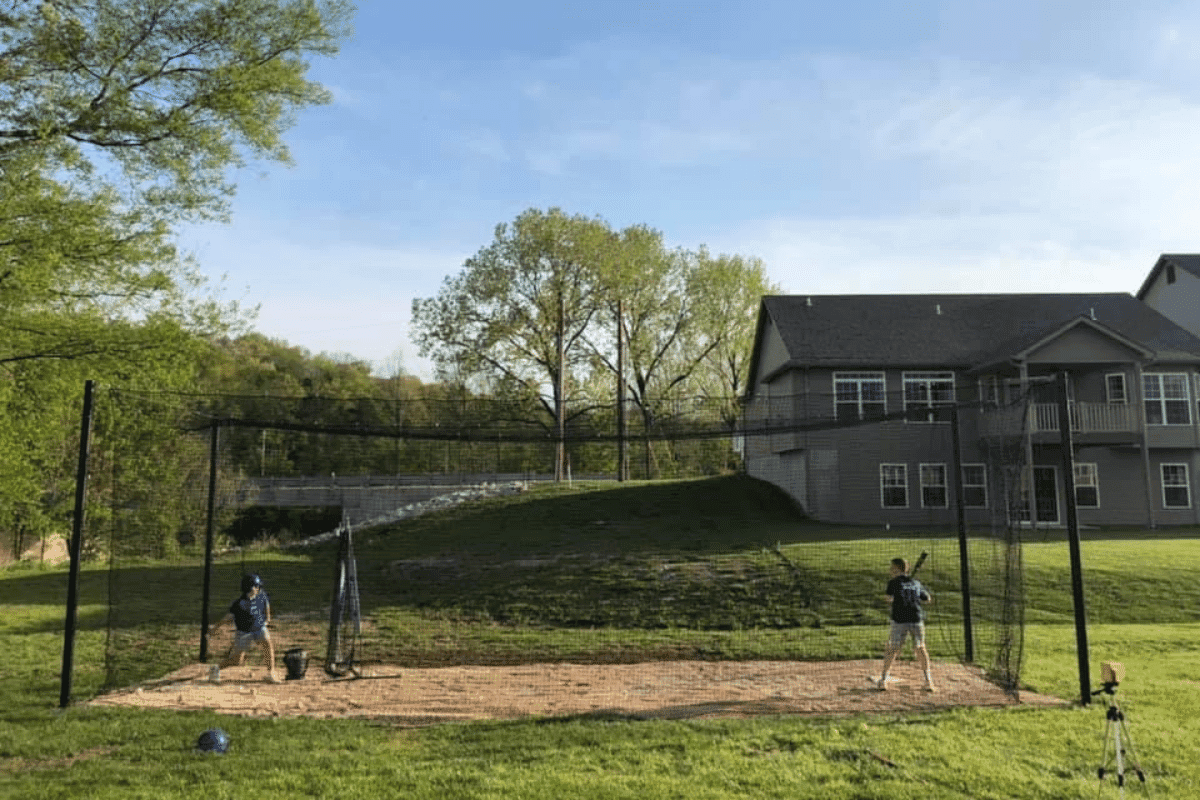
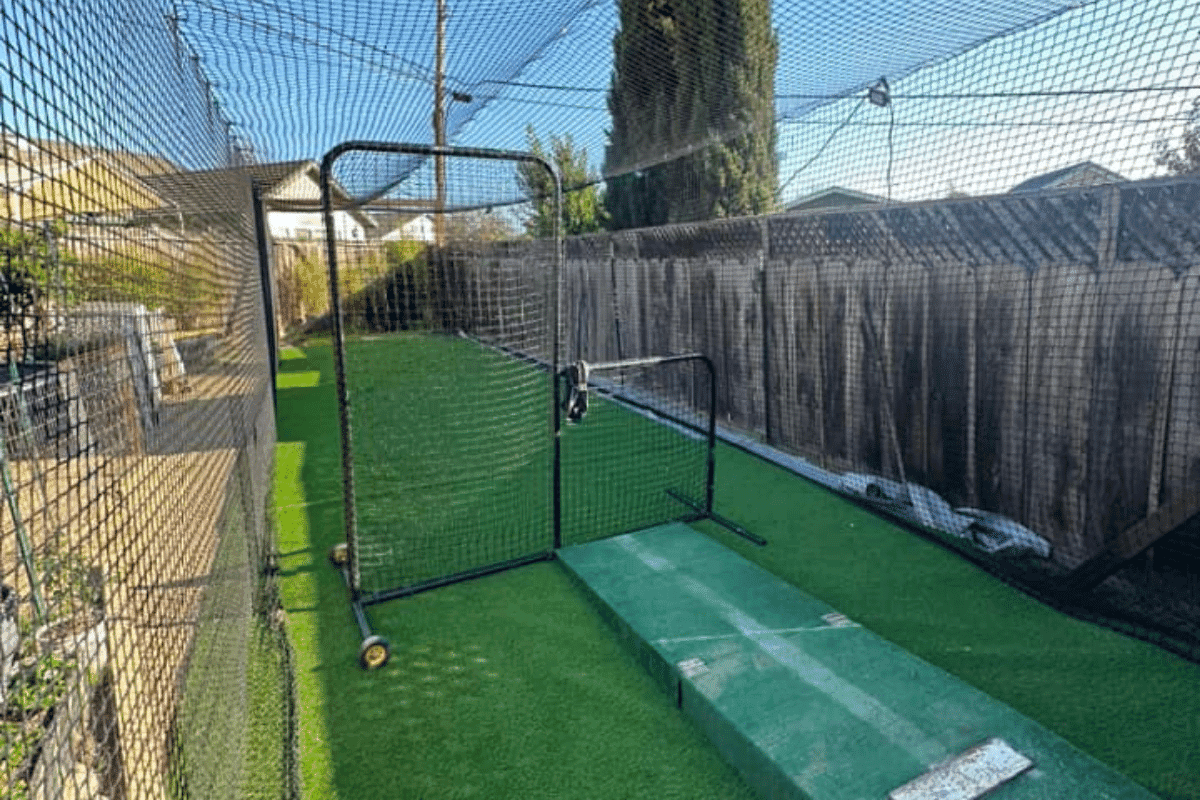
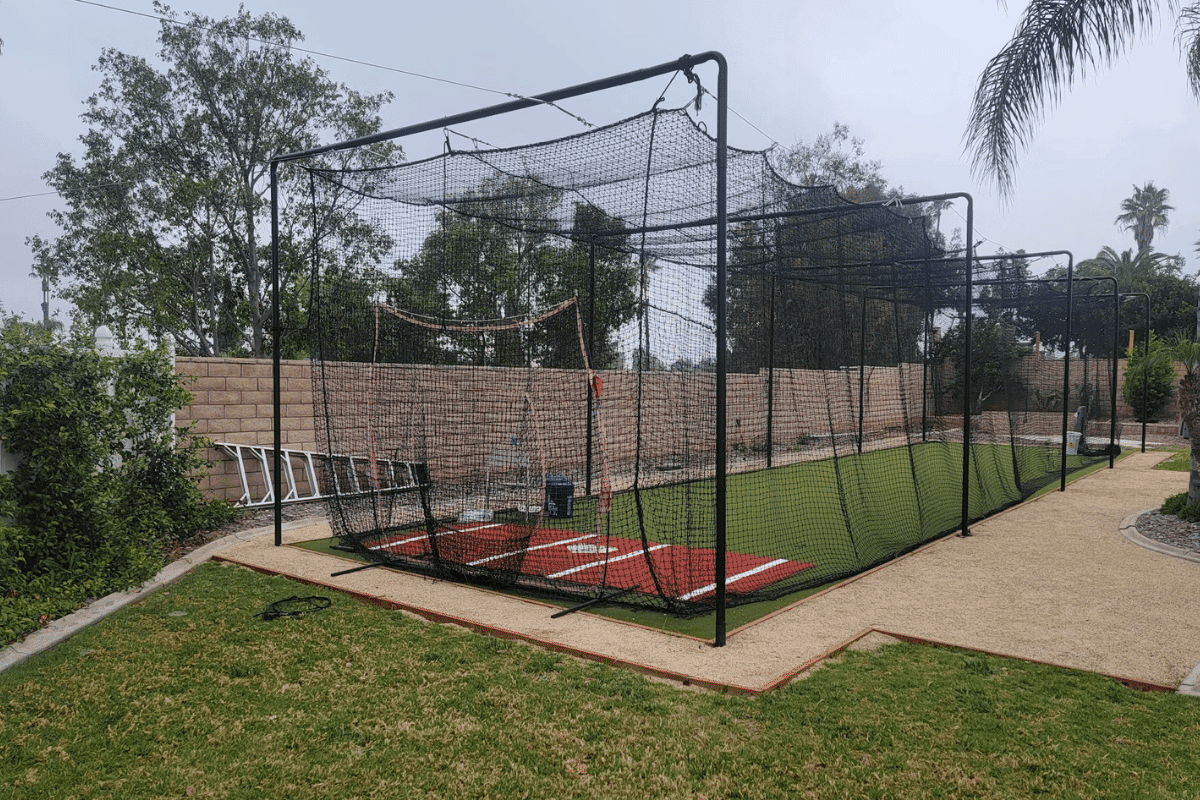
Mid-range cages are where serious backyard hosting begins. Anchored frames, heavier netting, and 55–70 foot lengths support high school players, travel ball families, and regular CageList bookings.
What separates mid from budget
Frame anchoring into the ground, #36–#42 knotted square polyester netting, baffle or sock panels behind the batter, and enough length for live pitching. You are paying for durability and player development capacity, not just a net in the yard.
Common configurations
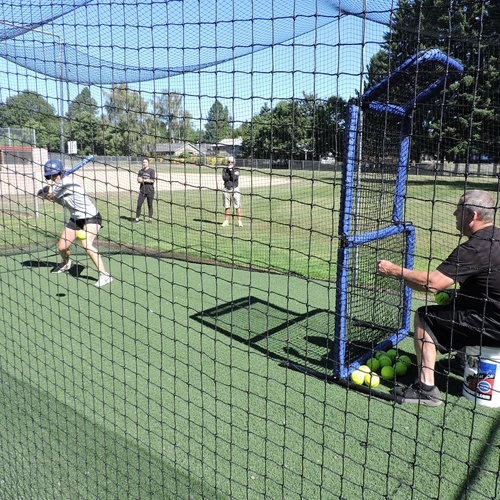
L-screen included or integrated, pitching mat at the plate, basic LED strip lighting for evening sessions, and a semi-permanent galvanized steel frame. Many mid-range builds add a side entry gate and ball collection trough.
Net specs
#36–#42 knotted square American polyester, UV-treated, is the sweet spot. Polyester handles the sun and repeated impact far better than polyethylene — and unlike polyethylene it can be re-treated and re-dipped — typically lasting 5–8 years with proper tension. A baffle net behind the hitter reduces back-net wear by 60–70%.
Frame construction
Galvanized steel tubing with ground anchors or shallow concrete piers. Semi-permanent means you can relocate it with effort, but it is designed to stay put through seasons. Expect 12–14 foot width and 10–12 foot height.
Why 60–65 ft matters
High school and college players need enough flight path for live arms and machine speeds above 70 mph. A 60-foot cage lets hitters track the ball through contact without the back net interfering with follow-through.
Pitching machine compatibility
Premium Tier
$10,000–$30,000+
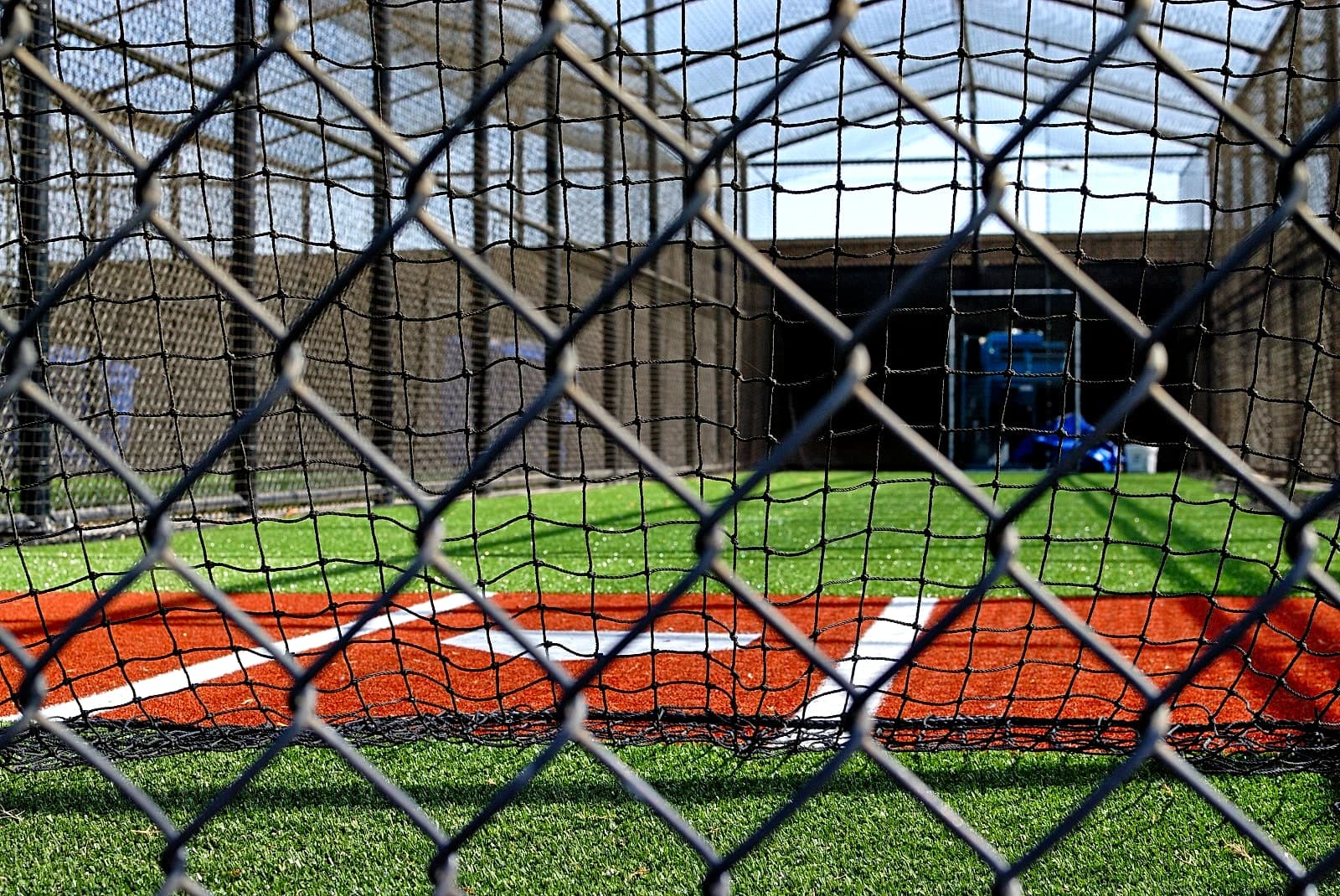
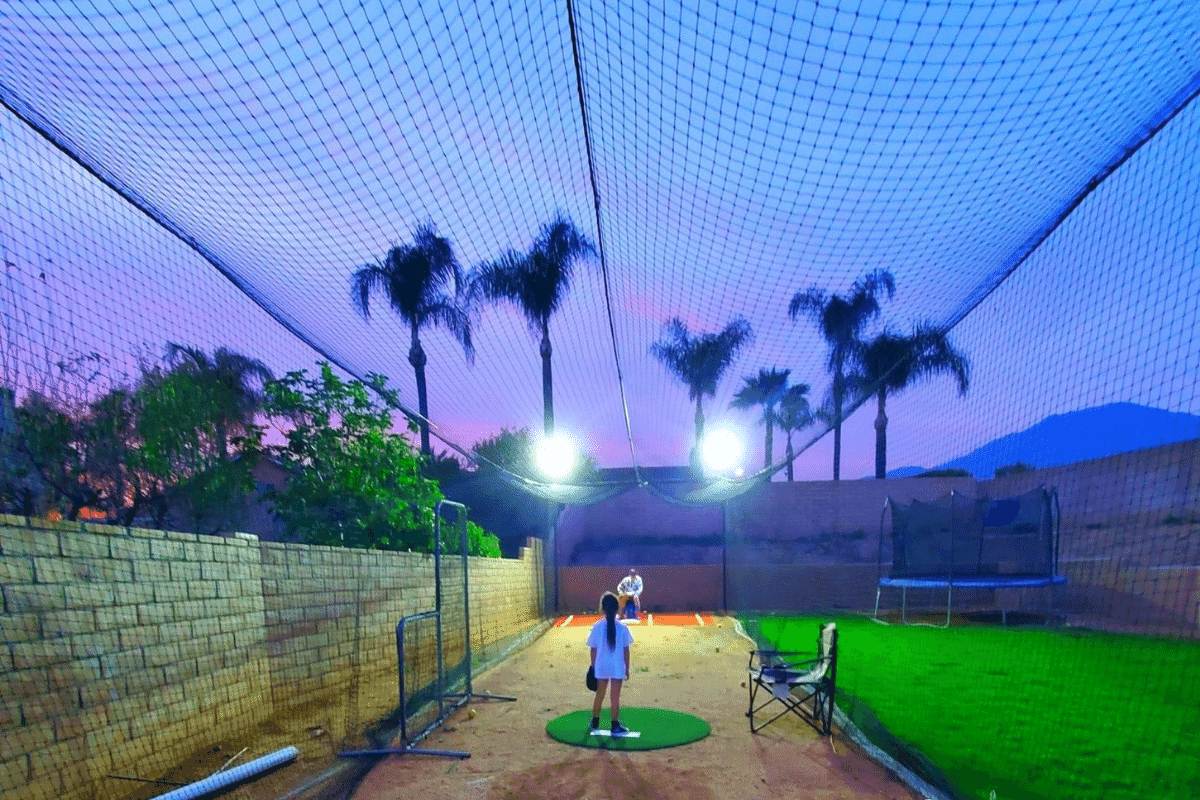
Premium cages are built for elite training, team rentals, and maximum CageList revenue. Custom sizing, full turf, LED lighting, and technology integrations justify $75–150/hr booking rates in strong markets.
What you're paying for
Custom dimensions, commercial-grade heavy knotted polyester netting (#60+), powder-coated permanent steel, full synthetic turf, LED lighting, pitching machine mounts, ball return systems, and often climate-controlled or covered structures.
Net specs
Heavy knotted square polyester (#60–#96) rated for 90+ mph exit velocity — the grade colleges and pros run. Always knotted square, never diamond or knotless. Expect 10–20 year net life with proper tension maintenance.
Frame and footing
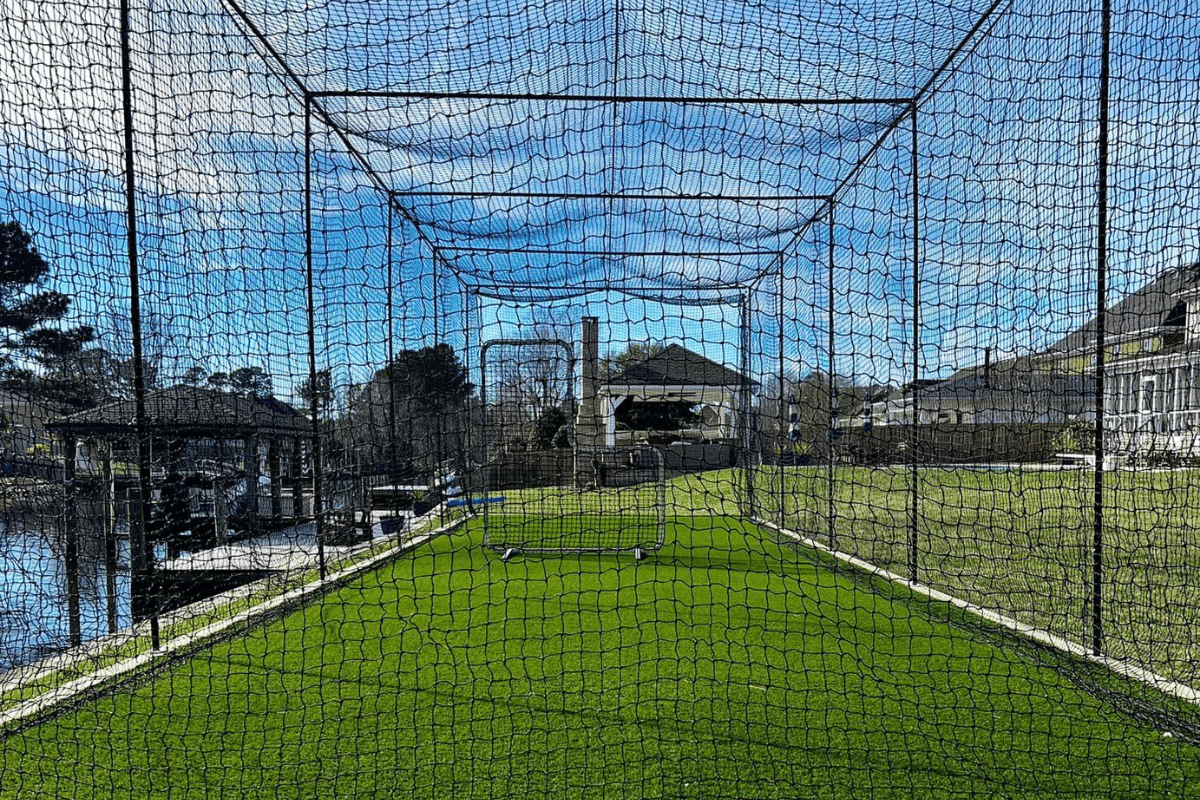
Powder-coated steel with concrete footings, engineered wind loads, and often a covered or enclosed structure. Premium backyard cages may include rollup side panels for weather protection.
Turf and technology
Full synthetic infield turf with pitching mound options, integrated HitTrax or Rapsodo bays, Blast Motion sensor zones, and smart LED controls guests can operate from their phone. These amenities drive premium booking rates.
Why these book at $75–150/hr
Guests pay for regulation-length cages, pro-grade surfaces, evening availability via lighting, and technology that replaces a trip to a commercial facility. Teams book blocks; instructors book recurring slots.
Facility vs backyard distinction
Premium backyard cages rival commercial facilities in equipment but offer privacy and flexible scheduling. Full facilities add multiple cages, waiting areas, and restrooms — and command the top of the rate range.
What Makes a Cage Safe to Rent
Cage quality and renter safety are inseparable. Before booking — or before listing your cage — run through this checklist. CageList reviews listings against these standards during approval.
Net integrity — no holes, fraying, or UV-brittle panels along the impact zone
Frame stability — concrete anchors or engineered footings; no wobble at pole bases
Adequate padding on frame poles within 8 feet of the batter's box
Clear sight lines and a marked entry/exit that does not cross the hitting lane
Frequently Asked Questions
How much does a backyard batting cage cost?
A backyard batting cage costs $500–$2,500 for a budget portable setup, $3,000–$8,000 for a mid-range semi-permanent build, and $10,000–$30,000+ for a premium installation with turf, lighting, and technology. DIY labor reduces costs 30–50%; hiring a builder adds $4,000–$10,000 in labor.
What is the best batting cage net material?
For permanent cages, #36–#42 UV-treated knotted square American polyester is the standard — treatable and long-lasting, with #60+ for elite use. Nylon is a fine indoor material. Budget portable cages use polyethylene, which is okay for light youth use but degrades in 2–4 seasons of sun exposure and can't be restored.
How long do batting cage nets last?
Polyethylene nets last 2–4 seasons. #36–#42 polyester nets last 5–8 years. Heavy knotted polyester (#60+) lasts 10–20 years with proper tension. The back panel and lower third fail first — inspect those zones every season.
What size batting cage do I need?
Minimum 35 ft for young kids doing tee work. 45–55 ft for travel ball and middle school. 55–70 ft for high school live pitching. 70+ ft for college-level and regulation training. Width should be at least 12 ft (14 ft preferred); height at least 10 ft (12 ft preferred).
Is a portable batting cage worth it?
Yes, if you need a low-cost entry point, plan to upgrade later, or want to test hosting demand on CageList before a permanent build. Portable cages are not worth it for high school players who need 55+ ft or machine speeds above 60 mph — you will outgrow them within a season.
What's the difference between knotted and knotless netting?
If you're pricing out a build, these are the nets and kits that hit the quality tiers above without overpaying — from portable setups to heavy-duty cage netting.
Affiliate disclosure: As an Amazon Associate, CageList earns from qualifying purchases.
Net sagging at the bottom third, frame bending at pole joints, ground stakes pulling loose in wet soil, and zipper-style entry panels tearing at stress points. Budget for a net replacement every 2–3 years.
Red flags to watch for
Single-layer netting with no baffle or sock panel, no UV coating listed in specs, frame weight under 1.5 lbs per pole section, and cages shorter than 35 feet marketed as "full size." Avoid kits with no replacement net SKU available.
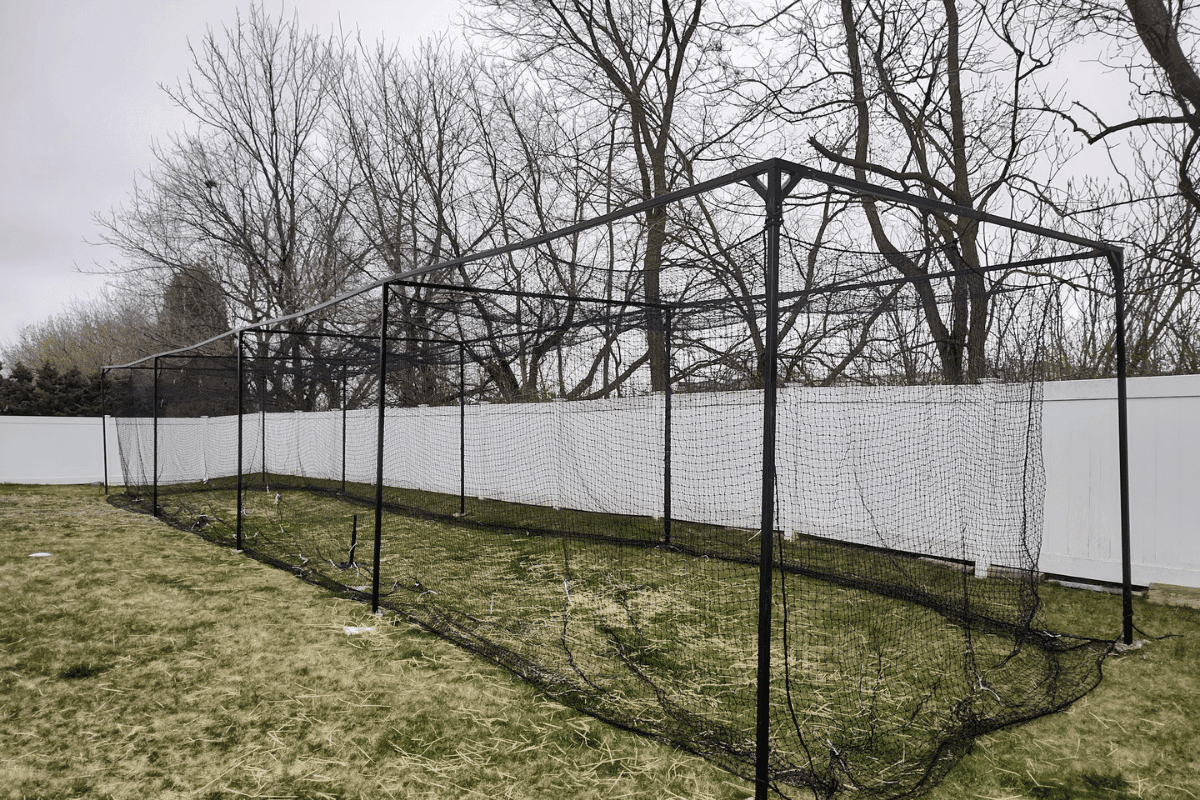
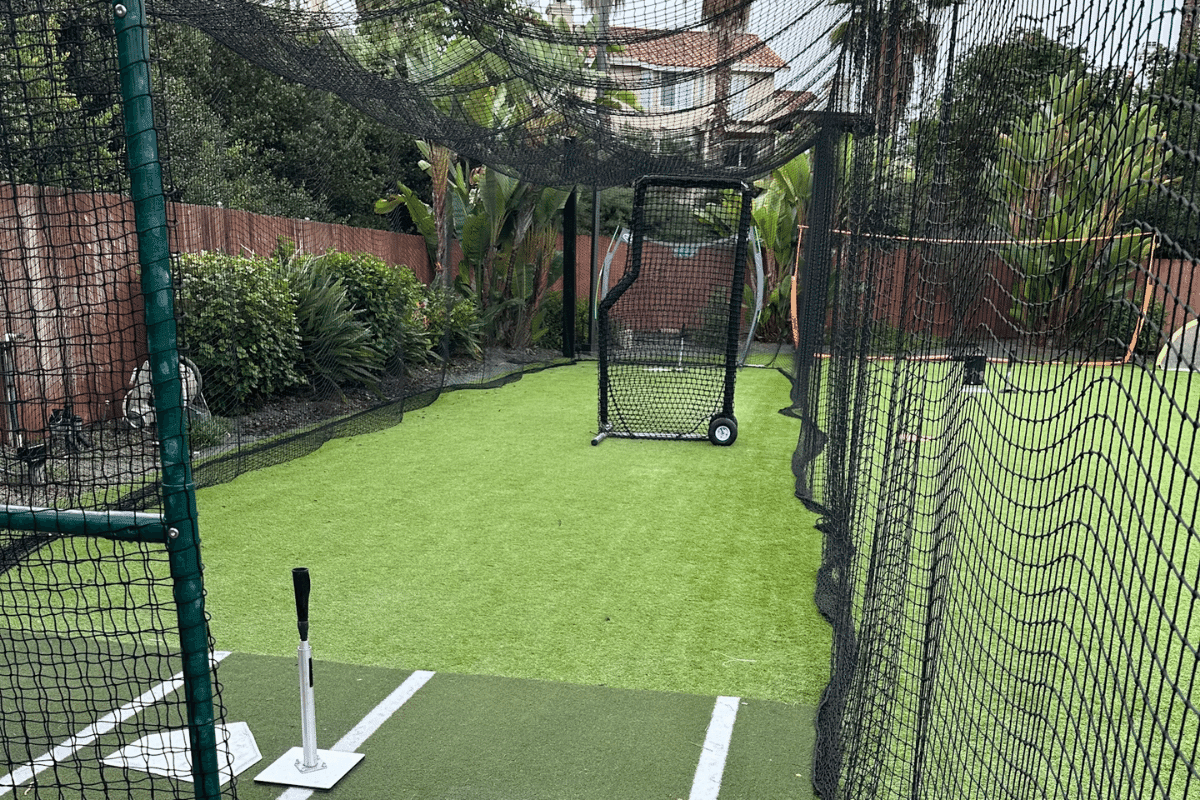
Portable frame kits are the most common budget-tier starting point.
Surface anchors without concrete footings define most budget builds.
Ideal for casual use, tee work, and players under 12.
Most mid-range cages handle machines up to 75 mph comfortably. Ensure the L-screen is rated for your machine class and that frame poles are spaced to allow machine placement without net contact.
Maintenance expectations
Net replacement every 5–8 years, annual frame bolt inspection, tension adjustment after winter, and turf brushing if installed. Budget $400–$800 for a full net swap.
Who builds these
Backyard custom builders, local steel fabricators, and experienced DIYers with 2–3 weekends to invest. Get quotes from a few local installers who specialize in this tier before committing.
Minimum 55 ft length for high school players; 70 ft for regulation training
L-screen or batter protection when a pitching machine is in use
Lighting adequate for the booked time slot if evening sessions are offered
Signed digital waiver collected before every CageList booking
Minimum dimensions by player level
Player level
Min length
Min width
Min height
Ages 6–10
35 ft
12 ft
10 ft
Ages 11–14
45 ft
12 ft
10 ft
High school
55 ft
14 ft
12 ft
College / pro training
70 ft
14 ft
12 ft
Planning a build from scratch? Our complete batting cage build guide covers permitting, DIY steps, and monetization. A dedicated how-to-build resource page is coming to /resources/how-to-build-a-batting-cage.
Knotted netting has knots locking each intersection — it is the strongest construction and the only one built for baseball. Knotless (woven diamond) netting is really untreated fishing net made for overseas fishing operations, not US sun or batted balls. Premium cages use square knotted netting, not knotless — always knotted square over woven square over diamond.
How much can I charge to rent my batting cage?
CageList hosts typically charge $15–30/hr for budget cages, $35–65/hr for mid-range setups, and $75–150/hr for premium facilities with turf, lighting, and technology. Rates vary by market, amenities, and availability. List your cage to see comparable local pricing.
What is a sock net / baffle net?
A sock net (baffle net) is a secondary net panel hung behind the batter to absorb ball impact before it hits the main back net. It reduces back-net wear by 60–70% and is standard on mid-range and premium cages. Budget kits often omit it — add one for $150–$300.
Can I rent a batting cage by the hour?
Yes. CageList lets you search and book batting cages by the hour in your area. Browse listings, check amenities and photos, and book instantly on cages with Instant Book enabled. No membership required.