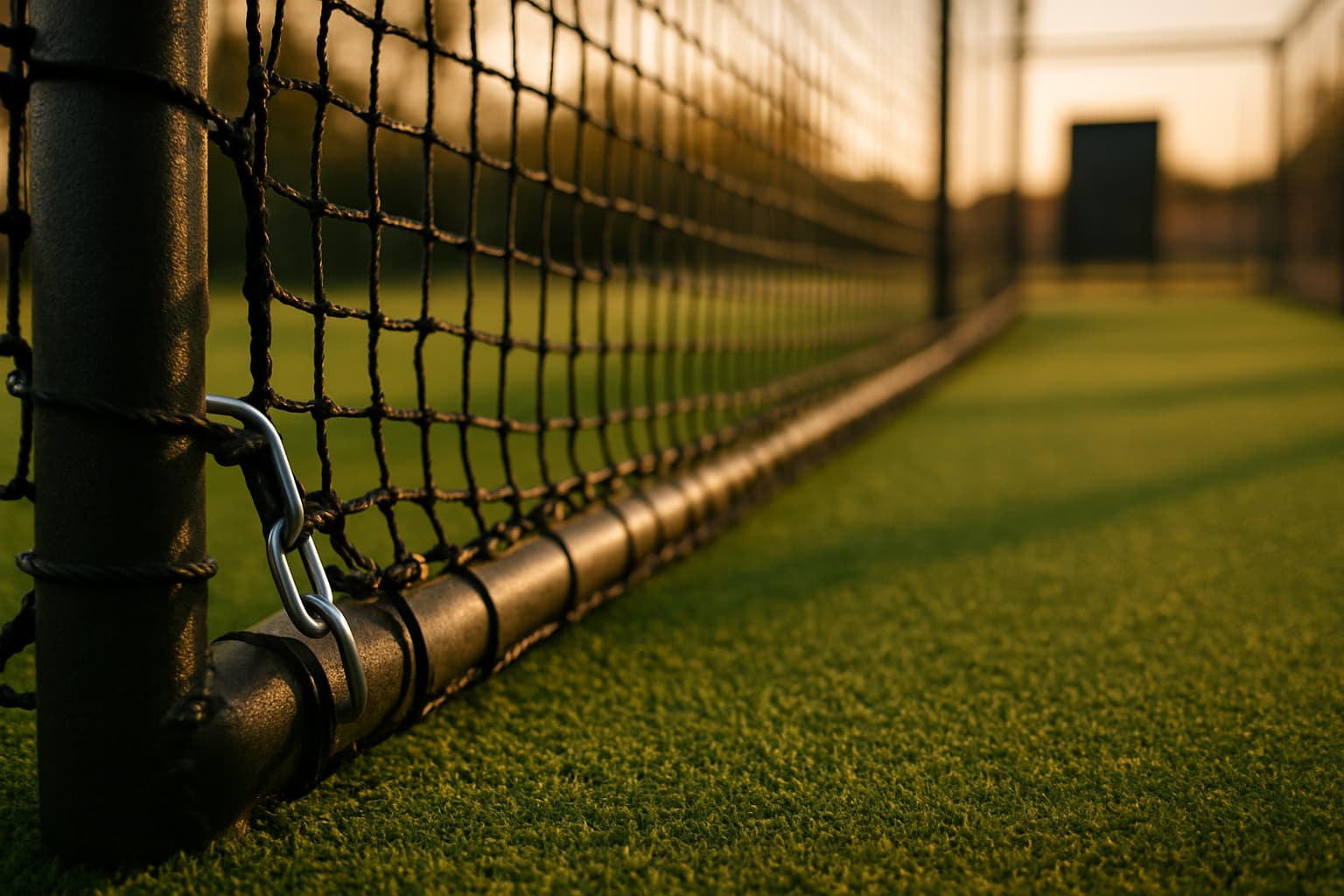
Turf is the difference between a cage you are proud of and one that turns to mud every spring. It protects hitters, speeds drainage, and makes a backyard or facility cage look and play like the real thing. Here is how to choose the right turf without overspending.
Why Turf Matters in a Cage
A good turf surface gives consistent footing, takes the beating of thousands of swings and bounced balls, and keeps dust and mud out of the hitting zone. In a rental cage, it is also a major driver of how professional your space feels to guests.
Face Weight and Pile Height
Face weight (ounces of yarn per square yard) is the best single indicator of durability. For a high-traffic hitting area, look for heavier face weights that resist matting. Pile height — how tall the blades are — affects feel: shorter piles play firm and fast and are easy to maintain, which is usually ideal for a hitting surface.
Fiber and Backing
Polyethylene fibers are softer and more realistic; nylon is the most durable and heat-resistant. For backing, a strong polyurethane or latex backing with good perforation lets water drain instead of pooling — critical for outdoor cages.
How Much Do You Need?
Measure your cage footprint and add a margin for seams and edges. Turf typically comes in 12'- and 15'-wide rolls, so planning your layout around roll width minimizes waste and seams in the hitting lane.
Infill: Yes or No?
Many cage owners run non-infill turf for a clean, low-maintenance hitting surface. Infill (sand or rubber) adds cushioning and helps blades stand up under heavy traffic, but adds cost and upkeep. For a dedicated hitting lane, a heavier non-infill turf is often the simplest choice.
The Bottom Line
Prioritize a heavy face weight, a shorter pile for a firm hitting feel, and strong perforated backing for drainage — then build a proper base under it. Planning a build? Run the numbers with the ROI calculator →
Keep exploring on CageList
- Compare batting cage quality tiers
- Learn how to hit off a pitching machine
- Try batting cage drills
- Find a cage to test your setup
Fit the gear to the hitter
For Best Batting Cage Turf: A Buyer's Guide, the right equipment choice depends on the hitter and the space. Younger players need confidence, simple setup, and safe reps. Older players may need more realistic speed, better feedback, or equipment that can handle heavier use. Hosts also need gear that renters can understand quickly.
Before buying, compare what real listings include on CageList. If the best local cages all mention a specific machine, tee, screen, lighting setup, or ball type, that is useful buying intelligence.
Best fit for CageList hosts
Best Batting Cage Turf: A Buyer's Guide is also relevant for hosts who want their cage to feel complete without overbuying. The right equipment should be durable, easy to explain, and appropriate for the players likely to use the space. Hosts should avoid gear that creates confusion, safety questions, or long setup time for guests.
When equipment is simple and clearly described, the listing feels more trustworthy and renters understand what kind of practice session they can plan.
Bottom line
Best Batting Cage Turf: A Buyer's Guide should leave the reader with a practical next step. For CageList, that means connecting the advice back to better practice access: compare nearby cages, understand what each space is best for, and choose the option that helps the player get more useful reps.
Build a better cage setup with the right equipment
Compare cage upgrades with practical advice for nets, turf, pitching machines, balls, and safety gear.
Related Guides
View all articles
Batting Cage Equipment
SKLZ Pitching Machine Review: Worth It at $80?
The SKLZ Pitching Machine is one of the cheapest real auto-feed machines on the market. Here is an honest look at what $80 gets you, the rest of the SKLZ lineup, and how it compares to Heater Sports Crusher and Personal Pitcher Pro.
Batting Cage Equipment
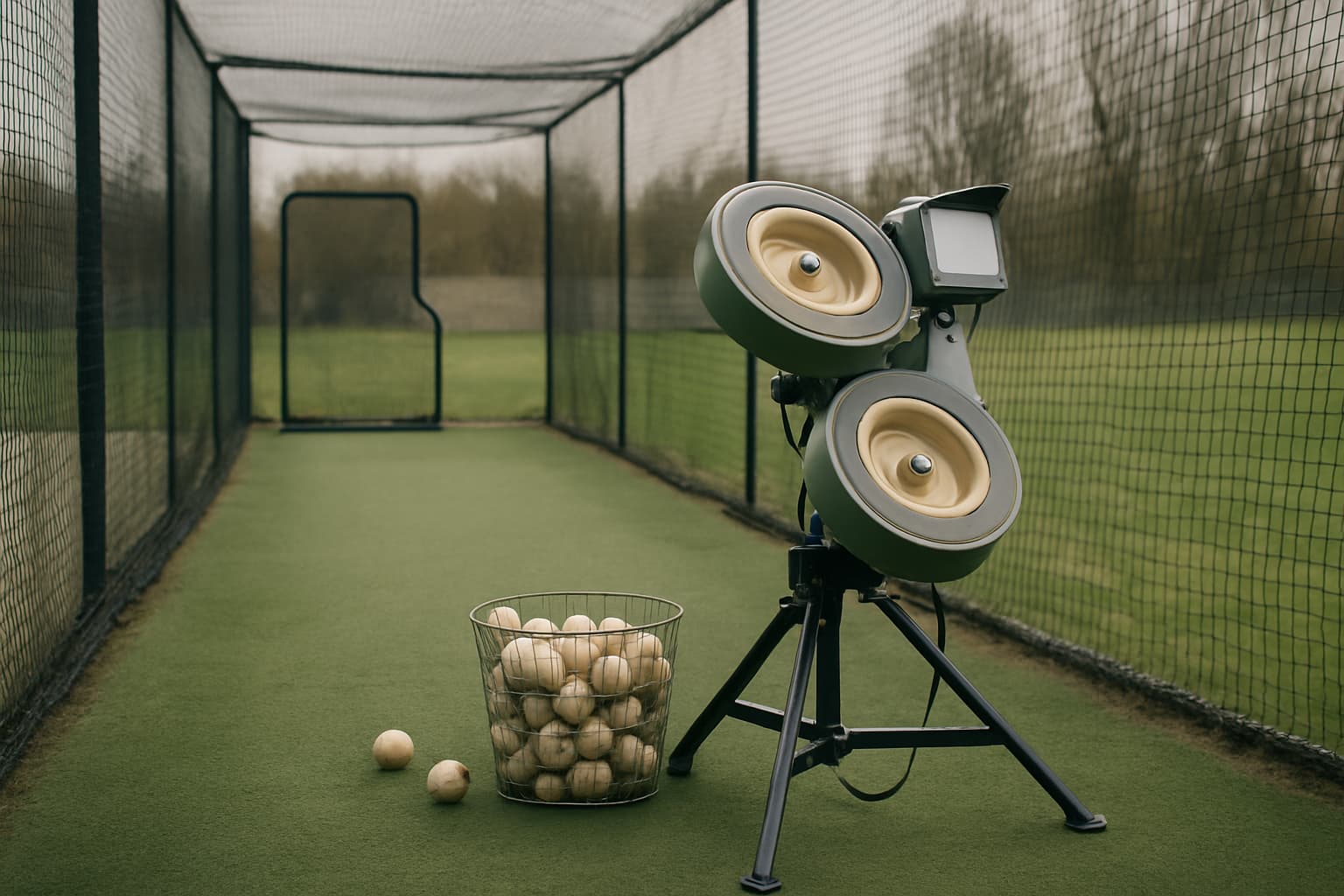
Heater Sports Pro Pitching Machine Review: The Best First Machine?
The Heater Sports Pro is one of the most common first pitching machines. Here is what its ~$500 price actually gets you, and how it compares to Louisville Slugger's Blue Flame and the Zooka ZS740.
Batting Cage Equipment
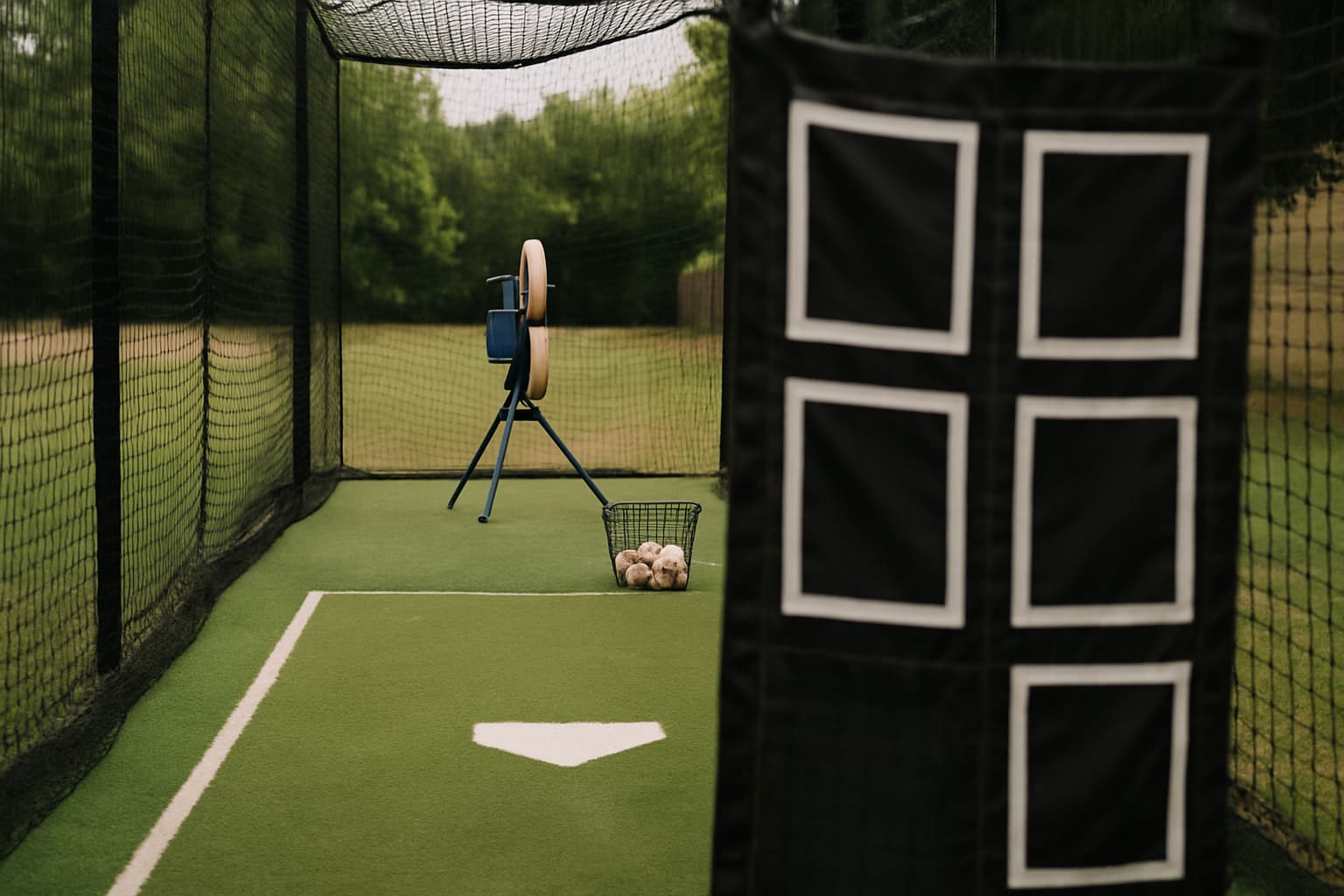
JUGS BP3 Review: The Pitching Machine That Actually Earned Us a Sale
The JUGS BP3 is the first pitching machine that earned CageList a real, confirmed commission. Here is what makes it different — Grip-Tite tires, automatic changeup switching, one-dial pitch selection — and how it compares to Hack Attack.
Run a travel team? Get your free page.
Baseball or softball. Claim a free directory page, post tryouts, and share cagelist.com/@yourteam with families.
Find your league
Free directories of real leagues and clubs near you — then book a batting cage to get your reps in before opening day.
1,000 organizations
Join the backyard batting cage community
Talk builds, gear, hosting and player development with cage owners, coaches, parents and baseball families.