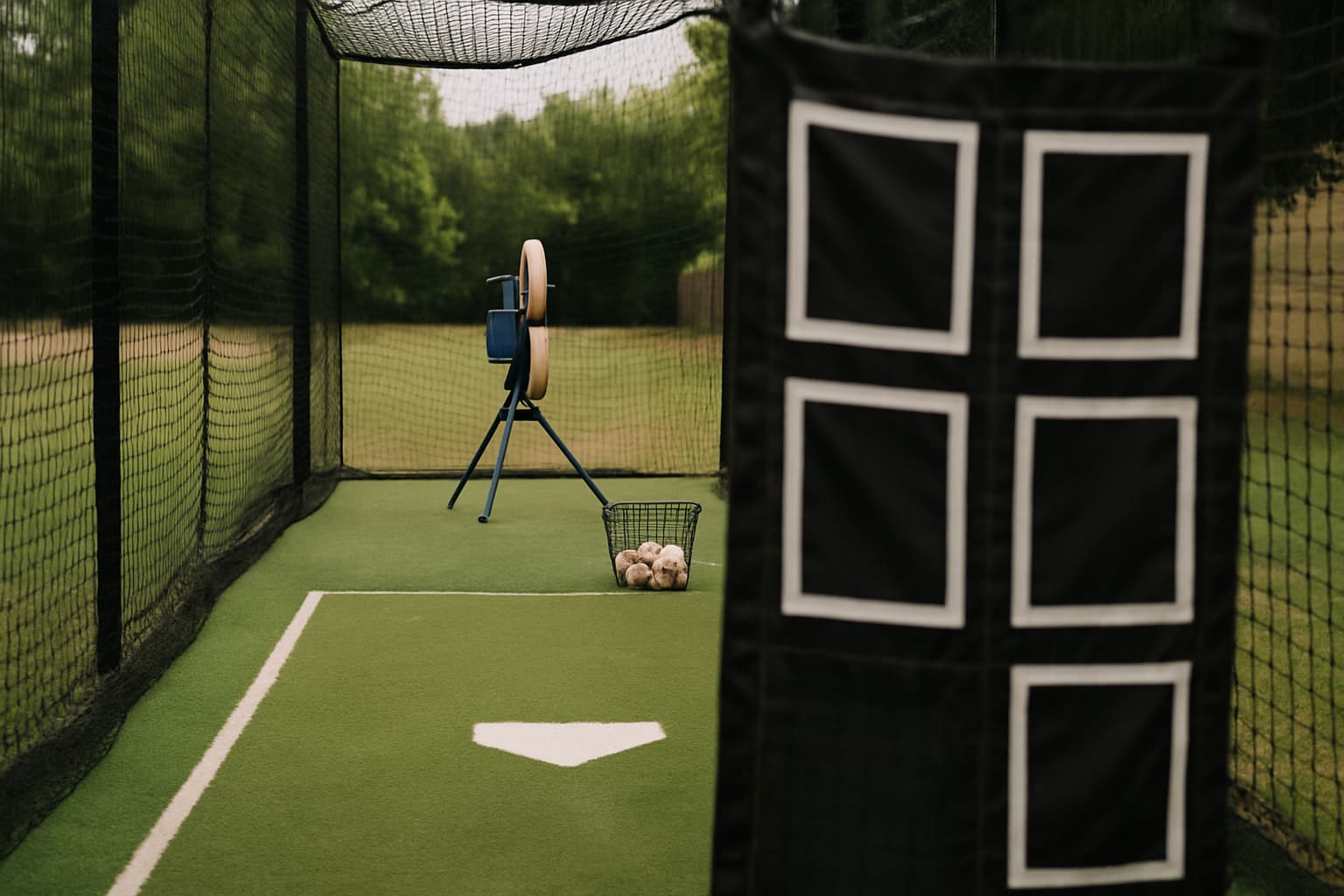
Most product write-ups tell you a machine is worth buying. We can actually show you: the JUGS BP3 is the first pitching machine that generated a real, confirmed sale through this site. That does not make it the right machine for everyone, but it earns it a serious, honest look — here is exactly what it does well, what it costs, and how it compares to the rest of the three-wheel field.
What Makes the BP3 Different
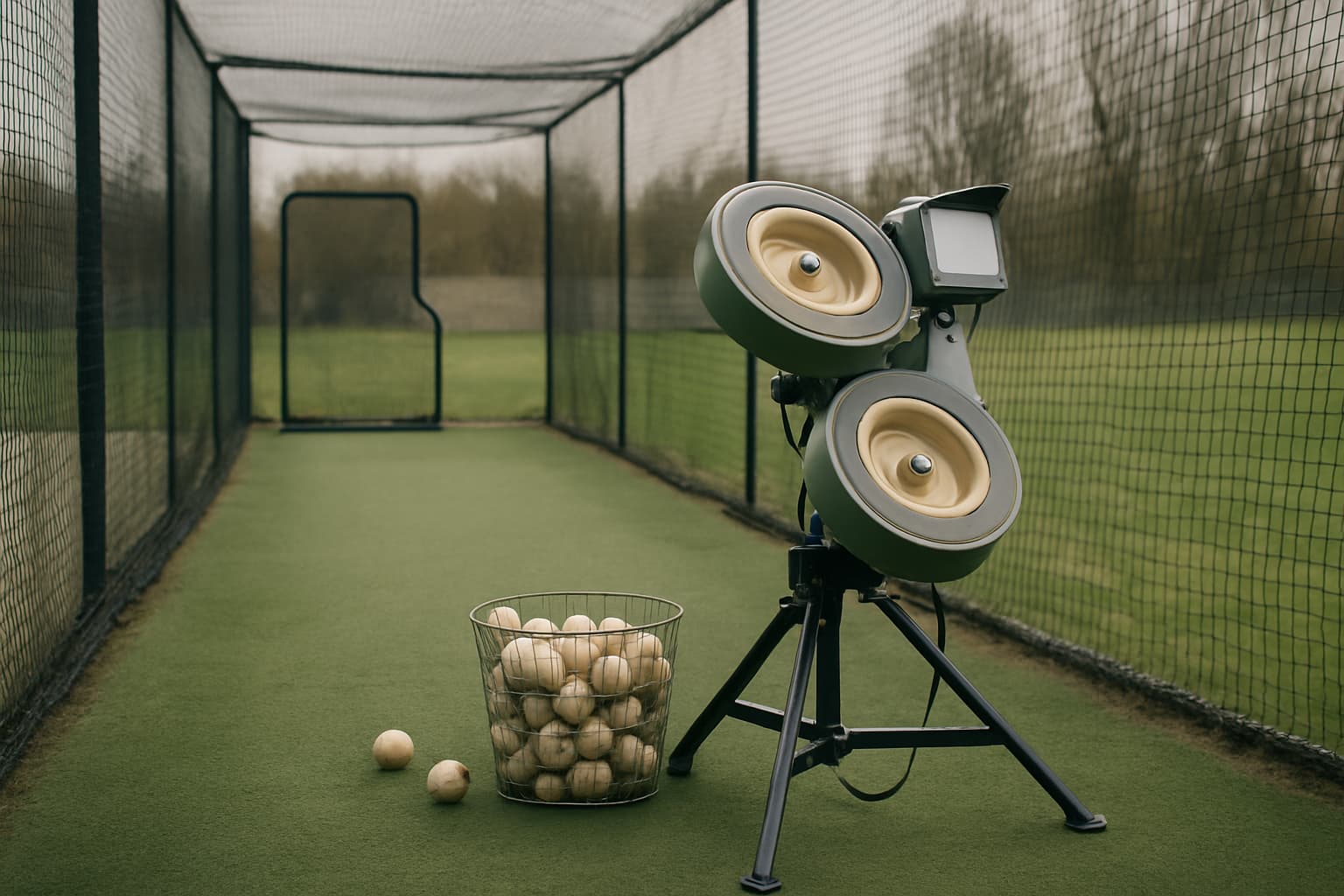
JUGS has been building pitching machines since 1970, and the BP3 is their flagship three-wheel model. A few things set it apart from a typical three-wheel machine:
- One dial, nine pitches. Instead of setting three separate wheel speeds by hand, the BP3 lets you dial in fastball, curveball (both hands), slider (both hands), split-finger, or automatic changeup switching — the machine adjusts all three wheels for you. That trades some fine-tuned control for real ease of use.
- Automatic changeup. The BP3 can switch from fastball to changeup speed on its own mid-session, which most three-wheel machines cannot do without a manual reset.
- Grip-Tite pneumatic tires. JUGS' 12" non-marking pneumatic tires are rated for roughly 20 years of life versus about 5 years for the solid tires most competitors use, and they hold pitch accuracy better over time since they will not melt, crack, or chunk.
- Digital speed display. A 3" LCD screen shows the exact pitch speed, useful for tracking a hitter's progress against a real number instead of a dial position.
Speed range runs 40 to 90 mph from a realistic 64" delivery height, which puts it solidly in the same performance tier as Hack Attack and ATEC.
Affiliate disclosure: As an Amazon Associate, CageList earns from qualifying purchases. Some links in this post are affiliate links — if you buy through them, CageList may earn a commission at no extra cost to you.
JUGS BP3 vs. Hack Attack: The Real Trade-Off
Both machines throw the same performance tier of pitches, but the way you control them is genuinely different. Hack Attack and ATEC give you a dedicated dial per wheel — more precise, but you have to learn what each combination of settings produces. The BP3's single dial with nine preset pitches is easier to hand to a parent or assistant coach who has never run a machine before, at the cost of some of that fine-tuned control. For the full breakdown of Hack Attack and its Junior model, see our Hack Attack vs. Junior Hack Attack comparison.
Pricing on the BP3 varies more than you would expect by retailer — commercial/team suppliers list it well above $6,000, while standard consumer pricing runs closer to the same range as Hack Attack. Always check the specific retailer before assuming one number is accurate.
If You Want Something Lighter or Less Expensive
JUGS also makes the Lite-Flite Machine — a 35-lb, single-wheel machine that throws up to 85 mph at 25 feet using lighter Lite-Flite balls, at a fraction of the BP3's price and weight. Since 2003, JUGS says 98% of Lite-Flite machines sold are still in use, which says something about how long these hold up even at the budget end of the lineup. It is a real step down in performance, not a smaller BP3 — but a legitimate option if the BP3's price or 3-wheel complexity is more than you need.
The Bottom Line
The BP3 earns its price with real engineering, not just a name — the Grip-Tite tire life and the automatic changeup switching are genuine, uncommon features, and the single-dial system is a real usability win for anyone who is not going to memorize per-wheel settings. If you specifically want the most granular control over each pitch's break, Hack Attack or ATEC's individual dials give you that instead. Either way, you are buying into full-size, regulation-baseball pitching — a different category from close-range hand-eye trainers like MaxBP. See our MaxBP review if you are still deciding between those two categories, or the full pitching machine buyer's guide for the complete picture.
Got the machine and the space? List your cage on CageList and let it pay for itself between your own sessions.
FAQ
Does the JUGS BP3 throw softballs too? JUGS sells a dedicated softball version of the BP3 built for the different ball and release point — the baseball model is not interchangeable.
How long do the BP3's tires actually last? JUGS rates its Grip-Tite pneumatic tires at roughly 20 years versus about 5 years for the solid tires most competing machines use.
Is the BP3 harder to use than Hack Attack? Not harder — different. The BP3's single dial with preset pitches is arguably easier for a first-time operator; Hack Attack's per-wheel dials give more control but take longer to learn.
What is the real price difference between BP3 and Hack Attack? Close enough that it should not be the deciding factor — check current pricing at your preferred retailer since both machines see meaningful price variation depending on where you buy.
Shop This Guide
CageList picks that match what this article covers — no extra searching required.
Affiliate disclosure: As an Amazon Associate, CageList earns from qualifying purchases.


Build a better cage setup with the right equipment
Compare cage upgrades with practical advice for nets, turf, pitching machines, balls, and safety gear.
Related Guides
View all articles
Batting Cage Equipment
SKLZ Pitching Machine Review: Worth It at $80?
The SKLZ Pitching Machine is one of the cheapest real auto-feed machines on the market. Here is an honest look at what $80 gets you, the rest of the SKLZ lineup, and how it compares to Heater Sports Crusher and Personal Pitcher Pro.
Batting Cage Equipment
Heater Sports Pro Pitching Machine Review: The Best First Machine?
The Heater Sports Pro is one of the most common first pitching machines. Here is what its ~$500 price actually gets you, and how it compares to Louisville Slugger's Blue Flame and the Zooka ZS740.
Batting Cage Equipment
Hack Attack vs. Junior Hack Attack: Which Sports Attack Machine Should You Buy?
Sports Attack sells two versions of its three-wheel Hack Attack machine. Here is the real difference in price, speed, and who each is built for — plus how Hack Attack compares to ATEC, JUGS BP3, and Spinball Wizard.
Run a travel team? Get your free page.
Baseball or softball. Claim a free directory page, post tryouts, and share cagelist.com/@yourteam with families.
Find your league
Free directories of real leagues and clubs near you — then book a batting cage to get your reps in before opening day.
1,000 organizations
Join the backyard batting cage community
Talk builds, gear, hosting and player development with cage owners, coaches, parents and baseball families.