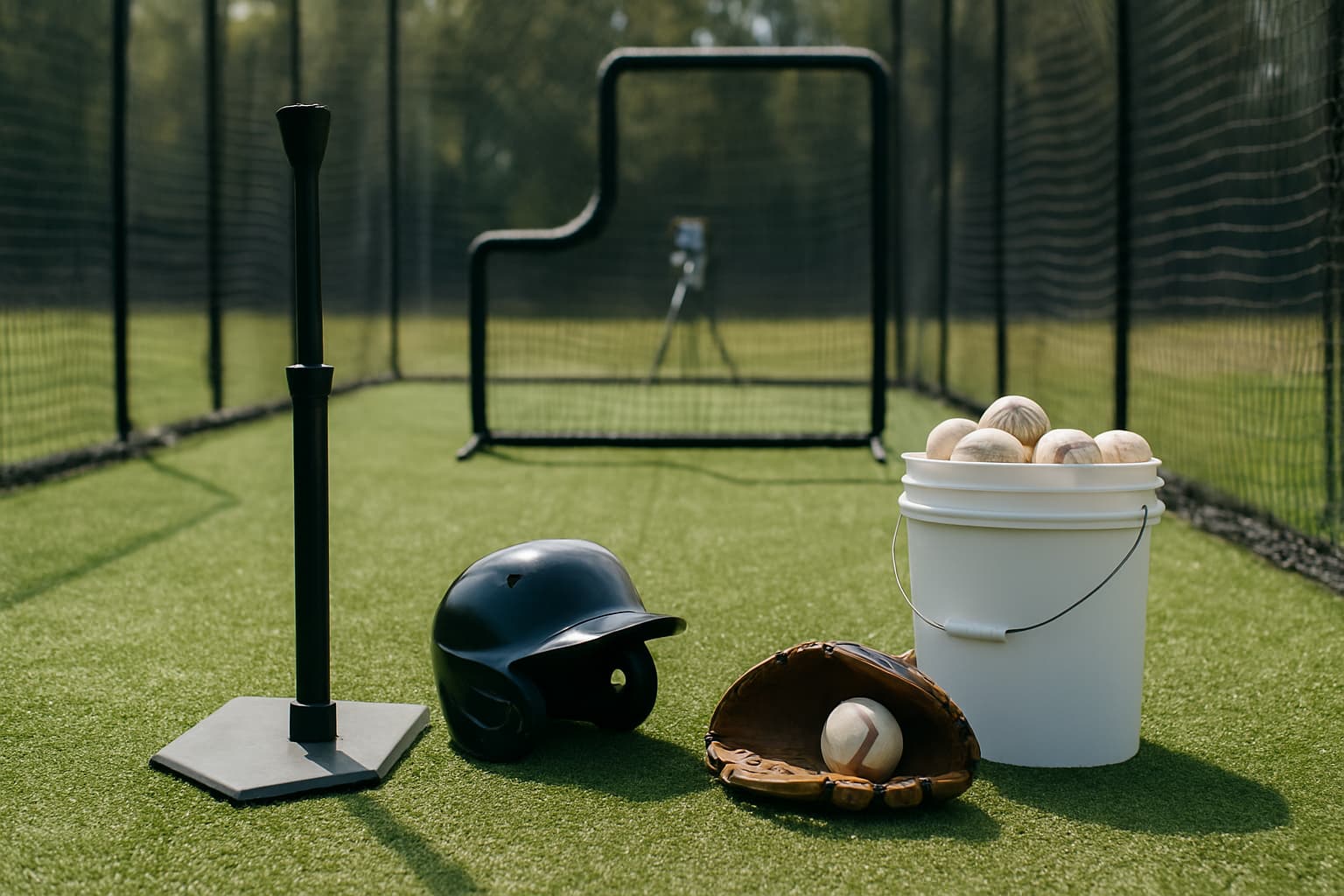
If you have scrolled Instagram or TikTok for more than five minutes lately, you have probably seen a MaxBP ad — a compact machine firing small balls at a hitter standing just a few feet away. It is one of the most heavily marketed pieces of training equipment in baseball right now, and for good reason: it does something a regular pitching machine does not. Here is exactly what it is, what it costs, how it compares to the rest of the market, and whether it is worth buying.
What MaxBP Actually Is (And Is Not)
MaxBP is not a regular pitching machine. A JUGS or Hack Attack machine feeds full-size baseballs from 40 to 55 feet to simulate a real pitcher. MaxBP does the opposite: it fires golf ball-sized training balls from close range — usually 10 to 15 feet — at speeds calibrated to feel like 35 to 140+ mph from that distance. The smaller ball and shorter distance force a hitter to pick up the ball earlier and track it more precisely than a regulation baseball ever requires. Step back into the box against a real pitch after a MaxBP session, and the ball looks noticeably bigger and slower — that is the whole point.
In other words: MaxBP is a hand-eye coordination and reaction-training tool, not a batting-practice replacement. It builds a skill that live BP does not directly train, which is exactly why it has become so popular alongside — not instead of — regular hitting work.
MaxBP Original vs. MaxBP Pro: What You Are Actually Paying For
MaxBP sells two models, and the price gap is real enough to matter:
| Machine | Price | Speed Range | Pitch Types | Feed Rate |
|---|---|---|---|---|
| MaxBP Original | ~$590 | 35–140 mph equivalent | Fastball, curveball (both directions) | Standard |
| MaxBP Pro | ~$740–$1,005 | Up to 140+ mph (Super Turbo mode) | Fastball, curveball, slider, cutter | Up to 1 ball/second |
The Original covers the fundamentals well and is where most families and mid-level teams land. The Pro's real upgrade is pitch variety — sliders and cutters are not just more of the same, they train a different read — plus the faster feed rate, which matters more for a team station running through a lot of reps than for one hitter working alone in a garage.
Affiliate disclosure: As an Amazon Associate, CageList earns from qualifying purchases. Some links in this post are affiliate links — if you buy through them, CageList may earn a commission at no extra cost to you.
How MaxBP Stacks Up Against the Rest of the Market
MaxBP is not the only reaction-training machine out there, and if you are comparing options before you buy, here is how the real competitors line up:
| Machine | Price | Speed Range* | Pitch Types | Ball Type | Best For |
|---|---|---|---|---|---|
| MaxBP Original | ~$590 | 35–140 mph | Fastball, curveball | MaxBP mini balls | Serious hitters, teams building a real station |
| MaxBP Pro | ~$740–$1,005 | Up to 140+ mph | + Slider, cutter | MaxBP mini balls | Advanced hitters, facilities |
| Personal Pitcher Pro | ~$150–$450 | 15–95 mph | Fastball, curveball, slider, soft toss | Golf ball-size wiffle balls | MaxBP-style training on a tighter budget |
| Heater Sports Crusher | ~$100 | 15–45 mph | Fastball, curveball | Mini lite-balls | First reaction-trainer, younger kids, casual use |
*Effective/perceived speed at close range, not raw machine speed.
Personal Pitcher Pro is the closest real substitute for MaxBP — same concept, same category, noticeably lower price — and it is the one most people cross-shop before buying. It tends to get more mixed reviews on build quality and battery life than MaxBP does, which is a real part of why MaxBP costs more: the extra money buys durability and consistency, not just a brand name. Heater Sports Crusher sits at the true entry-level price point — a reasonable way to find out whether this style of training clicks for your hitter before spending MaxBP money.
If You Want Standard-Ball Reps Instead
MaxBP and its rivals all use undersized training balls on purpose — that is the mechanism, not a limitation. But if what you actually want is a machine that throws regulation baseballs or softballs for full batting practice, you are looking at a different category entirely. Our full breakdown of that side of the market covers the best pitching machines overall, including the JUGS BP3 and Sports Attack Hack Attack (full review) — the three-wheel machines serious programs train on. On a tight budget, the Louisville Slugger Blue Flame throws real baseballs and softballs with no batteries required, for well under $200.
The Bottom Line
MaxBP earns its ad budget honestly — it trains a real, specific skill (pitch recognition and hand-eye coordination) that a regular pitching machine or live BP does not directly build, and it genuinely works across ages from first-time hitters to adults. The Original is the right starting point for most people; only step up to the Pro if you specifically want sliders and cutters or you are outfitting a team station that needs the faster feed rate. If price is the sticking point, Personal Pitcher Pro gets you the same training concept for meaningfully less, and Heater Sports Crusher is a fair way to test the idea for about $100 before committing further.
Want to put the reps somewhere real? Once you have the machine, book cage time near you or, if you have already got the space, list your own cage and let the setup pay for itself between sessions.
FAQ
What kind of balls does MaxBP use? MaxBP fires its own golf ball-sized training balls, not regulation baseballs or softballs — the smaller size is what forces the hand-eye coordination benefit.
Is MaxBP good for advanced or adult hitters, or just kids? Both. The speed range runs from beginner-friendly up to well past high velocity, and the Pro model's slider and cutter settings are specifically built for advanced hitters, not youth players.
MaxBP vs. Personal Pitcher Pro — which should I buy? They train the same skill. MaxBP costs more but has a stronger reputation for build quality and consistency; Personal Pitcher Pro gets you a similar concept for less if budget is the deciding factor.
Does MaxBP replace regular batting practice? No — it is a supplement. Pair it with real reps against a standard pitching machine or live pitching, not instead of them.
Build a better cage setup with the right equipment
Compare cage upgrades with practical advice for nets, turf, pitching machines, balls, and safety gear.
Related Guides
View all articles
Batting Cage Equipment
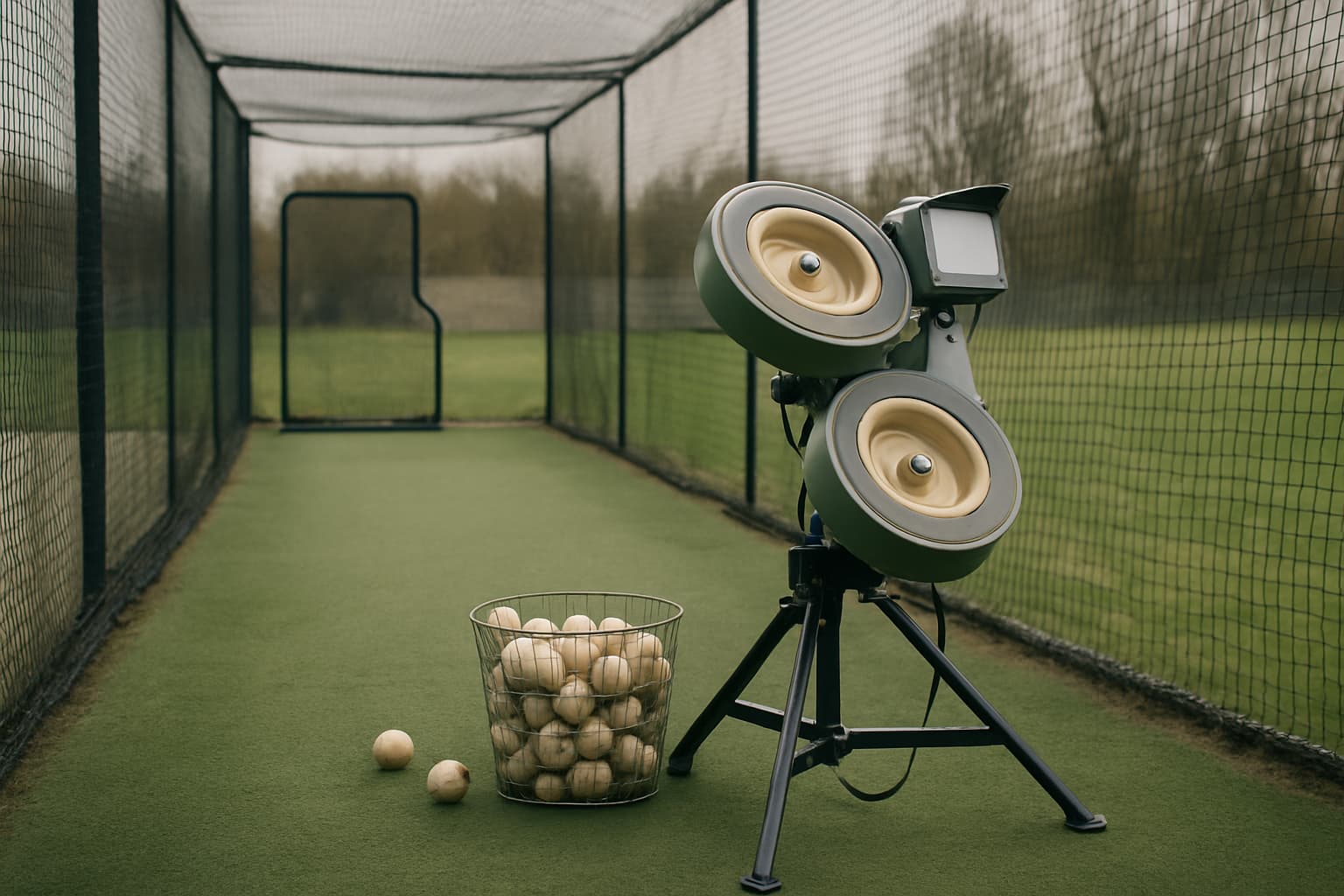
SKLZ Pitching Machine Review: Worth It at $80?
The SKLZ Pitching Machine is one of the cheapest real auto-feed machines on the market. Here is an honest look at what $80 gets you, the rest of the SKLZ lineup, and how it compares to Heater Sports Crusher and Personal Pitcher Pro.
Batting Cage Equipment
Heater Sports Pro Pitching Machine Review: The Best First Machine?
The Heater Sports Pro is one of the most common first pitching machines. Here is what its ~$500 price actually gets you, and how it compares to Louisville Slugger's Blue Flame and the Zooka ZS740.
Batting Cage Equipment
JUGS BP3 Review: The Pitching Machine That Actually Earned Us a Sale
The JUGS BP3 is the first pitching machine that earned CageList a real, confirmed commission. Here is what makes it different — Grip-Tite tires, automatic changeup switching, one-dial pitch selection — and how it compares to Hack Attack.
Run a travel team? Get your free page.
Baseball or softball. Claim a free directory page, post tryouts, and share cagelist.com/@yourteam with families.
Find your league
Free directories of real leagues and clubs near you — then book a batting cage to get your reps in before opening day.
1,000 organizations
Join the backyard batting cage community
Talk builds, gear, hosting and player development with cage owners, coaches, parents and baseball families.