The Honest Batting Cage Netting Breakdown: Budget, Mid-Grade, and Done Right
Let's kill the confusion. Netting is where most cage builders either waste money buying cheap and replacing it constantly, or overspend on commercial-grade net for a cage that sees 3 hours of use a week. Here is the real breakdown by tier, with actual vendors and actual prices.
First — understand what the numbers mean
Batting cage netting is rated by twine thickness called ply or gauge. The higher the number, the thicker the twine, the stronger and longer-lasting the net.
#21 — light duty. Backyard tee work, young kids, no pitching machine.
#36 — recreational. Youth players, slower machines, moderate outdoor use.
#42 — serious. High school through adult, machines up to 80–90 mph, the MLB batting practice standard.
#60 — commercial. The minimum for any rental cage, daily heavy use, machines up to 100 mph.
#96 — professional facility. Overkill for 99% of backyard setups.
Also critical: material matters as much as gauge.
HDPE (High Density Polyethylene): naturally waterproof, UV-resistant, lower cost, slightly less durable than nylon at equivalent gauge. The right choice for outdoor cages in wet climates.
Nylon: stronger at equivalent gauge, better ball absorption, longer lifespan — but requires UV treatment or dipping to handle outdoor use. The right choice for covered and indoor setups or anywhere you want maximum longevity.
Polyester (West Coast Netting's specialty): stronger and more abrasion-resistant than nylon, excellent UV resistance. Less common but worth knowing about for high-wear applications.
TIER 1 — THE WALMART / AMAZON ROUTE
Best for: family-only backyard use, tee work, rec ball kids, no rental use
This is the Jones-Sports or Cimarron route. You will find #42 HDPE (marketed as 60-ply) nets for a 70x14x12 cage in the $650–$900 range on Amazon, eBay, and Walmart.
Jones-Sports #42 HDPE 60-ply (12x12x55): ~$600 on eBay
Cimarron #42 Twisted Poly (70x12x12): $859 on Walmart
SELECT Premium #42 HDPE (70x14x12): $889 from baseballbattingcages.com
What you get: a solid net for family use. UV and weather protection embedded during manufacturing (not a surface coating), decent rope borders, door flap included. Life expectancy: 5–8 years with family use, 2–4 years under regular rental traffic.
What you do not get: the rope border construction, custom sizing, or impact absorption quality of a commercial netting company. These nets are manufactured overseas, typically India or China, to a price point.
Bottom line: fine for a family cage. Not appropriate for a rental cage on CageList. If a renter is hitting 85 mph off a Hack Attack three times a week, this net will show wear in 18–24 months.
TIER 2 — THE MID-GRADE SWEET SPOT
Best for: serious family use, light rental hosting, travel ball players
This is where companies like Netting Pros, Batting Cages Inc., Practice Sports (FlexNets), and Anytime Baseball Supply live. You are getting a legitimate commercial-grade #42 true nylon net — not HDPE — with proper rope border construction, UV bonding, and a door system designed for daily use.
FlexNets #42 Nylon 12x14x70 (Practice Sports): ~$1,100–$1,300
Netting Pros #42 TK Nylon 12x14x70: ~$900–$1,100
Anytime Baseball Supply #42 Nylon 70ft: ~$950–$1,200
What you get: twisted knotted nylon construction, UV and weather resistant bonding built into the fiber — not a surface coat that flakes — proper rope borders, midline roof rope, and door flap with safety overlap. These are the nets that MLB teams use for batting practice tunnels.
Life expectancy: 6–10 years under moderate rental use. Backed by real warranties from companies with 20+ years in the industry.
This is the minimum acceptable net for a CageList rental cage.
TIER 3 — THE COMMERCIAL / DONE RIGHT ROUTE
Best for: rental hosts, two-tunnel setups, heavy daily use, covered structures with machine traffic
This is where you are looking at #60 true nylon from specialty netting companies. The price jump is real — but so is the difference.
Netting Pros #60 TK Nylon 12x14x70: $2,362 (confirmed current price)
FlexNets #60 Nylon (Practice Sports): $1,800–$2,200 depending on size
Better Baseball custom #60: quote-based, typically $1,800–$2,500
What you get: the commercial facility standard. This is what indoor training facilities, universities, and professional organizations install when they need a net to handle thousands of swings per week for a decade without replacement. Thicker twine means better ball absorption, less wear at contact points, and significantly longer life under heavy machine use.
Life expectancy: 10–15 years under daily commercial use. For a rental cage running 20–30 hours per week, you are buying this net once.
The ROI math: a $2,362 #60 net on a rental cage charging $50/hour and booking 20 hours per week pays for itself in 2.5 weeks of bookings. Over a 10-year lifespan it costs you $4.50 per week. The $889 HDPE net that needs replacing every 3 years under rental use costs you nearly the same over a decade — with the added risk of mid-session failure.
TIER 4 — CUSTOM NETTING COMPANIES
Best for: non-standard dimensions, two-tunnel builds, professional-grade builds, anyone who wants it done exactly right
If your cage is non-standard dimensions, you want the best possible construction, or you are building a multi-tunnel operation — go custom. These companies will spec your exact dimensions, advise on the right material for your specific use case, and manufacture to order.
The reputable custom netting companies in the US:
Christensen Net Works (cnwnetting.com) — USA-made, used by
colleges and pro organizations, custom batting cage and backstop specialists. Call for quote.
West Coast Netting (westcoastnetting.com) — manufactures in
polyester rather than nylon, which they argue (correctly) is stronger and more UV-resistant. Five knotted sizes from K21T through K96T. Custom dimensions, call for quote.
InCord (incord.com) — USA-made, ISO-certified manufacturing,
used by MLB facilities and universities. Premium tier, call for quote. Budget $2,500–$4,000+ for a custom 70x14x12 in their commercial spec.
US Netting (usnetting.com) — offers custom nylon netting
priced per square foot with an online calculator. Transparent pricing, good for comparison shopping.
On Deck Sports (ondecksports.com) — uses inside-out UV dyeing
technology, meaning UV protection is embedded into each strand rather than surface-coated. Ceiling ropes in both directions standard. Premium construction, $1,500–$2,500 range for a standard 70x14x12.
What custom gets you that off-the-shelf does not: exact dimensions with proper overhang built in, material selection advice from actual experts, superior rope border construction, and a manufacturer who stands behind the product long-term.
THE VERDICT FOR CAGELIST HOSTS
If you are building a rental cage and listing on CageList, here is the clear recommendation:
Minimum: #42 true nylon from a reputable mid-grade supplier (Netting Pros, Practice Sports, Batting Cages Inc.) — budget $900–$1,300 for a 70x14x12.
Recommended: #60 nylon from a specialty supplier (Netting Pros, Practice Sports, On Deck Sports) — budget $1,800–$2,400 for a 70x14x12.
Best: Custom spec from Christensen Net Works, West Coast Netting, InCord, or On Deck Sports — budget $2,000–$4,000 depending on dimensions and material spec.
Do not use HDPE/polyethylene nets from Amazon or Walmart for a rental cage. The cost savings over 3–5 years are negligible compared to the liability risk and the review damage from a net that shows wear or fails under regular rental use.
Buy the net once. Buy it right.
Ready to build a rental-ready cage? Find batting cage builders near you who spec and install nets for CageList hosts — or list your existing cage free and start earning today.
Not sure what your setup could earn? Run the ROI calculator — it takes under 3 minutes.
Build a better cage setup with the right equipment
Compare cage upgrades with practical advice for nets, turf, pitching machines, balls, and safety gear.
Related Guides
View all articles
Batting Cage Equipment
SKLZ Pitching Machine Review: Worth It at $80?
The SKLZ Pitching Machine is one of the cheapest real auto-feed machines on the market. Here is an honest look at what $80 gets you, the rest of the SKLZ lineup, and how it compares to Heater Sports Crusher and Personal Pitcher Pro.
Batting Cage Equipment
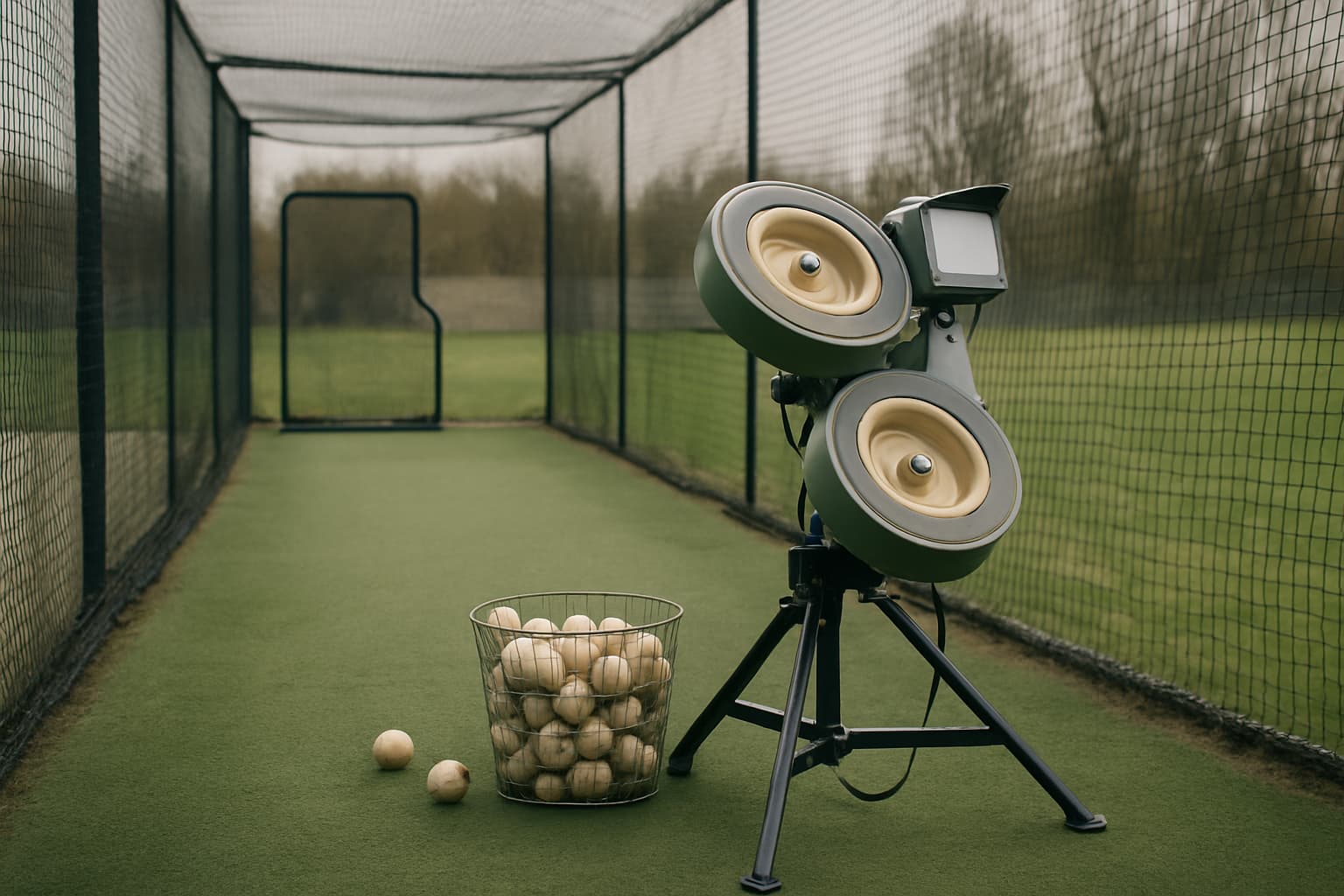
Heater Sports Pro Pitching Machine Review: The Best First Machine?
The Heater Sports Pro is one of the most common first pitching machines. Here is what its ~$500 price actually gets you, and how it compares to Louisville Slugger's Blue Flame and the Zooka ZS740.
Batting Cage Equipment
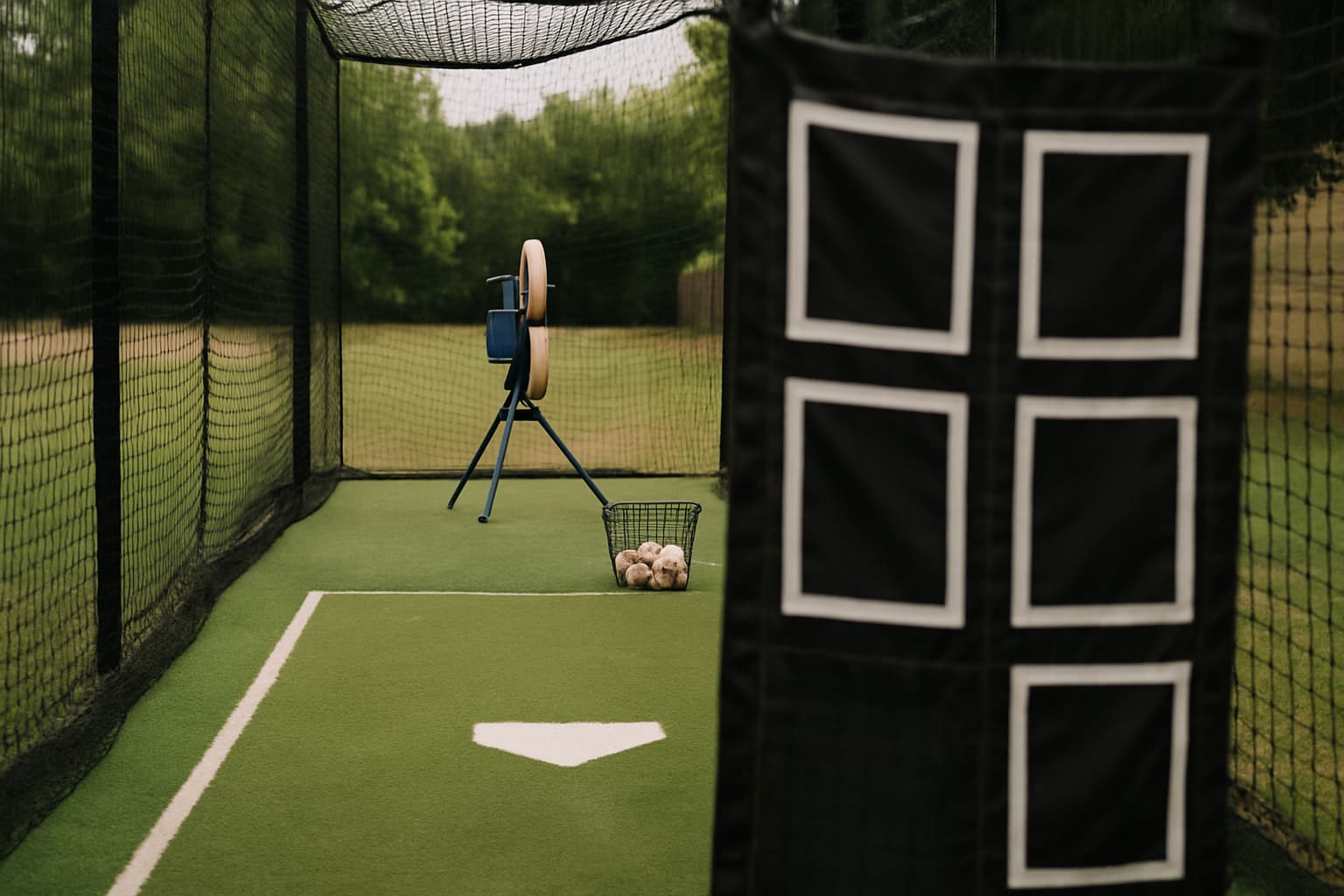
JUGS BP3 Review: The Pitching Machine That Actually Earned Us a Sale
The JUGS BP3 is the first pitching machine that earned CageList a real, confirmed commission. Here is what makes it different — Grip-Tite tires, automatic changeup switching, one-dial pitch selection — and how it compares to Hack Attack.
Run a travel team? Get your free page.
Baseball or softball. Claim a free directory page, post tryouts, and share cagelist.com/@yourteam with families.
Find your league
Free directories of real leagues and clubs near you — then book a batting cage to get your reps in before opening day.
1,000 organizations
Join the backyard batting cage community
Talk builds, gear, hosting and player development with cage owners, coaches, parents and baseball families.