Site evaluation & drainage
A good builder starts at your site, not a catalog. They assess grade, soil, drainage, sun angle, access, and setbacks before quoting, because water and a level base decide how long the cage lasts.
When to hire a pro, how to vet one, the exact questions to ask before you sign, and the red flags that mean walk away, so you build once and build it right.
Updated July 2026
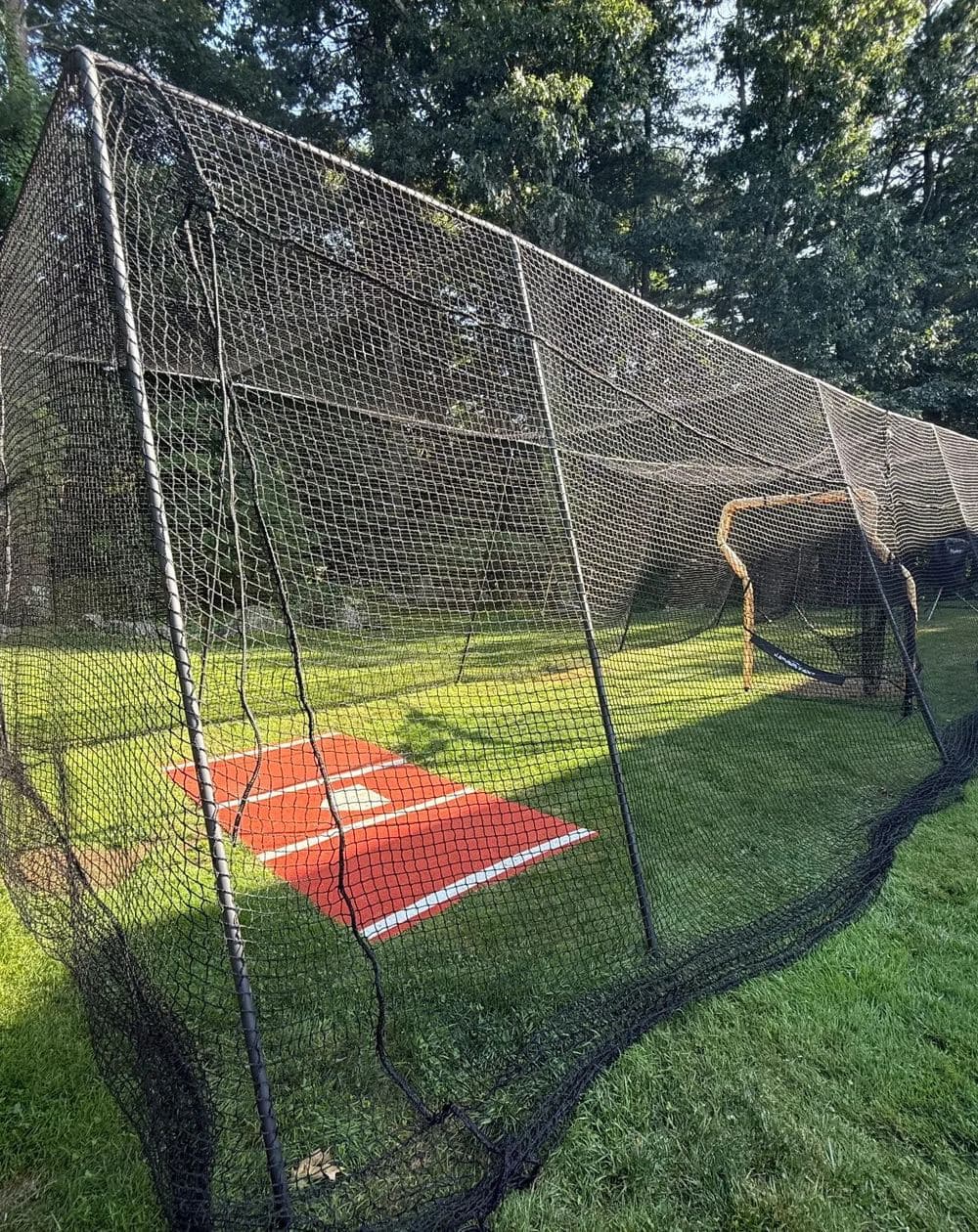
A batting cage is a real construction project: footings, framing, drainage, netting, and often electrical. Hire the right builder and you get a cage that lasts a decade and is safe to rent. Hire the wrong one and you're paying twice. This guide shows you when a pro is worth it, how to vet one, exactly what to ask, and the red flags that mean walk away.
Weighing DIY first? Our batting cage build guide covers costs, dimensions, and the full build sequence. Come back here when you're ready to bring in help.
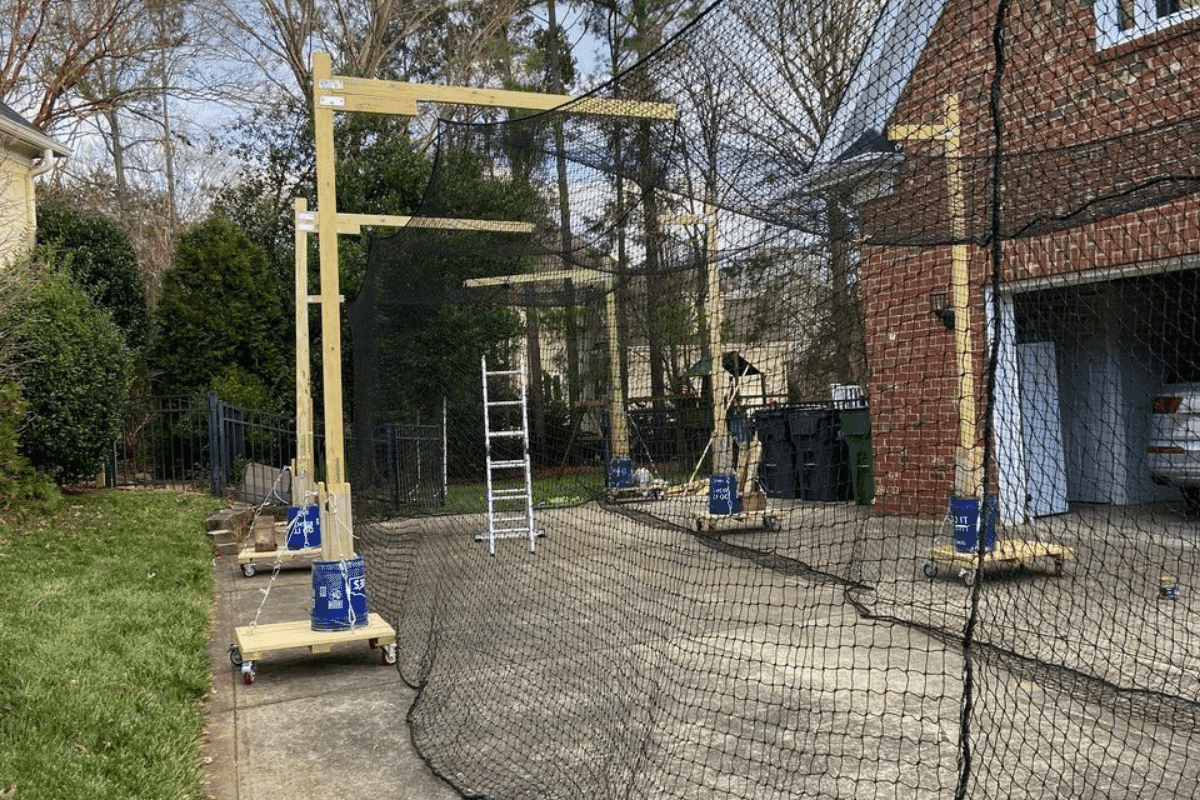
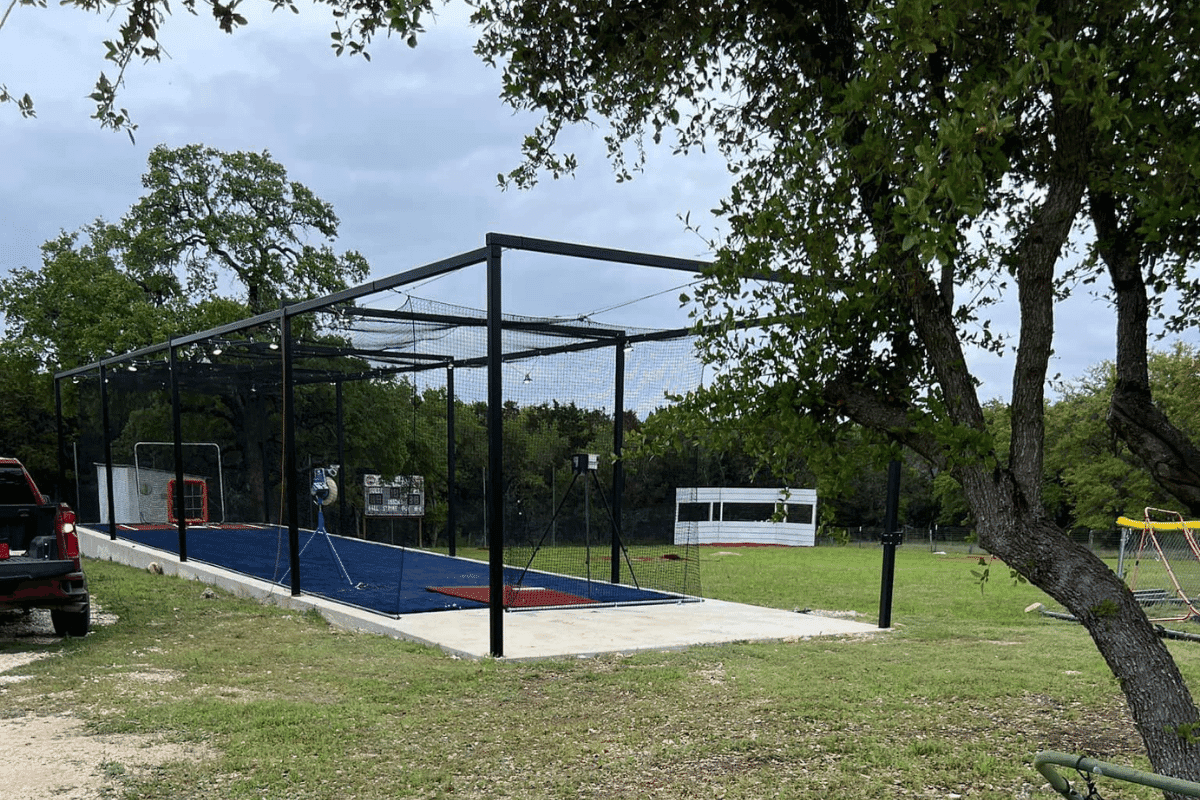
"Builder" can mean anything from a handyman with a net to a full-service crew. Here's the scope a real cage builder should own.
A good builder starts at your site, not a catalog. They assess grade, soil, drainage, sun angle, access, and setbacks before quoting, because water and a level base decide how long the cage lasts.
Concrete footings and a square, properly anchored steel frame are what separate a cage that survives a decade from one that sags in a year. Ask how they anchor for your soil and wind.
They should spec netting gauge to your use (machine speeds and older hitters need heavier netting) and handle turf, mats, or base prep so the hitting surface drains and wears well.
If you want evening use (the highest-demand rental window), permanent lighting needs a licensed electrician and often a permit. A full-service builder coordinates this or tells you who will.
Structure height, footprint, electrical, and HOA rules vary by city. A pro should know local requirements and tell you clearly who is responsible for pulling permits.
DIY makes sense for a portable or bolt-together kit on flat, well-draining ground when you have helpers and a weekend. Hire a professional when the project involves grading, drainage, concrete footings, permanent lighting, high-wind anchoring, or when you want a warranty-backed, turnkey result. See our build guide for the full DIY vs. pro breakdown.
As a planning range, a durable host-ready cage often lands around $8,000–$15,000, while premium or fully turnkey builds with turf, drainage, lighting, and professional installation can exceed $30,000. Site prep, electrical, freight, and material quality move the number most. Always get itemized quotes from multiple builders.
Confirm they're licensed and insured, ask for a portfolio and references you can verify, and require a written, itemized quote with a clear scope and warranty. Ask who pulls permits and who handles the electrical. Walk away from anyone who won't put the scope in writing or demands a large deposit with no milestones.
Ask whether they've built your size and use case before, how they anchor and footing for your soil and wind, what netting they recommend and why, whether lighting and a licensed electrician are included, who pulls permits, exactly what the warranty covers, the payment schedule, and what could change the final price once they're on site.
Full-service builders usually coordinate permits and bring in a licensed electrician for permanent lighting, but this varies, so confirm it in writing. Permit requirements depend on structure height, footprint, electrical work, and local/HOA rules, so never assume an exemption applies.
Search for local batting-cage or sports-facility contractors, and ask general contractors in your area for referrals; cage builds share a lot with pole-barn and outdoor-structure work. Get quotes from at least a few and compare itemized bids to understand fair pricing and scope for your specific site.
Our step-by-step guide covers dimensions, materials, permits, and a safer build sequence, whether you DIY or hand it to a pro.