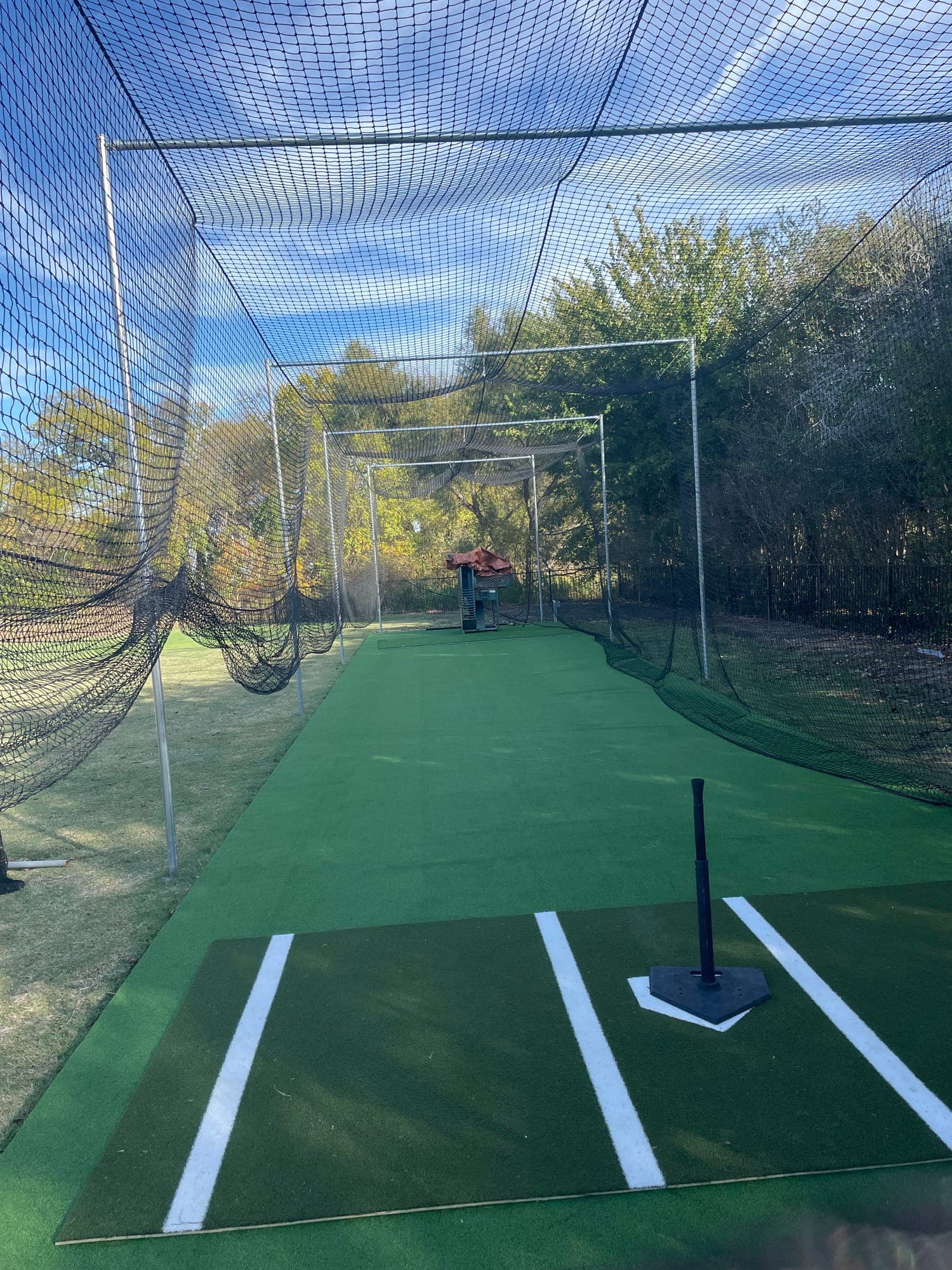
If you are going to invest real money in a backyard or league batting cage, build it like it will be used without you standing at the gate every hour. Self-entry is not laziness — it is how serious cages become neighborhood infrastructure instead of a personal hobby that only runs when you are free.
I have watched too many good builds under-earn because access was a text message, a garage code shared in a group chat, or a host who had to be home for every booking. We want the opposite: rent-ready design from day one, with clear rules and a path to return on the investment.
Why self-entry is the design goal
On CageList, the highest-friction hosts are the ones who treat every session like a playdate. The hosts who stay booked treat the cage like a small facility: guests know how to arrive, where to park, how to get in, what is allowed, and how to leave it.
Builders should sell that outcome too. A rent-ready install is not only nicer netting — it is a cage a family or team can use on a Tuesday at 6 a.m. without waking you up. If your quote ignores access and lighting, you are selling a sculpture, not a usable training asset.
Light ROI math: if self-entry unlocks even a few extra booked hours a week that you would have blocked because you were at work, the cage pays for itself faster. Empty hours that exist only because you cannot babysit are the silent leak in most backyard ROI stories. For broader earnings context, see the host success playbook and why a backyard cage can be a real investment.
Design the arrival before you design the Instagram photo
Self-service starts at the curb, not at home plate. Guests who feel lost in the first sixty seconds write bad reviews — or worse, they message you mid-session and break the whole point of self-entry.
- Parking and path. Guests should know where to park and how to walk to the cage without crossing private chaos. Mark it. Photo it on the listing.
- Access method. Lockbox, keypad, or another controlled method you can rotate. Change codes when you need to. Never rely on a personal phone unlock for every booking.
- Lighting for early/late. If you want winter and after-work bookings, light the path and the cage. Dark cages do not self-serve — they get cancelled.
- Weather plan. Covered vs uncovered changes which hours are honestly bookable. Price and block honestly.
Builders: put access hardware and path lighting in the bid when the customer says they plan to list. Retrofitting after the turf is down is how good intentions become expensive change orders.
Make the cage readable without you
A guest should not need a briefing every time. Put the operating system on the wall:
- Rules board: soft toss only / machine rules / max guests / no metal cleats / cleanup expectations
- Where gear lives (and what is shared vs bring-your-own)
- What to do if something breaks (text/email, stop using unsafe equipment)
- How to leave: balls picked up, machine off, gate locked, lights off
If a builder is installing for a host who plans to list, include a rules board mount and storage as part of the package — not as an afterthought. That is rent-ready. For setup tiers and costs, pair this with what a serious rent-ready setup looks like.
Photo the rules board for the listing. Guests who read before they arrive complain less after they arrive.
Self-entry is not "no standards"
Honest talk: unattended access is still your property and your risk process. Self-entry means guests can arrive without you unlocking — it does not mean zero rules, zero waivers, or zero judgment about who you approve.
- Use CageList booking so there is a record of who reserved the time
- Keep house rules clear on the listing and on-site
- Follow your own insurance and local requirements — we do not replace that
- Block times you need for family use; do not oversell availability you cannot support
Trust and safety details live on our Trust & Safety pages. The point of this post is ops design, not legal advice. The hosts who last are the ones who are boring and clear — not the ones who promise "set and forget forever."
Builder checklist: sell the utilization, not only the steel
If you build cages, your best customers are hosts who already think like operators. Help them get there:
- Ask whether the cage will be listed for rent before you quote
- Propose access, lighting, and storage in the bid
- Leave a clean photo path for listing photos
- Point them to CageList when the install is done
That is how builds become assets instead of expensive hobbies. A builder who ships self-entry-ready cages creates happier customers and more referrals — because the cage actually gets used.
Host checklist: before you hit publish
- Access works without you on-site
- Path and parking are obvious in photos
- Rules are written twice — listing + physical board
- Calendar blocks family/league time first
- You have a cleanup/reset routine that takes minutes, not an hour
Then list your cage and treat the first month as a pilot: tighten rules based on what actually happens, not what you imagined. If something repeatedly breaks the self-entry loop — bad lighting, confusing path, missing balls — fix the design before you lower the price.
Common self-entry failures (fix these first)
Most "self-entry didn't work" stories are the same five mistakes:
- Code shared too widely and never rotated
- Path lighting that dies after sunset
- No on-site rules, so every guest invents their own
- Host still feels obligated to hang around "just in case"
- Calendar left wide open during family dinner hours
Fix the design and the calendar before you cut the price. Cheap hours with broken access still create support work — they just pay you less for the headache. Self-entry only compounds when the physical system is boring and reliable.
If you are deciding between a cheaper build that requires you on-site and a slightly more intentional build that runs itself, choose the second. The delta in steel is usually smaller than the delta in earned hours over two seasons.
The point
Build for self-entry if you want the cage to earn. Design access, lighting, rules, and storage like a tiny facility. Keep risk honest. Let CageList handle discovery and booking so the neighborhood can find the hours you are willing to open.
Empty is optional. Babysitting every session is optional too — if you build like you mean it. Browse how bookings work for guests at cages near you, and read why the map matters if you are still deciding whether this investment belongs on a platform at all.
Get the numbers
Get your free batting cage cost estimate
Enter your email and we'll send you an itemized build breakdown: frame, netting, turf, lighting, and install, plus what a cage like yours could earn if you rent it out.
No spam, unsubscribe anytime. Prefer the interactive tool? Open the full cost calculator.
Already have a cage?
Rent it out when you're not hitting
Players, parents, and coaches near you are looking for cage time. Listing is free, you set your own price and hours, and you approve every booking.
Related Guides
View all articles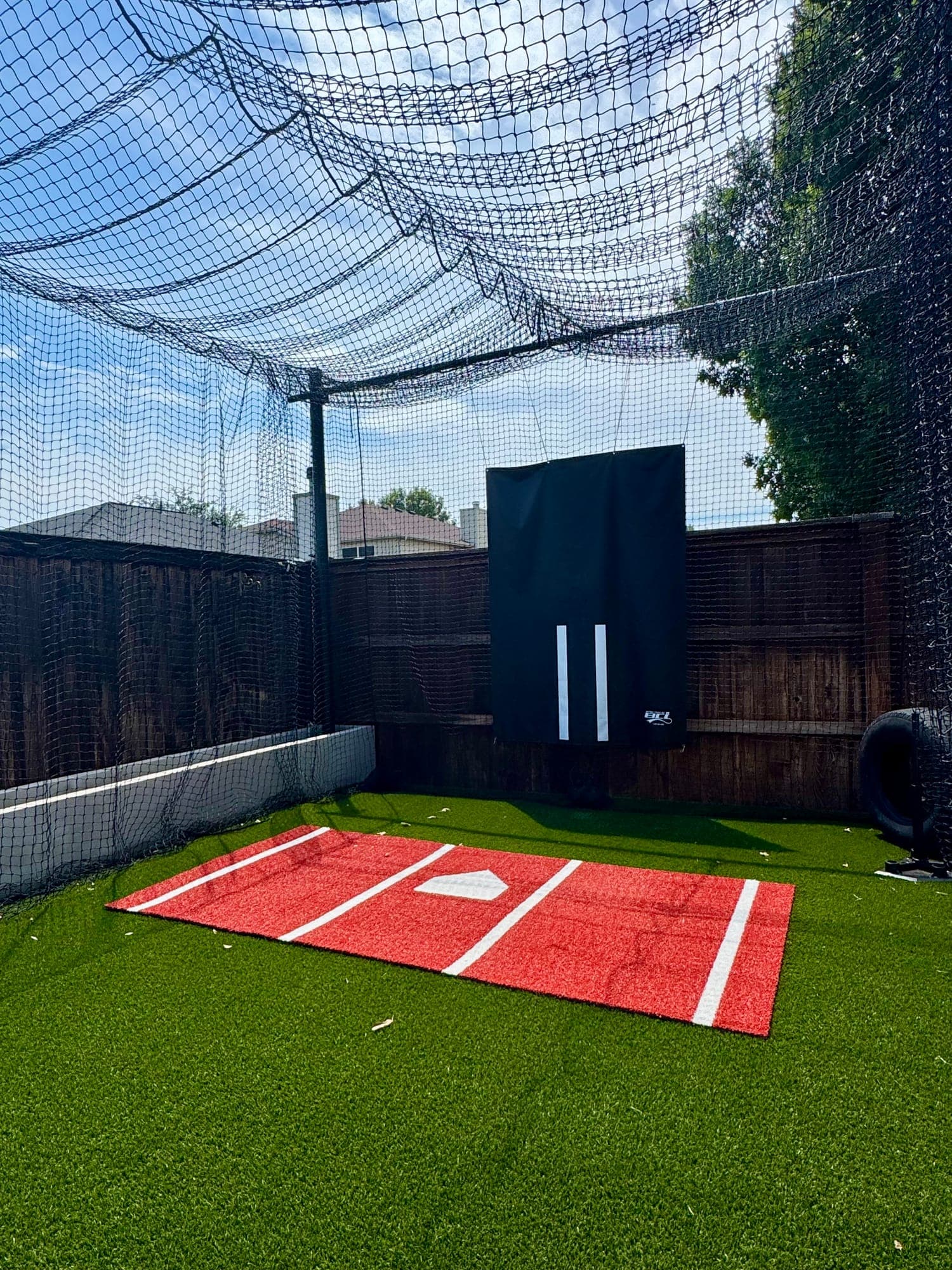
How Much Should You Charge to Rent Out Your Backyard Batting Cage?
Go too high and the calendar sits empty; too low and you leave money on the table. Here is the repeatable way experienced hosts price a backyard cage.
4 min readRead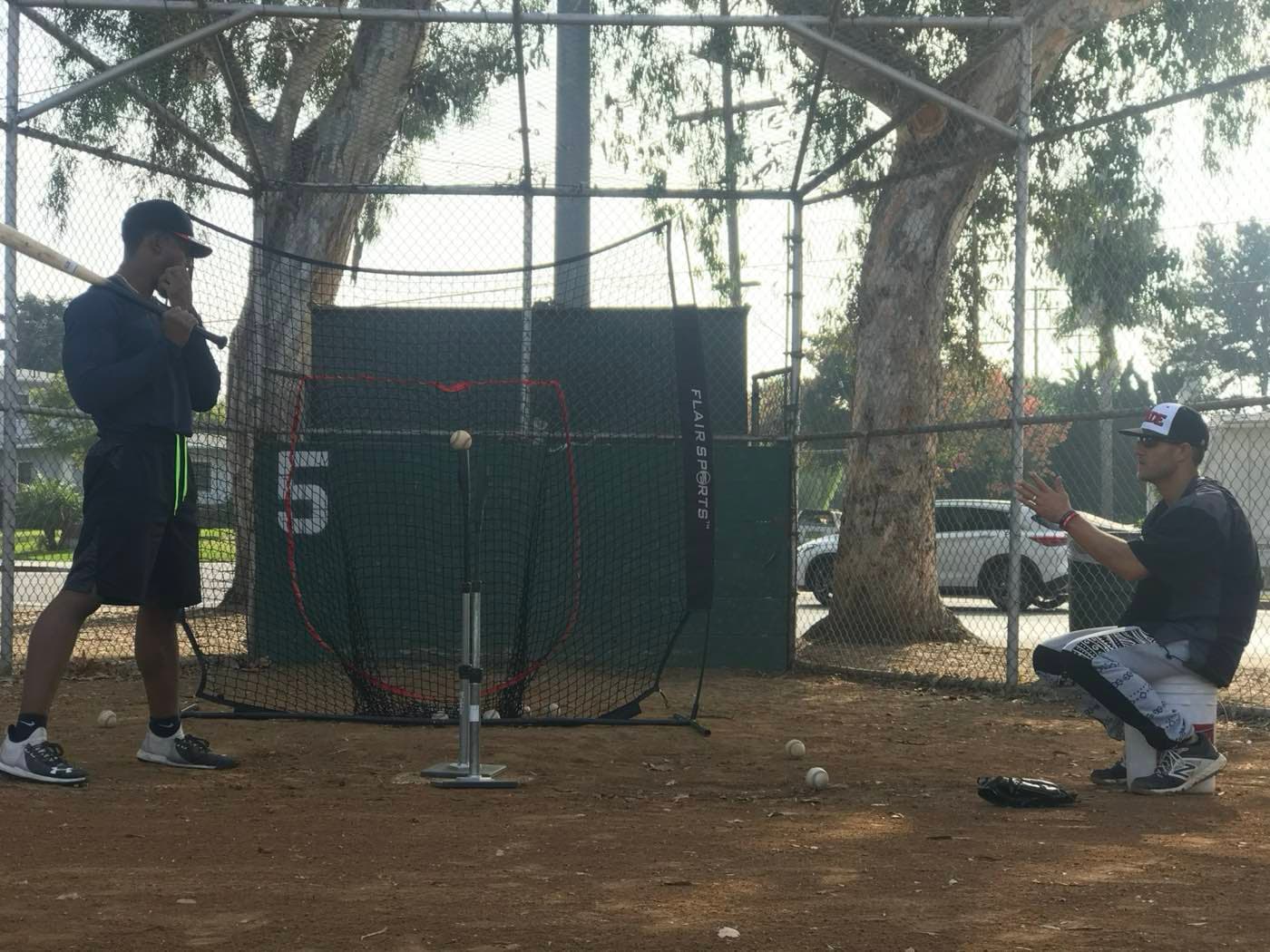
Can Your Little League Rent Out Its Batting Cage?
Most leagues own a cage that sits idle most of the year. Opening it up is usually allowed; it depends on who owns the ground, what your use agreement says, and what your liability policy covers. Here is how to check all three.
7 min readRead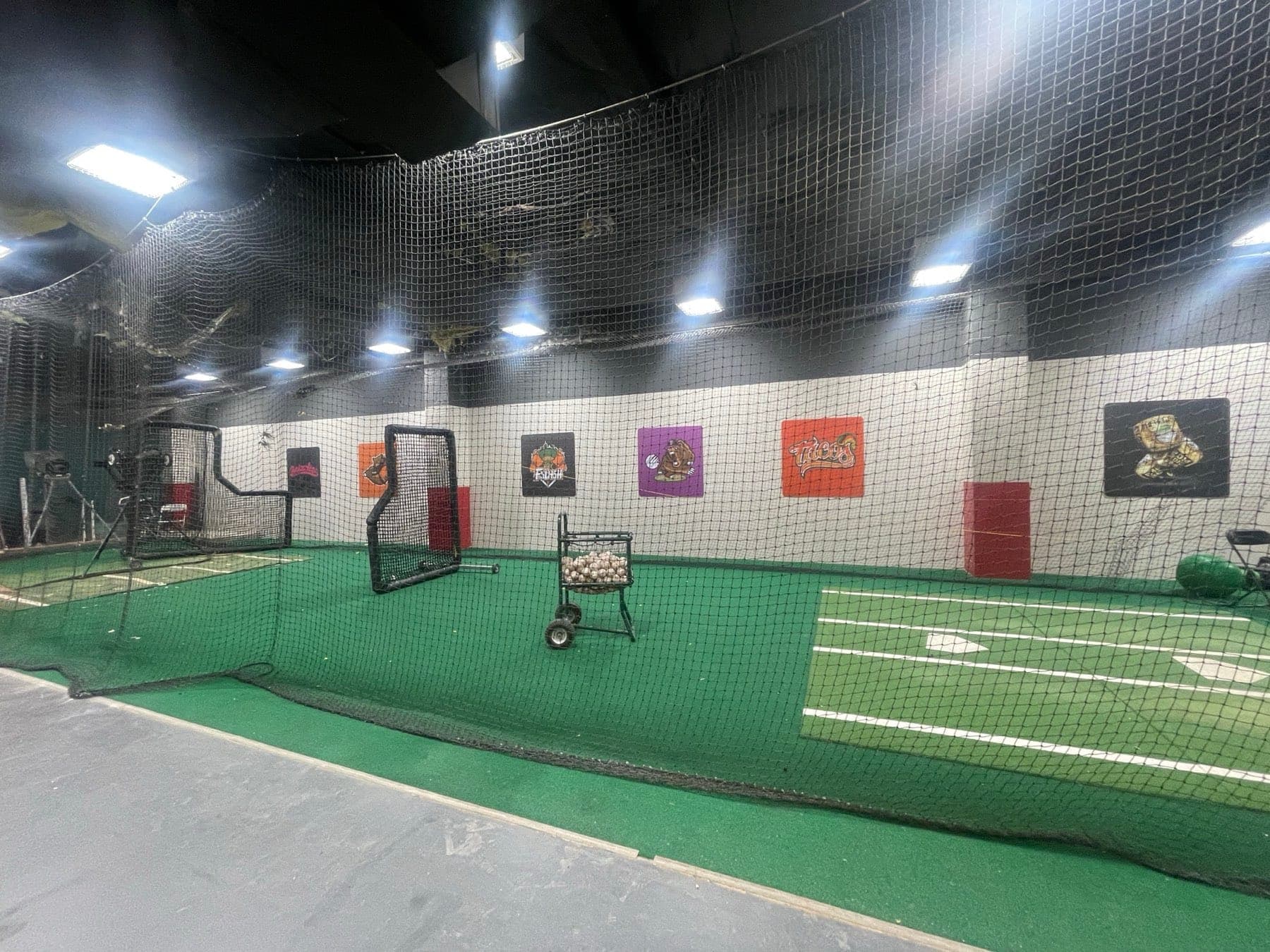
How Batting Cage Facilities Fill Their Empty Weekday Hours
Most batting cage facilities sit half-empty on weekday mornings. Here is how to turn that idle daytime into steady, low-effort recurring revenue.
4 min readRead
Run a travel team? Get your free page.
Baseball or softball. Claim a free directory page, post tryouts, and share cagelist.com/@yourteam with families.
Find your league
Free directories of real leagues and clubs near you. Then book a batting cage to get your reps in before opening day.
1,417 organizations
 leagues in 49 statesAdult hardball near you: MSBL, NABA and independent leagues.Browse men's leagues
 leagues in 49 statesYouth baseball and softball leagues, organized by state.Browse little leagues
 programs in 41 statesTravel and club programs in your region. Find one, or list yours free.Browse travel teams
Join the backyard batting cage community
Talk builds, gear, hosting and player development with cage owners, coaches, parents and baseball families.