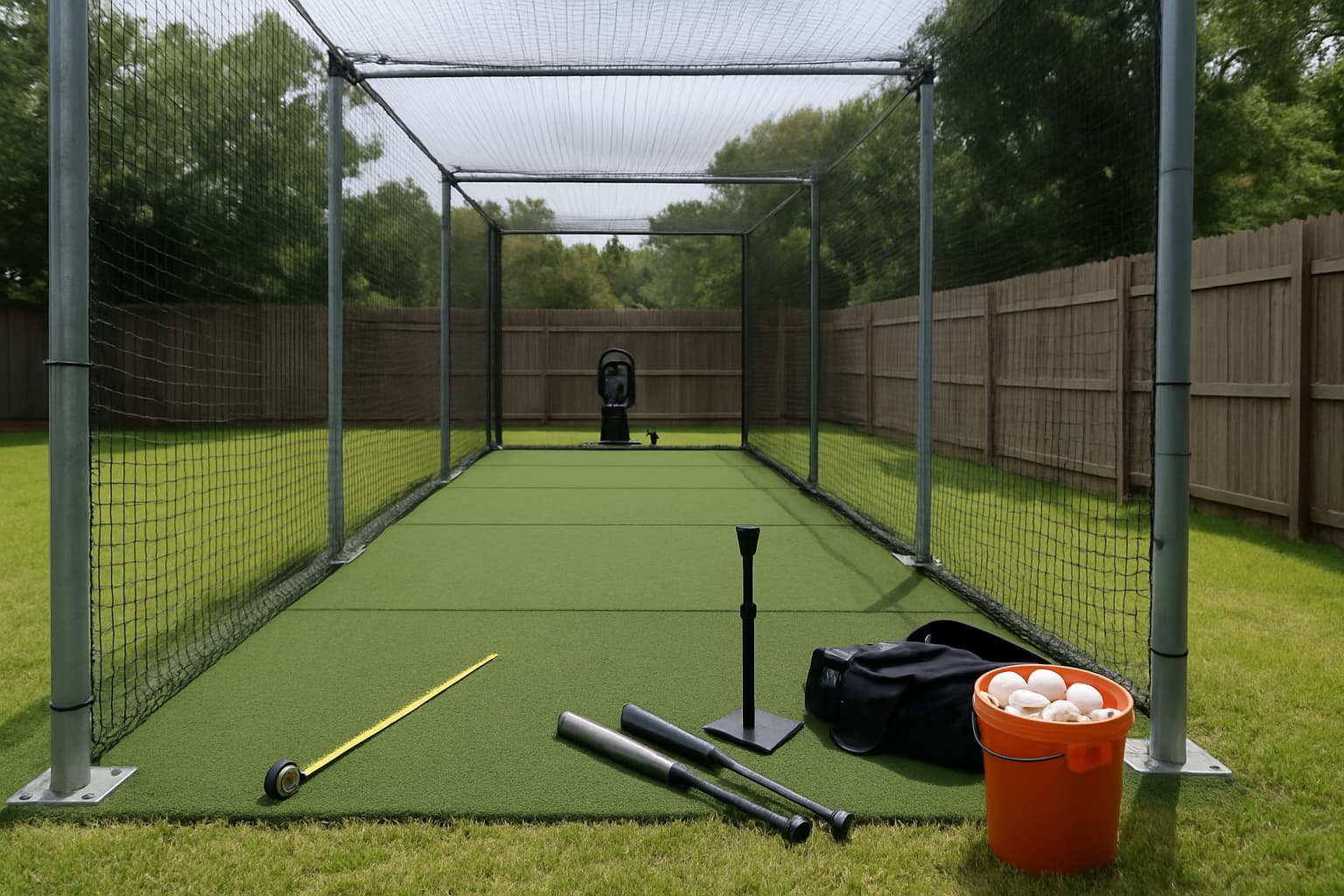
Most batting cage guides stop at "buy some netting and a frame." This one doesn't.
If you're serious about building a backyard cage that your family loves, your neighborhood uses, and that earns real money on CageList — this is the guide. We're going to walk through every component, three budget tiers, and what the ideal setup looks like when you decide to do it right.
The Three Tiers
Tier 1 — The Starter ($3,000–$8,000)
Gets you in the game. Good for a single player, light use, DIY install.
Tier 2 — The Serious Build ($10,000–$20,000)
Permanent structure, quality netting, real surface. Ready to rent.
Tier 3 — The Dream Cage ($30,000–$50,000)
Two tunnels, covered structure, full amenities. The neighborhood hub.
We're going to focus on Tier 3 — because that's what changes your property from a backyard into a training destination.
THE DREAM CAGE: Full Component Breakdown
STRUCTURE
This is the most important decision you'll make. A permanent covered structure protects your investment, extends your usable season, and is the single biggest factor in what your listing can charge.
Options to consider:
— Steel carport or building kit (VersaTube, ShelterLogic Pro series): $15,000–$25,000 for a 16x70 or 20x70 structure
— Pole barn or agricultural building: $18,000–$35,000 installed
— Custom metal building: $25,000–$45,000
For a two-tunnel setup you want minimum 20 feet wide, 70 feet long, 14 feet tall. That gives you two full 70-foot tunnels with clearance on both sides.
Budget: $18,000–$25,000
FOUNDATION AND SURFACE
Concrete slab is the gold standard for a permanent install. It gives you a clean, level base for turf and holds your frame anchors securely.
— Concrete slab (1,400 sq ft): $8,000–$14,000
— Artificial turf over concrete (45–55 oz face weight, nylon or polyethylene): $4,500–$9,000
Skip rubber mats for a rental cage. Turf looks better, performs better, and photographs better for your listing.
Budget: $6,000–$10,000 (turf over existing concrete or compacted base)
NETTING
For a rental cage that will see heavy use from adult players and pitching machines:
— #42 twisted nylon is the minimum for adult use
— #60 heavy duty nylon is ideal for a rental cage — handles machine speeds up to 100 mph, holds up to daily use
— Full cage net for 70x14x12: $600–$1,200 depending on grade
Do not cheap out on netting for a rental setup. A blown net mid-session is a bad review.
Budget: $800–$1,500 per tunnel
FRAME AND HANGING SYSTEM
— Steel ground sleeves with galvanized pipe: most durable, cleanest look
— Fortress brand steel frame kit: well-regarded in the industry, straightforward DIY install
— Professional install if you're doing a two-tunnel permanent setup: $2,000–$4,000
Budget: $2,500–$5,000
PITCHING MACHINE
The machine is what separates a serious cage from a backyard toy. For a rental cage that serves youth through adult:
— JUGS BP3 (two-wheel, youth through adult, up to 70 mph): $2,800
— Hack Attack Junior (three-wheel, baseball and softball, up to 80 mph): $2,000
— Hack Attack Full (three-wheel, up to 100 mph, the industry standard): $3,500
— ATEC M3X (reliable two-wheel, good mid-range option): $2,500
For a two-tunnel setup, one machine per tunnel. Budget one Hack Attack Junior and one full Hack Attack or JUGS BP3 to serve both youth and advanced players.
Budget: $5,000–$7,000
MOUND AND BATTER'S BOX
A portable pitching mound is a detail that serious players notice and appreciate. It also unlocks pitcher training as a use case — bullpen sessions, mechanics work, live arm days for teams.
— Pinta portable mound (10-inch regulation): $800–$1,200
— Batter's box mat with home plate: $150–$300
Budget: $1,000–$1,500
LIGHTING
A cage without lighting cuts your rental hours in half. Evening sessions are peak demand — travel ball families get off work, grab dinner, and want to hit from 7–9pm.
— LED shop lights (basic, adequate): $300–$500
— Full cage LED coverage with proper foot-candles for ball tracking: $800–$1,500 installed
Budget: $1,000–$1,500
L-SCREENS AND SAFETY
Every tunnel needs an L-screen in front of the machine for live pitching and tee work protection.
— Standard L-screen (7x7 heavy duty): $250–$400 each
— Sock net for machine protection: $150–$200
Budget: $500–$800
AMENITIES (What takes you from good to great)
This is what makes your CageList listing stand out from every other cage in your area:
— Seating area or bench for coaches and parents
— Small equipment shelf or bucket caddy
— Bluetooth speaker (teams love this)
— Exterior signage or address marker so renters can find you
— Exterior lighting for parking/entry
— Padded wall protection at the end of each tunnel
Budget: $500–$1,500
THE FULL $40K BUILD — SUMMARY
Structure (covered steel building): $20,000
Foundation and turf: $8,000
Netting (2 tunnels): $2,500
Frame and install: $4,000
Pitching machines (2): $6,000
Mound and batter's box: $1,200
Lighting: $1,200
L-screens and safety: $700
Amenities: $1,000
Contingency (10%): $4,000
Total: $48,600
You can hit $40,000 by going with a single tunnel, a carport-style structure instead of a full building, or DIYing the frame install. The core investment is real but so is the return.
WHAT THIS CAGE EARNS ON CAGELIST
A two-tunnel setup like this in a suburban market charging $50/hour and booking conservatively 25 hours per week generates $65,000/year in gross revenue. At 90% after CageList commission that's $58,500 back to you — on land you already own.
Most hosts recoup their full build cost within 12 to 18 months.
THE BOTTOM LINE
You don't need a commercial facility to run a serious batting cage operation. You need the right piece of land, the right setup, and a platform that connects you to the players and teams in your area who need reps.
That's exactly what CageList was built to do.
Ready to build and list? Start at cagelist.com
Not sure where to start? Run the ROI calculator to see what a Tier 2 or Tier 3 build earns in your market — and how fast it pays for itself.
Need help building? Read how to choose a batting cage builder before you hire for a permanent installation like this.
Get the numbers
Get your free batting cage cost estimate
Enter your email and we'll send you an itemized build breakdown — frame, netting, turf, lighting, and install — plus what a cage like yours could earn if you rent it out.
No spam, unsubscribe anytime. Prefer the interactive tool? Open the full cost calculator.
Already have a cage?
Rent it out when you're not hitting
Players, parents, and coaches near you are looking for cage time. Listing is free, you set your own price and hours, and you approve every booking.
Related Guides
View all articles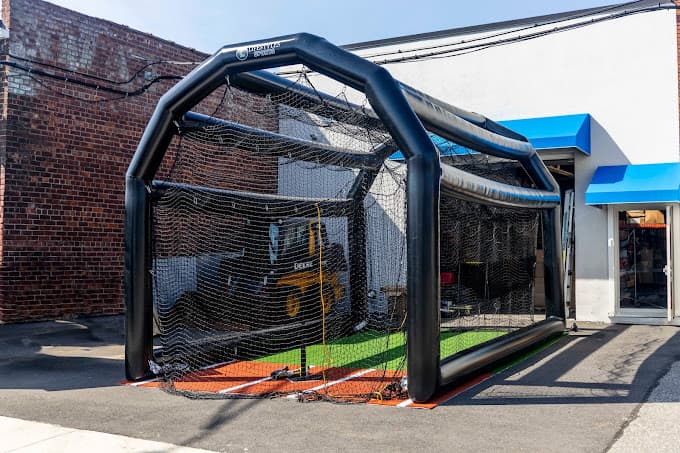
Build a Batting Cage
Inflatable Batting Cages: What They Cost, and Whether They Pay for Themselves
Inflatable batting cages run from $1,500 party units to $10,000 branded commercial builds, and only one manufacturer publishes a real price. What each tier costs, why $3,999 is not the price of a cage, and the booked hours it takes to pay one off.
Build a Batting Cage
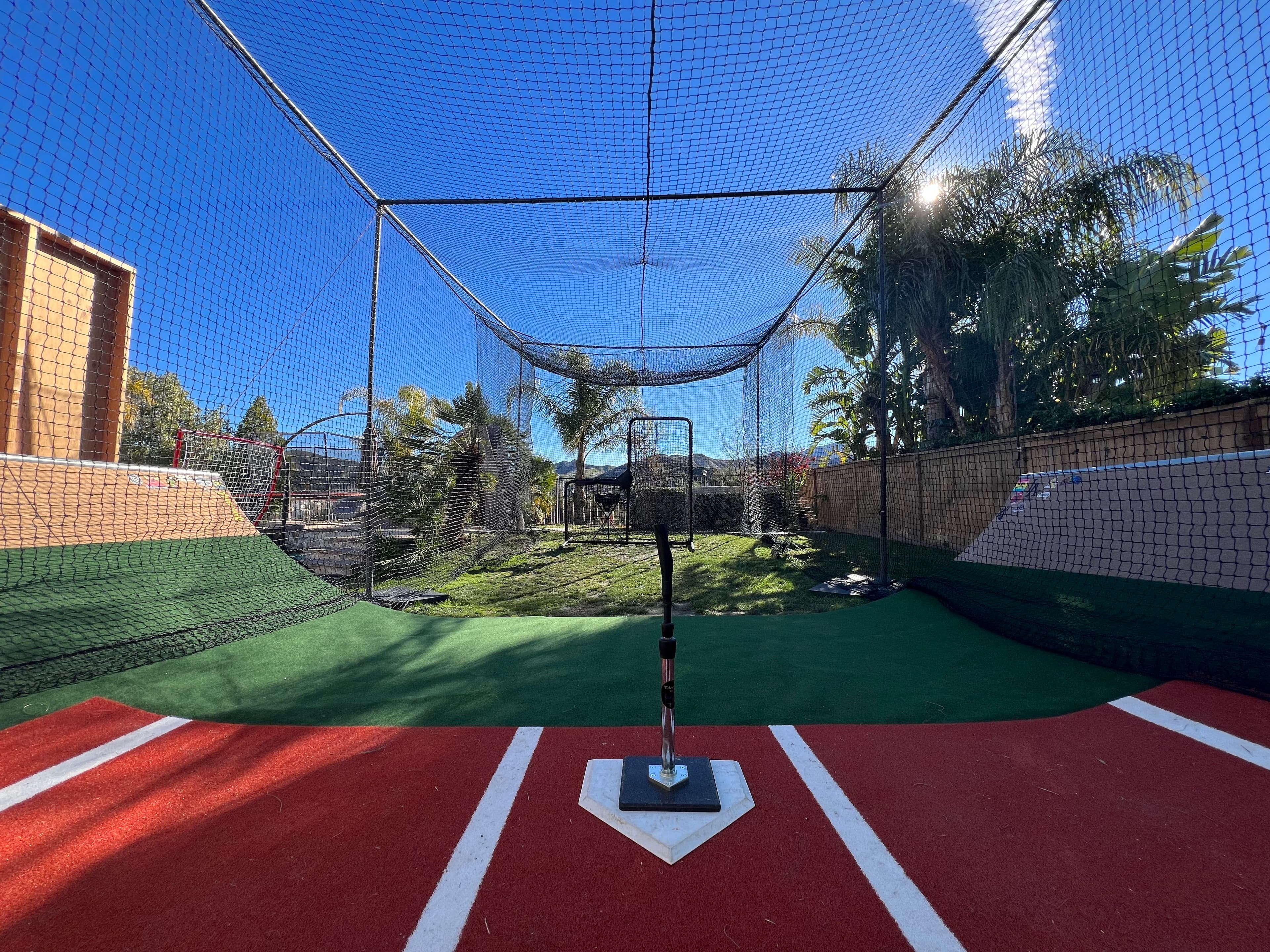
27 Types of Batting Cage: A Photo Field Guide to Every Backyard Setup in America
Barn conversions, driveway slivers, retractable tunnels, ranch cages and climate-controlled outbuildings. A photo field guide to 27 kinds of batting cage, built from 214 real bookable listings on CageList, with what each one costs and who it is for.
Build a Batting Cage
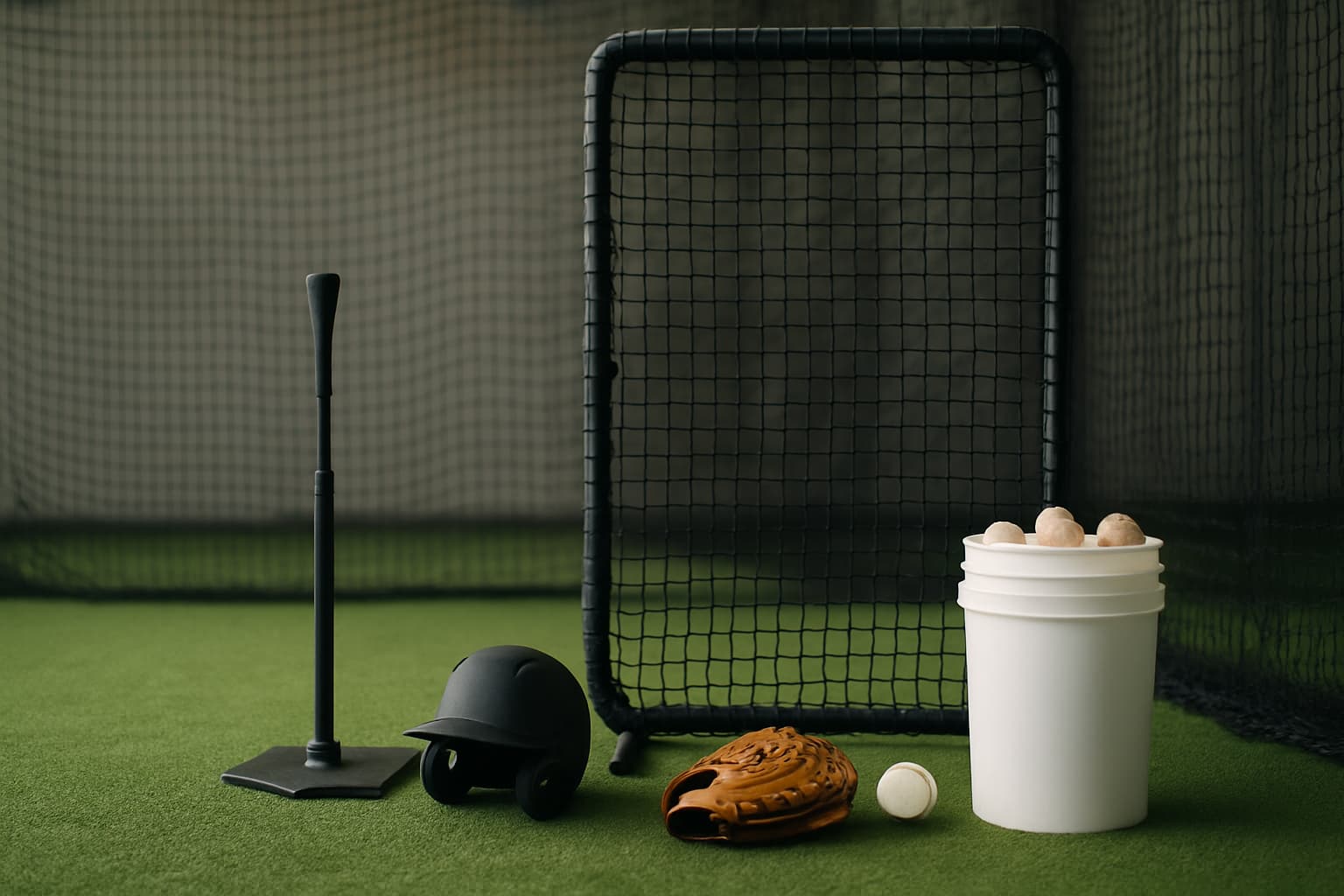
Backyard Batting Cage Kits, Compared: What You Really Get at Each Price (2026)
Every price tier of backyard batting cage, honestly compared — the companies, the netting grades, the realistic lifespan, and what a cage that survives real hitters (or paying renters) actually needs.
Run a travel team? Get your free page.
Baseball or softball. Claim a free directory page, post tryouts, and share cagelist.com/@yourteam with families.
Find your league
Free directories of real leagues and clubs near you — then book a batting cage to get your reps in before opening day.
1,000 organizations
Join the backyard batting cage community
Talk builds, gear, hosting and player development with cage owners, coaches, parents and baseball families.