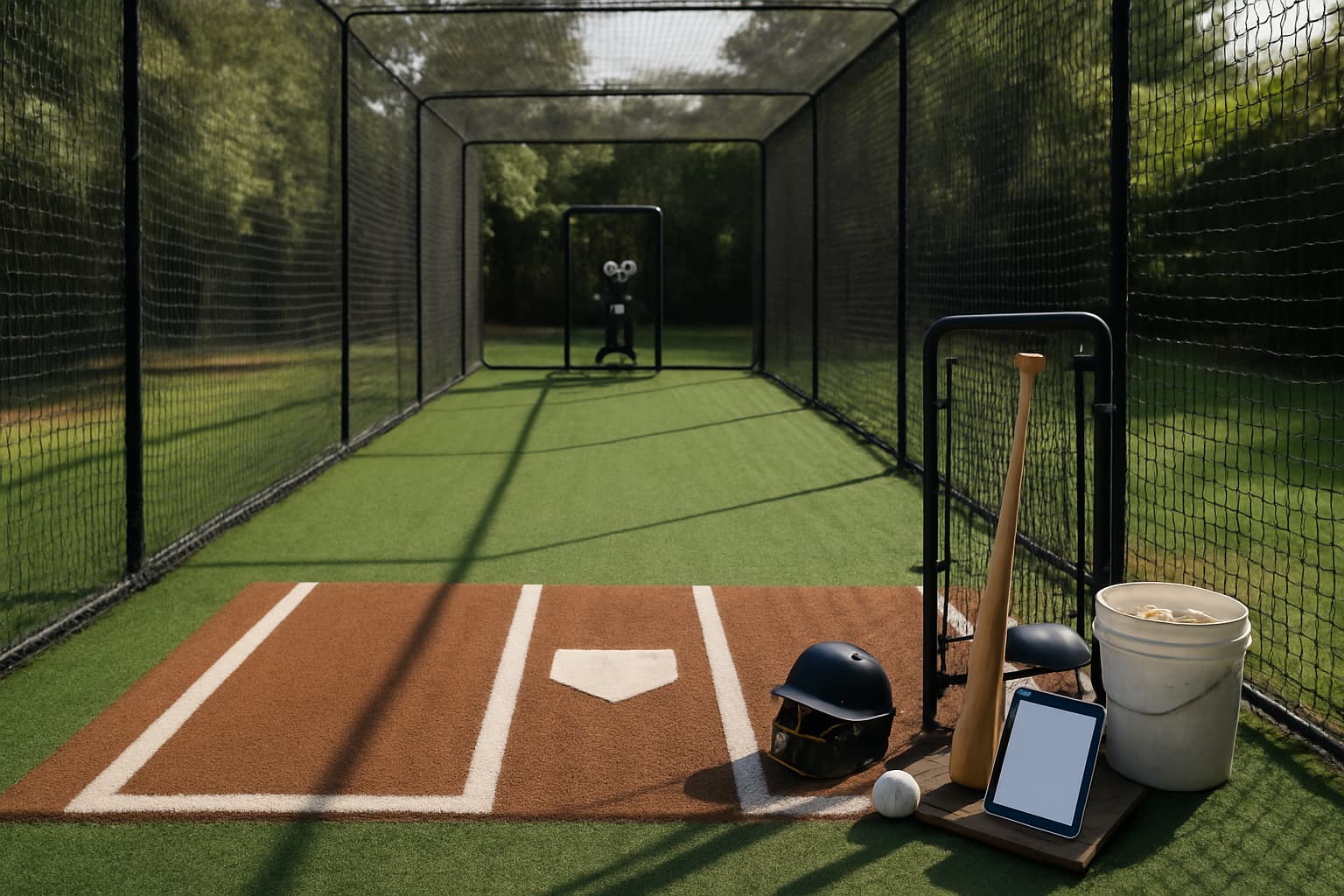
Most home improvements cost you money forever. A backyard batting cage is one of the few that can pay you back.
We're not talking about a flimsy net in the yard that blows over in a windstorm. We're talking about a permanent, well-built backyard batting cage that your family trains in every day — and that earns real income when you're not using it. If you're a baseball dad who's been on the fence about pulling the trigger, this is the post that's going to make the decision easy.
Learn why we built CageList and what we believe about training access in America
The Backyard Batting Cage Is Not a Luxury — It's Infrastructure
Every serious baseball family eventually hits the same wall. Your kid is developing fast, the travel ball schedule is relentless, and the only way to get consistent reps is to drive 30 minutes to a facility that charges $50/hour and makes you book three days in advance.
A backyard batting cage breaks that wall down permanently.
When the cage is in your yard, reps happen after dinner. They happen on a random Tuesday. They happen because your kid walked outside and picked up a bat. That kind of casual, consistent access is what actually builds hitters — not one structured session per week at a facility.
The families that produce elite players aren't always the ones with the most money. They're the ones with the most access. A backyard cage solves the access problem once and for all.
Find out which type of batting cage dad you are — and what you should build
What a Backyard Batting Cage Actually Costs
Let's be direct about the numbers because most guides dance around them.
Tier 1 — The Starter Build ($3,000–$8,000)
A basic single-tunnel setup with a steel or PVC frame, quality netting, a hitting mat, and basic lighting. DIY install. Gets you in the game fast.
Tier 2 — The Serious Build ($10,000–$20,000)
Permanent frame, concrete or compacted base, turf, proper lighting, and a pitching machine. This is the setup that gets used every single day and holds up for years.
Tier 3 — The Dream Cage ($30,000–$55,000)
Covered structure, two tunnels, full turf, two pitching machines, a portable mound, lighting, seating, and amenities. This is the neighborhood training hub. This is what earns serious money on CageList.
The question isn't whether you can afford to build a cage. It's which tier makes sense for your space, your family, and your goals.
See the full $40K dream cage breakdown — every component, every cost
The Part Most Dads Don't Realize: It Earns Money
Here's where the investment math gets interesting.
A well-built backyard batting cage listed on CageList doesn't just serve your family. It serves your whole neighborhood — and it pays you for it.
How the math works:
A single-tunnel setup charging $35/hour and booking just 15 hours per week generates $27,300/year in gross revenue. At CageList's 10% commission that's $24,570 back to you annually.
A two-tunnel covered setup charging $60/hour booking 25 hours per week generates $78,000/year gross. After commission: $70,200.
Most hosts at the serious build tier recoup their entire construction cost within 12 to 18 months.
That is not a home improvement. That is a business on land you already own.
Run your own numbers with our ROI calculator — see exactly what your cage could earn
What Makes a Cage a Good Investment vs. a Good Expense
Not every batting cage is a smart investment. Here's the difference.
Builds that earn:
- Permanent frame on a solid base — concrete, compacted gravel, or turf over base
- Quality netting (#42 minimum, #60 for heavy rental use)
- At least one pitching machine
- Covered or partially covered structure
- Proper lighting for evening sessions
- Clean, well-photographed listing on CageList
Builds that don't earn:
- Pop-up or portable frames that move or sag
- Cheap polyethylene netting that degrades in UV
- No machine — renters want to show up and hit, not bring their own equipment
- No lighting — you lose every evening booking
- No listing — a cage nobody knows about earns nothing
The gap between a cage that sits idle and a cage that generates $30,000/year is usually $5,000–$10,000 in upgrades and one CageList listing.
See how a backyard setup compares to opening a full indoor facility
The Neighborhood Effect Nobody Talks About
Here's something that happens to almost every CageList host within the first few months of listing.
They become the hub.
The travel ball team starts booking regular sessions. The pitching coach in the area finds them and uses the cage for lessons. The rec ball dads in the neighborhood start showing up. Parents bring their kids on weekday evenings when the host isn't using it.
The cage that was built for one kid becomes the training anchor for an entire community.
That's the CageList vision — one great cage within 10 miles of every baseball family in America. Not a massive facility with a commercial lease and three employees. A permanent, well-built backyard cage on land someone already owns, connected to players who need it through a platform built exactly for this.
Explore cage locations across the country — and see what's possible in your market
The Bottom Line
A backyard batting cage built right is one of the few home investments that improves your family's life every single day and generates real income when you're not using it. It develops your kid. It brings the team to your house. And on CageList it becomes an asset that pays for itself.
You already love baseball. You've been thinking about building a cage for years. The only question is what tier you're building at — and when you're starting.
List your cage free at cagelist.com and see what your backyard is worth.
Run your numbers first → use the CageList ROI calculator
Get the numbers
Get your free batting cage cost estimate
Enter your email and we'll send you an itemized build breakdown — frame, netting, turf, lighting, and install — plus what a cage like yours could earn if you rent it out.
No spam, unsubscribe anytime. Prefer the interactive tool? Open the full cost calculator.
Already have a cage?
Rent it out when you're not hitting
Players, parents, and coaches near you are looking for cage time. Listing is free, you set your own price and hours, and you approve every booking.
Related Guides
View all articles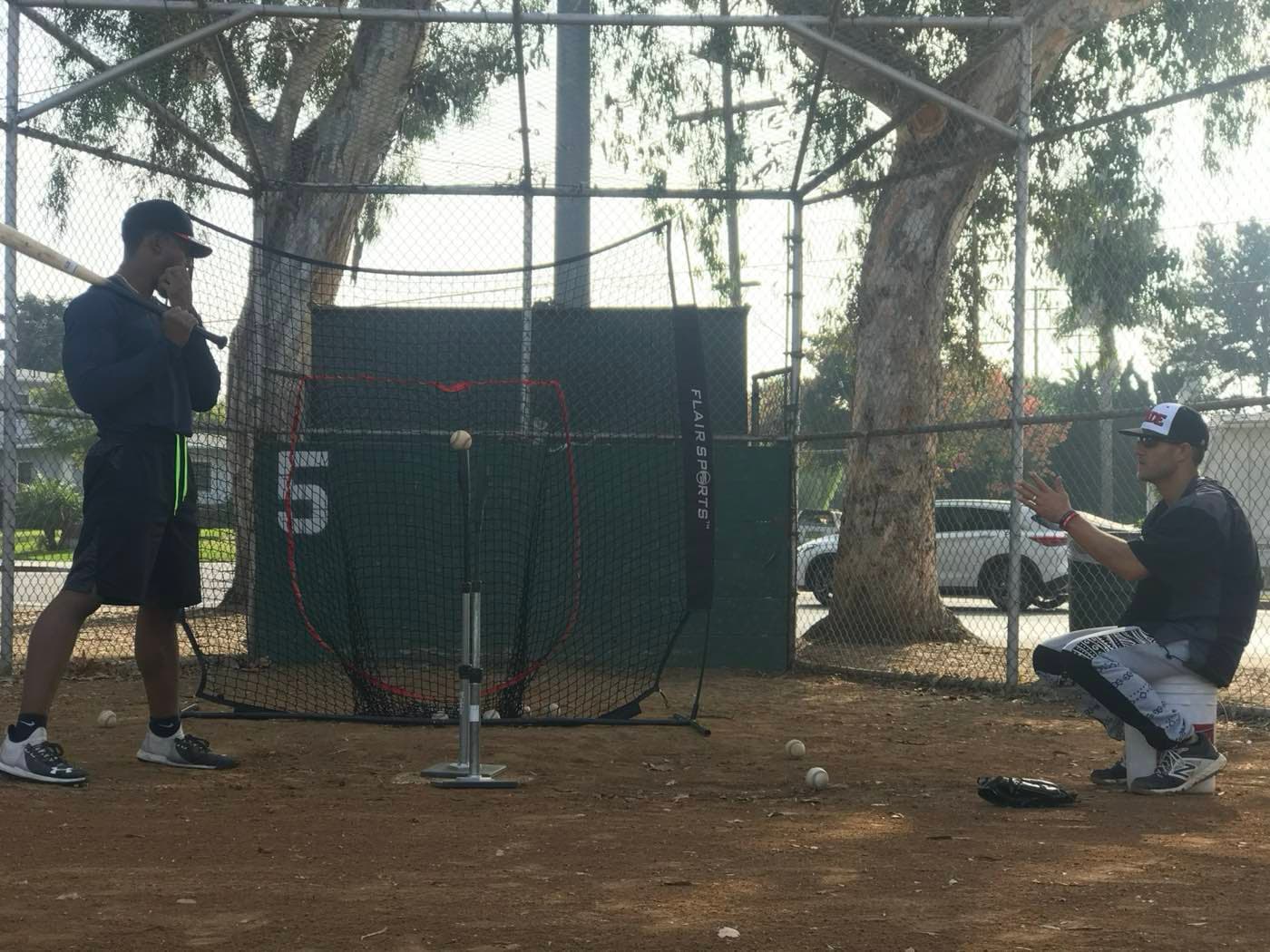
List Your Cage
Can Your Little League Rent Out Its Batting Cage?
Most leagues own a cage that sits idle most of the year. Opening it up is usually allowed — it depends on who owns the ground, what your use agreement says, and what your liability policy covers. Here is how to check all three.
List Your Cage
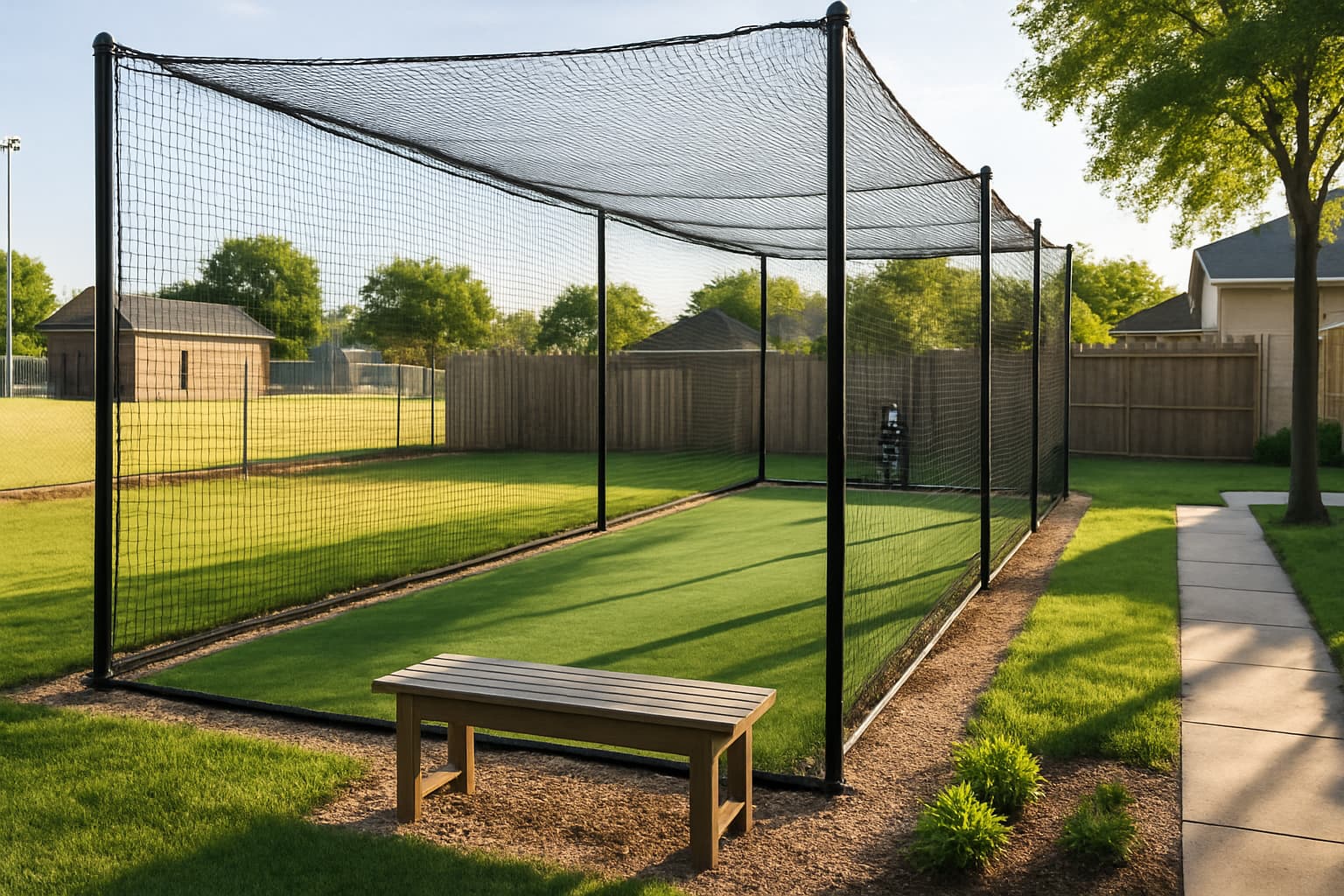
How Much Should You Charge to Rent Out Your Backyard Batting Cage?
Go too high and the calendar sits empty; too low and you leave money on the table. Here is the repeatable way experienced hosts price a backyard cage.
Find & Rent Batting Cages
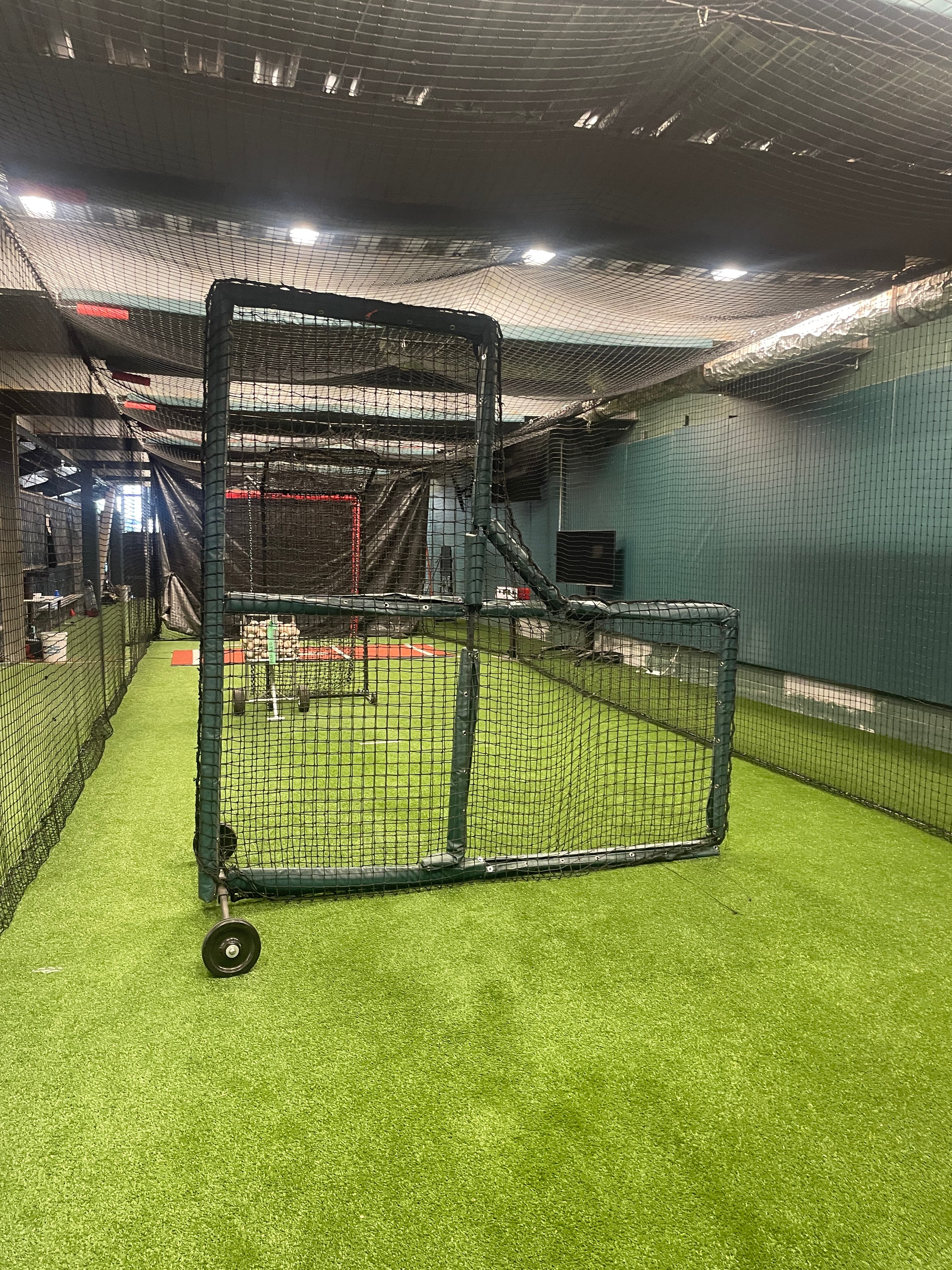
What You Actually Get at a HitTrax Cage in Dick's Sporting Goods
Dick's runs two different services in the same HitTrax cage, and they cost very different amounts. Here is what you get, what it costs, and when a real cage is the better call.
Run a travel team? Get your free page.
Baseball or softball. Claim a free directory page, post tryouts, and share cagelist.com/@yourteam with families.
Find your league
Free directories of real leagues and clubs near you — then book a batting cage to get your reps in before opening day.
1,000 organizations


Join the backyard batting cage community
Talk builds, gear, hosting and player development with cage owners, coaches, parents and baseball families.