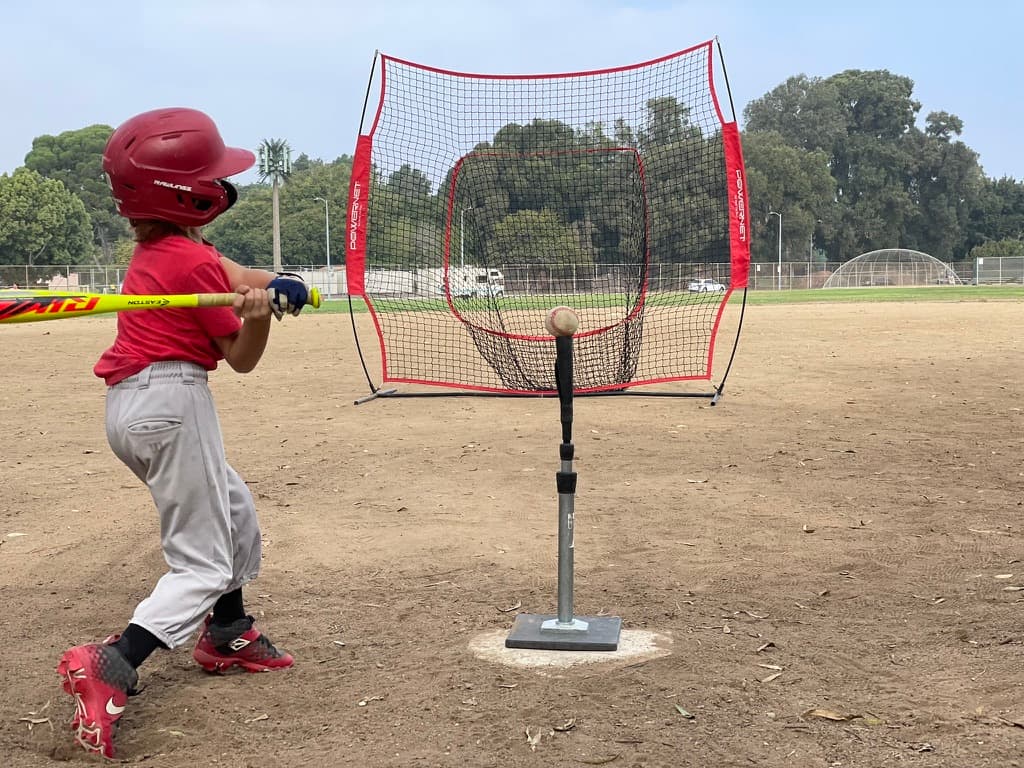
Walk any Little League complex on a random Tuesday night in January and you will see it: lights off, gate locked, batting cage empty. Meanwhile the board is planning another car wash, another candy sale, another Saturday raffle. The asset that families already pay for all winter — cage time — is sitting unused.
That pattern should not be the norm. Empty league cages are not a tradition. They are wasted capacity — for players who need swings and for boards that need sustainable funding.
The board problem nobody budgets for
Most leagues already own (or control) a cage. Practices and games fill some nights in-season. The rest of the calendar — early mornings, mid-days, off-season weeks, rain-out makeups that never happen — stays dark. Families still drive across town to commercial tunnels. The league still needs money for balls, field maintenance, scholarships, and umpires.
You do not need a new fundraiser idea. You need to stop leaving money and reps locked behind a chain. Every empty hour is either a missed swing for a kid in your boundaries or a missed dollar for the program that serves them. Boards feel that tension every budget season; the cage is the rare asset that can help both sides at once.
What utilizing empty cage time actually means
It means your league sets the rules: who can book, when the cage is reserved for teams, what nights are open, and what you charge. Approved families book online. Payments run through CageList. The league receives the revenue. Volunteers are not texting Venmo screenshots at 10 p.m.
This is the same idea we walk through in detail in Turn Your League's Batting Cage Into a Year-Round Fundraiser — and the same partnership path on CageList for Little Leagues.
Objections boards raise (and honest answers)
- We only want league families. Fine. Gate access to approved users. You stay in control.
- Who has the keys? You decide access windows. Block practices, games, tournaments, and maintenance first — then open the leftover hours.
- What about liability? Treat this like any other facility use: clear rules, documented bookings, and your league's existing risk process. CageList handles booking records and payments; it does not replace your board's duty of care.
- Will this create more volunteer work? Manual rentals create volunteer work. Online booking and payouts reduce the spreadsheet chaos.
Those objections are rational. Ignoring empty cages forever is not. Start narrow, document everything, and expand only when the board trusts the process.
Why this is good for players, not just the budget
Idle cages mean fewer swings for the kids in your boundaries. Open, controlled hours mean more reps without asking every parent to join another facility membership. Fundraising that also develops hitters is the rare win-win boards actually want.
CageList's job is infrastructure for baseball and softball communities — not pressure tactics. If your board wants a conservative season-one experiment (league families only, limited nights), that is still progress versus another year of a dark cage. Measure it. Share the numbers at the next board meeting. Expand only when trust is earned.
What to do this week
1. Walk your cage calendar for the next 60 days and mark blocked league time.
2. Estimate open hours (be conservative).
3. Book a short setup call via for Little Leagues — or start from the playbook in our year-round fundraiser guide.
4. When families need overflow reps beyond the league cage, point them to cages near you on CageList.
Empty cages should not be "just how Little League works." They are optional — and CageList exists to help leagues turn that empty time into funding and development without losing control of the schedule.
Get the numbers
Get your free batting cage cost estimate
Enter your email and we'll send you an itemized build breakdown: frame, netting, turf, lighting, and install, plus what a cage like yours could earn if you rent it out.
No spam, unsubscribe anytime. Prefer the interactive tool? Open the full cost calculator.
Already have a cage?
Rent it out when you're not hitting
Players, parents, and coaches near you are looking for cage time. Listing is free, you set your own price and hours, and you approve every booking.
Related Guides
View all articles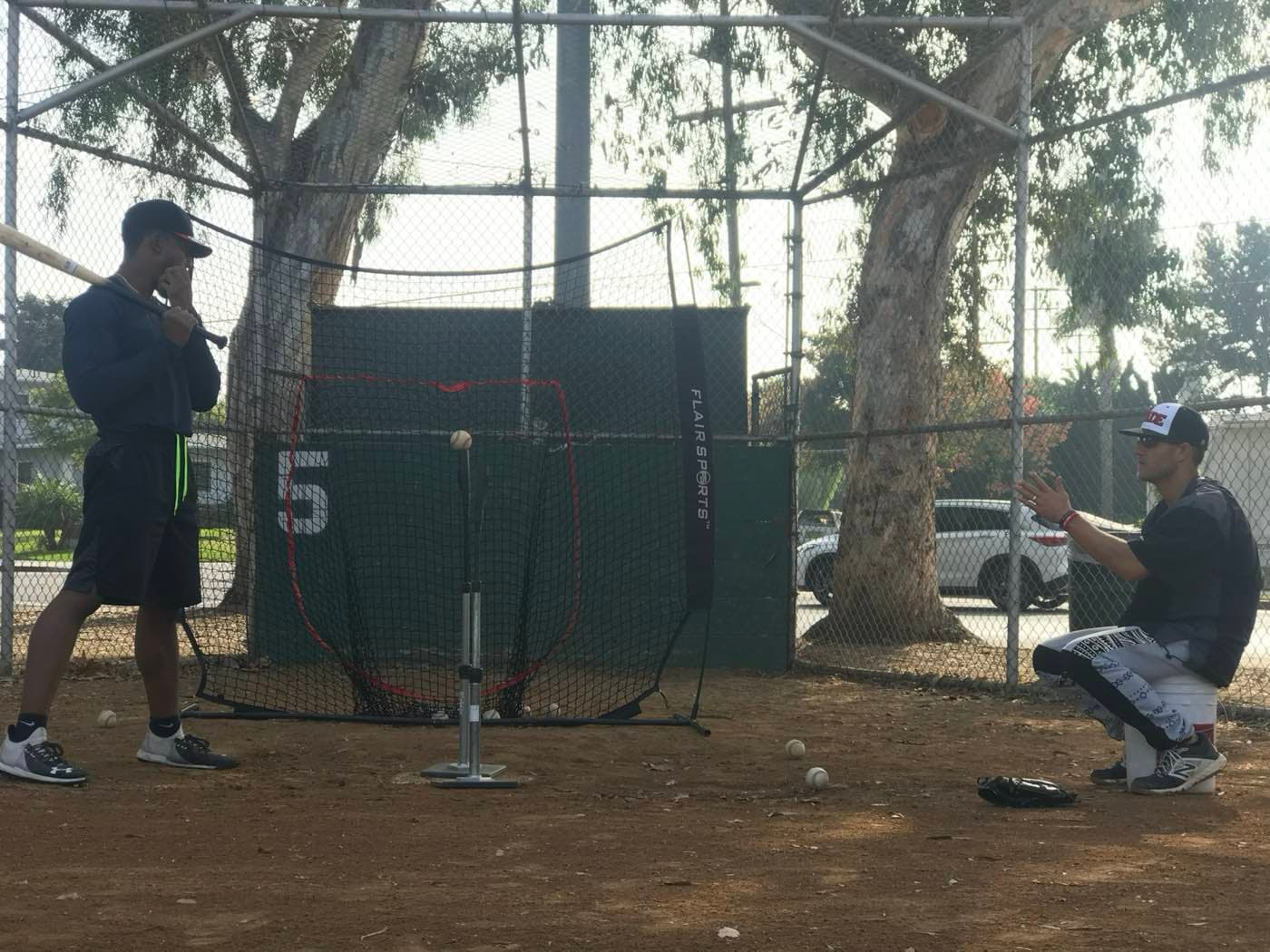
Can Your Little League Rent Out Its Batting Cage?
Most leagues own a cage that sits idle most of the year. Opening it up is usually allowed; it depends on who owns the ground, what your use agreement says, and what your liability policy covers. Here is how to check all three.
7 min readRead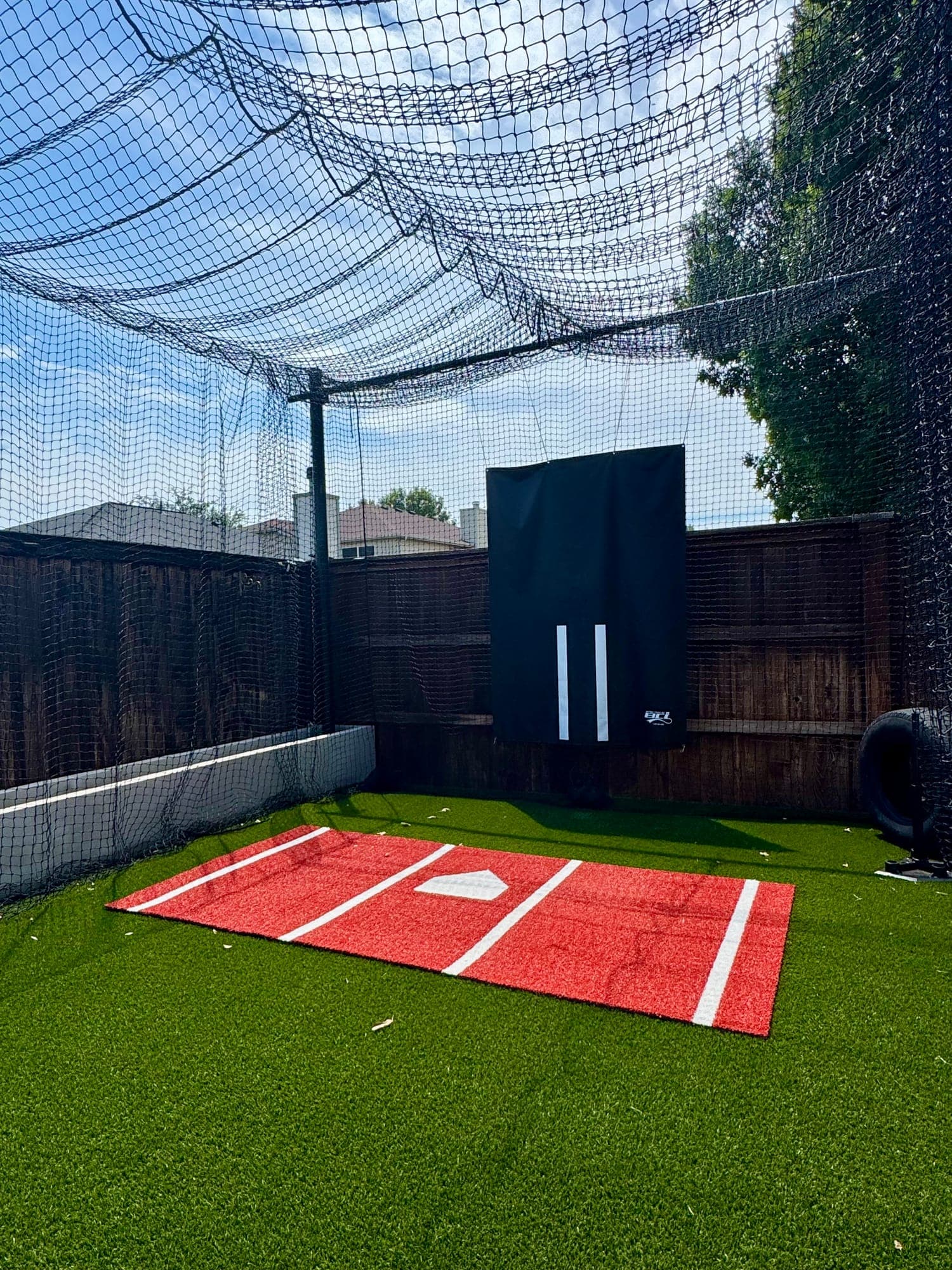
How Much Should You Charge to Rent Out Your Backyard Batting Cage?
Go too high and the calendar sits empty; too low and you leave money on the table. Here is the repeatable way experienced hosts price a backyard cage.
4 min readRead
I Was a Coach With Nowhere to Coach. So I Built CageList.
For years I gave baseball lessons in Los Angeles, and the hardest part was never the coaching. It was finding a place to do it. Isaac Hess on why he built CageList.
6 min readRead
Run a travel team? Get your free page.
Baseball or softball. Claim a free directory page, post tryouts, and share cagelist.com/@yourteam with families.
Find your league
Free directories of real leagues and clubs near you. Then book a batting cage to get your reps in before opening day.
1,416 organizations
 leagues in 49 statesAdult hardball near you: MSBL, NABA and independent leagues.Browse men's leagues
 leagues in 49 statesYouth baseball and softball leagues, organized by state.Browse little leagues
 programs in 41 statesTravel and club programs in your region. Find one, or list yours free.Browse travel teams
Join the backyard batting cage community
Talk builds, gear, hosting and player development with cage owners, coaches, parents and baseball families.