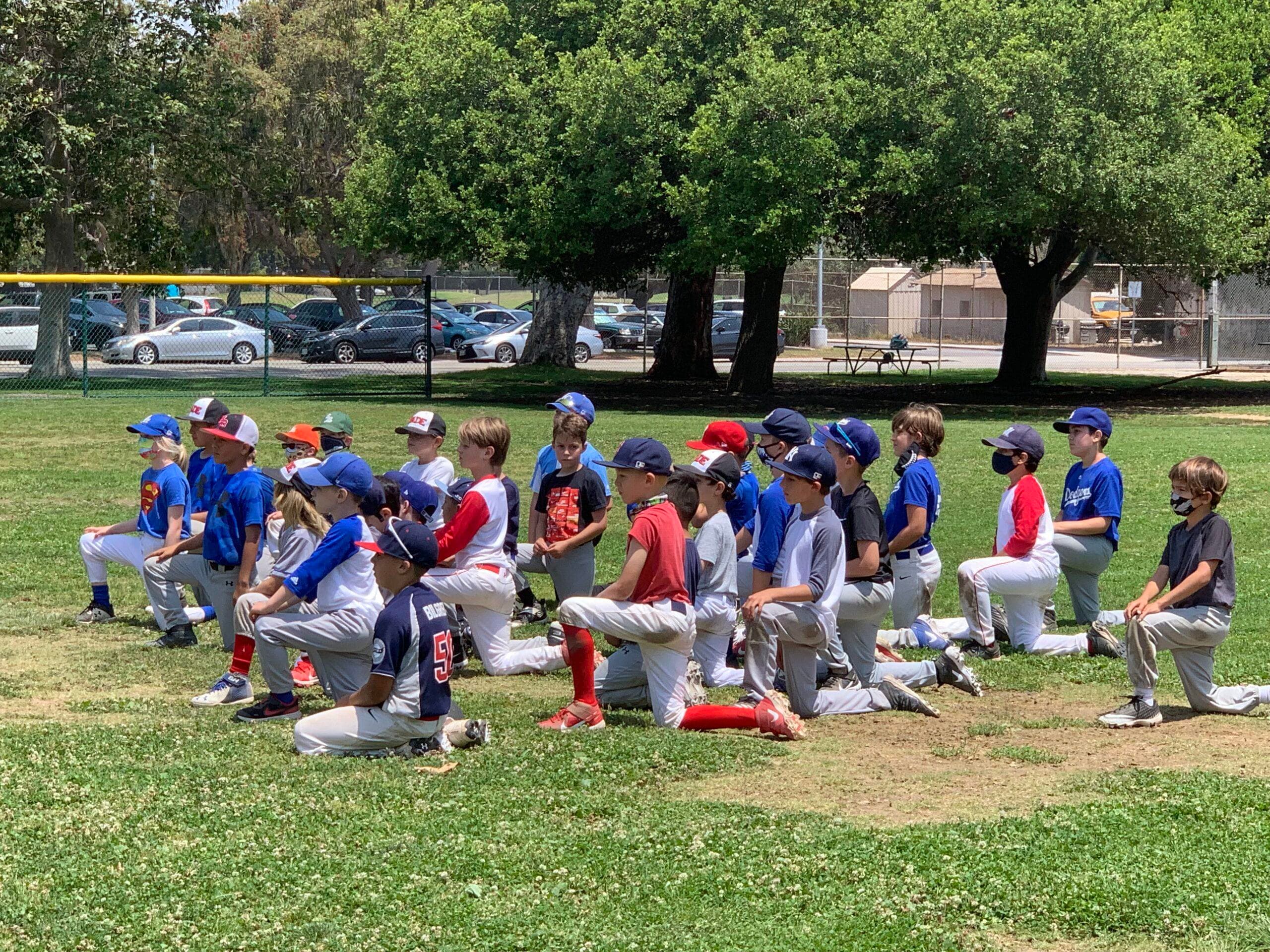
Most youth-baseball leagues already own the one thing families pay for all winter long: a batting cage. And most of them let it sit dark from the last out of the fall season until tryouts in the spring. That idle cage is the most overlooked fundraiser in youth sports — and turning it on doesn't require a capital campaign, a raffle, or another car wash. It requires a schedule and a way to take payment.
The asset you already own
Bake sales and sponsor banners raise money by asking people to give. A cage raises money by giving families something they already want — reps. In-season, your cage is booked solid with team practice. But the demand for hitting doesn't stop when the season does. Travel players train through the winter, high-schoolers prep for spring tryouts, and rec families want somewhere warm and dry to swing. The rise of year-round travel ball means there are more hitters than ever looking for cage time in exactly the months your cage is empty.
Every one of those off-season hours is inventory. Rented at a fair local rate, a single cage can quietly become one of the most dependable line items in your league's budget — money that funds new uniforms, scholarships for families who can't cover registration, field maintenance, or tournament travel.
How it works, start to finish
The whole point is that it runs itself. CageList is the booking rail — a calendar, a payment system, and a directory of hitters looking for cages — so the league isn't chasing Venmo payments or texting a dozen parents to unlock a door.
- List the cage. Add photos, your address or meeting spot, and a short description. If your league is already in our Little League directory, you can claim that page instead of starting from scratch.
- Set your rules. You decide the hourly rate, which hours are open, who can book, and what the expectations are on-site. Nothing goes live that you didn't approve.
- Families book and pay online. A parent finds your cage among the bookable cages near them, picks an open slot, and pays through the platform. No cash, no coordinating, no awkward "did you Venmo me yet?"
- The league gets paid. Payouts land in the league's account on a set schedule. The board sees exactly what came in and where it went.
What the league keeps
This is designed as a fundraiser, not a marketplace skim. CageList never charges a league to list its cage, and the program is built so that nearly all of every booking flows back to the league. You set the rate; that rate is what funds the program. We cover the specifics — payouts, the small platform fee, and how the numbers work for a nonprofit league — on the CageList for Little Leagues page. If you want a sense of the ceiling, our breakdown of how much you can make renting out a batting cage applies just as well to a league-owned cage as a backyard one.
Keeping it safe
The first question every board asks is about liability, and it's the right question. The league stays in control of that: you set who can use the cage and under what conditions, renters acknowledge safety expectations before they book, and your existing league insurance and waiver practices carry over the same way they do for any other use of your facility. Our overview of how insurance works on CageList walks through where the platform's coverage fits and where your own policy still matters. Treat cage rentals like any supervised use of league property — because that's exactly what they are.
Getting the cage rental-ready
A cage that's ready for team practice is usually 90% of the way to ready for renters. The last 10% is what makes families rebook. Walk the space the way a guest will see it: is the netting sound, the turf clear, the entrance obvious, the lighting good enough for an evening slot? Our rental-ready checklist was written for backyard hosts but maps cleanly onto a league cage, and clear expectations about what listing involves will save your volunteers a lot of back-and-forth.
Pricing and availability that actually fill
Two settings decide whether the cage sits empty or stays booked. The first is price: check what commercial cages in your area charge per hour and land a little under it — you're a community program, and being the friendly local option is a feature. The off-season is also when you can charge a bit more for prime evening and weekend slots, which our guide to off-season pricing for hosts gets into. The second is availability: the more real, bookable hours you open, the more the calendar fills. Opening consistent weekly blocks — every weeknight after 6, all day Saturday — beats a scattered handful of one-off slots, as we cover in setting availability for maximum bookings.
Why this matters right now
Youth baseball is being pulled between expensive travel programs and shrinking rec leagues, and the leagues that survive are the ones that find durable, low-effort revenue instead of burning out their volunteers on one-off fundraisers. A cage that earns in the off-season does exactly that. It's the same idea behind the whole CageList Little League directory: connect the leagues, the cages, and the families who need them, and let idle assets go to work. If your league owns a cage, the off-season is already here every year — this is how you make it pay for itself.
Ready to start? Find your league in the directory, then head to CageList for Little Leagues to set it up.
*You set the hourly rate, and the program is designed so nearly all of it stays with the league; see the CageList for Little Leagues page for the exact fee and payout details.
Get the numbers
Get your free batting cage cost estimate
Enter your email and we'll send you an itemized build breakdown: frame, netting, turf, lighting, and install, plus what a cage like yours could earn if you rent it out.
No spam, unsubscribe anytime. Prefer the interactive tool? Open the full cost calculator.
Already have a cage?
Rent it out when you're not hitting
Players, parents, and coaches near you are looking for cage time. Listing is free, you set your own price and hours, and you approve every booking.
Related Guides
View all articles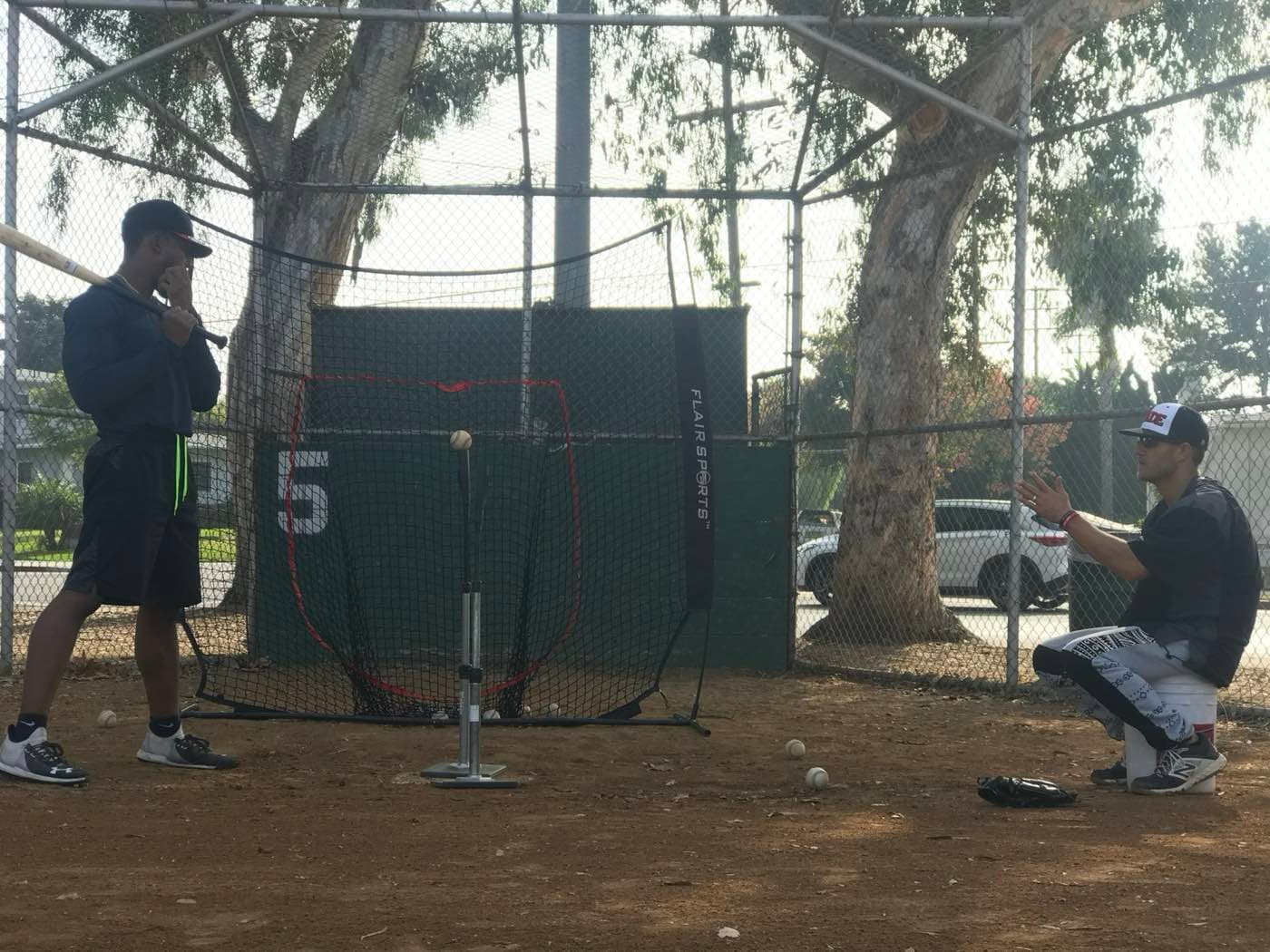
Can Your Little League Rent Out Its Batting Cage?
Most leagues own a cage that sits idle most of the year. Opening it up is usually allowed; it depends on who owns the ground, what your use agreement says, and what your liability policy covers. Here is how to check all three.
7 min readRead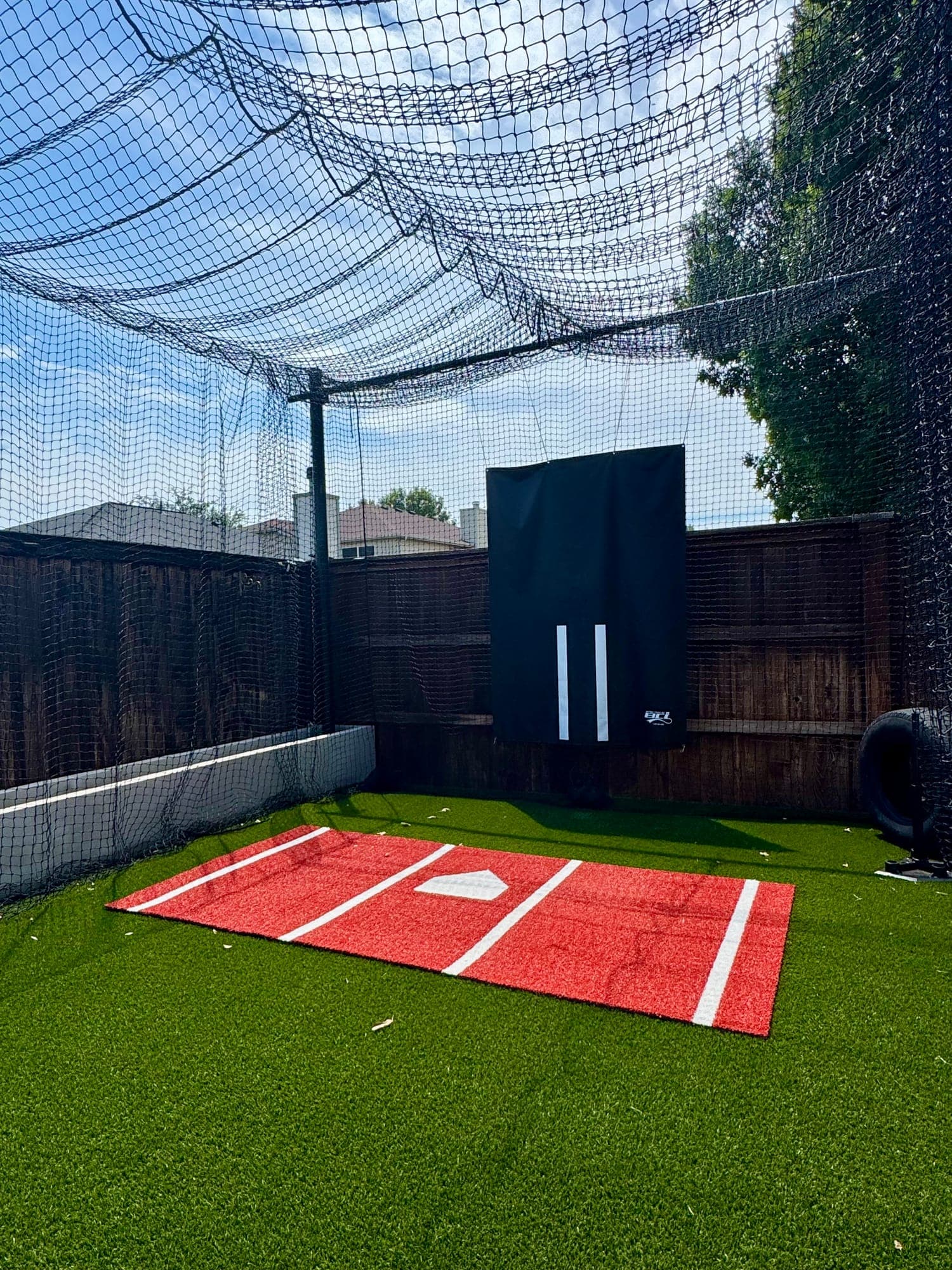
How Much Should You Charge to Rent Out Your Backyard Batting Cage?
Go too high and the calendar sits empty; too low and you leave money on the table. Here is the repeatable way experienced hosts price a backyard cage.
4 min readRead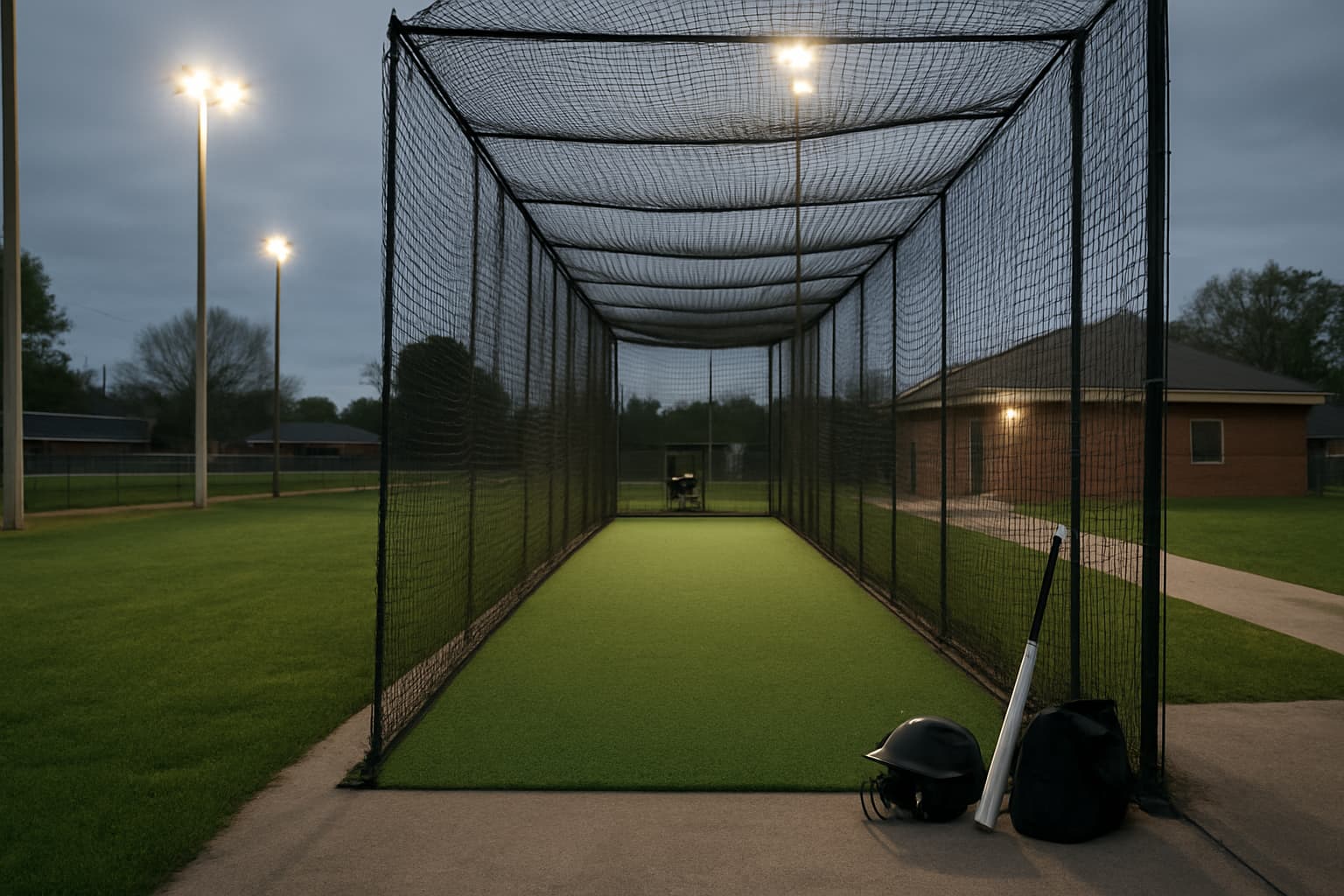
Idle Cage Hours: The Hidden Waste in Youth Baseball
Thousands of batting cages sit empty most of the week while families drive across town for reps. A look at youth baseball’s biggest missed opportunity.
4 min readRead
Run a travel team? Get your free page.
Baseball or softball. Claim a free directory page, post tryouts, and share cagelist.com/@yourteam with families.
Find your league
Free directories of real leagues and clubs near you. Then book a batting cage to get your reps in before opening day.
1,417 organizations
 leagues in 49 statesAdult hardball near you: MSBL, NABA and independent leagues.Browse men's leagues
 leagues in 49 statesYouth baseball and softball leagues, organized by state.Browse little leagues
 programs in 41 statesTravel and club programs in your region. Find one, or list yours free.Browse travel teams
Join the backyard batting cage community
Talk builds, gear, hosting and player development with cage owners, coaches, parents and baseball families.