
Batting cage demand changes with the baseball and softball calendar. Hosts who use one flat price all year often miss revenue during peak weeks and miss bookings during slower months. Seasonal pricing helps the cage stay full when demand dips and capture fair value when families, teams, and coaches are searching for practice space.
The right strategy depends on your market, weather, lighting, cage type, and guest mix. A backyard host on CageList may price differently from an indoor facility with multiple lanes, but the same principle applies: match price and availability to real demand.
Identify your peak seasons
Peak demand usually arrives before and during local baseball and softball seasons, tournament stretches, tryouts, school breaks, and bad-weather periods when outdoor fields are unavailable. In warm climates, winter can be strong because teams keep training. In colder climates, indoor or covered cages may be most valuable when outdoor practice is impossible.
Look at your booking requests, local league calendars, school schedules, and travel-ball tournament dates. If several teams ask for the same evening slots, that is peak demand. If weekday mornings sit empty, that is an off-season or off-peak opportunity.
Use peak pricing carefully
Peak pricing does not mean surprising guests with unreasonable rates. It means charging appropriately for scarce, high-value time. Prime evening hours in March may deserve a higher rate than a midweek afternoon in November. Team blocks, coach-led sessions, and machine-included rentals may also justify a premium.
Keep the value clear. If the rate is higher, the listing should show why: lighting, covered space, quality turf, machine access, clean parking, or reliable weather protection. Pair this with batting cage pricing guidance so seasonal adjustments fit your broader strategy.
Create off-season reasons to book
Off-season pricing should reduce friction. Offer shorter sessions, multi-pack discounts, team tune-up blocks, winter hitting plans, or weekday specials. A lower off-peak rate can bring in players who would not book a prime slot but still need reps. It can also introduce new guests who return during peak season.
Off-season demand improves when the offer is specific. Instead of simply lowering the rate, promote "winter swing tune-up," "tryout prep," "softball machine night," or "team cage block." For marketing ideas, use seasonal host strategies and social media marketing for batting cages.
Protect loyal guests
Seasonal pricing should not make regulars feel punished. Consider grandfathering recurring team blocks for a period, offering loyalty discounts, or giving repeat guests early access to prime slots. The goal is to optimize demand without damaging relationships.
Repeat teams can be more valuable than one-time peak bookings because they reduce marketing work and create predictable revenue. If that is your goal, connect pricing with earning repeat bookings from local teams.
Review pricing monthly
Do not set seasonal rates once and forget them. Review views, inquiries, bookings, cancellations, and open calendar slots. If prime slots sell out instantly, price or minimum duration may be too low. If off-peak slots never move, the offer may need a discount or a clearer use case.
Seasonal pricing works best when guests still understand the value. Keep your listing transparent, your calendar current, and your communication friendly. Price changes should feel like normal business operations, not random surprises.
Hosts should review local batting cage search results during both busy and slow months. Guest-facing supply helps reveal whether your seasonal rate is competitive, premium, or leaving demand uncaptured.
FAQ
Should cage hosts raise prices during tryout season?
They can, especially for prime slots, but the price should reflect real demand and a strong guest experience.
What is a good off-season discount?
Start modestly, such as 10 to 20 percent or a weekday package, then watch whether bookings and revenue improve.
Should teams pay a different rate than individuals?
Often yes. Teams use more space, create more wear, and may need longer blocks, but they can also become valuable repeat customers.
Get the numbers
Get your free batting cage cost estimate
Enter your email and we'll send you an itemized build breakdown — frame, netting, turf, lighting, and install — plus what a cage like yours could earn if you rent it out.
No spam, unsubscribe anytime. Prefer the interactive tool? Open the full cost calculator.
Already have a cage?
Rent it out when you're not hitting
Players, parents, and coaches near you are looking for cage time. Listing is free, you set your own price and hours, and you approve every booking.
Related Guides
View all articles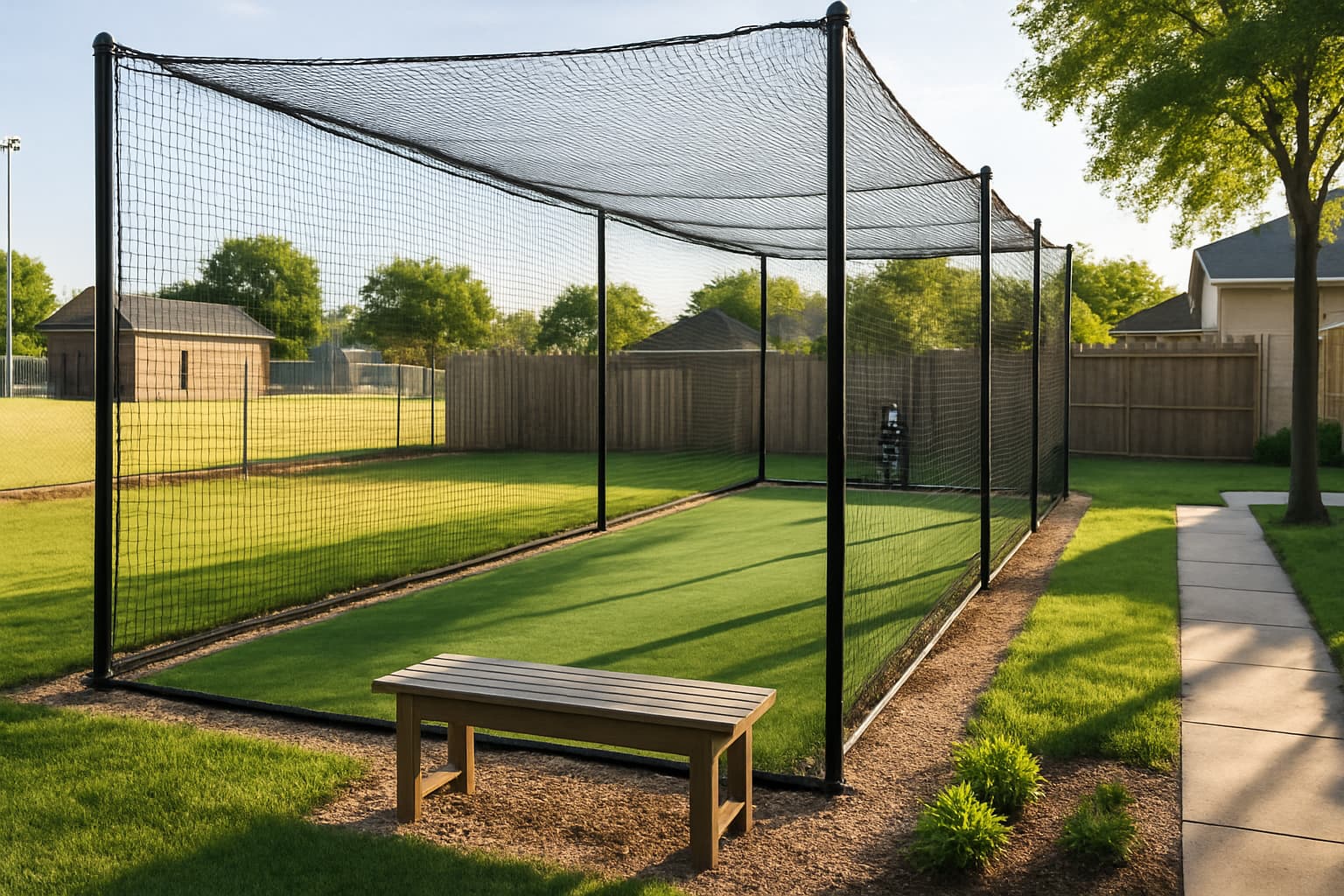
List Your Cage
How Much Should You Charge to Rent Out Your Backyard Batting Cage?
Go too high and the calendar sits empty; too low and you leave money on the table. Here is the repeatable way experienced hosts price a backyard cage.
List Your Cage
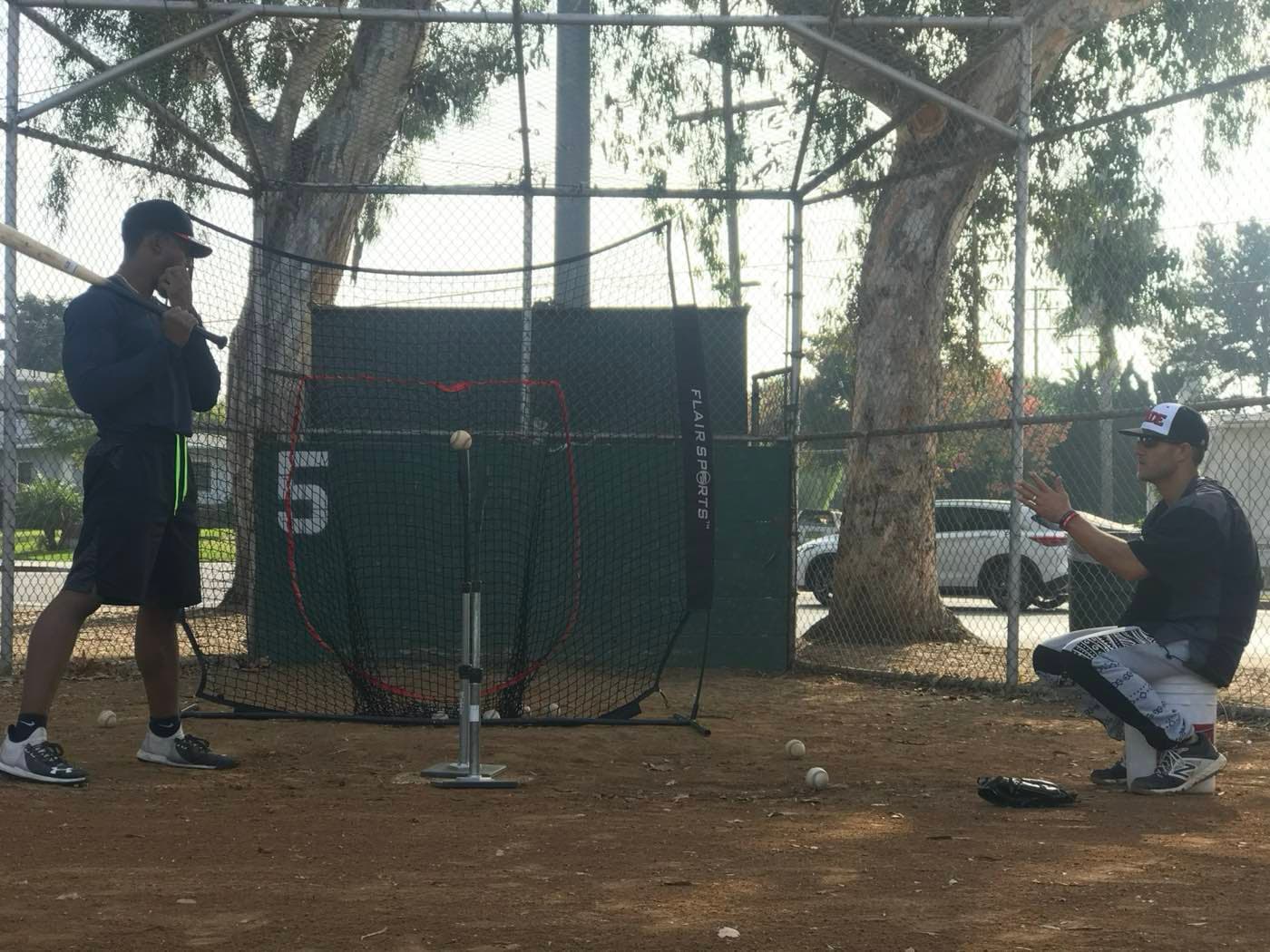
Can Your Little League Rent Out Its Batting Cage?
Most leagues own a cage that sits idle most of the year. Opening it up is usually allowed — it depends on who owns the ground, what your use agreement says, and what your liability policy covers. Here is how to check all three.
Find & Rent Batting Cages
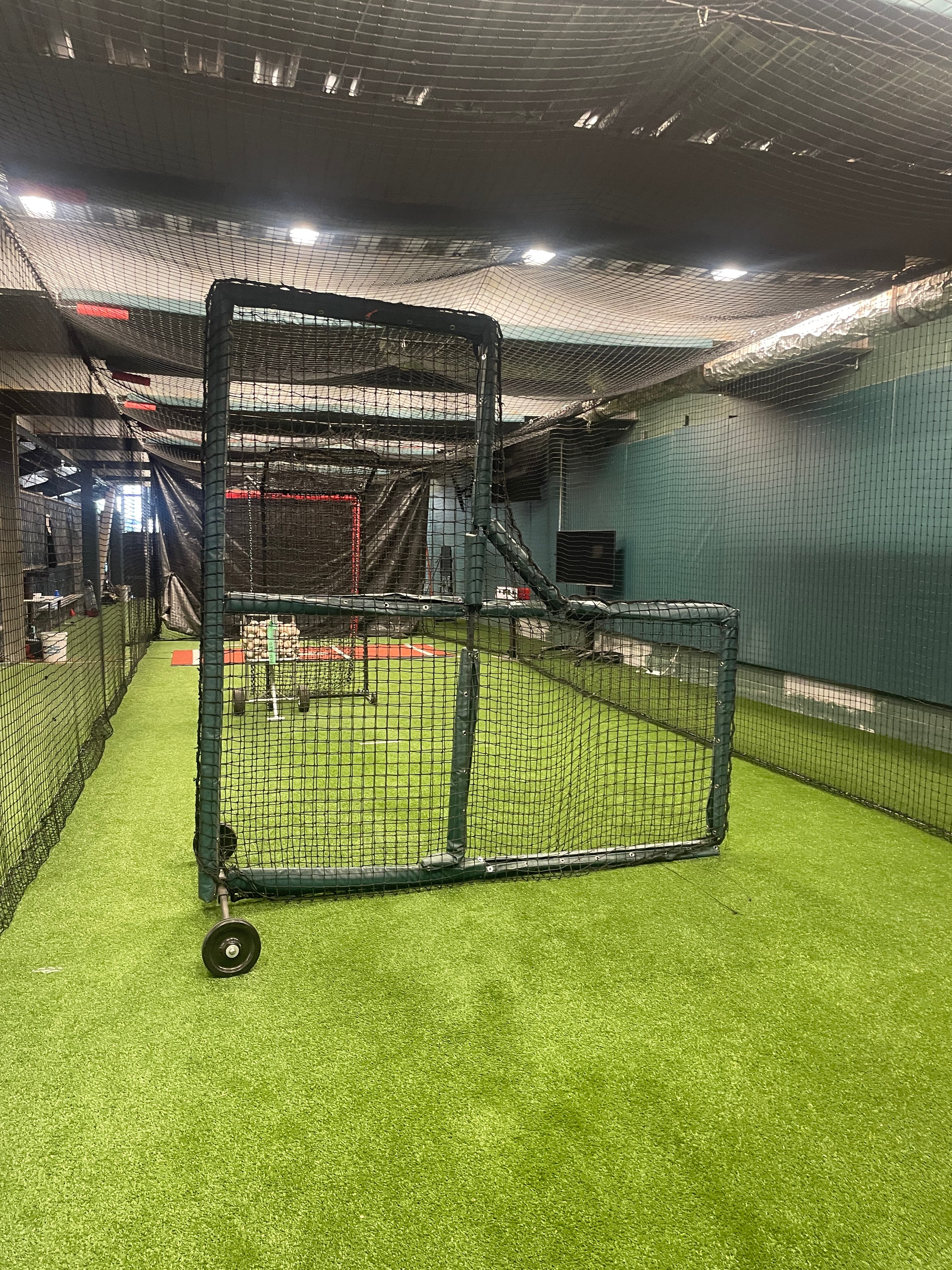
What You Actually Get at a HitTrax Cage in Dick's Sporting Goods
Dick's runs two different services in the same HitTrax cage, and they cost very different amounts. Here is what you get, what it costs, and when a real cage is the better call.
Run a travel team? Get your free page.
Baseball or softball. Claim a free directory page, post tryouts, and share cagelist.com/@yourteam with families.
Find your league
Free directories of real leagues and clubs near you — then book a batting cage to get your reps in before opening day.
1,000 organizations


Join the backyard batting cage community
Talk builds, gear, hosting and player development with cage owners, coaches, parents and baseball families.