
Winter is when league cages go darkest — and when families pay the most for indoor tunnel time. If your board already likes the fundraiser idea, this is the seasonal playbook: how to price, block, and open idle hours from November through February without chaos.
Think of winter as your pilot semester. Demand for tunnels is high, league schedules are lighter, and a clean eight-week experiment gives the board real numbers before spring complexity returns. You are not trying to reinvent Little League in December — you are proving that idle hours can fund the program and add swings without drama. Keep the pilot small enough that one board member can own it, and specific enough that success is obvious when February arrives.
Start from blocked time, not open time
Pull the real calendar first: winter clinics, evaluations, board work days, holidays, and turf rest. Everything else is a candidate hour. Conservative boards win here — under-promise open hours, then expand once the first month runs clean.
Write the blocked list where volunteers can see it. Ambiguity is what creates angry texts about who booked over All-Stars. A clean block list is the difference between a fundraiser and a fight. Revisit the block list monthly; winter calendars drift.
Price for your market, not for guilt
Match nearby commercial cage rates at a slight discount, or keep parity if your cage is covered and machine-ready. The product is convenience plus community access, not a fire sale. Publish clear session lengths and cancellation rules so volunteers are not negotiating in the parking lot.
For the bigger why and partnership framing, read the year-round fundraiser guide and the board-facing case for ending empty cages in Why Empty League Cages Shouldn't Be the Norm.
If you are unsure where to land on price, start at local indoor parity for covered cages and a modest discount for outdoor-only winter slots. Adjust after four weeks of real bookings — not after one loud parent email. Track no-shows the same way; pricing without attendance rules invites abuse.
Access rules that keep presidents calm
- League families first (or only) for season one
- Hard blocks for official practices and tryouts
- One booking window per family where abuse showed up historically
- Digital record of who was there and when
If you outgrow league-only demand, widen carefully — never by surprise email the week of Christmas. Communicate changes the same way you communicate tryouts: early, clear, and in writing. Presidents sleep better when the rules are boring and visible.
Share the pilot plan with coaches before you open bookings. When coaches understand which nights are protected for teams, they become allies instead of critics. Put the open hours on the same channels you use for registration reminders — website, email, and a single link parents can save.
February checkpoint
After 6–8 weeks, review: hours booked, volunteer tickets, net revenue, and player feedback. Then decide whether to widen access for spring shoulder season. Setup help lives on CageList for Little Leagues. Families who still need overflow reps can book nearby cages on the marketplace.
Winter idle hours are the easiest proof: dark months, high demand for tunnels, and a board that can measure results before spring chaos returns. Keep notes weekly so the February report writes itself — hours offered, hours booked, issues raised, and dollars retained for the league. Bring a one-page report to the board with hours opened, hours booked, dollars retained, and a recommendation for March through May. That is how empty cages stop being "just how we do things" and start becoming infrastructure the league can trust year after year.
Get the numbers
Get your free batting cage cost estimate
Enter your email and we'll send you an itemized build breakdown: frame, netting, turf, lighting, and install, plus what a cage like yours could earn if you rent it out.
No spam, unsubscribe anytime. Prefer the interactive tool? Open the full cost calculator.
Already have a cage?
Rent it out when you're not hitting
Players, parents, and coaches near you are looking for cage time. Listing is free, you set your own price and hours, and you approve every booking.
Related Guides
View all articles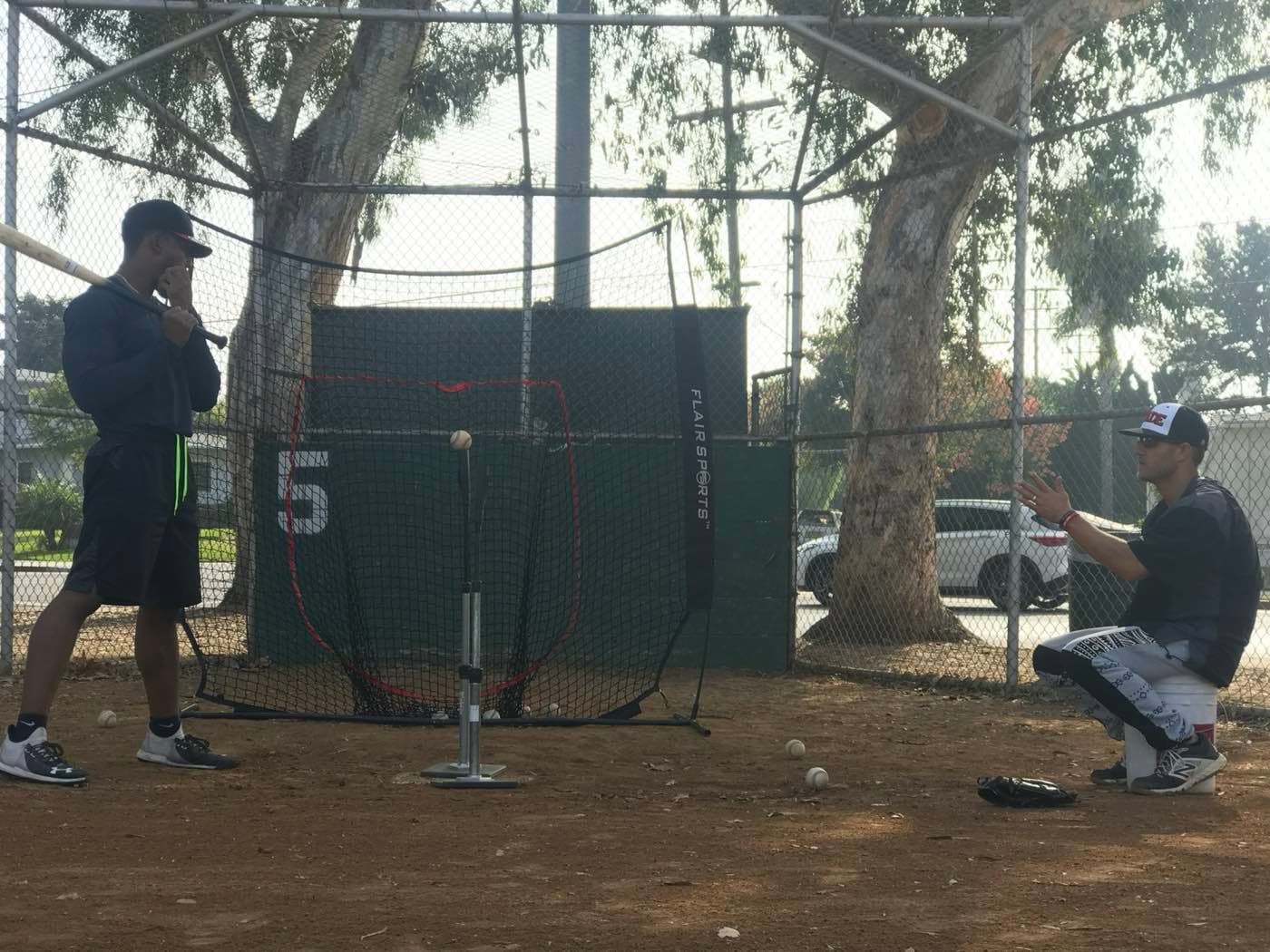
Can Your Little League Rent Out Its Batting Cage?
Most leagues own a cage that sits idle most of the year. Opening it up is usually allowed; it depends on who owns the ground, what your use agreement says, and what your liability policy covers. Here is how to check all three.
7 min readRead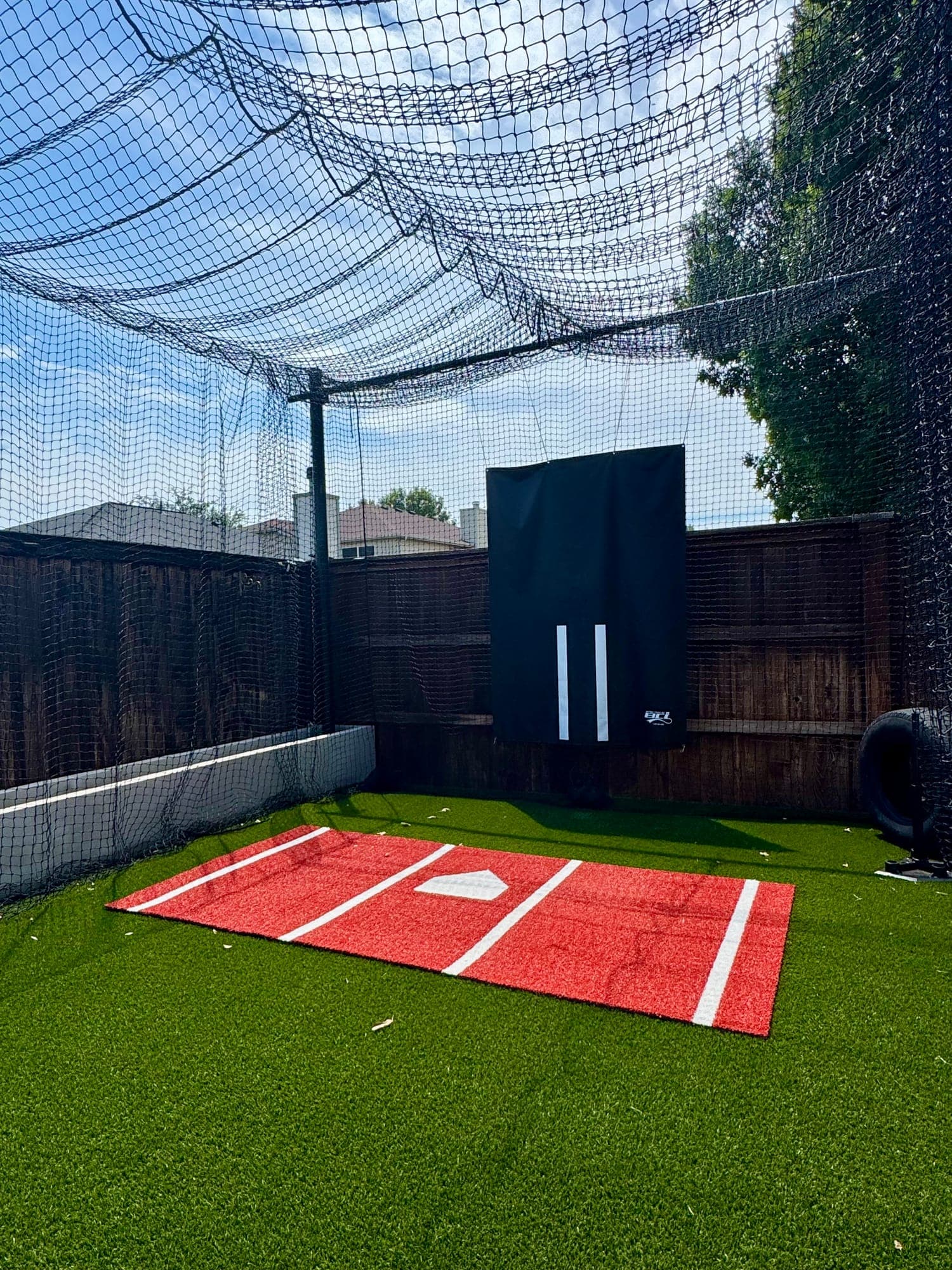
How Much Should You Charge to Rent Out Your Backyard Batting Cage?
Go too high and the calendar sits empty; too low and you leave money on the table. Here is the repeatable way experienced hosts price a backyard cage.
4 min readRead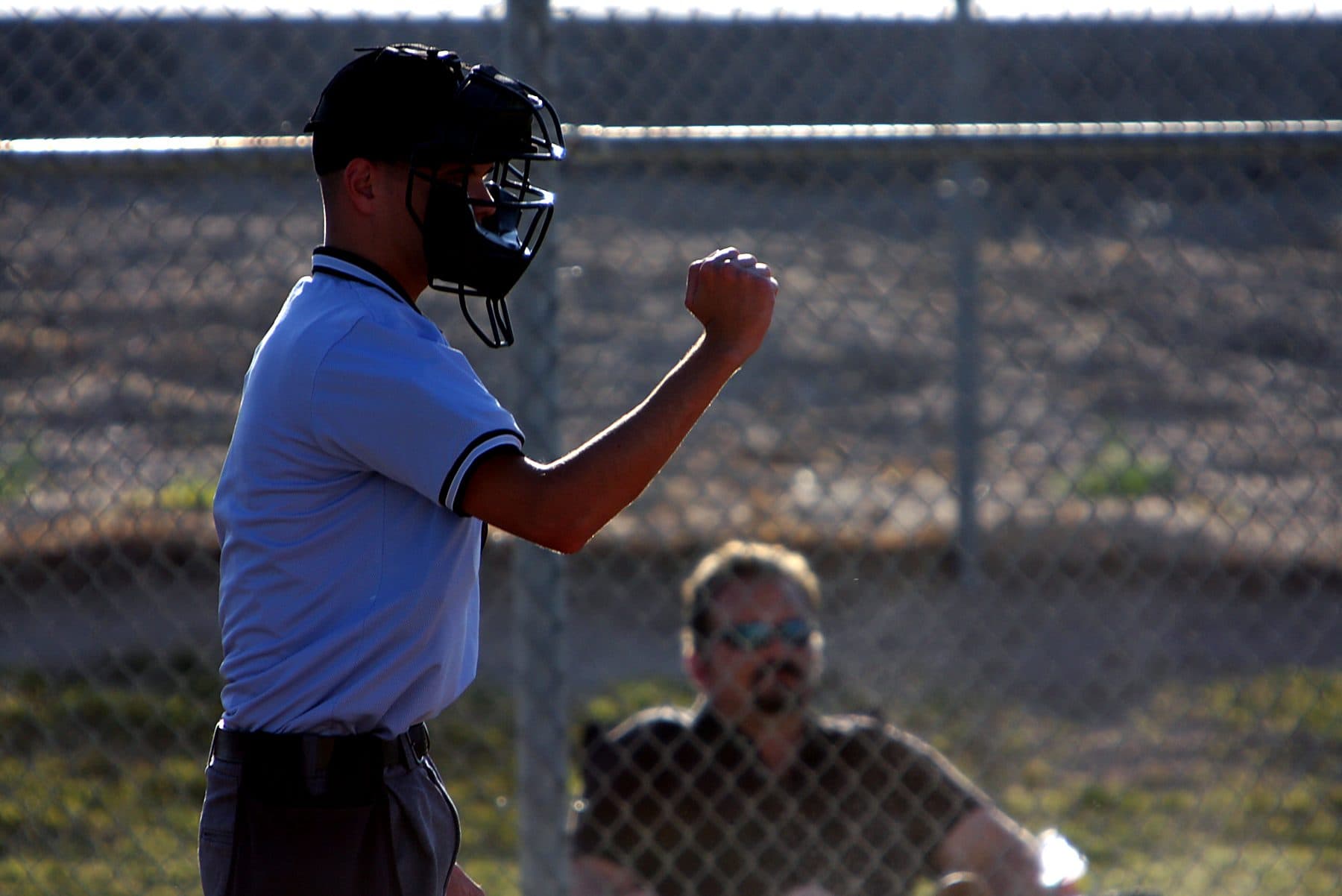
Everybody Thinks the Umpire Is Bad
Without umpires, baseball does not exist. Isaac Hess on the one season he wore the mask, what the job pays, what a day looks like and what we say to the people in the gear.
8 min readRead
Run a travel team? Get your free page.
Baseball or softball. Claim a free directory page, post tryouts, and share cagelist.com/@yourteam with families.
Find your league
Free directories of real leagues and clubs near you. Then book a batting cage to get your reps in before opening day.
1,417 organizations
 leagues in 49 statesAdult hardball near you: MSBL, NABA and independent leagues.Browse men's leagues
 leagues in 49 statesYouth baseball and softball leagues, organized by state.Browse little leagues
 programs in 41 statesTravel and club programs in your region. Find one, or list yours free.Browse travel teams
Join the backyard batting cage community
Talk builds, gear, hosting and player development with cage owners, coaches, parents and baseball families.