Setting a price is the scariest part of listing your backyard cage — go too high and the calendar stays empty, go too low and you leave real money on the table every week. The good news: pricing a batting cage isn’t guesswork. It’s a repeatable process, and you can dial it in with about twenty minutes of homework. Here’s how experienced hosts think about it.
Start with what your cage actually offers
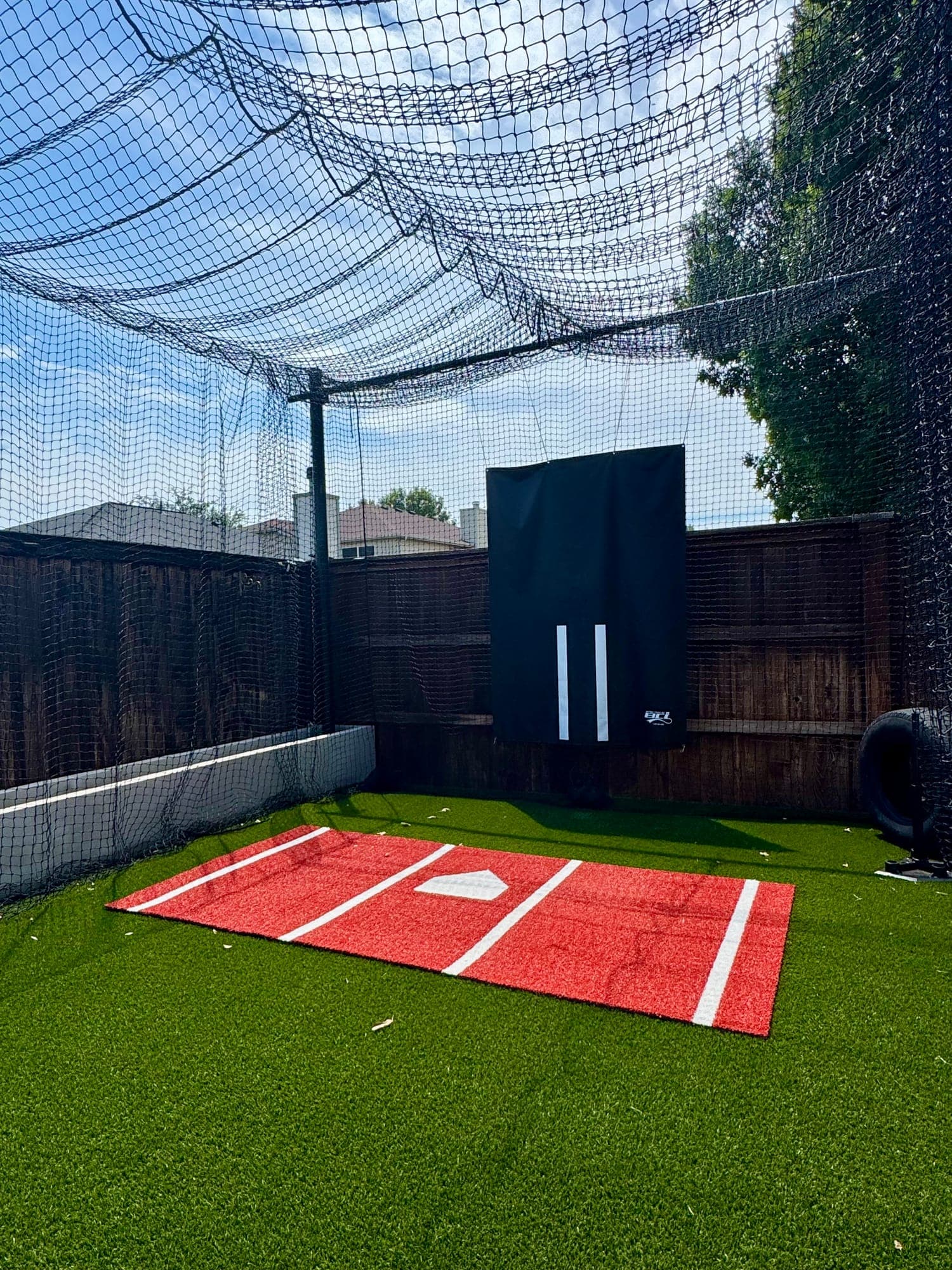
Before you pick a number, take an honest inventory of what a renter is paying for. A cage with a quality pitching machine, real turf, good lighting for evening sessions, and easy parking commands more than a bare net in a side yard. The features that move price the most:
- Pitching machine: A programmable or three-wheel machine (think a Hack Attack-class) is the single biggest driver of what you can charge.
- Surface and length: Full-length turf lanes that let hitters see real ball flight beat short, hard-floor setups.
- Lighting: Evening availability roughly doubles your bookable hours, and renters will pay for it.
- Privacy and access: A dedicated entrance, clear parking, and a self-entry setup make your cage easier to say yes to.
If you’re still building out your space, our guide to a great listing walks through the upgrades that pay for themselves fastest.
Affiliate disclosure: As an Amazon Associate, CageList earns from qualifying purchases. Some links in this post are affiliate links — if you buy through them, CageList may earn a commission at no extra cost to you.
Find your local comps
The most reliable way to price is to see what comparable cages near you already charge. Open CageList search, filter to your area, and look at cages with a similar machine and setup. You’re not trying to be the cheapest — you’re trying to land in the realistic band for your market. Prices vary widely by region and by what’s included, so a cage in a dense, baseball-crazy metro will sit at a very different number than one in a rural town. Let the real listings around you set the range, then position yourself inside it based on your features.
Price for utilization, not ego
The number that matters isn’t your hourly rate — it’s your rate multiplied by how many hours you actually book. A cage at a lower rate that stays busy every evening earns far more than a premium-priced cage that sits empty five nights a week. When you’re new and have no reviews yet, it’s worth opening slightly below your target to earn your first bookings and ratings, then raising the rate as demand and social proof build. Our pricing strategies playbook goes deeper on finding that balance.
Use tiers, discounts, and seasons
One flat number leaves money on the table. A few levers smart hosts pull:
- Peak vs. off-peak: Evenings and weekends are your premium hours; weekday mornings can be discounted to fill otherwise-dead time.
- Longer sessions and packages: Offer a small break on multi-hour or recurring bookings to reward the teams and families who come back weekly. See tiered pricing and discounts.
- Seasonality: Demand spikes before and during the season and dips in the off-months. Adjust accordingly — our seasonal strategies guide covers the calendar.
Let the platform handle the fees
On CageList, guests always see an all-in price with any fees itemized at checkout, so you can price around the honest value of your cage instead of trying to game a number. Set your hourly rate to reflect what your setup is worth in your market — the machine, the surface, the lighting, the convenience — and let the checkout do the rest.
Put it into practice
Pricing isn’t a one-time decision — it’s a dial you adjust as you learn what your market will bear. Start from your features, anchor to local comps, open a touch lower to build momentum, then optimize for how full your calendar stays. When you’re ready, list your cage and put your first number to the test. You can always change it next week.
Get the numbers
Get your free batting cage cost estimate
Enter your email and we'll send you an itemized build breakdown: frame, netting, turf, lighting, and install, plus what a cage like yours could earn if you rent it out.
No spam, unsubscribe anytime. Prefer the interactive tool? Open the full cost calculator.
Already have a cage?
Rent it out when you're not hitting
Players, parents, and coaches near you are looking for cage time. Listing is free, you set your own price and hours, and you approve every booking.
Related Guides
View all articles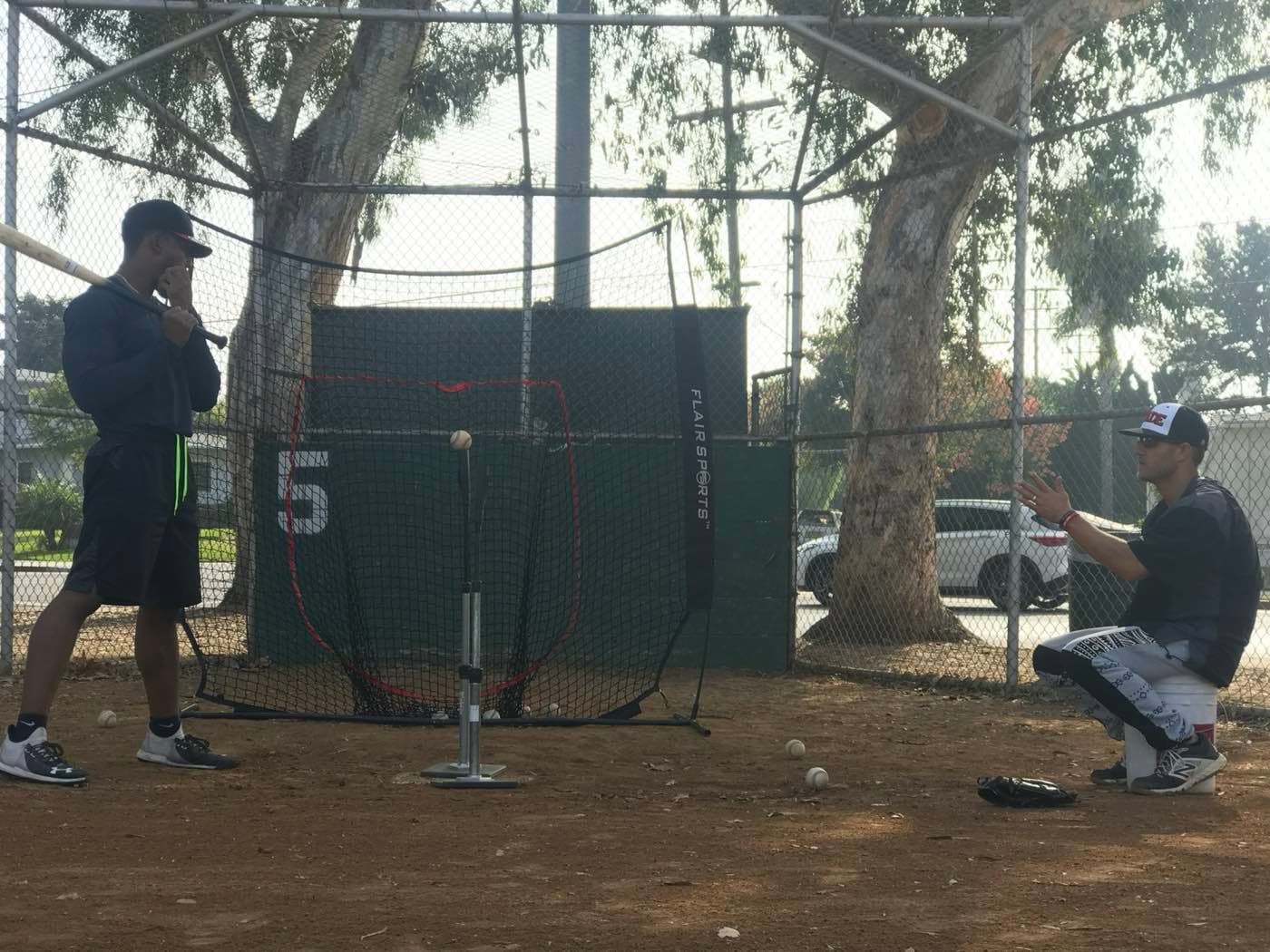
Can Your Little League Rent Out Its Batting Cage?
Most leagues own a cage that sits idle most of the year. Opening it up is usually allowed; it depends on who owns the ground, what your use agreement says, and what your liability policy covers. Here is how to check all three.
7 min readRead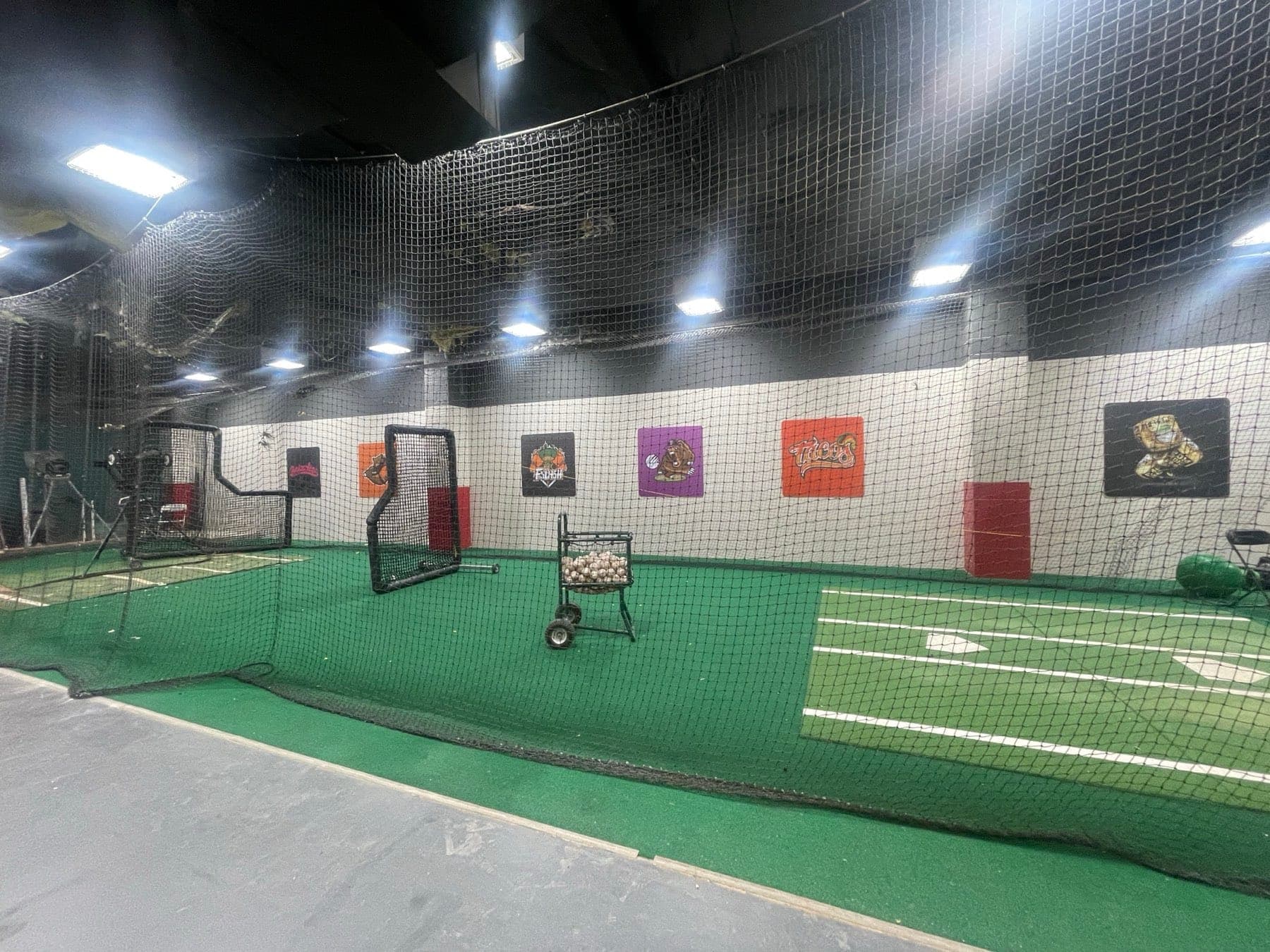
How Batting Cage Facilities Fill Their Empty Weekday Hours
Most batting cage facilities sit half-empty on weekday mornings. Here is how to turn that idle daytime into steady, low-effort recurring revenue.
4 min readReadIdle Cage Hours: The Hidden Waste in Youth Baseball
Thousands of batting cages sit empty most of the week while families drive across town for reps. A look at youth baseball’s biggest missed opportunity.
4 min readRead
Run a travel team? Get your free page.
Baseball or softball. Claim a free directory page, post tryouts, and share cagelist.com/@yourteam with families.
Find your league
Free directories of real leagues and clubs near you. Then book a batting cage to get your reps in before opening day.
1,417 organizations
 leagues in 49 statesAdult hardball near you: MSBL, NABA and independent leagues.Browse men's leagues
 leagues in 49 statesYouth baseball and softball leagues, organized by state.Browse little leagues
 programs in 41 statesTravel and club programs in your region. Find one, or list yours free.Browse travel teams
Join the backyard batting cage community
Talk builds, gear, hosting and player development with cage owners, coaches, parents and baseball families.