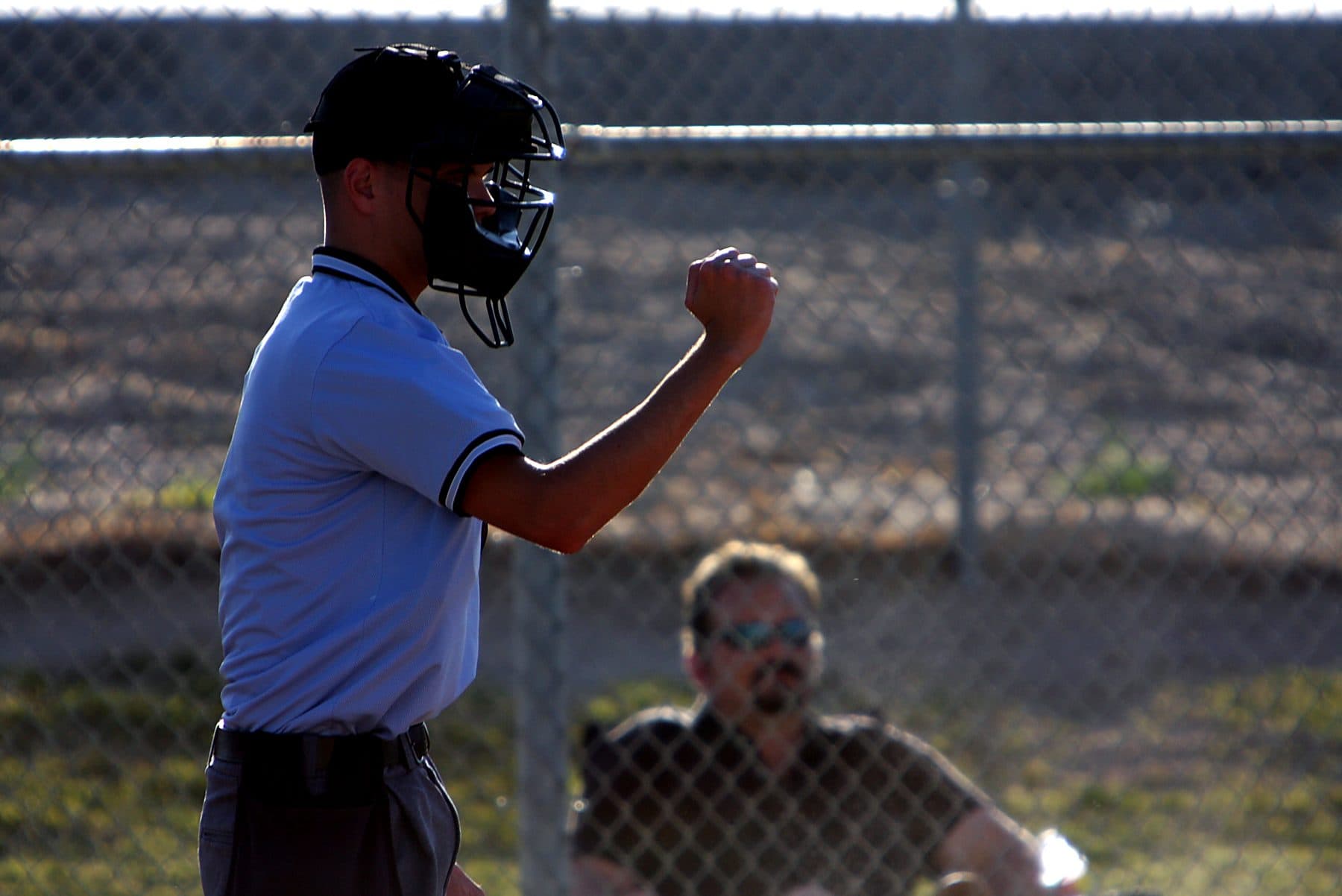
Part 1 of 3 in a series on the people who call the game.
Without umpires, baseball doesn't exist.
I know how that sounds when you are standing at the fence, mad about a pitch. Hold on to the mad for a few minutes. I want to tell you about the one season I wore the mask.
I was nervous, and I knew the game
I umpired for one season in high school. Later I worked a handful of Little League games at PV East Little League in Paradise Valley East, Arizona. It has a different name now.
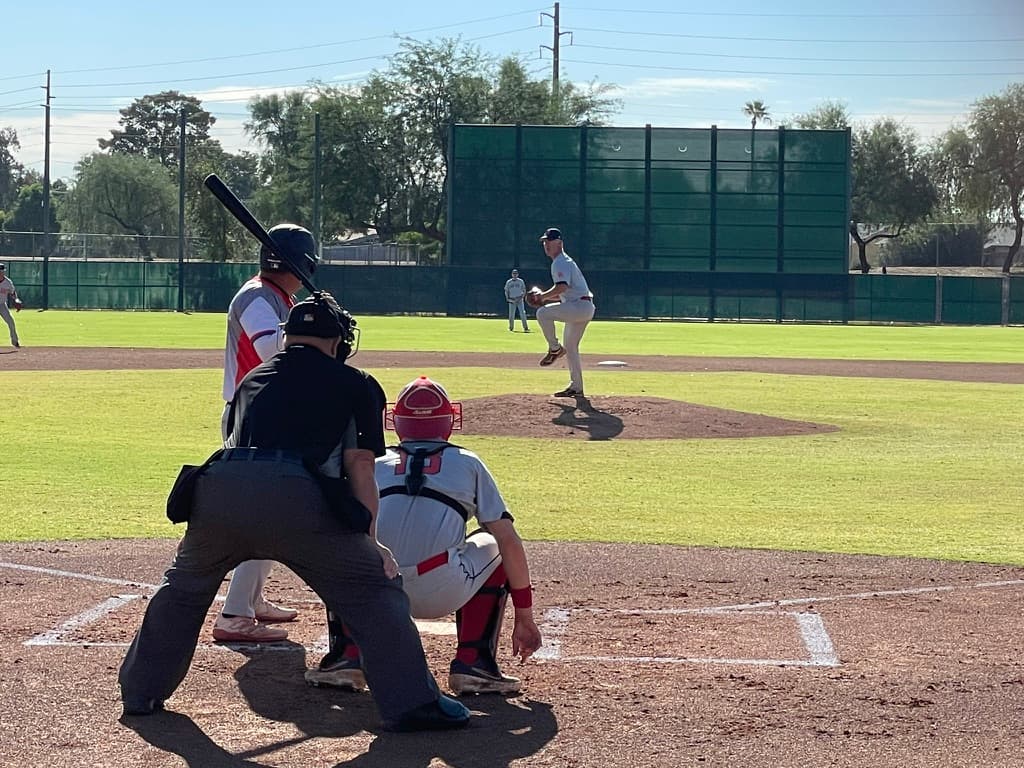
I had a high baseball IQ. I knew the rules, I knew the zone, I had been calling pitches in my head since I was a little kid. None of that stopped my hands from sweating behind the plate. I was nervous every game. I did not want to mess up, and that is the whole job in one sentence: you are trying not to be the reason something went wrong.
It was harder than it looks from the stands. A lot harder. I have respected the people in that gear ever since.
Let me say the good part first
Some umpires are bad. Some days are bad. I have been on the wrong end of a call that I am still sure was wrong, and so have you.
Here is the part we skip. The person we are mad at is very often a teenager or a retiree working for gas money. Hold that thought, because the numbers are coming.
One pitch can decide a game
Picture it. Final inning. One-run game. Bases loaded, full count. The pitcher throws one right down the middle, or just catching the corner. The umpire flinches and calls it ball four.
That happens all the time in competitive games. I have watched it from the dugout and I have lived it on the mound. One call, and the whole game turns.
That is also the beauty of baseball. Nobody wants a 10 to 0 World Series. We want it tight. Game 7 of the 2025 World Series between the Dodgers and Blue Jays went 11 innings and ended 5 to 4. In the bottom of the ninth, with the game tied and the bases loaded, Miguel Rojas fielded a grounder, recovered from a stumble and threw home to Will Smith, who forced out the runner at the plate. The Dodgers won it two innings later. Games that close are the reason we watch.
Games that close are also the reason one call feels like the end of the world. You cannot have one without the other.
My "all umpires are bad" line is a hook, not a belief
I titled this the way I did on purpose, because it is what the bleachers say. I do not believe it.
Think about what a major league umpire is asked to do. A pitcher throws in the upper 90s, with movement, and paints a corner by a sliver. The catcher catches it and frames it, which means he is working to make a ball look like a strike. The umpire has a fraction of a second to decide. It takes vision, focus, being locked in, and feel.
In my view, if a major league umpire gets four out of five close ones right, that is very good. That is my opinion as someone who pitched, not a measured number.
As a pitcher I have had plenty of strikes called balls. I get it. I would also love it to be black and white, like a basketball going through the hoop or not. That is why I like what MLB did in 2026. Human umpires still call balls and strikes, and the batter, pitcher or catcher can challenge a call. Each team gets two challenges a game, and you keep yours if you win. Replay already helps on the bases, and the ball-strike challenge is another tool. I love it. It still needs a person behind the plate, and that person still has to be right most of the time before anyone challenges anything.
What the job pays
Now the numbers I promised. They vary by place, so treat these as examples, not a national price list.
Youth games pay the least. American Legion Youth Baseball lists $20 a game at 8U, rising to $45 to $50 at 15U. A program that recruits teen umpires says umpires can make "upwards of $75 per game". On the high school side, TAPPS, the athletics association for private schools in Texas, lists $110 for a varsity crew umpire's first game and $90 for each additional game in its 2026-27 rates, and northern Nevada paid $85 for varsity in 2025.
Little League is a different world. Little League expects its umpires to be volunteers and advises leagues against paying them. So "they make a hundred bucks a game" is a high school number, not a Little League number.
Here is arithmetic, not a survey. If you count the drive, the arrival, a two-hour game and packing up, a $100 fee covers about three to four hours. That works out to roughly $25 to $33 an hour, if you count it that way.
What a day of it looks like
On Sunday, October 11, 2026, I pitched five innings in my men's league game in Florida, then moved to first base. I play for the Regulators. Between games I talked to the umpire.
He told me he started at 9:30 in the morning and would likely work until about 7:30 at night. Florida heat, Florida humidity. Fifteen to thirty minutes between games. Barely any shade. A basic cap, no sun hat, no real break.
I love baseball and I would hate that day. He did it anyway.
Heat is not a small thing. A 61-year-old umpire collapsed and died at a youth softball tournament in Sumter County, South Carolina, in June 2025; the coroner's preliminary ruling was heat stroke, and temperatures reached 91 degrees that Saturday. I am not saying anyone's workload caused that. I am saying the people in the gear are out there in it.
Who is doing this
The average age of officials in a 2023 survey of 35,813 of them was 56.68, up from 53.29 in 2017. That is why every teenager who sticks with it matters. American Legion Youth Baseball sets its minimum umpire age at 13, and UMPS CARE runs a free six-week course for teens.
Getting to the top is a needle's eye. Major League Baseball has 76 full-time staff umpires, as of a February 2025 AP report. In my experience, most people who do this for a living top out somewhere around varsity. That last part is what I have seen, not a statistic.
What we say to them
In June 2019 near Denver, Colorado, a 13-year-old umpired a game of 7-year-olds, parents and coaches fought over a call, and police said several people were cited for disorderly conduct. Adults. Over a game of seven-year-olds.
In 2023 two umpires quit Deptford Little League in New Jersey, and the league president said parents who act up could not attend unless they umpired three games themselves. I do not know if that is the answer. I understand the feeling.
What to do on Saturday
Five things, short.
- Do not argue the call. Little League's own coaching guidance says to wait until between innings, ask permission, and speak calmly and privately.
- Say one sentence to the young umpire: "Thanks for being out here." It costs nothing.
- Tell your own kid before the game that the umpire is going to miss one. Make it a plan, not a surprise.
- Do not let the parent next to you pile on. Say "easy" and mean it.
- Remember who they are. This is someone's kid, or someone's grandfather.
I wrote about a tied Sunday game where I stood in the third base coach's box hoping it would just end, and what that says about perspective on the sideline, in The Sunday I Wanted to Lose.
Where I'm coming from, and what I can't tell you
I am a coach and a former pro player. I have been the pitcher yelling in my head at a corner call. I have also been the nervous kid in the mask, and that one changed me the most.
What I can tell you is what the plate looks like from the mound, from the dugout and, a little, from behind it. What I cannot tell you is what a full-time career in this feels like. I never did that. When I say most people top out around varsity, take it as what I have seen.
The last thing
CageList is built around one idea: where the game connects. Players, teams, coaches and facilities find each other here. The person who calls the game is the part of that connection nobody has built a front door for. Every field and league on CageList's browse page and every Little League that lists with us needs one of them to show up. I am not announcing anything. I am telling you where my head is.
This is Part 1 of 3. The next two parts cover why the umpire gave them that call, and who is going to umpire your kid's game.
For the longer story behind how I think about the parts of youth baseball nobody argues about, start with Big Travel Ball.
Isaac Hess is a coach, a former pro player and the founder of CageList.
Cover photo: U.S. Marine Corps photo of Cpl. Jeremiah Thalheimer, volunteer Little League umpire, Twentynine Palms, California. Public domain.
Turn the talk into reps
Every one of these comes back to the same thing: getting on the field and putting in the work. Find cage time near you and go do it.
Related Guides
View all articles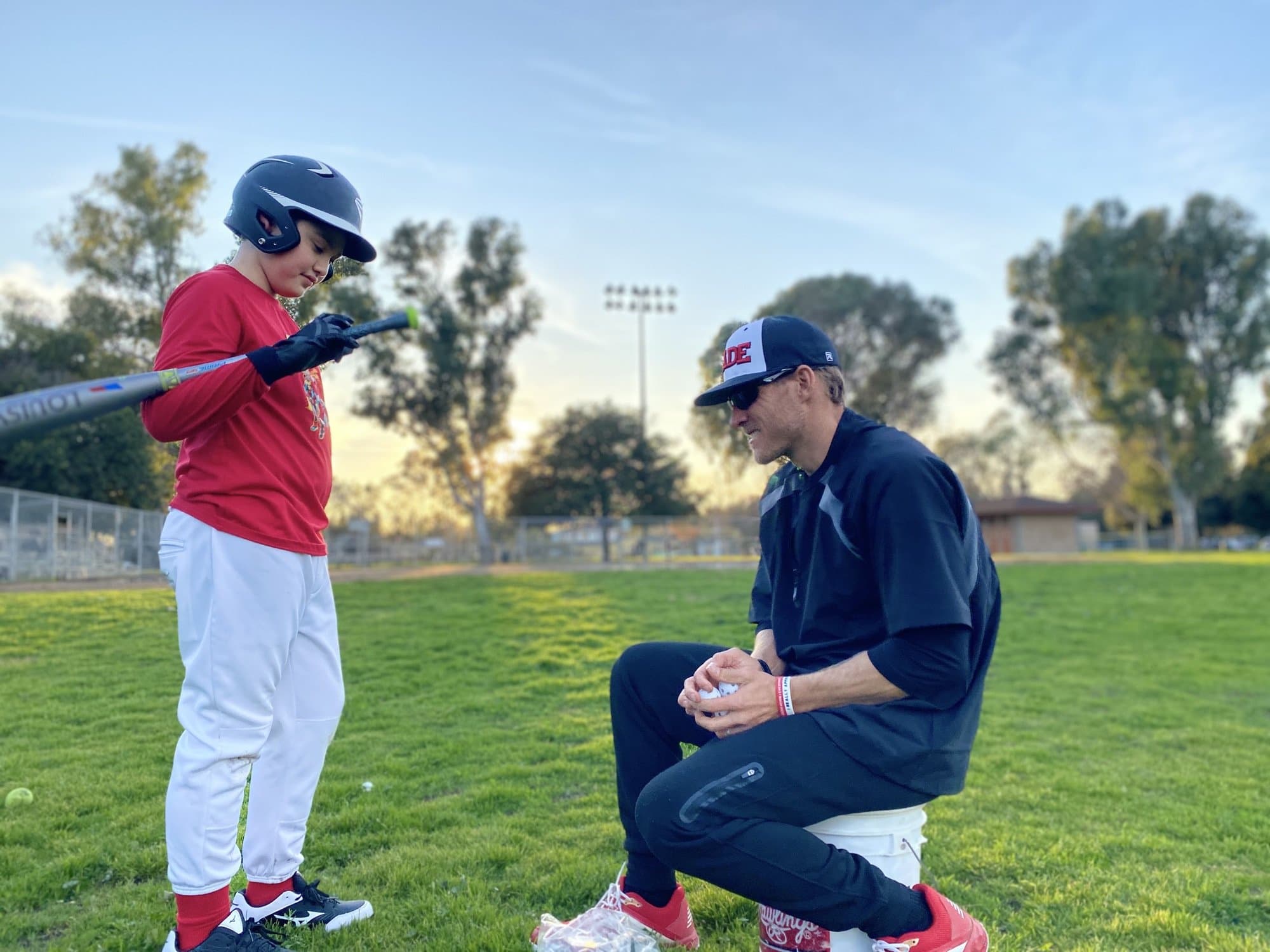
I Was a Coach With Nowhere to Coach. So I Built CageList.
For years I gave baseball lessons in Los Angeles, and the hardest part was never the coaching. It was finding a place to do it. Isaac Hess on why he built CageList.
6 min readRead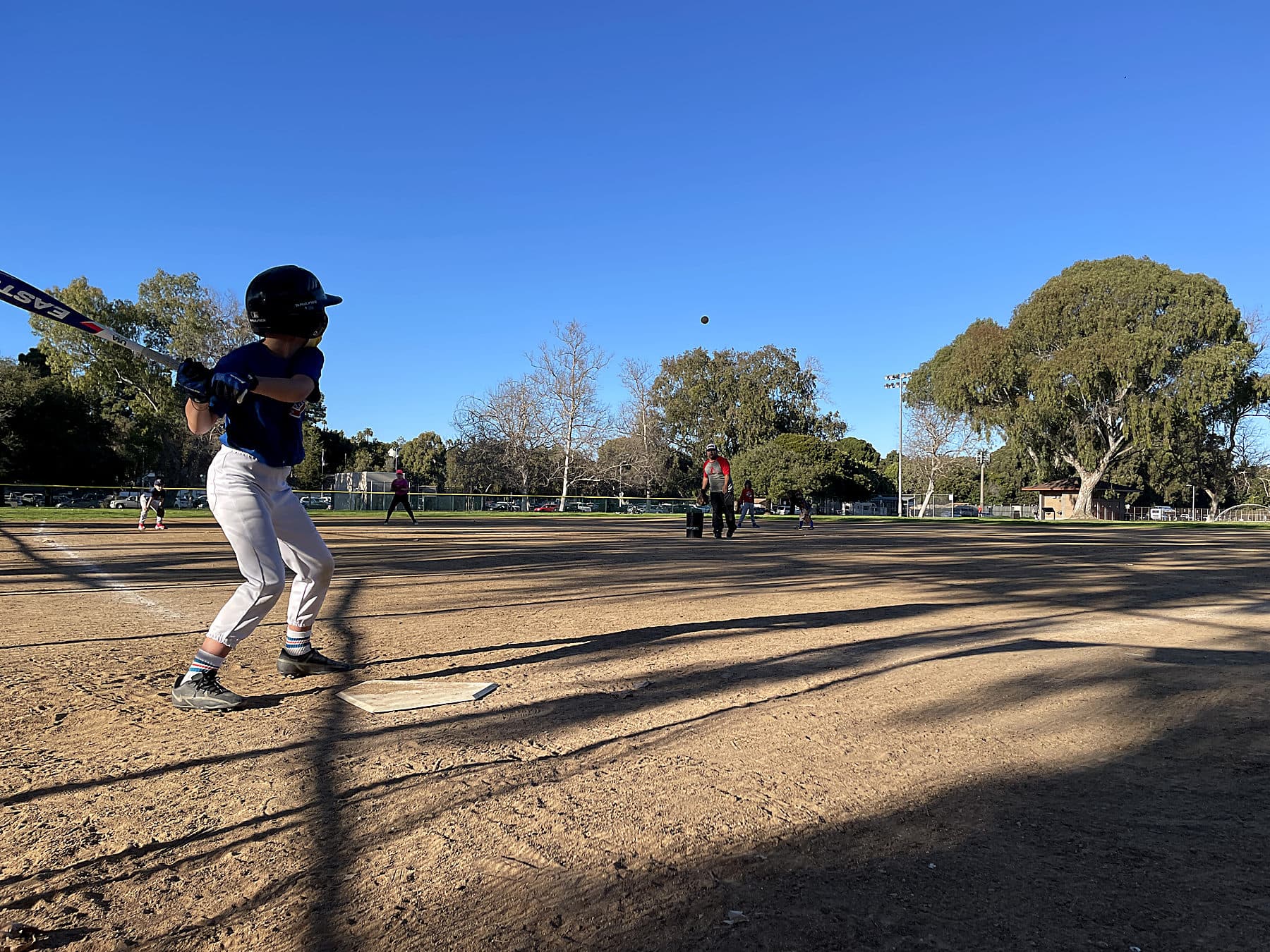
Hustle Ball: The Missing Middle Between Little League and Travel Ball
Hustle Ball sits between Little League and travel ball. I made it up with tennis balls in 2020. Here is why, how a session runs, who it fits, and how another coach could run it.
7 min readRead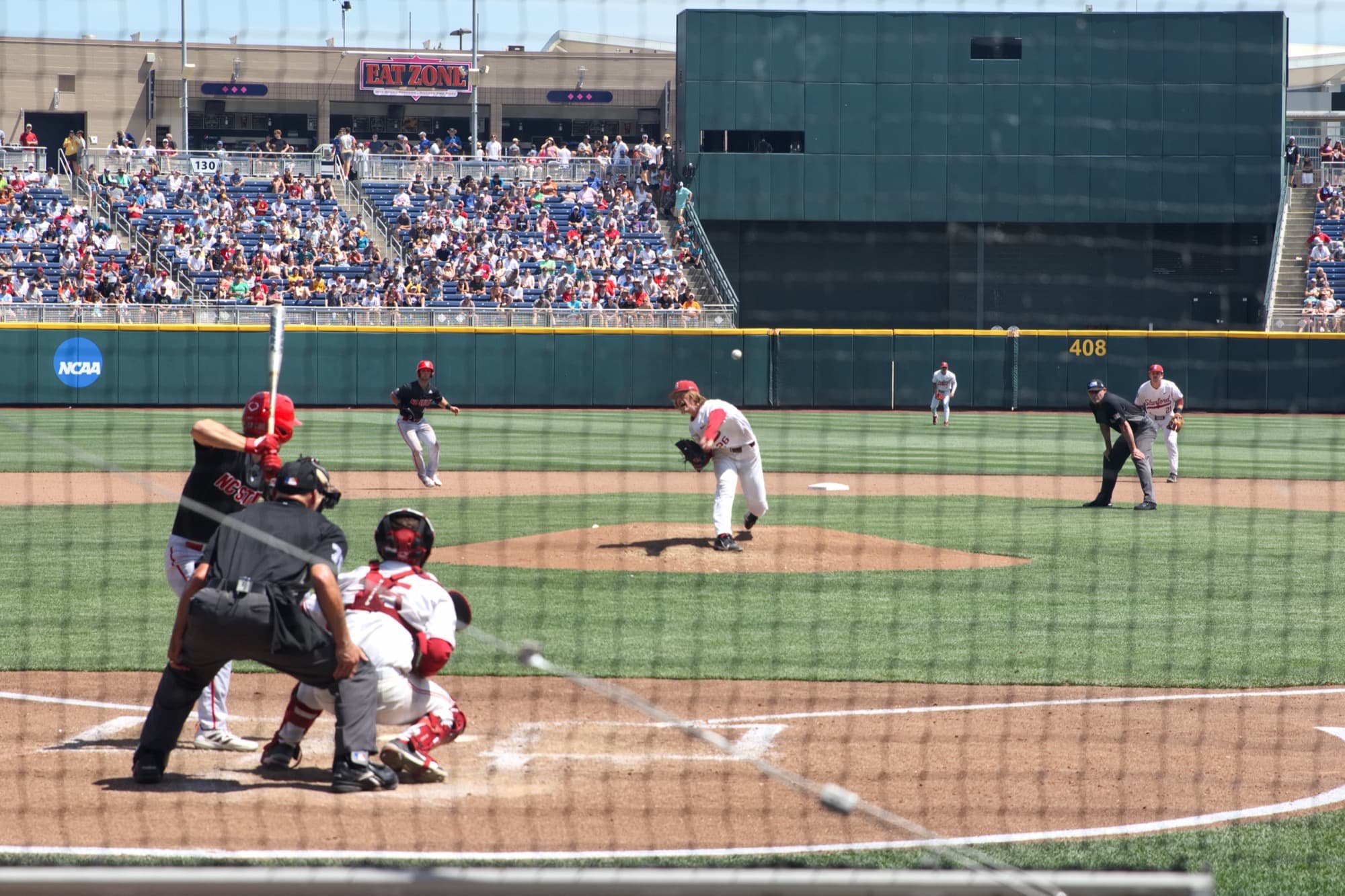
College Baseball Transfer Portal: What Parents Should Know
Your 17-year-old is not just competing against other 17-year-olds anymore. A former pro pitcher breaks down the transfer portal, the 34-man roster, NIL and JUCO, and what serious families should do about it.
16 min readRead
Run a travel team? Get your free page.
Baseball or softball. Claim a free directory page, post tryouts, and share cagelist.com/@yourteam with families.
Find your league
Free directories of real leagues and clubs near you. Then book a batting cage to get your reps in before opening day.
1,417 organizations
 leagues in 49 statesAdult hardball near you: MSBL, NABA and independent leagues.Browse men's leagues
 leagues in 49 statesYouth baseball and softball leagues, organized by state.Browse little leagues
 programs in 41 statesTravel and club programs in your region. Find one, or list yours free.Browse travel teams
Join the backyard batting cage community
Talk builds, gear, hosting and player development with cage owners, coaches, parents and baseball families.