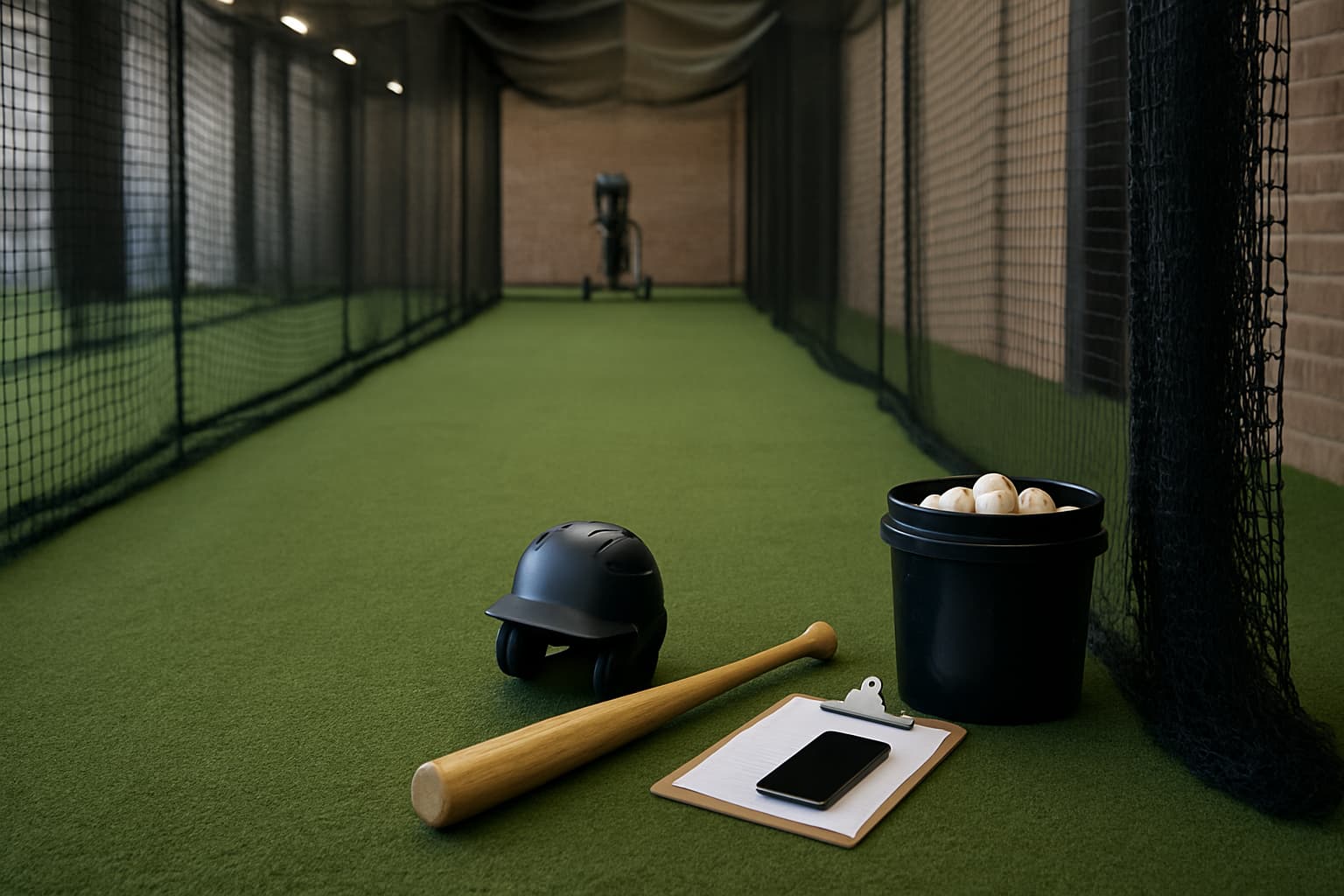
How you price your batting cage rental determines everything — how often it books, who shows up, and how much you earn at the end of the year. Most new hosts either underprice out of fear or overprice out of hope. This guide gives you the real numbers so you can get it right from day one.
Run the ROI calculator to see what your cage could earn at different price points
What Batting Cage Rentals Are Actually Charging in 2026
Pricing varies by market, setup quality, and amenities — but here is what the data shows across CageList hosts nationwide.
Entry-level setups (basic netting, no machine, outdoor or uncovered): $20–$30 per hour
Mid-tier setups (permanent frame, turf or matting, basic lighting): $30–$50 per hour
Premium setups (covered structure, pitching machine, full turf, lighting): $50–$80 per hour
Two-tunnel premium setups (dual machines, covered, team-ready): $75–$120 per hour or $150–$300 per team session
The single biggest pricing lever is whether you have a pitching machine. Cages with machines consistently book at 40–60% higher rates than those without — and they fill faster.
See the full cage build guide to understand which upgrades move the pricing needle most
How to Set Your Starting Price
Do not start by guessing. Start by answering these four questions.
What is the closest comparable facility charging? Check your local indoor facilities and any other CageList listings in your area. You do not need to undercut them — you need to be competitive while offering the convenience of a backyard setting.
What does your setup actually include? Be honest. A tee, a mat, and basic netting is a $25/hour setup. A covered structure with a Hack Attack and turf is a $65/hour setup. Price what you have, not what you wish you had.
Who is your target renter? Youth players and rec ball families are price-sensitive. Travel ball families and adult leagues are less so. Coaches booking for lessons will pay premium rates for quality setups.
How many hours per week do you want to run? If your goal is 10 hours a week you can price higher and be selective. If you want maximum bookings, price at the midpoint of your market and build reviews quickly.
List your cage free and set your own pricing from day one
Hourly vs. Session-Based Pricing
Most hosts start with hourly pricing because it is simple and familiar. But session-based pricing often earns more.
Hourly pricing works well for: individual players, walk-up bookings, flexible availability.
Session-based pricing works well for: team bookings, lesson packages, coach rentals.
A practical two-tier structure that works for most hosts:
Individual rate: $45/hour
Team session rate: $120 for 90 minutes — equivalent to $80/hour but feels like a deal to the team.
The team rate drives your highest-value bookings. A travel ball team booking a 90-minute session twice a week is $240/week or nearly $12,500/year from one repeat customer.
When to Raise Your Prices
New hosts should start at the low-to-mid range of their market and raise prices after hitting these milestones.
After 5 reviews: raise 10–15%.
After 20 reviews: raise to the top of your market range.
After consistent waitlisting: you are underpriced — raise immediately.
Do not be afraid to charge what your setup is worth. Renters who find a covered two-tunnel cage with machines and turf are not shopping for the cheapest option. They are shopping for the best option. Price accordingly.
Seasonal Pricing Strategy
Demand follows baseball seasons but never goes to zero. Here is how to think about it.
Peak season (February through June): raise prices 10–20%, limit last-minute availability.
Summer (July through August): slightly lower demand for youth, higher for adult leagues — hold prices.
Fall ball season (August through October): strong demand returns, hold or raise.
Off-season (November through January): consider a 10–15% discount to maintain booking momentum and collect reviews.
Hosts who use seasonal pricing consistently earn 15–25% more annually than those who hold flat rates year-round.
Model your seasonal earnings with the CageList ROI calculator
The Bottom Line on Pricing
Price your cage based on what it actually offers, what your market will bear, and where you want to be in 12 months. Start competitive, earn your reviews, and raise your rates as your reputation builds.
The hosts earning the most on CageList are not the ones with the lowest prices. They are the ones with the best setups, the most reviews, and the confidence to charge what their cage is worth.
List your cage free at cagelist.com and set your price today.
Get the numbers
Get your free batting cage cost estimate
Enter your email and we'll send you an itemized build breakdown — frame, netting, turf, lighting, and install — plus what a cage like yours could earn if you rent it out.
No spam, unsubscribe anytime. Prefer the interactive tool? Open the full cost calculator.
Already have a cage?
Rent it out when you're not hitting
Players, parents, and coaches near you are looking for cage time. Listing is free, you set your own price and hours, and you approve every booking.
Related Guides
View all articles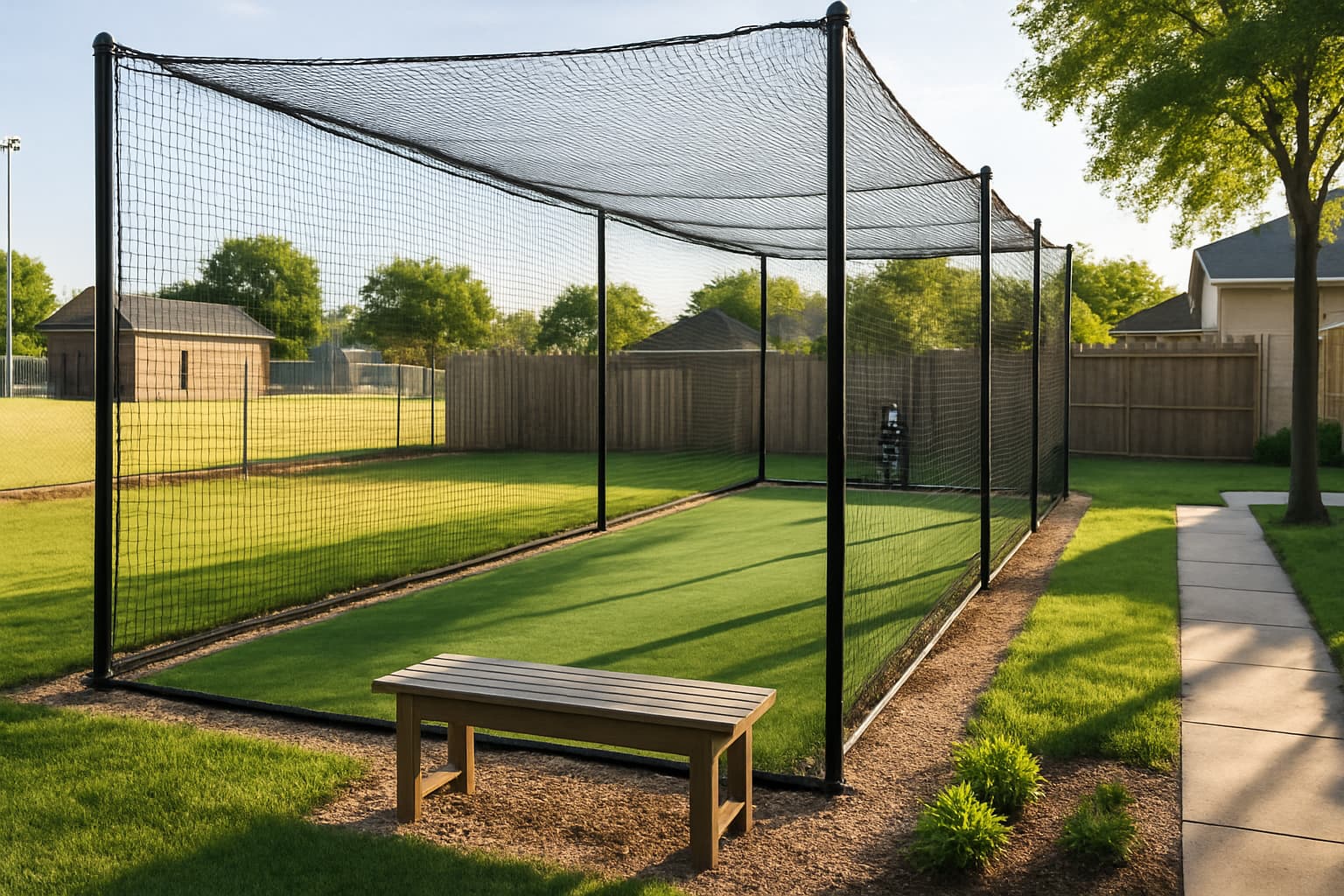
List Your Cage
How Much Should You Charge to Rent Out Your Backyard Batting Cage?
Go too high and the calendar sits empty; too low and you leave money on the table. Here is the repeatable way experienced hosts price a backyard cage.
List Your Cage
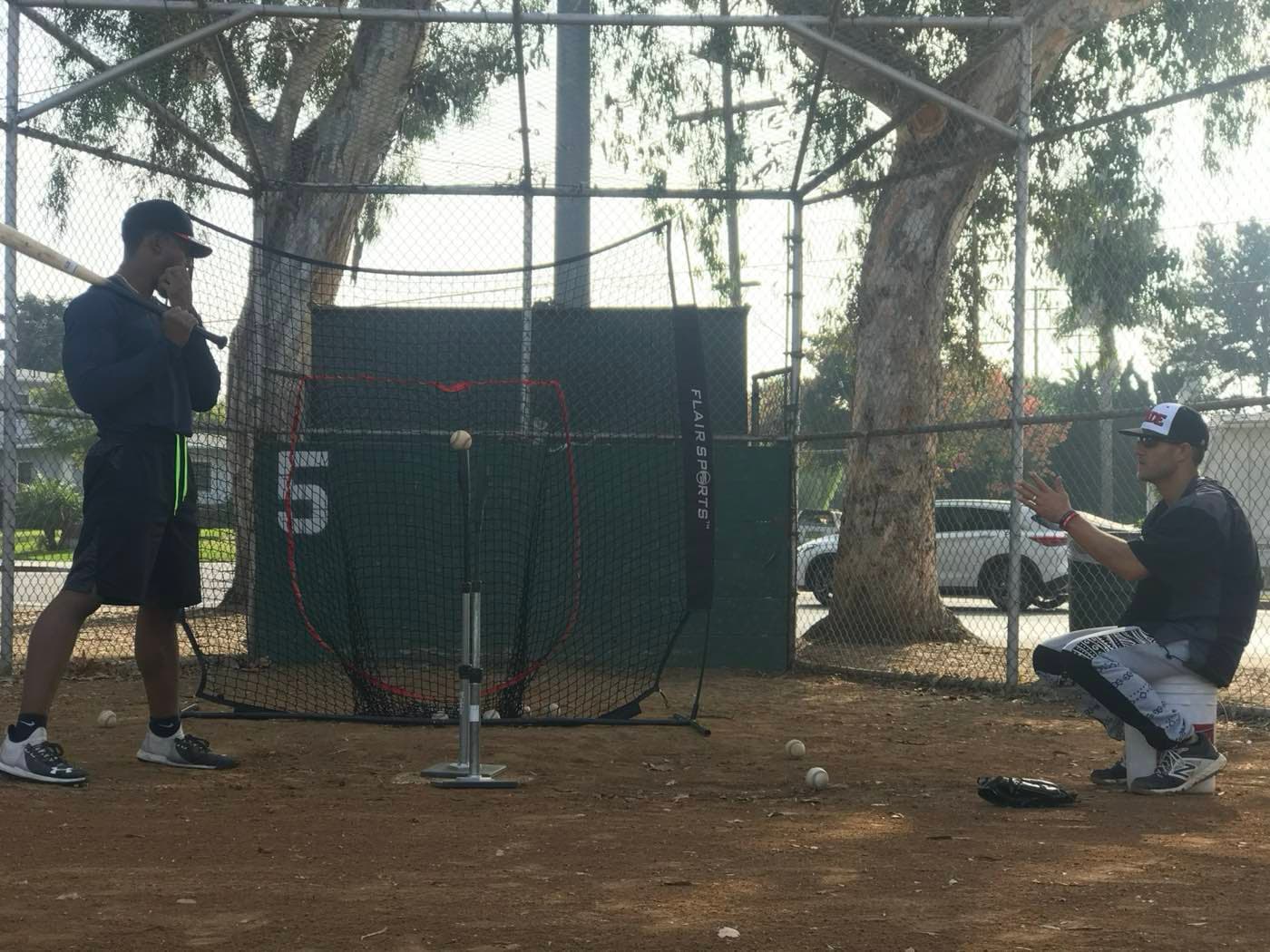
Can Your Little League Rent Out Its Batting Cage?
Most leagues own a cage that sits idle most of the year. Opening it up is usually allowed — it depends on who owns the ground, what your use agreement says, and what your liability policy covers. Here is how to check all three.
Find & Rent Batting Cages
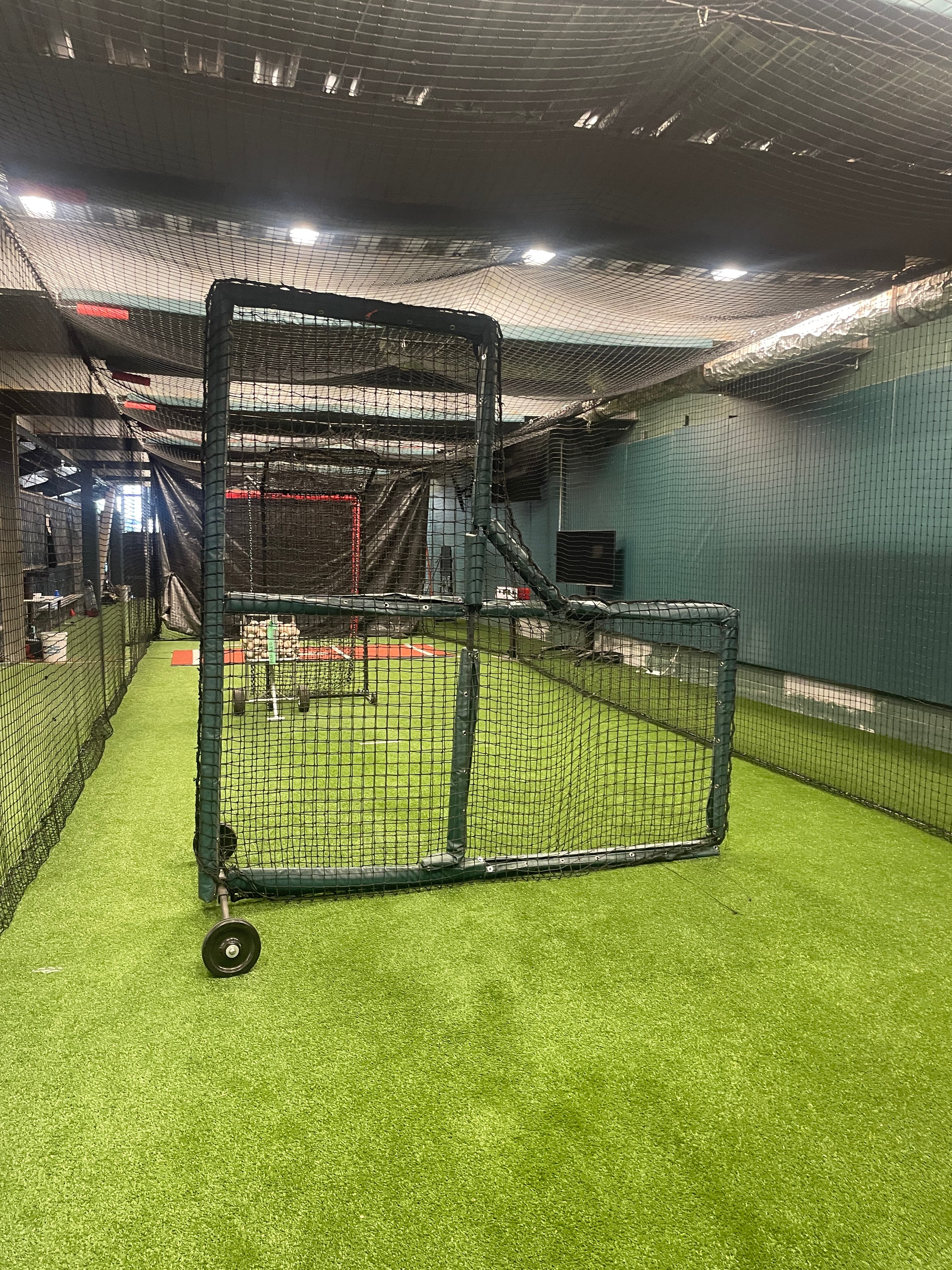
What You Actually Get at a HitTrax Cage in Dick's Sporting Goods
Dick's runs two different services in the same HitTrax cage, and they cost very different amounts. Here is what you get, what it costs, and when a real cage is the better call.
Run a travel team? Get your free page.
Baseball or softball. Claim a free directory page, post tryouts, and share cagelist.com/@yourteam with families.
Find your league
Free directories of real leagues and clubs near you — then book a batting cage to get your reps in before opening day.
1,000 organizations


Join the backyard batting cage community
Talk builds, gear, hosting and player development with cage owners, coaches, parents and baseball families.