A backyard cage that's perfect for your family isn't automatically ready for paying guests. A little prep turns it into a space people happily book again and recommend. Here's the checklist to get rental-ready.
Safety First
Guests need to feel — and be — safe the moment they arrive.
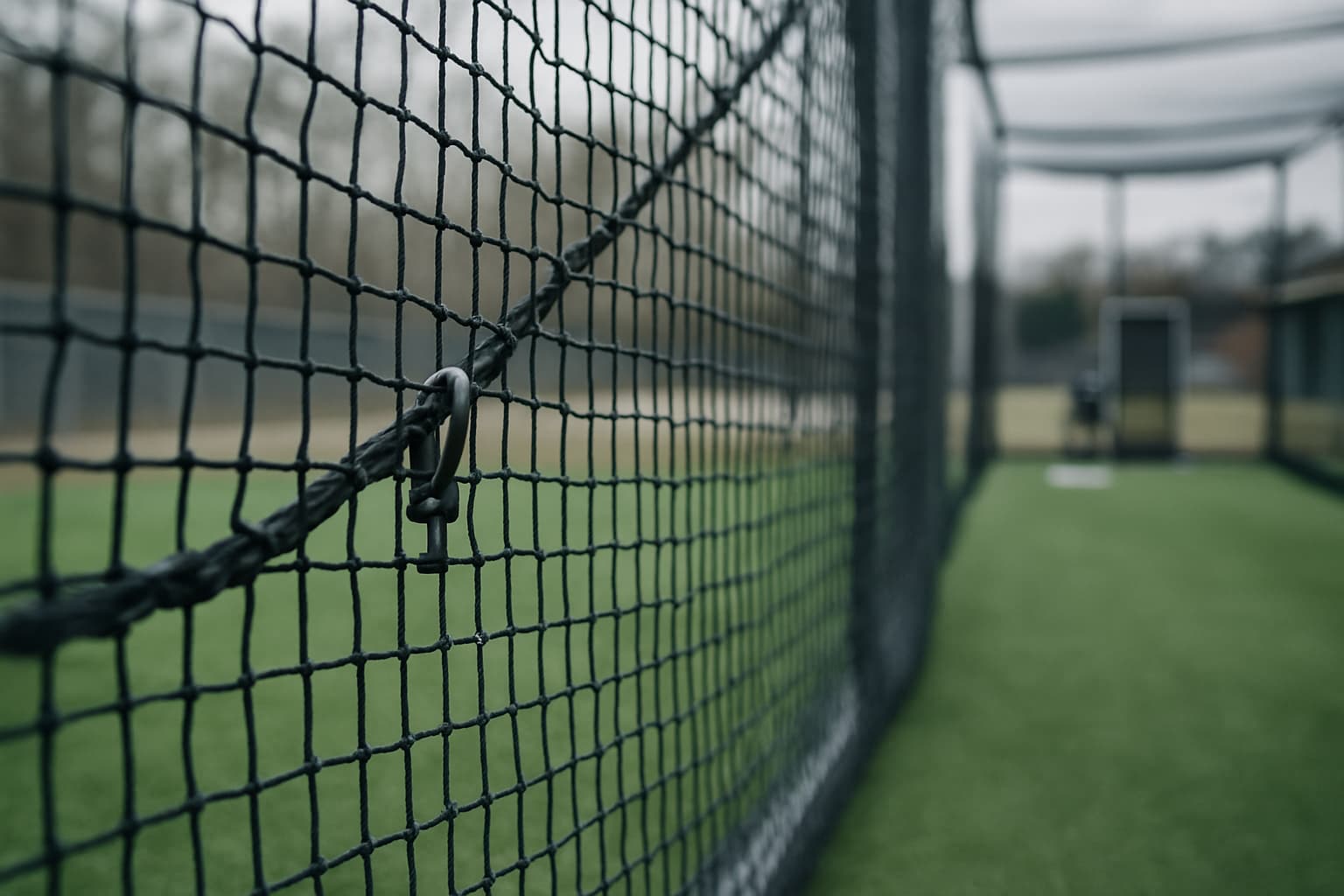
- Inspect netting for holes, sagging, and secure anchoring.
- Make sure the frame is stable and hardware is tight.
- Provide an L-screen if a machine or live pitching is involved.
- Clear trip hazards and keep the hitting area uncluttered.
- Have a basic first-aid kit on site.
Clean and Presentable
Presentation drives both bookings and reviews. Tidy turf, organized equipment, clean balls, and a swept hitting area signal a quality space. If guests will see a bathroom or waiting area, make those clean too.
Equipment That Works
Test everything a guest might use: pitching machine, tee, screens, and any provided bats or helmets. List clearly what you provide and what guests should bring. A machine that jams mid-session is a one-star review waiting to happen.
Clear Access and Instructions
Decide how guests arrive and enter: parking, the path to the cage, and any gate codes. Simple, friendly arrival instructions prevent confusion and awkward texts.
Set the Ground Rules
A short, friendly set of house rules — helmet use, who can be on site, cleanup expectations, weather policy — keeps everyone aligned and your space protected.
The Bottom Line
Safe, clean, working, and easy to access — nail those four and your cage is ready to earn. List your backyard cage on CageList → · See what it could earn →
Keep exploring on CageList
- List your batting cage
- Read CageList host resources
- Estimate your cage earning potential
- See how hosting works
How this affects bookings
Guests book faster when they understand exactly what will happen before they arrive. A strong CageList host page answers the practical questions: where to park, how many players can come, what equipment is included, whether baseball or softball is supported, what rules matter, and what kind of session the cage is best for. The clearer the listing, the fewer messages a host has to answer.
Hosts should think like a parent or coach under time pressure. They are comparing drive time, price, safety, photos, equipment, and schedule fit. Anything that reduces uncertainty can improve conversion and reviews.
CageList host lens
The goal is not just to list a cage; it is to make the cage feel trustworthy enough for a first booking and organized enough for repeat bookings. Good availability, accurate photos, clear rules, and fast responses are the compounding advantages.
FAQ
What should every host clarify?
Equipment, parking, bathroom access, guest limits, weather rules, cancellation policy, and what players should bring.
How do hosts get repeat bookings?
Deliver a predictable first session, keep availability current, and make the cage easy for families and teams to schedule again.
Host action step
Pick one thing a guest would ask before booking and make it obvious on the listing. That might be machine speed, guest count, parking, lighting, weather rules, or what players should bring. Small clarity improvements compound because they reduce hesitation for every future visitor.
The final readiness test
Before publishing a backyard cage, walk through the rental exactly like a first-time guest would. Check where they park, how they enter, what they see first, where equipment goes, and what happens if a ball escapes the net. Any confusing moment should become either a better photo, a clearer rule, or a small physical improvement to the space.
The best CageList hosts make the experience feel predictable. Parents should know whether they are booking a private backyard cage, whether a pitching machine is available, what footwear is appropriate, and how much room players have to warm up. That kind of clarity helps the listing convert while keeping the host in control of the property.
Get the numbers
Get your free batting cage cost estimate
Enter your email and we'll send you an itemized build breakdown — frame, netting, turf, lighting, and install — plus what a cage like yours could earn if you rent it out.
No spam, unsubscribe anytime. Prefer the interactive tool? Open the full cost calculator.
Already have a cage?
Rent it out when you're not hitting
Players, parents, and coaches near you are looking for cage time. Listing is free, you set your own price and hours, and you approve every booking.
Related Guides
View all articles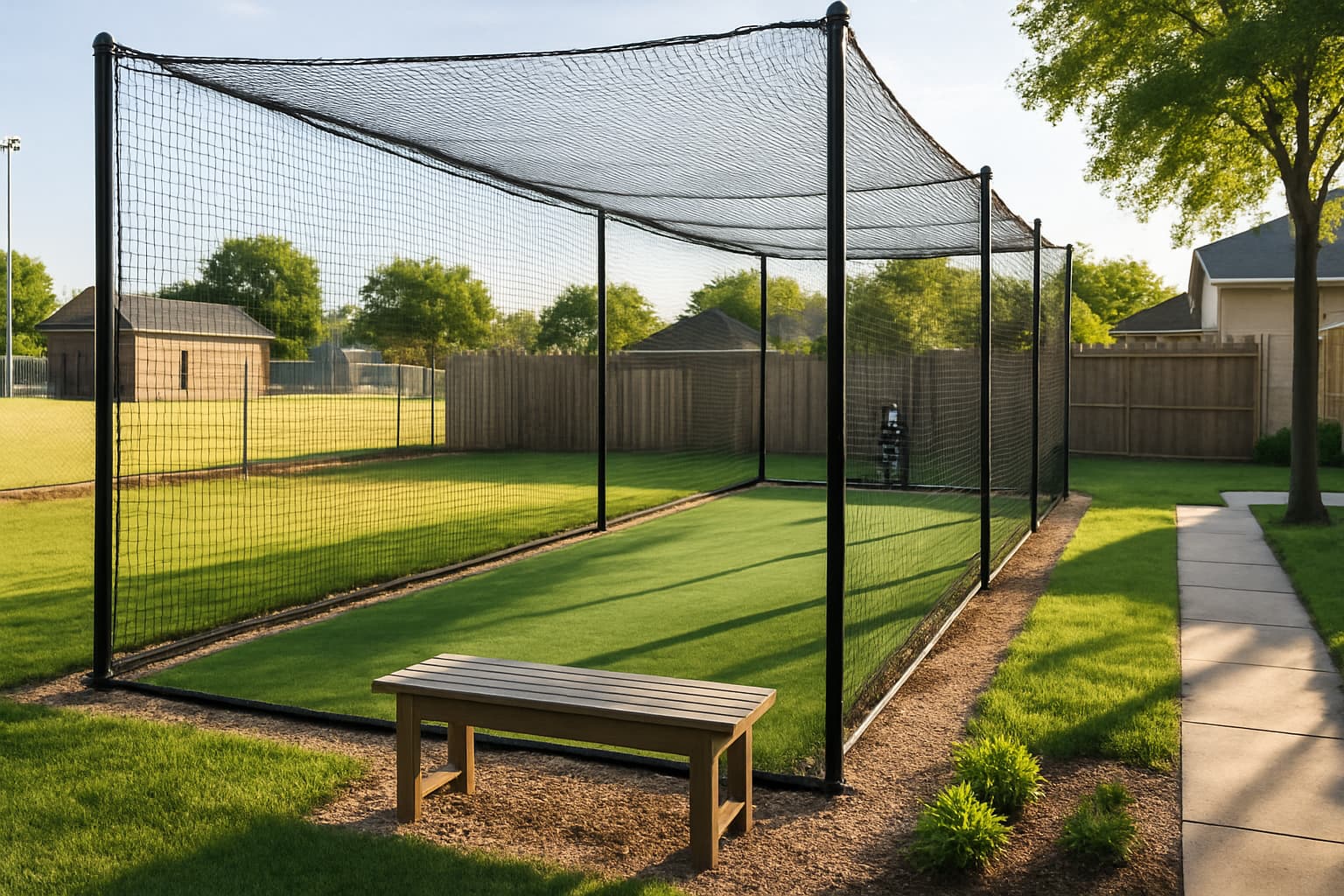
List Your Cage
How Much Should You Charge to Rent Out Your Backyard Batting Cage?
Go too high and the calendar sits empty; too low and you leave money on the table. Here is the repeatable way experienced hosts price a backyard cage.
List Your Cage
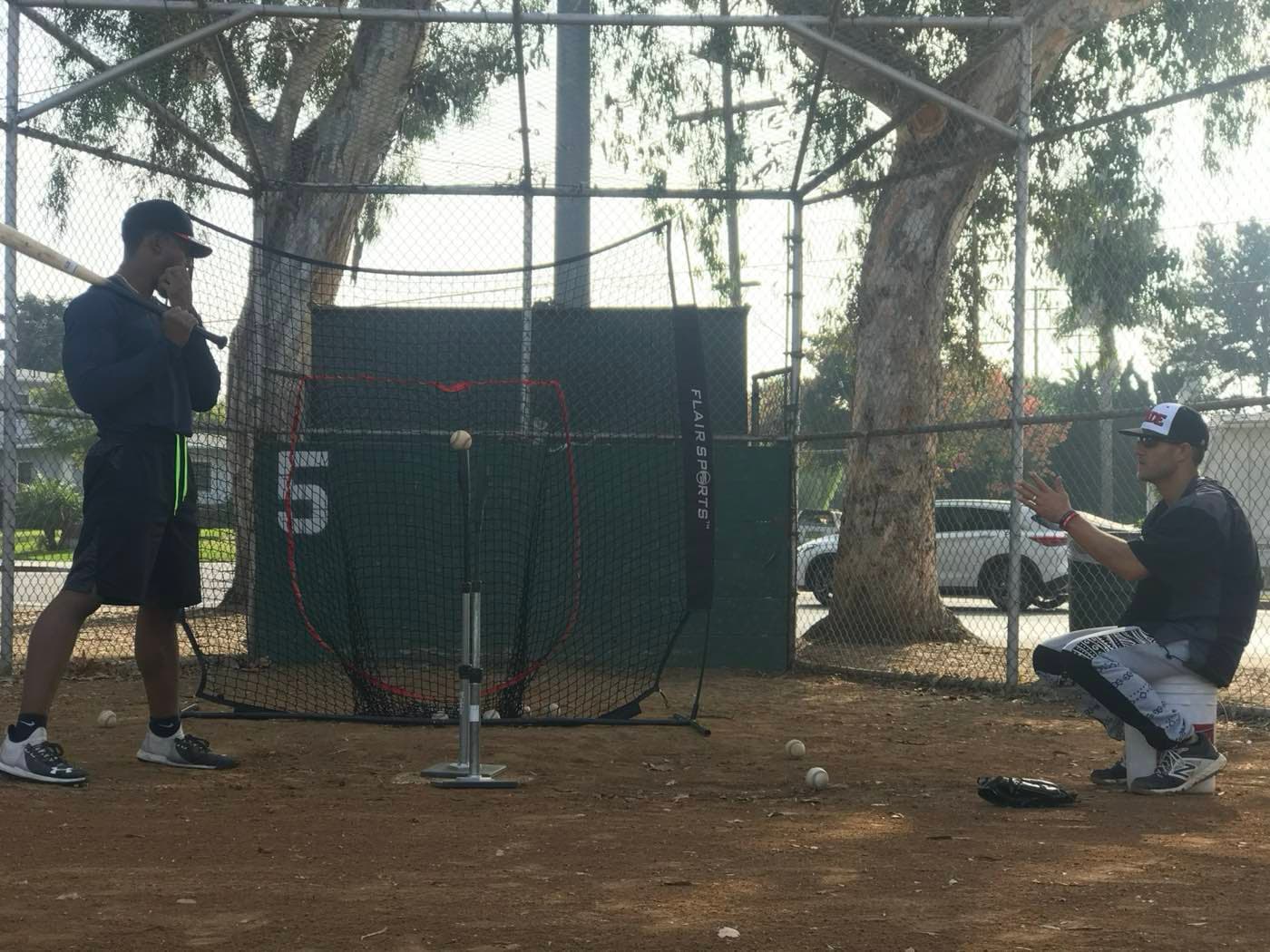
Can Your Little League Rent Out Its Batting Cage?
Most leagues own a cage that sits idle most of the year. Opening it up is usually allowed — it depends on who owns the ground, what your use agreement says, and what your liability policy covers. Here is how to check all three.
Find & Rent Batting Cages
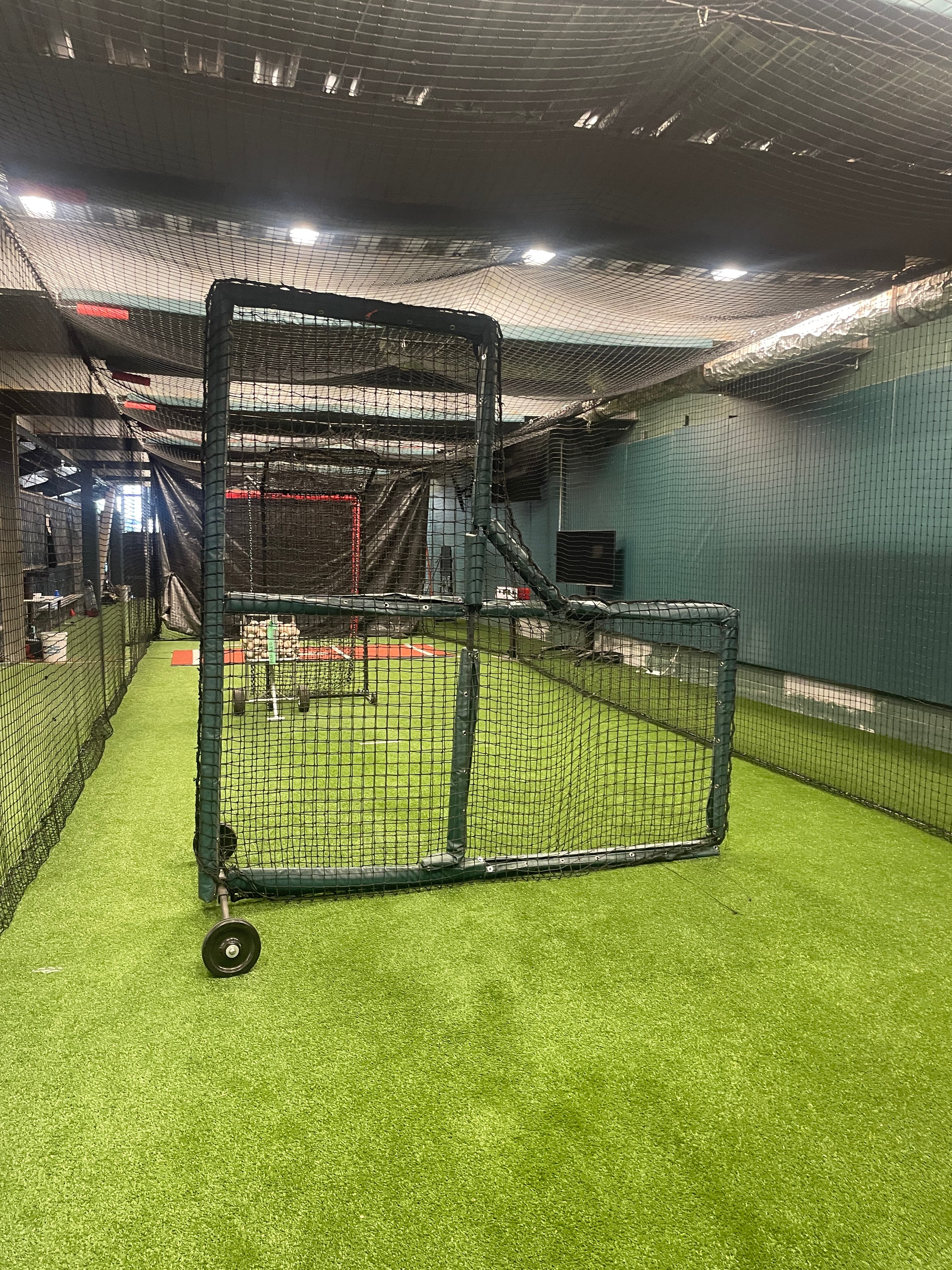
What You Actually Get at a HitTrax Cage in Dick's Sporting Goods
Dick's runs two different services in the same HitTrax cage, and they cost very different amounts. Here is what you get, what it costs, and when a real cage is the better call.
Run a travel team? Get your free page.
Baseball or softball. Claim a free directory page, post tryouts, and share cagelist.com/@yourteam with families.
Find your league
Free directories of real leagues and clubs near you — then book a batting cage to get your reps in before opening day.
1,000 organizations


Join the backyard batting cage community
Talk builds, gear, hosting and player development with cage owners, coaches, parents and baseball families.