
Baseball has always had two jobs. It has to develop players, and it has to make people care enough to keep showing up. For a long time those two jobs felt separate. Training was serious. Entertainment was extra. Ray "Sensei" Ortega is one of the people showing that the next wave of baseball culture probably needs both.
Ray's lane is not just trick plays, creator clips, or crowd moments. The bigger idea is that baseball can feel alive without losing the work underneath it. That matters for CageList because our whole world is built around reps: players finding places to hit, coaches building better practice schedules, and families keeping the game reachable. When entertainment gets a kid excited enough to pick up a bat again, the next question becomes simple: where can they go work?
The Ray Sensei effect
Ray understands something youth baseball sometimes forgets: attention is earned. Young players are growing up in a world of short clips, live events, walk-up songs, personality, and fast feedback. If baseball only gives them lectures, long lines, and pressure, we should not be surprised when other sports or other forms of entertainment win their attention. Ray's approach makes the game feel social, playful, and shareable, which is exactly how many players first fall in love with it. For the coach-first version of Ray's story, MADE Baseball has a companion writeup on Ray Sensei Ortega and baseball entertainment.
That does not mean every practice needs to become a show. It means coaches and facility owners should pay attention to the energy around the game. A cage session can still be disciplined while leaving room for competition, challenges, music, leaderboards, team nights, and moments players want to remember. If you own a cage or run a facility, that is worth studying. The same player who comes in for a fun group event might become a weekly rental, a lesson client, or the spark that brings a whole team into your space. If you have space to share, listing your cage on CageList is one practical way to meet that demand.
99 Crowns and the bigger message

99 Crowns is Ray's GODFIDENCE-driven lifestyle brand: relentless, unyielding, and built around faith, confidence, and purpose. The gear has a strong message behind it, and every order helps support a charity component. If you like what Ray is building, shop 99 Crowns and support the brand directly.
Ray's company, 99 Crowns, gives the movement a more personal frame. The brand centers on GODFIDENCE: the intersection of faith, confidence, and identity. That is a real fit for baseball, because this game tests confidence constantly. You can square a ball up and still make an out. You can go hitless and still be close. You can train for months before the results show up where everyone else can see them.
The strongest part of 99 Crowns is that it is not only about apparel. The brand speaks to belief, purpose, and carrying yourself with conviction. It also points a portion of sales toward charity, which gives the message a service layer instead of making it just another merch drop. If you like what Ray is building, go buy something from 99 Crowns: the apparel looks sharp, the message is strong, and supporting creator-owned baseball brands helps this whole ecosystem grow.
Entertainment still has to lead somewhere
The danger with any trend is that the highlight becomes the whole point. Banana Ball energy, creator tournaments, glow games, and viral formats are useful because they make baseball easier to enter. But they are strongest when they lead players back into habits: getting swings, learning the strike zone, throwing with intent, and competing with teammates. The clip is the invitation. The cage is where the player changes.
That is where CageList fits. A family can watch a creator game on Saturday, then find a batting cage near them on Sunday. A coach can use the energy from a viral format to make practice more competitive, then book recurring cage time so the work has structure. A facility can build events around fun and still give hitters a real place to improve. If you want the full landscape, start with our guide to Banana Ball, Cosmic Baseball, and Boom Ball, then bring the ideas back to your own training environment.
Why this matters for youth baseball
Youth baseball has a retention problem when it becomes too expensive, too rigid, or too joyless. Entertainment alone cannot fix that, but it can remind everyone what the game feels like when people are smiling. The best coaches already know this. They use competition, games within the game, and small rewards to keep athletes engaged. The new entertainment wave is the same principle at a bigger scale.
The future is not serious baseball versus fun baseball. The future is players who love the game enough to keep training, and communities that give them places to do it. Ray Sensei Ortega, 99 Crowns, Banana Ball, and the whole creator baseball wave are all signs that the culture is expanding. Our job is to make sure that excitement has a place to land. When the fun turns into motivation, CageList can help players turn that motivation into reps.
Turn the talk into reps
Every one of these comes back to the same thing: getting on the field and putting in the work. Find cage time near you and go do it.
Related Guides
View all articles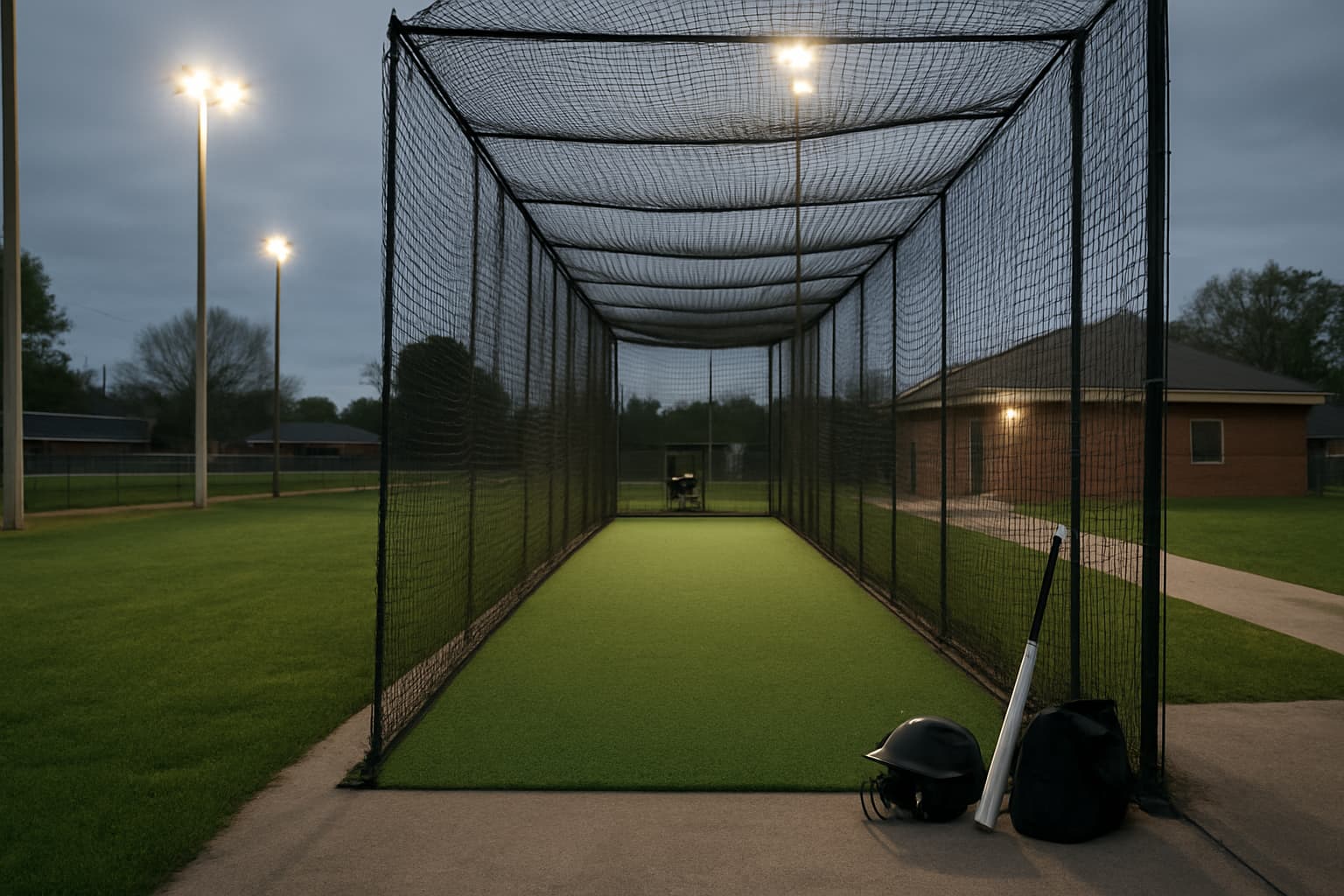
Field Notes
Idle Cage Hours: The Hidden Waste in Youth Baseball
Thousands of batting cages sit empty most of the week while families drive across town for reps. A look at youth baseball’s biggest missed opportunity.
Field Notes
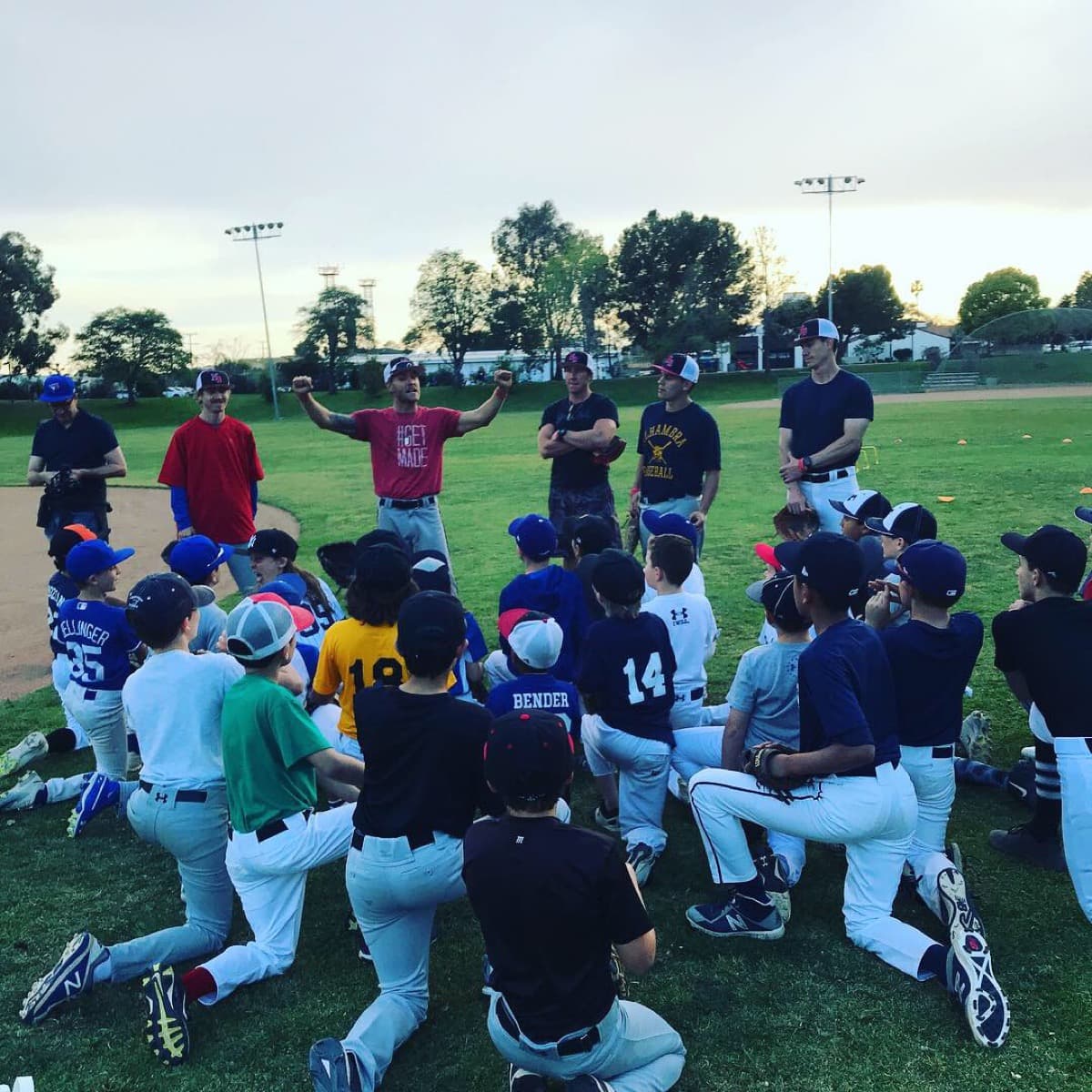
Travel Baseball, Sanctioned: A Parent's Guide to USSSA, Perfect Game & More
What does "sanctioned" actually mean in travel baseball? A plain-English guide to USSSA, Perfect Game, USA Baseball, bat rules, and how the fragmented travel-ball landscape really works.
Field Notes
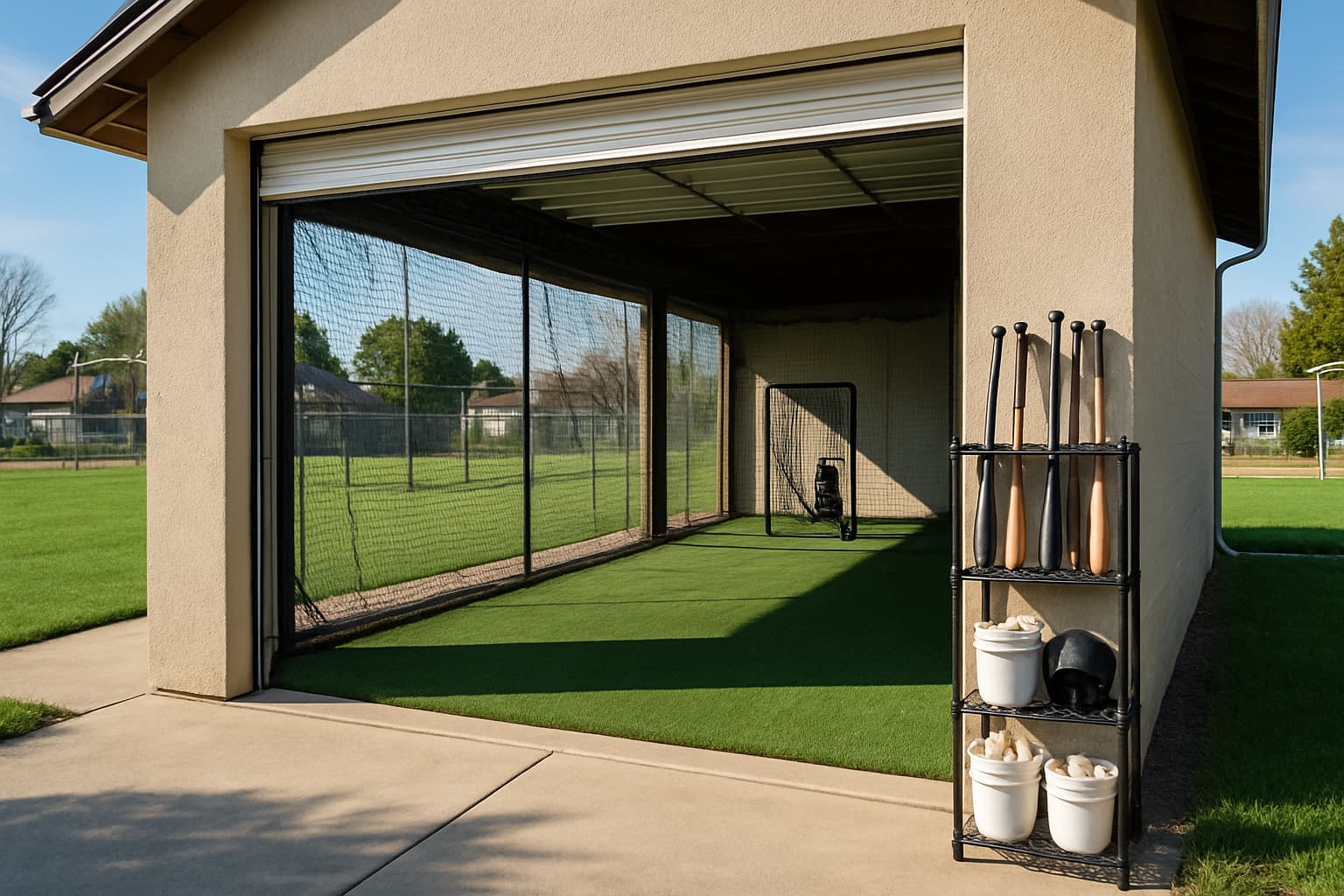
The Sunday I Wanted to Lose
Five games in under 48 hours, a pitching staff with nothing left, and a coach in the third base box quietly hoping the tie game just ends. The guilt belongs to the format, not the coach.
Run a travel team? Get your free page.
Baseball or softball. Claim a free directory page, post tryouts, and share cagelist.com/@yourteam with families.
Find your league
Free directories of real leagues and clubs near you — then book a batting cage to get your reps in before opening day.
1,000 organizations
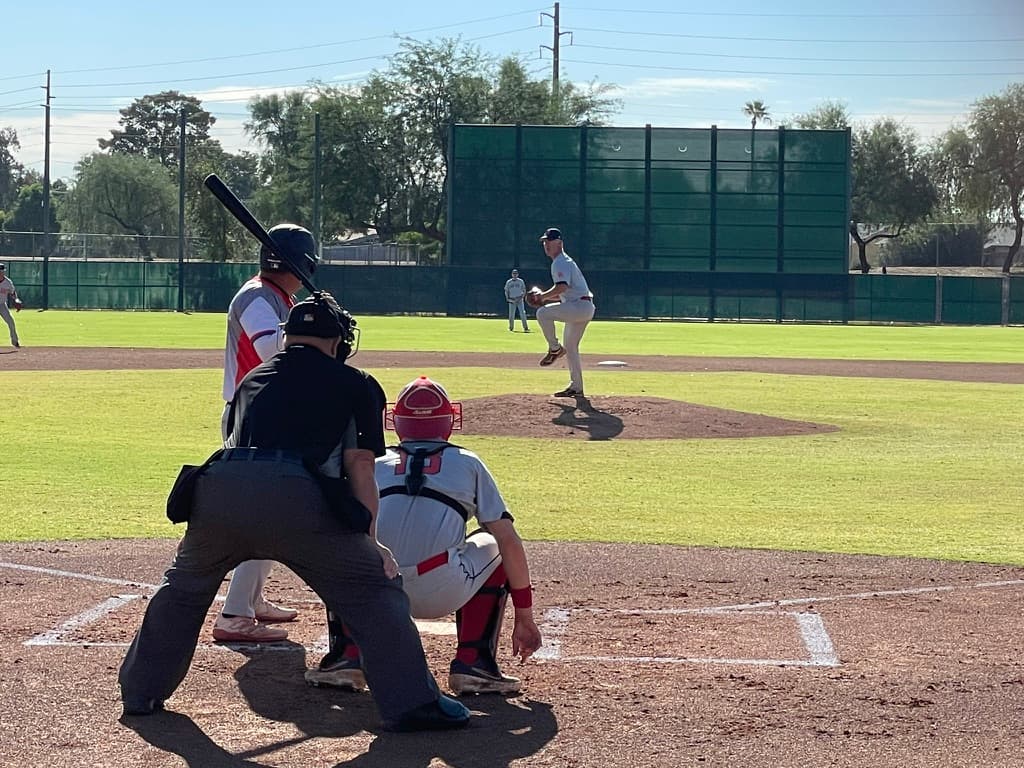

Join the backyard batting cage community
Talk builds, gear, hosting and player development with cage owners, coaches, parents and baseball families.