The most interesting part of the Banana Ball and Cosmic Baseball wave is not the music, lights, or viral clips. It is what those formats reveal about training. Players respond to energy. They respond to clear stakes. They respond when practice feels like a place where something might happen. Youth baseball can learn from that without losing discipline.
For years, a lot of baseball training has relied on the same structure: show up, stretch, throw, take ground balls, hit in groups, go home. There is nothing wrong with fundamentals, but repetition without attention is weaker than repetition with purpose. The entertainment formats are forcing coaches to ask a useful question: how do we keep the work serious while making the environment more engaging? MADE Baseball has its own training-focused companion on how Banana Ball and Cosmic Baseball affect youth development.
Energy changes effort
Most players work harder when the round has a score. They focus more when the group is watching. They swing with better intent when the challenge is specific. Banana Ball did not invent this. Good coaches have used games inside practice forever. What Banana Ball did was show a larger audience that baseball can move with pace and personality while still rewarding skill.
In the cage, that might mean a two-team line-drive challenge, a situational hitting round, or a quality-contact leaderboard. It might mean a player gets one point for a hard ground ball up the middle and two for a line drive to the back net. None of that waters down development. It makes the rep more memorable. If your team needs space to run those sessions, CageList's team practice guide can help you think through cage rentals and group training needs.
Atmosphere affects retention
Cosmic Baseball is the louder example of atmosphere changing the experience. Lights and glow elements are the obvious hook, but the bigger lesson is simpler: environment matters. Players are more likely to return to spaces that feel cared for, organized, and a little special. Parents notice that too.
A clean cage with a predictable schedule beats a chaotic facility even if the equipment is similar. Good lighting, safe netting, enough balls, clear lanes, and a smooth booking process all tell families that the hour matters. That is why the marketplace side matters. When players can search for local batting cages, compare options, and book without chasing phone calls, they are more likely to keep training consistently.
Training should borrow the urgency, not the gimmick
The mistake would be thinking every youth practice needs entertainment layered on top. It does not. A coach who spends the whole session trying to go viral will lose the point quickly. The useful piece is urgency. Short rounds. Clear goals. Fast feedback. Players knowing the score. Coaches naming what matters before the rep starts.
Here is a simple example. Instead of fifteen players waiting through one long batting practice rotation, split the group into three stations: front toss, tee intent, and defensive reaction. Give each station a job. Rotate every eight minutes. Track one metric at each stop. Suddenly the same 45 minutes has shape. That is not a gimmick. That is better practice design.
Creator culture can motivate extra work
Ray "Sensei" Ortega and other creator-driven baseball voices matter because they reach players outside traditional coaching moments. A player may see a clip, a challenge, or a piece of apparel and feel pulled back toward the game. Ray's 99 Crowns brand adds another layer with its GODFIDENCE message, connecting confidence and faith in a way that fits the emotional reality of baseball.
That motivation is valuable, but only if it turns into action. Confidence grows when players stack evidence. A hitter who gets three extra cage sessions this month is not just inspired. He has more reps to trust. A pitcher who adds structured throwing work is not just hyped. She is building proof. Entertainment can light the match, but training keeps it burning.
What this means for CageList hosts
If you host a backyard cage or run a facility, this trend is not far away from you. Families are looking for experiences, not only space. A team rental can include a weekly challenge. A private cage can become the place a player records progress. A facility can run themed nights or small-group competitions without changing the core product. If you have space that players can use, CageList can help you put it in front of local hitters.
The best version of youth baseball training is not old-school boredom or empty spectacle. It is joyful, structured work. It gives players a reason to care today and a place to improve tomorrow. Banana Ball and Cosmic Baseball are not the future by themselves. They are signals. The future belongs to coaches, families, and cage owners who can turn attention into real development.
Find a baseball league near you
Put your work into a real season — men's leagues, Little League, and travel teams, all in one guide.
Related Guides
View all articles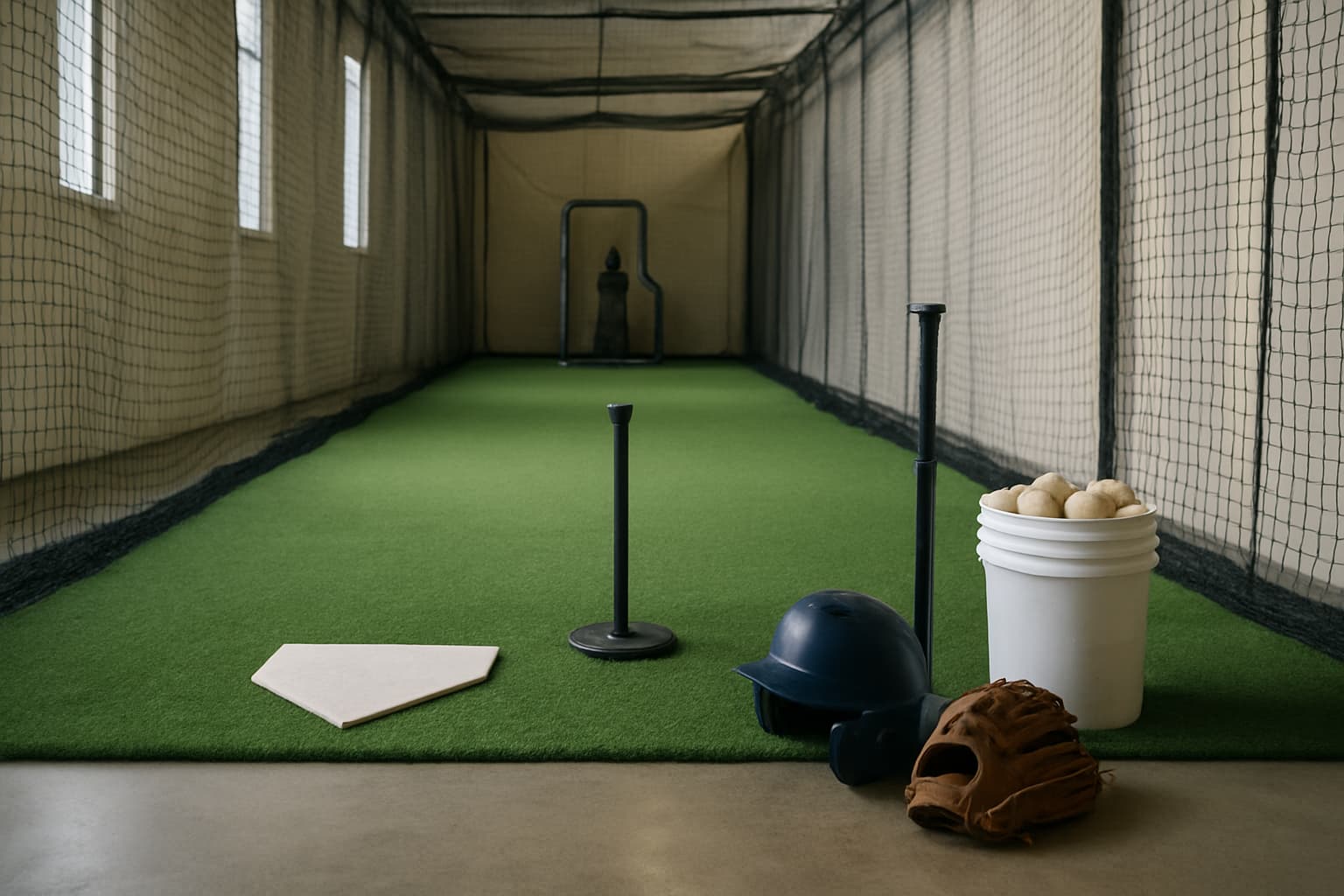
Training & Hitting
How to Run a Hustle Ball Class: Coach Pitch, Close Games, Teachable Moments
A coach's how-to for Hustle Ball™ — manage pace with coach pitch, keep games close, rotate positions, and teach without killing the energy.
Training & Hitting
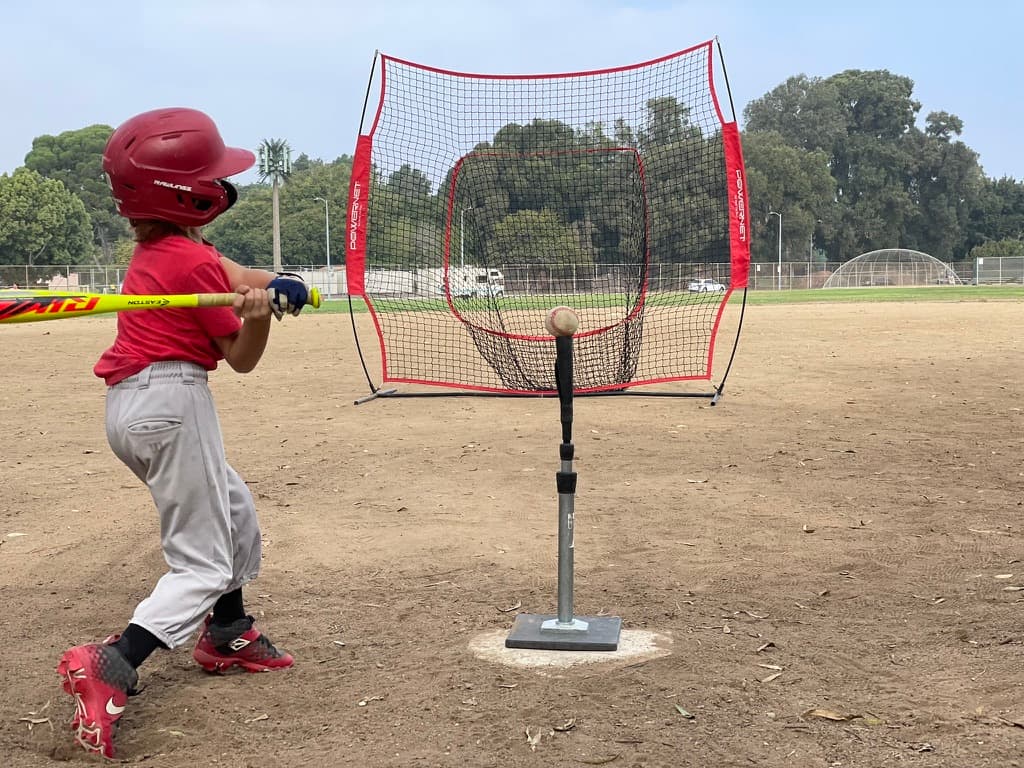
Practicing Hitting at Home Between Cage Sessions
You can not book a cage every day, but you can still get quality swings at home. Here is how to build a simple at-home hitting routine between rentals.
Training & Hitting
Hustle Ball: Why One Practice a Week Should Feel Like a Real Game
MADE Baseball's Hustle Ball™ — coach-pitch live play that keeps kids loving the game. Why one weekly practice should feel like a real game, not only drills or tournaments.
Run a travel team? Get your free page.
Baseball or softball. Claim a free directory page, post tryouts, and share cagelist.com/@yourteam with families.
Find your league
Free directories of real leagues and clubs near you — then book a batting cage to get your reps in before opening day.
1,000 organizations
Join the backyard batting cage community
Talk builds, gear, hosting and player development with cage owners, coaches, parents and baseball families.