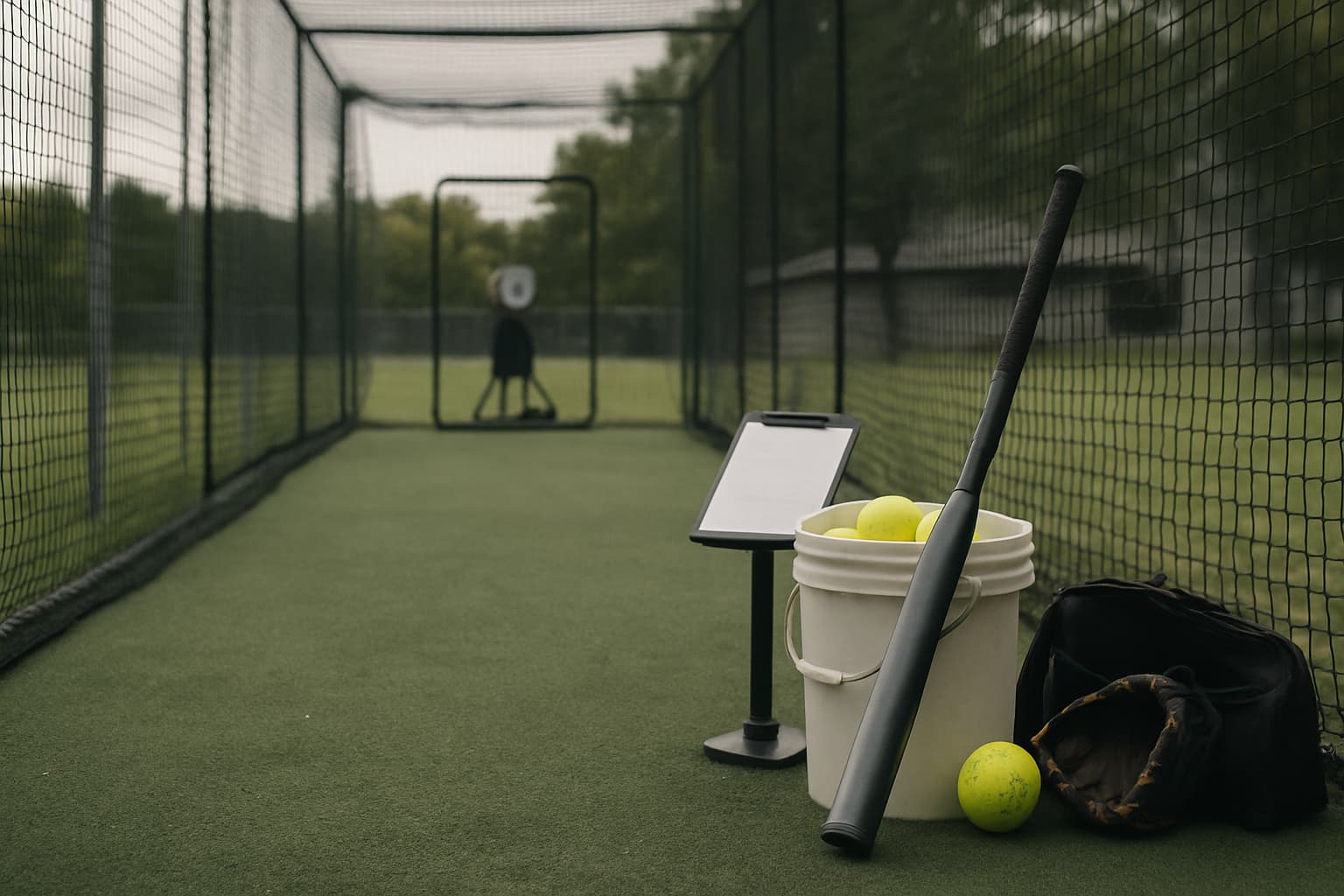
Travel ball has changed the rhythm of youth baseball and softball. For many families, the season no longer means a few local games and a summer break. It can mean winter workouts, spring leagues, summer tournaments, fall showcases, private lessons, and long weekends at complexes across the region. Some players thrive in that environment. Others feel the cost, time, and pressure before they are old enough to understand why the schedule got so full.
The rise of travel ball is not simply good or bad. It has created more competitive opportunities, better coaching access, and more visibility for serious players. It has also made local practice infrastructure more important than ever. Families need affordable ways to keep skills sharp without turning every week into a road trip. That is one reason searchable cage access through CageList matters.
Why travel ball grew
Travel ball expanded because families wanted stronger competition, more games, better development, and pathways beyond local recreational leagues. Tournament organizers built weekend events. Coaches formed clubs. Facilities offered lessons and winter training. Social media made player development feel visible year-round. Over time, travel ball became the default route for many families chasing higher levels of play.
For some athletes, that is valuable. They face better pitching, learn to compete under pressure, and meet coaches who invest in their growth. For others, the schedule can outpace the player’s actual needs. A ten-year-old does not need the same calendar as a varsity recruit. Families should separate development from status and ask what the player truly needs next.
The hidden demand for practice space
More games create more practice needs. A hitter who struggles all weekend wants to work before the next tournament. A coach may assign tee work, bunting, opposite-field rounds, or offspeed recognition. But field space is limited, weather interferes, and team schedules are crowded. Without local cage access, families either skip the work or drive farther than they can sustain.
That is where a structured cage session helps. The batting cage practice guide shows how to turn a short rental into warm-up, skill work, challenge work, and review. The goal is not more swings for the sake of volume. It is focused work that supports the player’s season.
How families can stay grounded
The most important question is not "Are we doing enough?" It is "Are we doing the right things for this player right now?" A family might choose one team practice, one short cage session, and one rest day instead of adding another lesson. Another player might need a short confidence-building block after a tough tournament. A pitcher who also hits may need less swing volume during heavy throwing weeks.
Use simple checkpoints: Is the player sleeping? Are they excited to practice? Are they improving one skill at a time? Are costs and travel sustainable? If the answer is no, the schedule needs adjustment. Travel ball should support development, not consume the entire family.
What coaches can do
Coaches can help by giving players specific, realistic homework. "Get some swings" is too vague. "Take three rounds this week: tee work to the middle, front toss opposite field, and one two-strike round" is actionable. Link the assignment to drills from the batting cage drills library so players know what to do when they rent a cage.
Coaches should also respect recovery. Tournament culture can reward constant activity, but tired players do not develop well. Rotate cage workloads by age, position, and recent game volume. Encourage families to stop a session when quality drops, not when the bucket is empty.
How local hosts and facilities fit
Travel-ball demand creates opportunities for facility owners, schools, and backyard cage hosts. Teams need recurring practice blocks. Families need short tune-up windows. Coaches need reliable spaces for lessons. Hosts who offer clear availability, fair rules, and simple arrival instructions can become part of the local development ecosystem.
For more on the access side, read why local cage access matters for youth sports. For families planning individual work, pair this article with how many swings to take per session so extra training stays productive.
FAQ
Is travel ball necessary for every player?
No. It can help players who need stronger competition, but local leagues, school teams, lessons, and focused practice can also support development.
How can families avoid travel-ball burnout?
Protect rest days, keep practice goals specific, watch the player’s energy, and avoid adding events just because other families are doing them.
Why does travel ball increase demand for cages?
More games create more skill gaps to address between tournaments. Local cages give families a practical place to work without relying only on team practice.
Find a baseball league near you
Men's leagues, Little League, and travel teams near you — then book cage time to get ready for the season.
Related Guides
View all articlesCageList News
CageList Is Now an Authorized JUGS Sports Dealer
CageList is now an authorized JUGS Sports dealer. Real JUGS machines, nets, screens, and practice balls, sold and shipped directly at real JUGS pricing.
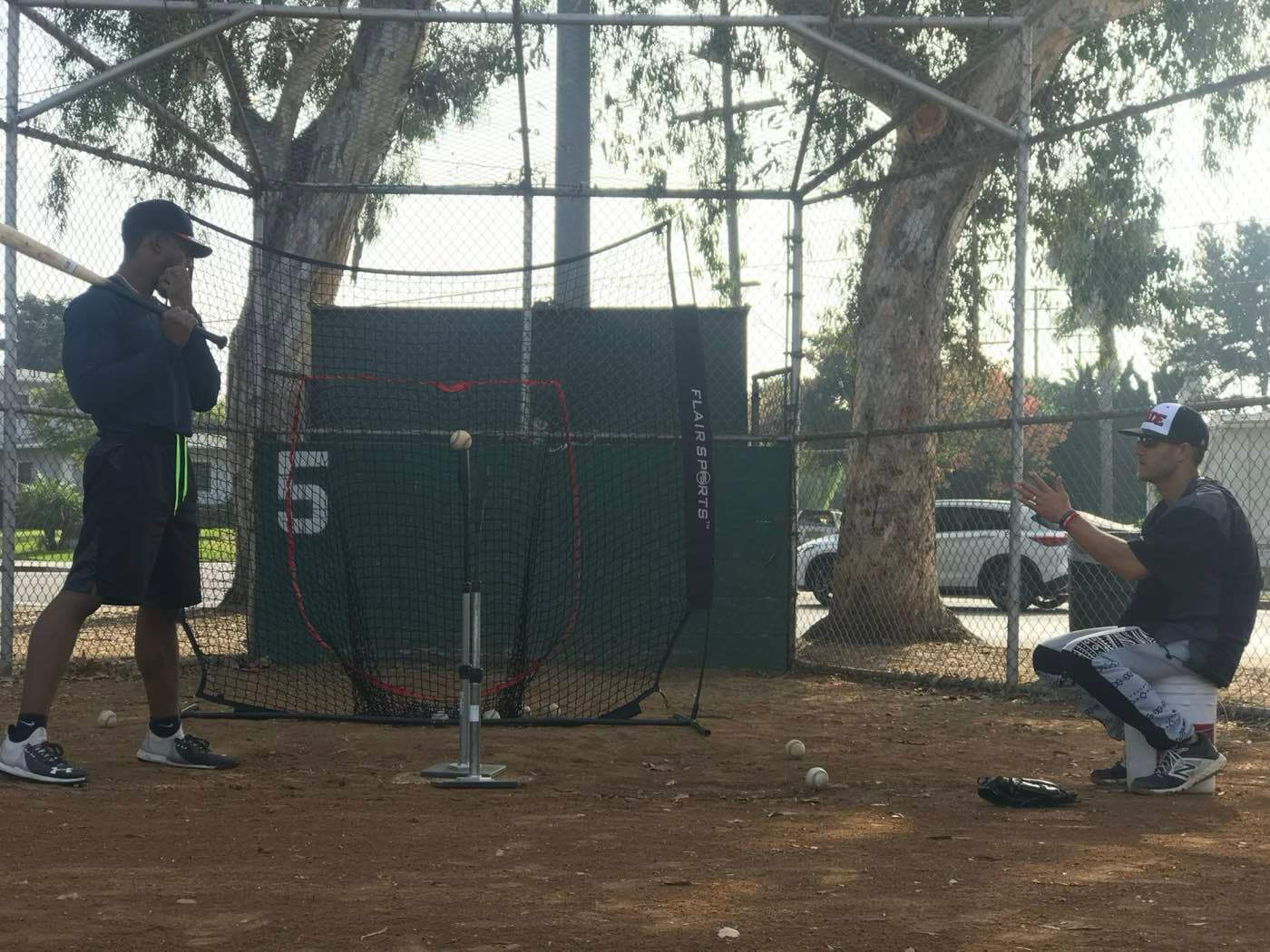
List Your Cage
Can Your Little League Rent Out Its Batting Cage?
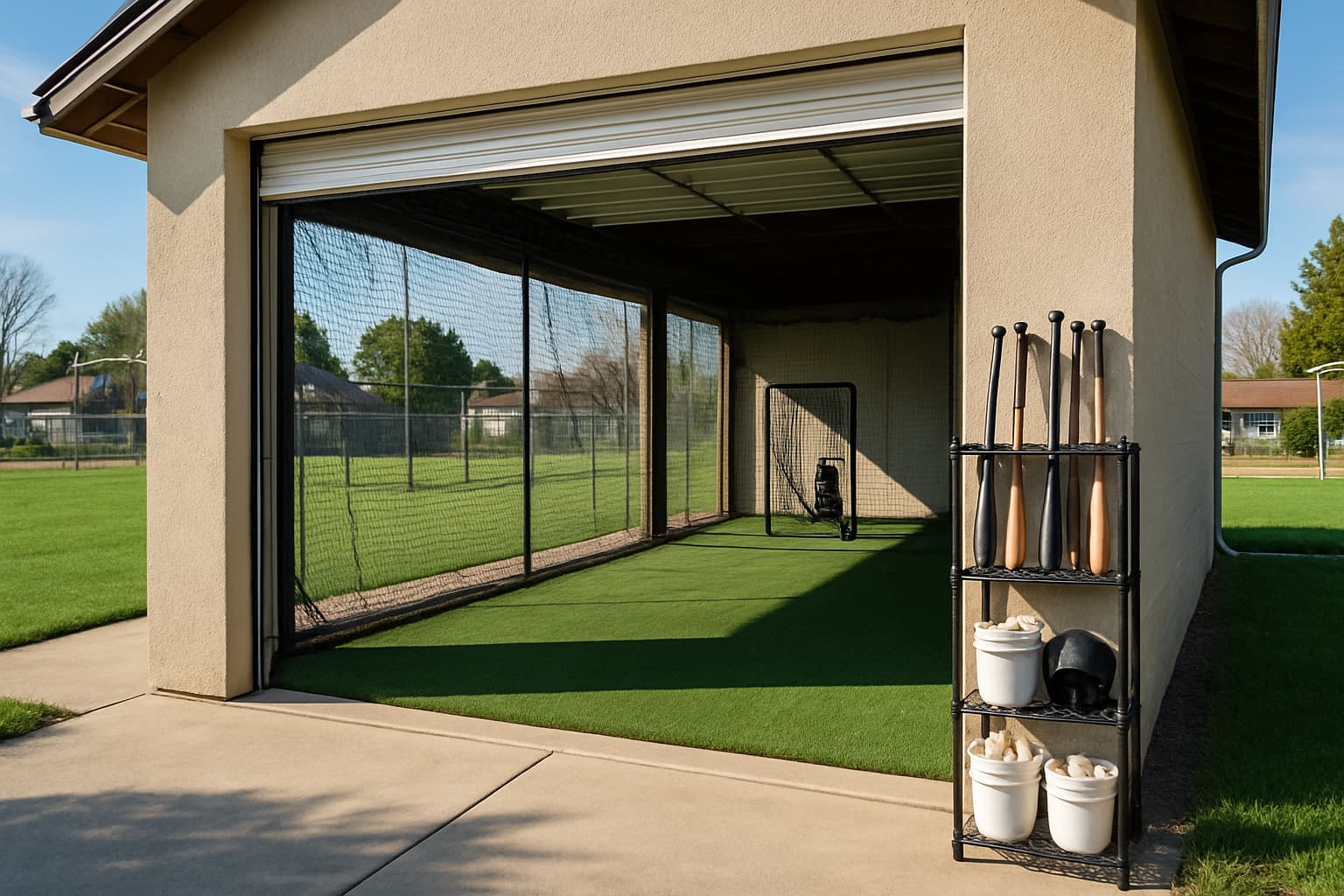
Most leagues own a cage that sits idle most of the year. Opening it up is usually allowed — it depends on who owns the ground, what your use agreement says, and what your liability policy covers. Here is how to check all three.
Field Notes
The Sunday I Wanted to Lose
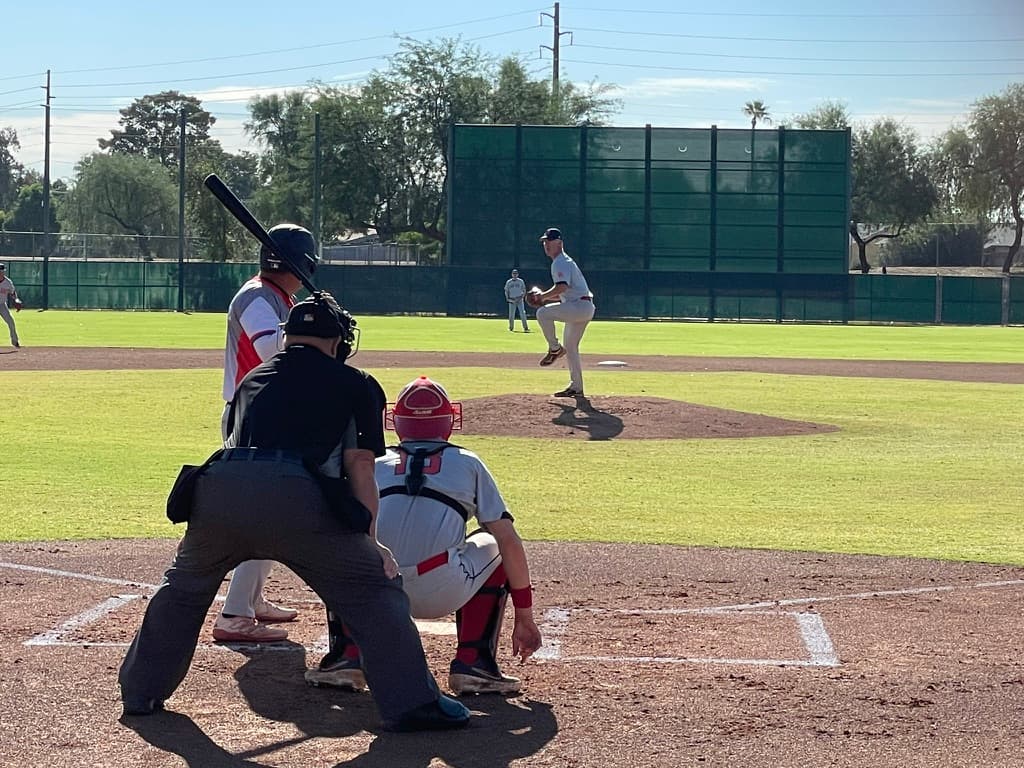
Five games in under 48 hours, a pitching staff with nothing left, and a coach in the third base box quietly hoping the tie game just ends. The guilt belongs to the format, not the coach.
Run a travel team? Get your free page.
Baseball or softball. Claim a free directory page, post tryouts, and share cagelist.com/@yourteam with families.
Find your league
Free directories of real leagues and clubs near you — then book a batting cage to get your reps in before opening day.
1,000 organizations

Join the backyard batting cage community
Talk builds, gear, hosting and player development with cage owners, coaches, parents and baseball families.