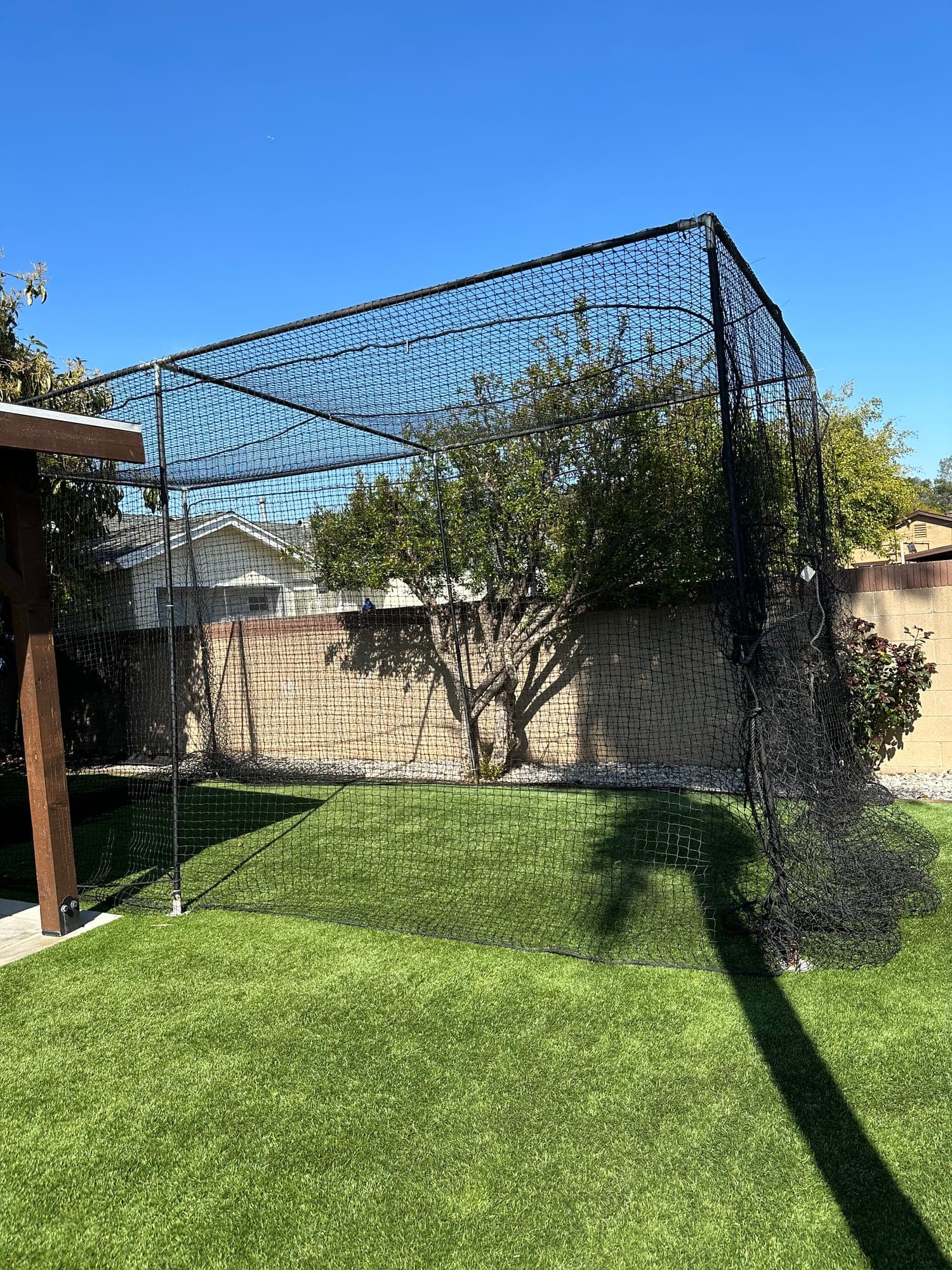
CageList did not invent batting practice. We did not invent travel ball, Little League, or the backyard cage dad who built something better than the commercial tunnel across town. What we are changing is the map — how players find cages, how hosts earn from them, and how leagues and teams stop treating empty hours like an unchangeable tradition.
The old map was broken
For years the options looked like this: join an expensive facility membership, drive farther than you should, or wait for a coach who "knows a guy." Great cages existed behind fences. Great programs lived on Instagram. Great leagues locked cages after practice and wondered why fundraising felt harder every year.
None of that was a character flaw. It was missing infrastructure — a trusted way to connect supply (cages and programs) with demand (families who need reps) without turning baseball into another noisy social feed.
What "changing the game" means here
It means a neighborhood can have bookable cage time within a short drive. It means a host can turn a serious backyard build into community access with real payouts. It means a travel team can claim a page that is not someone's personal feed. It means a Little League board can open idle hours without inventing another candy sale.
We wrote the practical versions of those plays already — from why CageList exists, to claiming your travel team page, to why empty league cages should not be the norm. This post is the through-line that ties those plays together.
Marketplace + directories, not a fake social network
CageList is not trying to replace Instagram highlights or GroupMe logistics. We are building the trusted layer underneath: cages you can book, programs you can find, pages organizers can own. That is less flashy than calling ourselves the Facebook of baseball — and more useful on a Tuesday night when your kid needs swings before Thursday's game.
Honesty is part of the product. We do not pretend a directory claim is a social graph. We do promise a clearer front door for the parts of baseball and softball that deserve to be official.
Who wins when the map fills in
- Players and parents — less drive time, more reps, clearer places to train.
- Hosts — income from a cage that used to sit dark while the neighborhood still paid commercial rates.
- Coaches and teams — a real public home plus nearby cages for extra work.
- Leagues — controlled access to idle hours that fund the program and develop hitters.
When those four groups share one map, the game gets easier to play locally. That is the change. Not a gimmick format. Not a viral clip. Access.
What to do next
If you need cage time, search cages near you. If you own a cage, list it. If you run a travel program, claim or list your team. If you sit on a Little League board, start with the empty-cage conversation and the Little Leagues partnership page.
Changing the game is not a slogan on a press release. It is one more neighborhood cage online, one more team page claimed, one more league that stops leaving money and reps locked behind a chain. The scoreboard is simple: more bookable cages, more claimed programs, more leagues treating idle hours as inventory — measured in swings and dollars that stay in the baseball and softball community. That is how CageList changes the game: not by owning the sport, but by connecting the people who already love it. Start local. Start honest. Start with one cage, one team page, or one league pilot — then let the map compound.
Find a baseball league near you
Men's leagues, Little League, and travel teams near you, then book cage time to get ready for the season.
Related Guides
View all articles
CageList Is Now an Authorized JUGS Sports Dealer
CageList is now an authorized JUGS Sports dealer. Real JUGS machines, nets, screens, and practice balls, sold and shipped directly at real JUGS pricing.
3 min readRead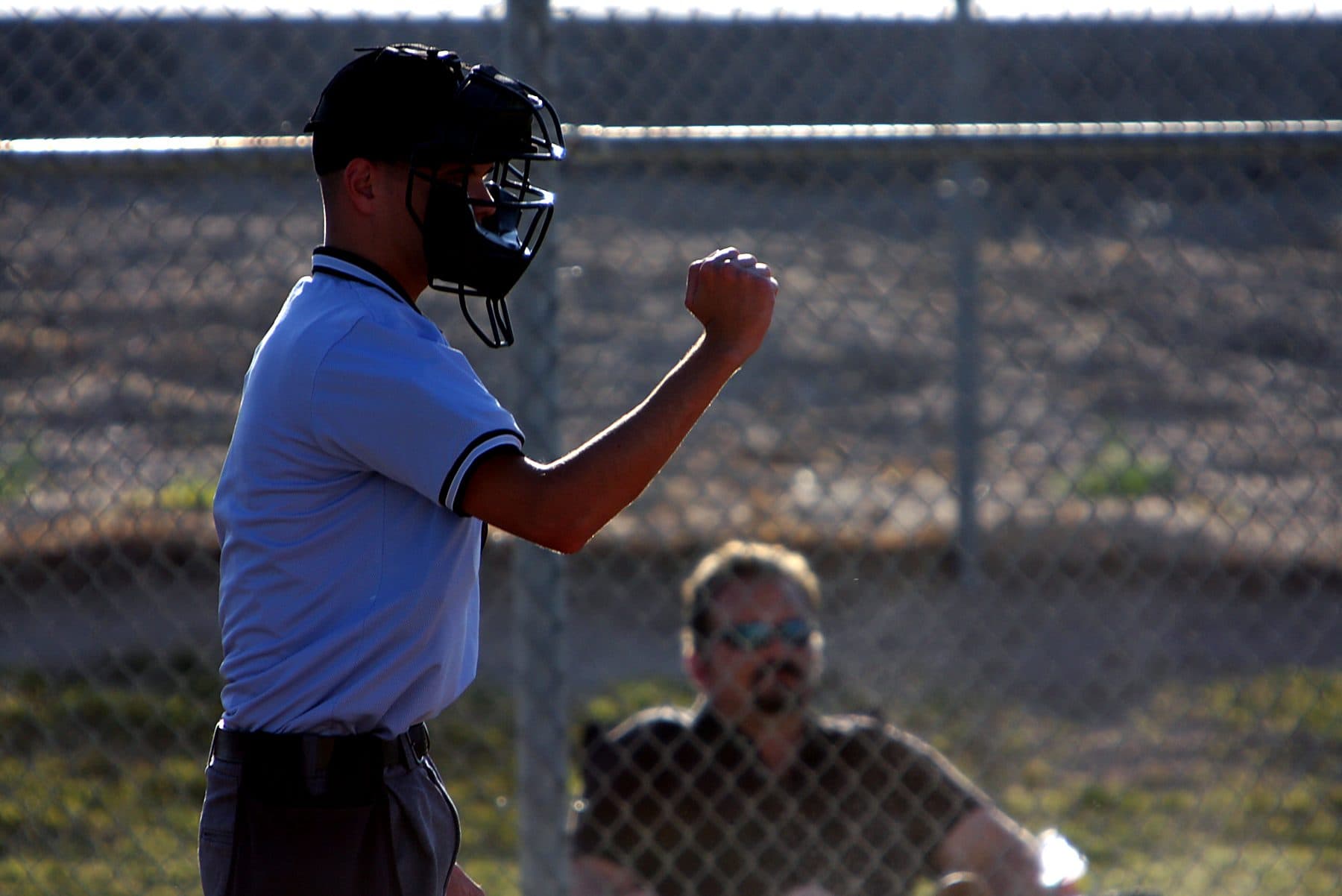
Everybody Thinks the Umpire Is Bad
Without umpires, baseball does not exist. Isaac Hess on the one season he wore the mask, what the job pays, what a day looks like and what we say to the people in the gear.
8 min readRead
I Was a Coach With Nowhere to Coach. So I Built CageList.
For years I gave baseball lessons in Los Angeles, and the hardest part was never the coaching. It was finding a place to do it. Isaac Hess on why he built CageList.
6 min readRead
Run a travel team? Get your free page.
Baseball or softball. Claim a free directory page, post tryouts, and share cagelist.com/@yourteam with families.
Find your league
Free directories of real leagues and clubs near you. Then book a batting cage to get your reps in before opening day.
1,417 organizations
 leagues in 49 statesAdult hardball near you: MSBL, NABA and independent leagues.Browse men's leagues
 leagues in 49 statesYouth baseball and softball leagues, organized by state.Browse little leagues
 programs in 41 statesTravel and club programs in your region. Find one, or list yours free.Browse travel teams
Join the backyard batting cage community
Talk builds, gear, hosting and player development with cage owners, coaches, parents and baseball families.