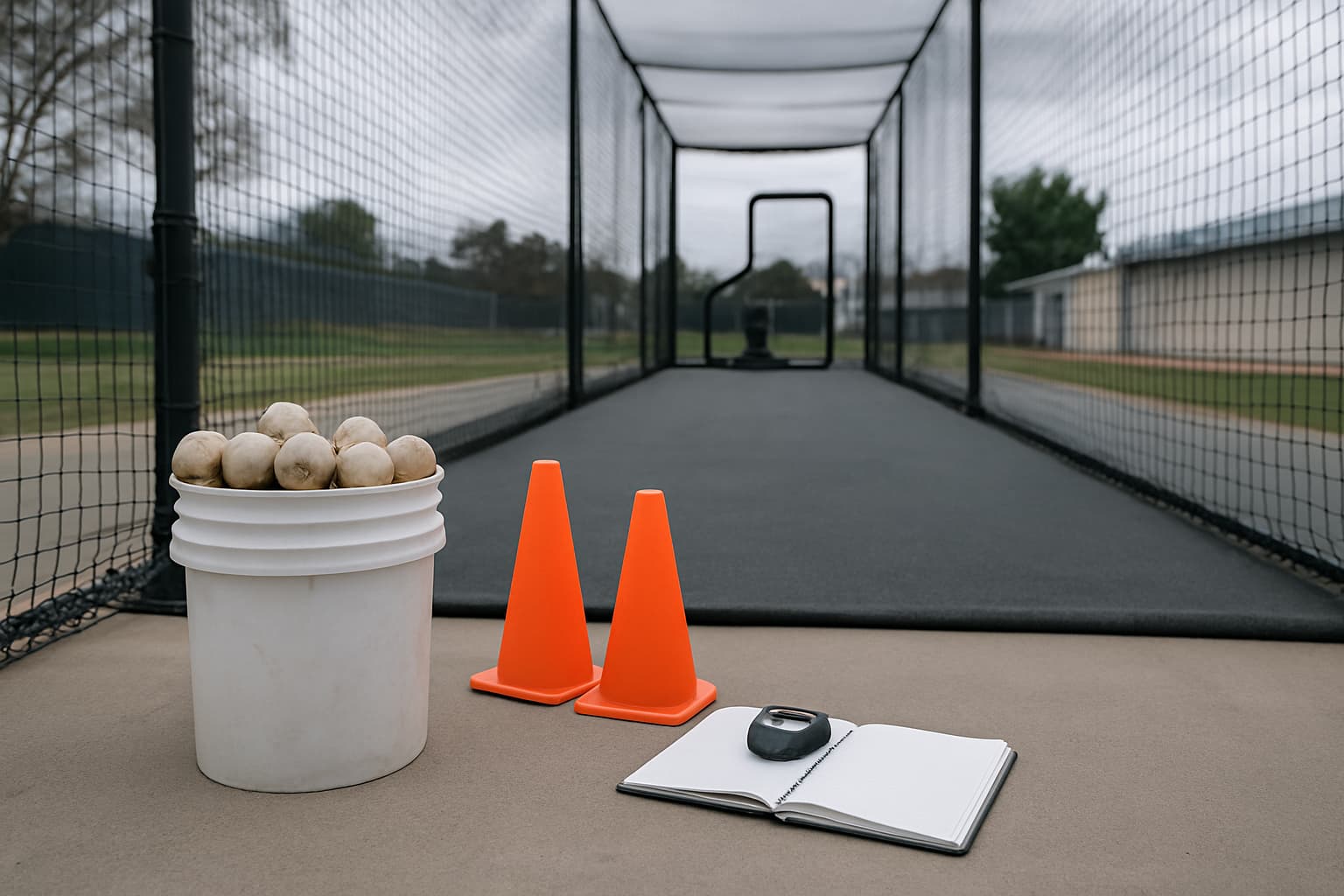
The right number of swings in a batting practice session is not the highest number a player can survive. It is the number of quality swings the hitter can take while staying athletic, focused, and honest about the goal of the day. For many players, that means fewer swings than they think. A tired hitter who takes 120 rushed hacks may leave with worse habits than a player who takes 45 focused swings with clear feedback.
A good batting cage session balances volume, intensity, and recovery. If you are booking cage time through CageList, plan the session before the clock starts. Know how many rounds you want, what each round is for, and when you will stop.
A practical swing-count range
For most youth and high school hitters, 40 to 75 full swings is enough for a normal cage session. Younger players may do best with 25 to 45. Older, stronger players can handle 80 or more if the rounds are broken up and the intent stays high. College or advanced hitters sometimes take higher volume, but they usually have the strength, routine, and recovery habits to make that work.
The number also depends on the type of work. Tee swings and dry swings are lower stress. Machine swings at game speed are higher stress. A session with heavy velocity, breaking balls, or intense competition should usually have fewer total swings than a mechanics day. The batting cage practice guide gives a useful structure: warm up, isolate one skill, challenge it, then review.
Quality drops before effort does
Players often keep trying hard after their swing quality has already fallen. Watch for late timing, collapsing posture, one-handed finishes, lazy takes, or repeated chases. Those are signs the hitter is no longer training the pattern you want. More swings at that point do not show toughness; they rehearse fatigue.
Use small rounds to protect quality. Instead of one bucket of fifty pitches, try five rounds of eight to ten swings. Between rounds, give the hitter one sentence of feedback and a short break. This lets the player reset mentally and physically. It also makes it easier to track results: hard contact, line drives, swing decisions, or opposite-field execution.
Match swing count to the goal
A mechanics session might include 10 dry swings, 15 tee swings, 20 front-toss swings, and 15 machine swings. A timing session might include fewer tee swings and more machine pitches. A pregame tune-up might be only 20 to 35 swings, with most of them focused on rhythm and hard contact through the middle.
Do not use the same count for every player. A catcher after a long weekend tournament, a twelve-year-old learning a new load, and a varsity hitter preparing for playoffs need different workloads. The best coaches adjust based on age, strength, recent game schedule, and how well the hitter is holding the movement.
Rest is part of the session
Short rest periods help hitters compete at game speed. A player rarely takes thirty consecutive swings in a game, so cage work should not always be one pitch after another. Let the hitter step out, breathe, and restart. That small pause improves focus and makes practice feel more like real at-bats.
Rest also keeps hands, wrists, and lower backs from getting overloaded. If a hitter complains of pain, stop. Soreness and fatigue are different from sharp discomfort. For sessions built around several skills, rotate drill types from the batting cage drills library so the hitter is not repeating the same stress for an hour.
A sample 60-swing cage plan
Start with 10 dry swings or movement rehearsals. Take 10 tee swings to the middle of the cage. Move to 10 front-toss swings focused on the day’s cue. Then take three machine rounds of 8 swings each: one for timing, one for location, and one competitive round with counts. Finish with 6 pressure swings where every pitch has a purpose. That is 60 swings, plus takes, resets, and feedback.
If the hitter is working on confidence, pair swing counts with confidence-building routines. If the hitter trains year-round, use a year-round hitting plan to vary volume by season instead of grinding the same workload every month.
FAQ
Is 100 swings too many?
Not always, but it is too many if the hitter loses posture, timing, or focus. Advanced players can handle more volume when rounds are planned and rest is built in.
How many swings should a player take before a game?
Usually 20 to 35 focused swings is enough. Pregame work should build rhythm and confidence, not exhaust the hitter.
Should tee swings count toward the total?
Yes, but they are lower intensity than game-speed machine swings. Track both total swings and high-intensity swings.
Find a baseball league near you
Put your work into a real season — men's leagues, Little League, and travel teams, all in one guide.
Related Guides
View all articles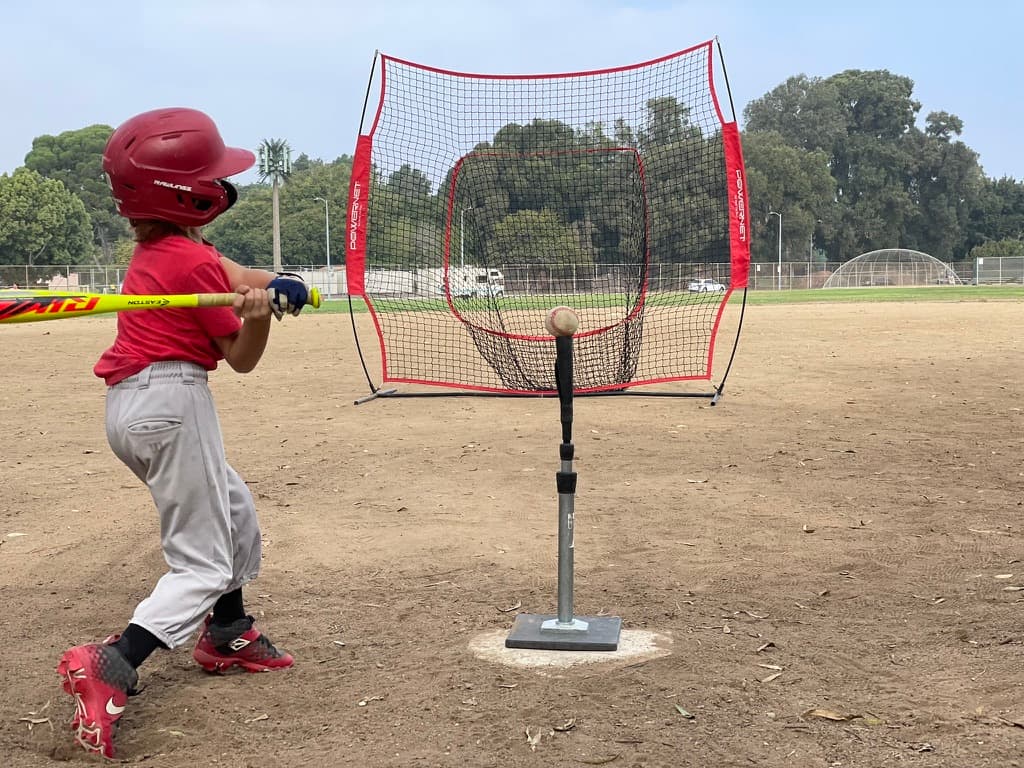
Training & Hitting
Practicing Hitting at Home Between Cage Sessions
You can not book a cage every day, but you can still get quality swings at home. Here is how to build a simple at-home hitting routine between rentals.
Training & Hitting
How to Run a Hustle Ball Class: Coach Pitch, Close Games, Teachable Moments
A coach's how-to for Hustle Ball™ — manage pace with coach pitch, keep games close, rotate positions, and teach without killing the energy.
Training & Hitting
Hustle Ball: Why One Practice a Week Should Feel Like a Real Game
MADE Baseball's Hustle Ball™ — coach-pitch live play that keeps kids loving the game. Why one weekly practice should feel like a real game, not only drills or tournaments.
Run a travel team? Get your free page.
Baseball or softball. Claim a free directory page, post tryouts, and share cagelist.com/@yourteam with families.
Find your league
Free directories of real leagues and clubs near you — then book a batting cage to get your reps in before opening day.
1,000 organizations


Join the backyard batting cage community
Talk builds, gear, hosting and player development with cage owners, coaches, parents and baseball families.