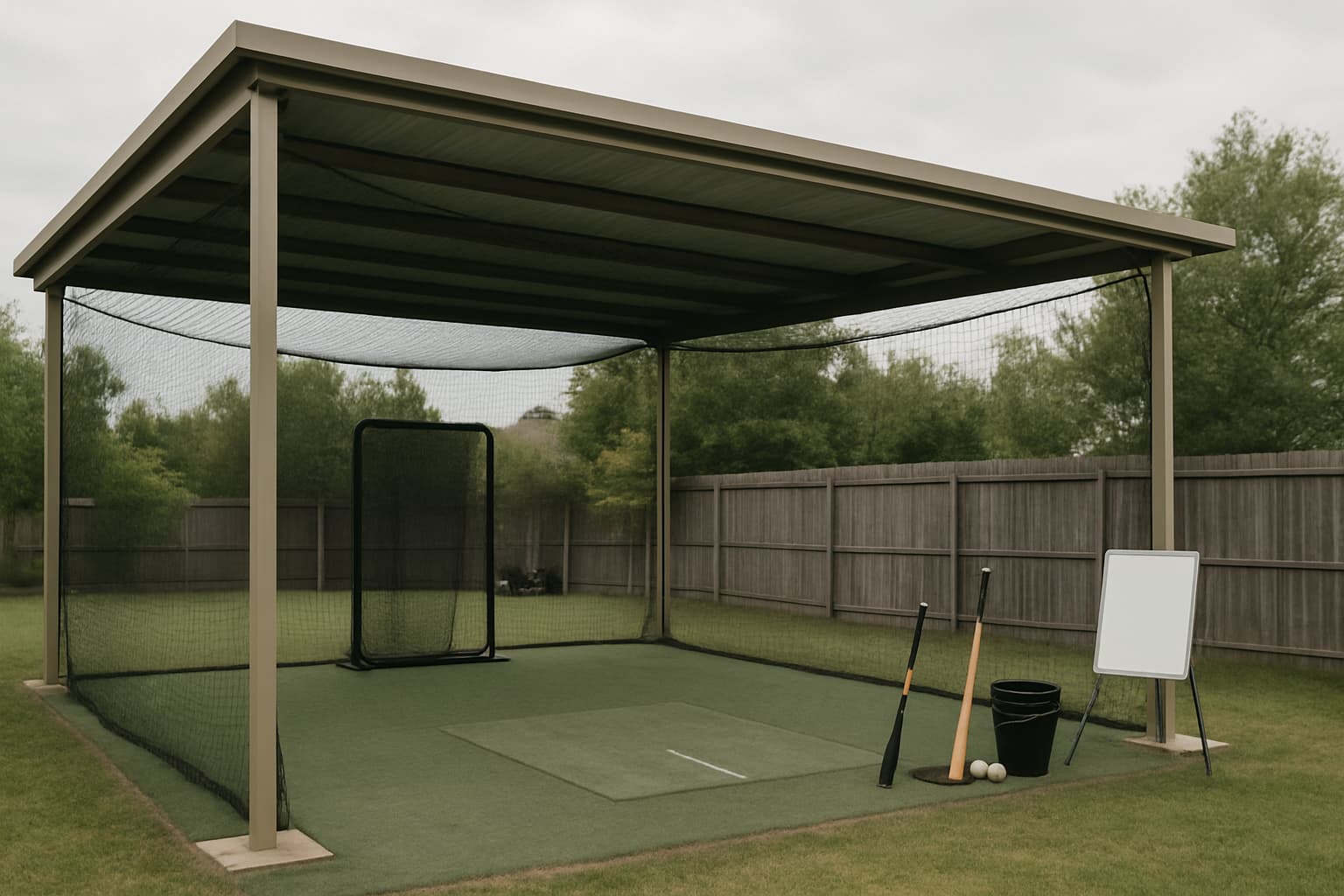
Confidence at the plate is not a personality trait. It is the result of preparation the hitter can trust when the pitcher, scoreboard, and crowd make the at-bat feel bigger than it is. Players lose confidence when every swing feels random: one good round, one bad game, one parent cue, one coach cue, and no clear way to measure progress. The fix is to make batting practice more predictable, more honest, and more connected to game situations.
A confident hitter still strikes out. The difference is that they know what they are trying to do, understand why a miss happened, and have a routine that brings them back to the next pitch. Whether you train in a backyard tunnel, a school facility, or one of the rentable batting cages on CageList, confidence grows fastest when the session has a plan.
Build confidence with controllable goals
Most young hitters are evaluated by outcomes they cannot fully control: batting average, hits, lineup spot, or whether the defense made a play. Cage work should use controllable goals instead. Did the hitter get ready on time? Did they swing at good pitches? Did they keep posture through contact? Did they drive five balls hard to the middle of the cage? Those are behaviors a player can repeat.
Start each session by naming one goal. For example: "Today we are tracking balanced takes and hard contact up the middle." That gives the hitter a standard besides "get a hit." The batting cage practice guide lays out a simple way to structure warm-up, skill rounds, challenge rounds, and review so the hitter leaves with evidence instead of guesses.
Use early success, then add pressure
Confidence does not come from only doing easy work, but hitters need enough early success to believe the cue is working. Begin with tee or front-toss rounds where the player can feel the movement you want. If the cue is staying closed, do not start with a machine throwing max speed away. Let the hitter groove the feel first, then move to a harder version.
A good progression is five dry swings, ten tee swings, ten front-toss swings, then two short machine rounds. End with a challenge: three points for a hard line drive, one point for a good take, zero for a chase or rollover. Competitive scoring turns practice into something closer to an at-bat without letting failure define the whole day. You can pull specific games from the batting cage drills library and rotate them week to week.
Teach a reset routine
Many hitters spiral after one bad swing because they do not know what to do next. A reset routine gives them a repeatable response. Step out, breathe, look at a focal point, say a short cue, and step back in. The cue should be simple: "see it," "middle," "on time," or "attack a strike." Avoid long mechanical speeches between pitches. The hitter needs a thought they can carry into the box.
Practice the routine in the cage. After a swing-and-miss, require the player to step out and reset before the next pitch. After a hard ball, do the same. Confidence grows when the routine is not only for panic moments. It is what the hitter does every pitch.
Separate mechanics from identity
Young players often hear "you are pulling off" as "you are bad." Coaches and parents can help by describing the swing, not the person. Say, "Your front shoulder opened early on that pitch," then give the next action. Better still, ask the hitter what they felt. This makes adjustment part of the game instead of proof that the player failed.
Video can help if it is used carefully. Show one clip of a good swing and one clip of the miss. Ask what stayed the same and what changed. Then go back to hitting. Do not turn every cage session into a film room. Players build confidence by taking action, not by staring at flaws for twenty minutes.
Make games feel familiar
The best confidence work resembles real at-bats. Mix takes with swings. Change locations. Add counts. Make the hitter win a round by executing a plan, not by taking the most swings. If the hitter struggles with offspeed pitches, pair confidence work with how to hit a changeup and offspeed pitches. If they lose direction, use opposite-field training to keep the barrel through the zone.
After the session, write down one win and one next step. The win might be "stayed balanced on outside pitches." The next step might be "load earlier against the machine." That short review gives the player something concrete to carry into the next practice or game.
FAQ
How do you help a hitter who is scared of striking out?
Give them process goals and practice two-strike rounds. Reward good takes, foul-ball battles, and hard contact even when the round does not end with a perfect swing.
Can too much batting practice hurt confidence?
Yes. Long, tired sessions can make a hitter feel broken. Shorter rounds with clear goals usually build confidence faster than endless swings.
Should parents give mechanical cues during games?
Usually no. Save mechanics for practice. In games, use simple encouragement and let the hitter rely on the routine they trained.
Find a baseball league near you
Put your work into a real season — men's leagues, Little League, and travel teams, all in one guide.
Related Guides
View all articles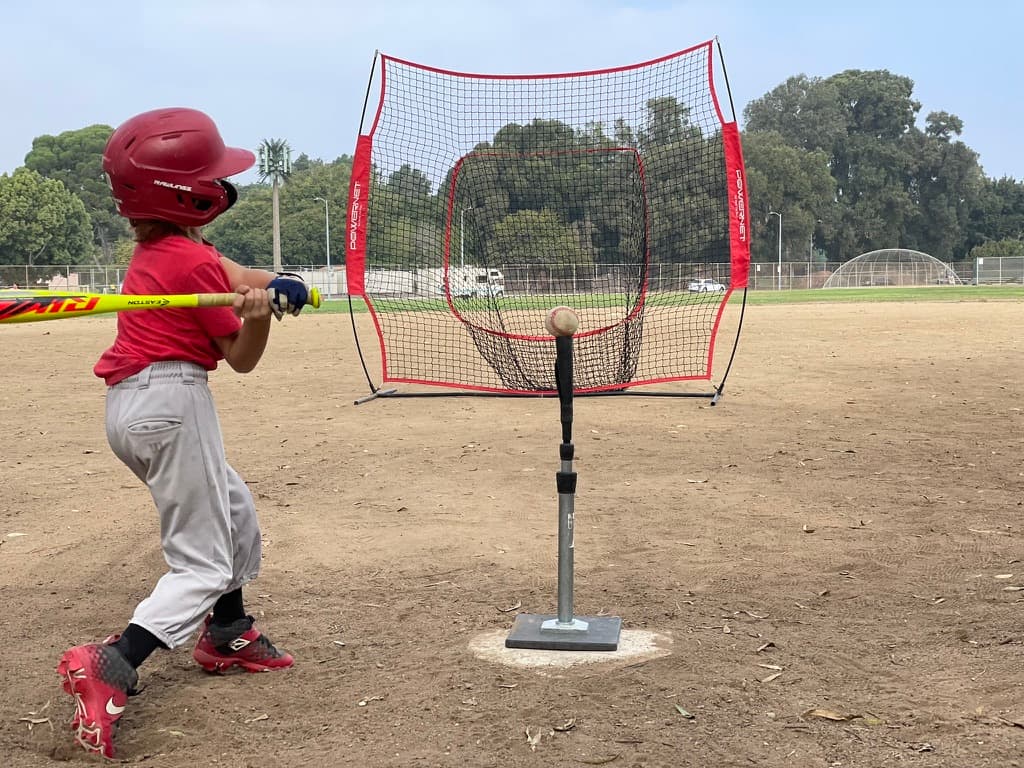
Training & Hitting
Practicing Hitting at Home Between Cage Sessions
You can not book a cage every day, but you can still get quality swings at home. Here is how to build a simple at-home hitting routine between rentals.
Training & Hitting
How to Run a Hustle Ball Class: Coach Pitch, Close Games, Teachable Moments
A coach's how-to for Hustle Ball™ — manage pace with coach pitch, keep games close, rotate positions, and teach without killing the energy.
Training & Hitting
Hustle Ball: Why One Practice a Week Should Feel Like a Real Game
MADE Baseball's Hustle Ball™ — coach-pitch live play that keeps kids loving the game. Why one weekly practice should feel like a real game, not only drills or tournaments.
Run a travel team? Get your free page.
Baseball or softball. Claim a free directory page, post tryouts, and share cagelist.com/@yourteam with families.
Find your league
Free directories of real leagues and clubs near you — then book a batting cage to get your reps in before opening day.
1,000 organizations

Join the backyard batting cage community
Talk builds, gear, hosting and player development with cage owners, coaches, parents and baseball families.