A changeup is designed to make a good swing happen at the wrong time. The pitch looks like a fastball out of the hand, then arrives slower or with late fade. Hitters who panic usually lunge, roll over, or pull off the ball. Hitters who handle offspeed well do not guess perfectly every time. They build a timing plan that lets them be ready for the fastball while staying balanced enough to adjust.
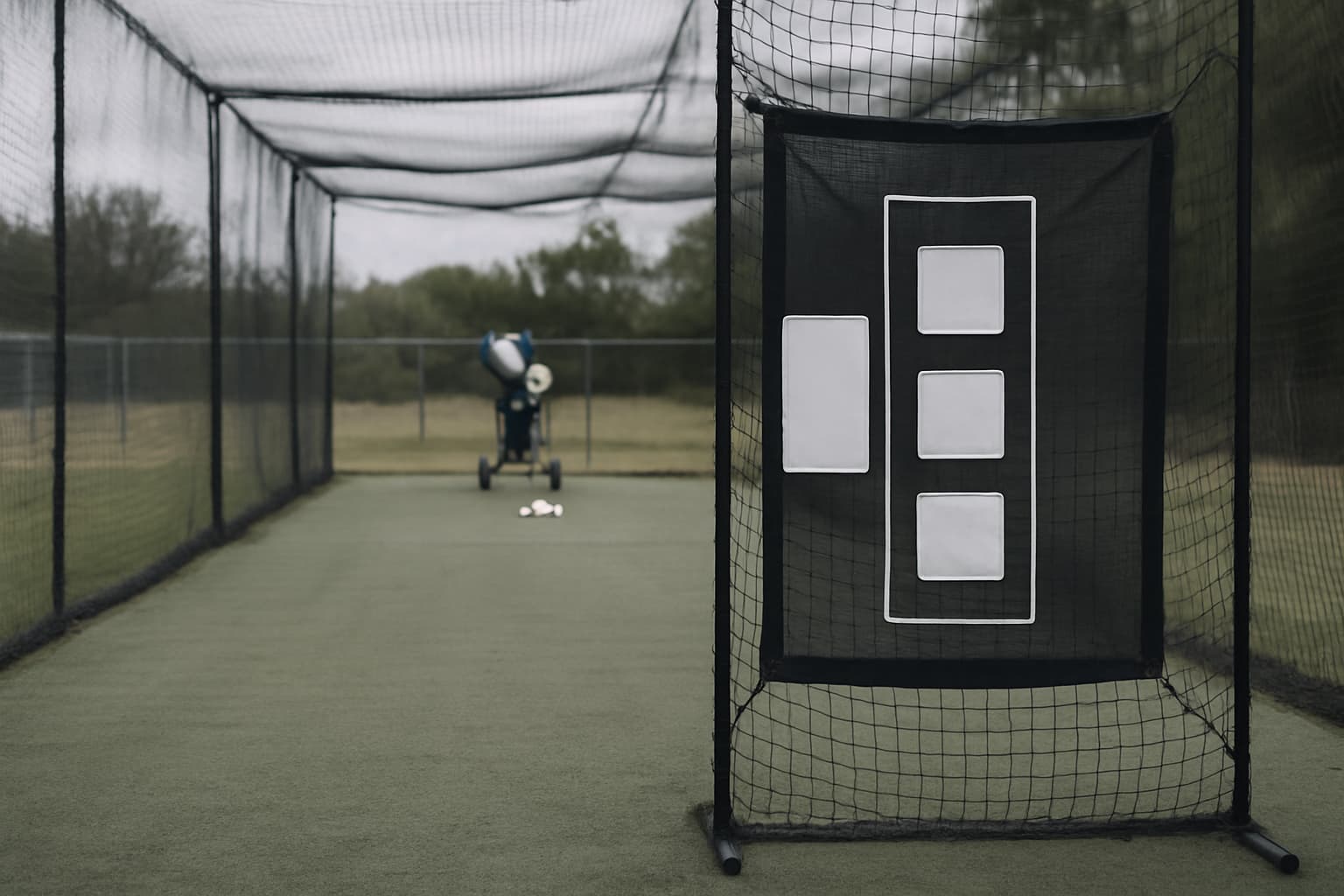
The best place to train that plan is a controlled cage environment where the hitter can see repeated speed changes without chasing results. Use CageList to find cage time, then structure the session around recognition, balance, and direction instead of just hoping the hitter sees the next changeup earlier.
Start with the fastball approach
Most hitters should still be ready to hit the fastball. Sitting changeup all the time makes the hitter late on the pitch they see most often. The better approach is to be on time for the fastball with a move that does not commit the body too early. The load should happen early enough. The stride should get down under control. The hands should stay back until the hitter decides to launch.
A useful cue is "slow feet, quick barrel." The hitter gets the front foot down without drifting, then lets the barrel work when the pitch enters the hitting window. If the body leaks forward, even perfect pitch recognition will not save the swing. This is why offspeed work belongs inside a broader plan like the batting cage practice guide, not as a random machine setting at the end.
Train recognition before reaction
Hitters need to learn what changes. A changeup may show lower spin, a different hand speed, a slight hump, or later arrival. Do not overwhelm young hitters with scouting language. Ask them to call "fast" or "slow" as early as they can during front toss. At first, they do not even have to swing. The goal is to make the eyes work.
Progress from takes to controlled swings. Toss five fastballs, five changeups, then mix them. The hitter gets points for correct takes and balanced swings, not only for hard contact. When using a machine, avoid unrealistic speed gaps. A giant difference teaches the hitter to wait forever. A game-like difference teaches adjustment.
Keep the body centered
Most bad changeup swings happen because the hitter’s weight has already crashed forward. The front knee locks, the head moves, and the hands cast away from the body. Tee and front-toss drills can fix this before the hitter faces mixed speeds. Try a pause-and-go drill: the hitter loads, pauses balanced at landing, then swings after a short toss. This teaches the body that landing is not the same as swinging.
Another strong drill is opposite-field front toss. If the hitter can drive a slower pitch to the opposite gap, they are probably staying through the ball. Pair this article with how to hit to the opposite field for a full direction-based progression.
Use counts and zones
Offspeed hitting is also decision-making. In a hitter’s count, a player may look for a fastball in one zone and take the changeup if it starts low. With two strikes, the hitter may need to battle the pitch the other way. Cage rounds should reflect that. Call out counts before each pitch. Give the hitter a plan: "2-0, fastball middle-in," or "1-2, protect away." The swing decision becomes part of the rep.
For younger players, keep the language simple. "Hit your pitch hard" and "take the slow pitch below the knees" are enough. For older players, add pitcher patterns and location. Use drills from the batting cage drills library to build mixed-speed rounds that include takes, fouls, and two-strike contact.
Finish with a pressure round
After recognition and balance work, end with a round that feels like an at-bat. The hitter gets six pitches. They earn two points for a hard ball in the intended direction, one point for a good take, and zero for chasing or lunging. Mix fastballs and changeups. Track the score over several weeks so the player can see progress.
If confidence is the issue, connect offspeed training to building confidence at the plate. Hitters stop fearing changeups when they have a plan for being fooled and still competing.
FAQ
Should hitters sit on the changeup?
Usually no. Most hitters should be ready for the fastball and train a balanced move that lets them adjust to slower pitches.
What is the best drill for hitting offspeed?
Mixed front toss with takes is one of the best starts. The hitter learns recognition before trying to crush every pitch.
Why do hitters roll over changeups?
They often drift forward, commit early, and pull the barrel across the ball. Staying centered and driving the ball the other way helps.
Find a baseball league near you
Put your work into a real season — men's leagues, Little League, and travel teams, all in one guide.
Related Guides
View all articles
Training & Hitting
Practicing Hitting at Home Between Cage Sessions
You can not book a cage every day, but you can still get quality swings at home. Here is how to build a simple at-home hitting routine between rentals.
Training & Hitting
How to Run a Hustle Ball Class: Coach Pitch, Close Games, Teachable Moments
A coach's how-to for Hustle Ball™ — manage pace with coach pitch, keep games close, rotate positions, and teach without killing the energy.
Training & Hitting
Hustle Ball: Why One Practice a Week Should Feel Like a Real Game
MADE Baseball's Hustle Ball™ — coach-pitch live play that keeps kids loving the game. Why one weekly practice should feel like a real game, not only drills or tournaments.
Run a travel team? Get your free page.
Baseball or softball. Claim a free directory page, post tryouts, and share cagelist.com/@yourteam with families.
Find your league
Free directories of real leagues and clubs near you — then book a batting cage to get your reps in before opening day.
1,000 organizations

Join the backyard batting cage community
Talk builds, gear, hosting and player development with cage owners, coaches, parents and baseball families.