Hitting to the opposite field is not a trick swing. It is a sign that the hitter sees the ball deep, keeps the barrel in the zone, and does not panic when the pitch is away or late. Players who can use the opposite field are harder to pitch to because they do not have to pull every strike to be productive. They can drive an outside fastball, battle with two strikes, and stay on offspeed pitches that would otherwise turn into weak rollovers.
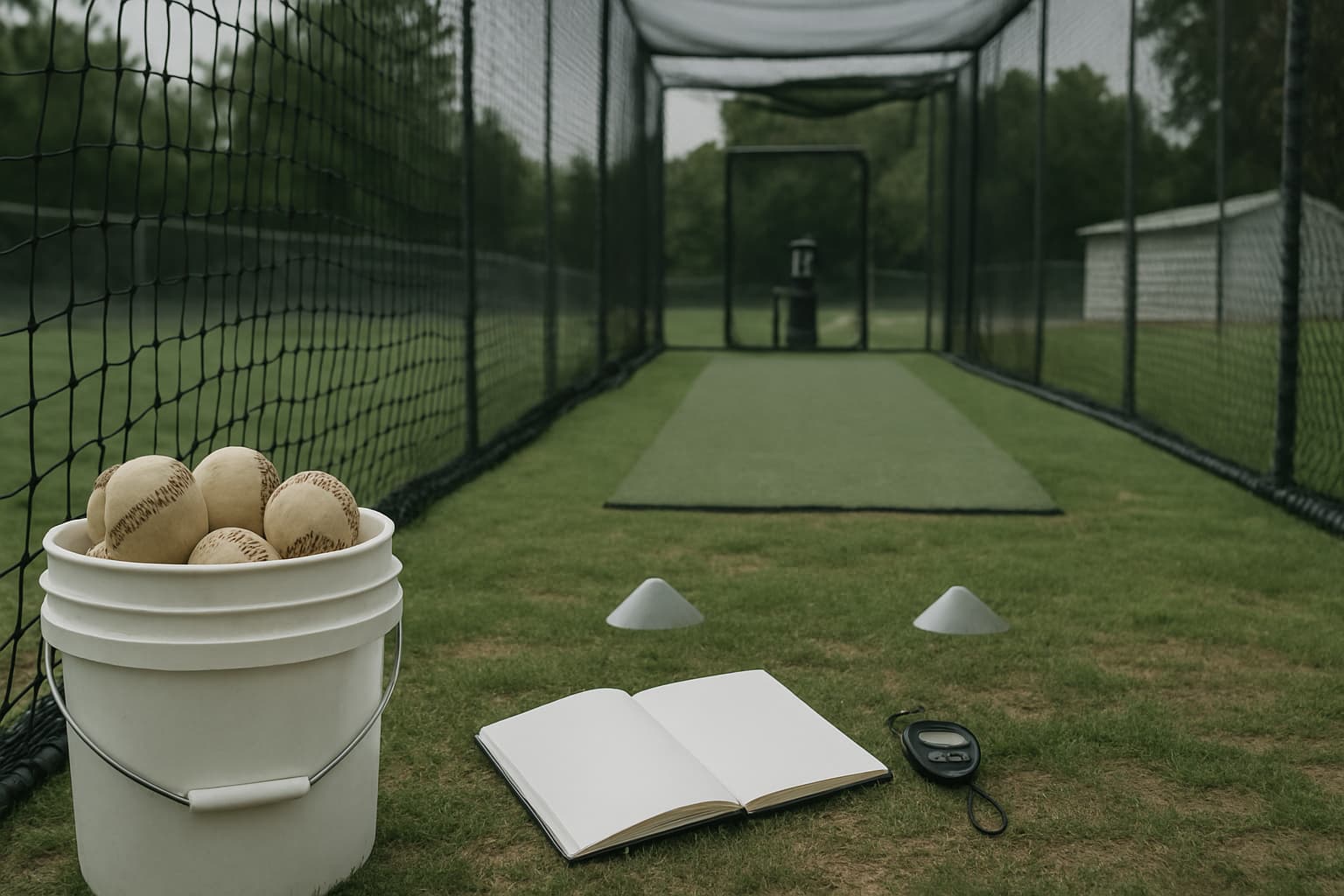
The cage is the right place to build that skill because the hitter can control location and repeat the same pitch until the movement becomes familiar. Book a lane through CageList, set a clear opposite-field target, and make the round about direction rather than distance.
Understand what opposite-field contact means
For a right-handed hitter, opposite field means right-center or right field. For a left-handed hitter, it means left-center or left field. The hitter does not need to push the ball weakly that way. A good opposite-field swing still turns aggressively, but the contact point is slightly deeper and the barrel stays through the ball longer.
The most common mistake is trying to aim the hands. That usually creates a late, defensive push. Instead, the hitter should keep the front shoulder closed a fraction longer, let the ball travel, and drive through the inside half of the ball. The swing is still athletic. The direction changes because the hitter matches the pitch location.
Start with tee placement
Place the tee deeper than a pull-side contact point, roughly even with or slightly behind the front hip depending on the player. Put a net target or visual marker in the opposite-field lane. The hitter’s goal is a firm line drive through that lane. If the ball hooks foul or rolls over, the hitter is probably opening early or cutting across the ball.
Use small sets of five swings. After each set, ask whether the hitter felt the ball get deep enough. This keeps the drill from becoming automatic. For broader session structure, follow the batting cage practice guide: isolate the skill first, then make it more game-like.
Move to front toss and machine work
Once the tee round is clean, use front toss to the outer half. The tosser should keep the speed comfortable at first so the hitter can feel timing and direction. Then add middle-away and away pitches randomly. The hitter should only try to drive pitches that actually belong in the opposite-field lane. Middle-in pitches can still be hit hard to the middle or pull side.
Machine work is useful if the cage allows location control. Start at a manageable speed. A hitter who is late on every pitch is not practicing opposite-field hitting; they are surviving. Gradually raise the speed as the hitter holds posture and direction. Add takes so the player learns which outside pitches are strikes and which should be left alone.
Use opposite-field work for offspeed
Opposite-field training pairs well with changeup practice because both skills reward balance. When hitters are fooled, they often leak forward and yank the ball. A deeper contact point gives them a chance to stay through the pitch. After tee and front toss, mix fastballs and changeups with a scoring system: two points for a hard ball to the opposite gap, one for a good take, zero for a chase or rollover.
For a full offspeed progression, read how to hit a changeup and offspeed pitches. Then pull supporting stations from the batting cage drills library, especially two-tee direction work and front-toss recognition rounds.
Do not abandon the middle
Opposite-field work should make a hitter more complete, not passive. If every swing becomes a late push, bring the target back to the middle of the cage. A strong rule is middle first, opposite when the pitch calls for it. The hitter learns to use the field without losing bat speed.
Track progress with simple numbers. In a ten-swing round, how many balls were hard and in the intended lane? How many were rollovers? How many were takes? Over time, the player should see fewer rollovers and more firm contact to the big part of the field.
FAQ
Does hitting opposite field reduce power?
No. Weak opposite-field contact usually comes from pushing the ball. Strong opposite-field contact comes from good timing, rotation, and a deeper contact point.
How often should hitters practice opposite field?
Most hitters benefit from a short opposite-field block in nearly every cage session, especially before mixed-location or offspeed rounds.
What cue helps hitters stop pulling away?
Use "let it travel" or "drive the inside half." Keep the cue simple enough for the hitter to use during a live pitch.
Find a baseball league near you
Put your work into a real season — men's leagues, Little League, and travel teams, all in one guide.
Related Guides
View all articles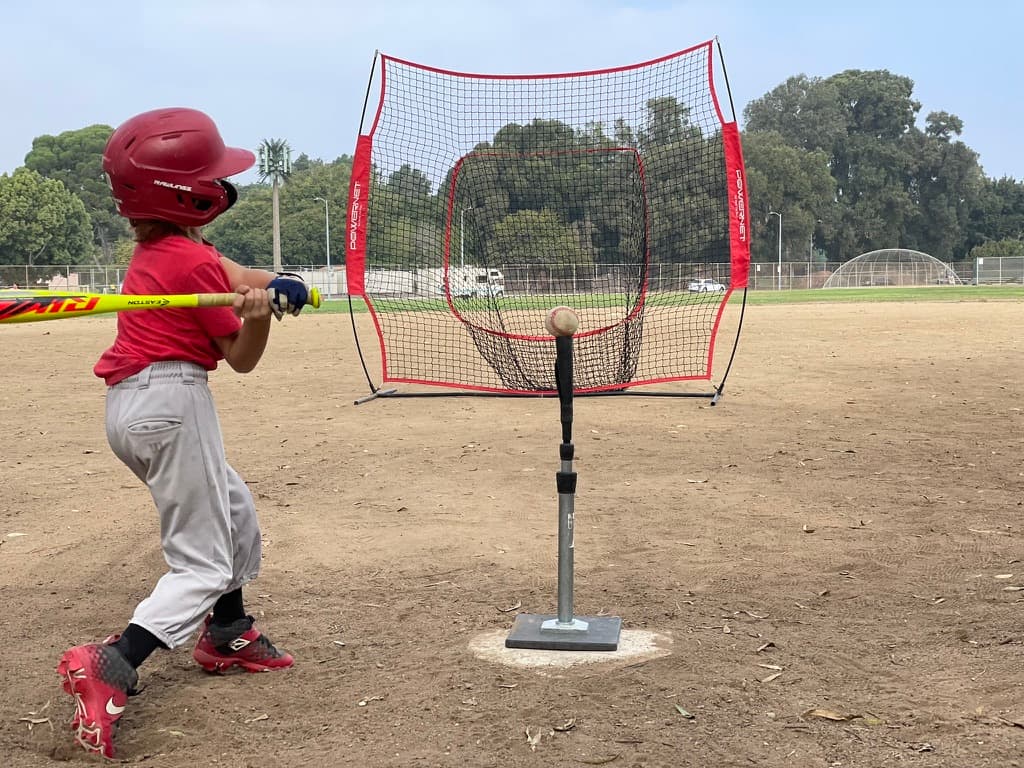
Training & Hitting
Practicing Hitting at Home Between Cage Sessions
You can not book a cage every day, but you can still get quality swings at home. Here is how to build a simple at-home hitting routine between rentals.
Training & Hitting
How to Run a Hustle Ball Class: Coach Pitch, Close Games, Teachable Moments
A coach's how-to for Hustle Ball™ — manage pace with coach pitch, keep games close, rotate positions, and teach without killing the energy.
Training & Hitting
Hustle Ball: Why One Practice a Week Should Feel Like a Real Game
MADE Baseball's Hustle Ball™ — coach-pitch live play that keeps kids loving the game. Why one weekly practice should feel like a real game, not only drills or tournaments.
Run a travel team? Get your free page.
Baseball or softball. Claim a free directory page, post tryouts, and share cagelist.com/@yourteam with families.
Find your league
Free directories of real leagues and clubs near you — then book a batting cage to get your reps in before opening day.
1,000 organizations

Join the backyard batting cage community
Talk builds, gear, hosting and player development with cage owners, coaches, parents and baseball families.