Ask any pitching coach what separates the kids who keep throwing from the ones who end up in a sling, and it usually isn't velocity — it's what they do between outings. Recovery and arm care are the least glamorous gear a player owns and, over a career, the most important. Here's what's actually worth having.
The gear we'd actually buy
Our picks below — each links out to check current price. As an Amazon Associate, CageList earns from qualifying purchases.
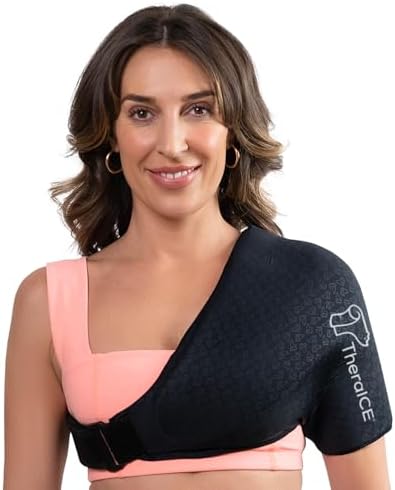 For PitchersTheraICEShoulder Ice Pack Wrap PRORotator-cuff cold-therapy compression sleeveShop on Amazon →
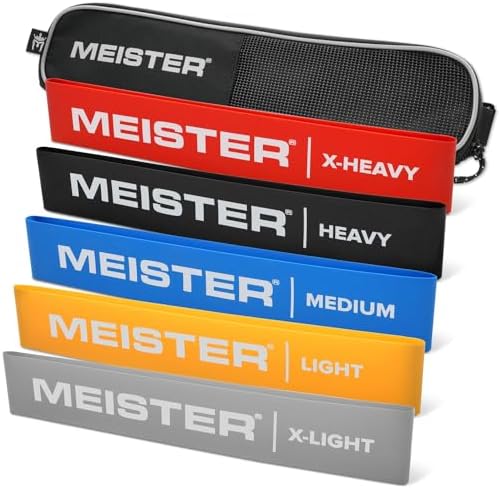 Arm CareMeisterMobility Resistance Band Set5 bands X-light to X-heavyShop on Amazon →
Start With Arm Care, Because Baseball Is Hard on Arms
Youth arm injuries have climbed for a decade, and most trace back to volume and fatigue rather than one bad throw. A simple, consistent arm-care routine — band work before throwing, mobility and cold after — is the cheapest insurance in the sport.
Resistance / arm-care bands
The foundation. A light band set built for shoulder and rotator-cuff work is how nearly every college and pro program warms up an arm. It costs less than a dozen baseballs and does more to keep a pitcher healthy than any gadget. If you buy one recovery item, buy bands.
Mobility & stretch bands
Broader than arm-care bands — a set of graduated mobility bands opens up hips, shoulders, and the thoracic spine that a rotational athlete leans on. Useful for the whole team, not just pitchers.
Then Add Recovery Tools That Pull Their Weight
Foam roller
The workhorse of self-myofascial release. A firm, multi-density roller loosens legs, back, and lats after a long practice for the price of a couple buckets of balls. Every facility should have one in the corner.
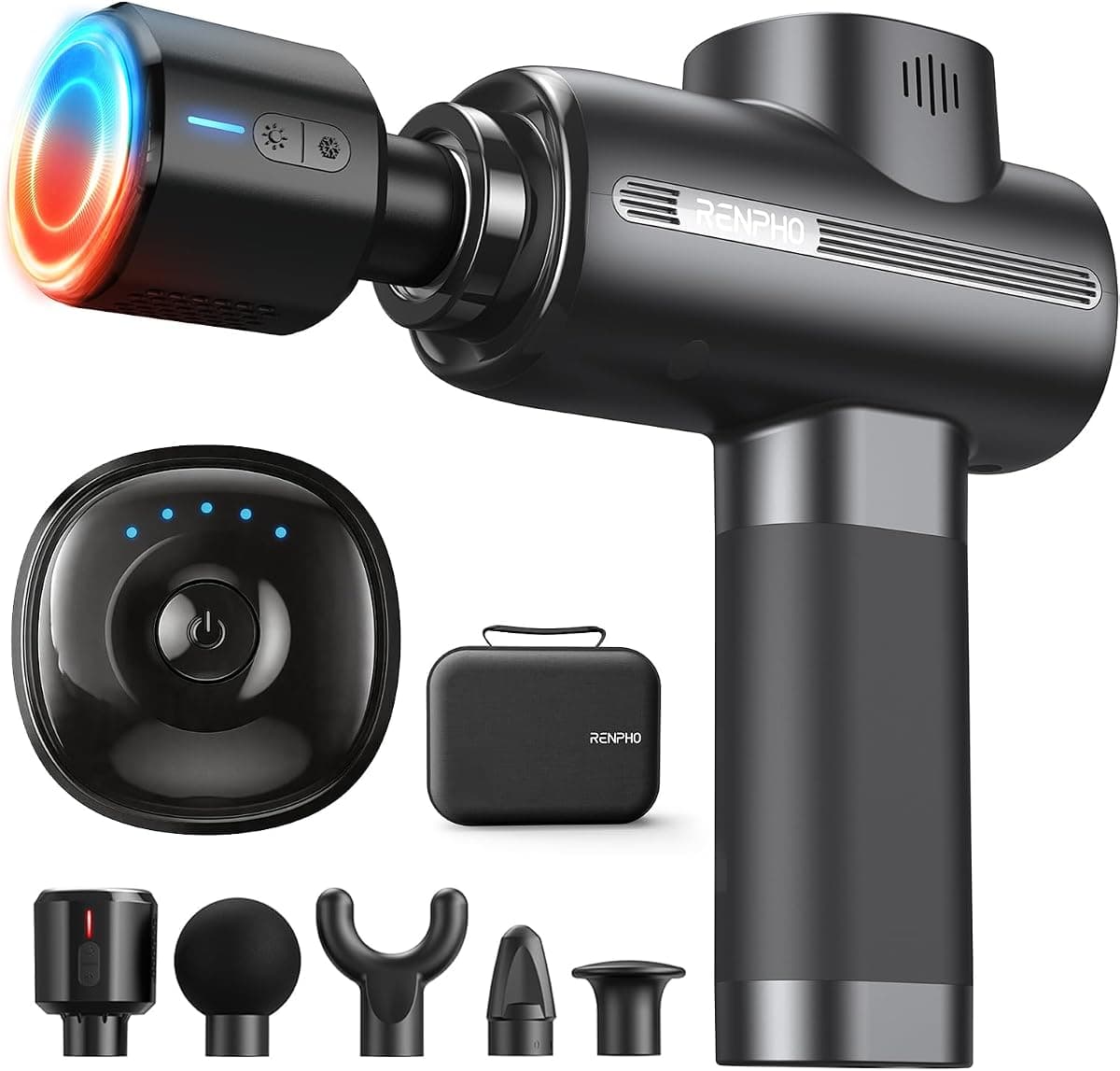
Percussion massage gun
Faster, more targeted relief than a roller for tight forearms, shoulders, and calves. Warm up with it before throwing, flush the arm after. Quiet, portable models with a few speeds cover everything a player needs without the pro-level price.
Shoulder ice / cold-therapy wrap
After a pitcher's outing, a reusable rotator-cuff wrap that ices and compresses beats a bag of ice and a rubber band. It stays put, it's reusable, and it makes the routine easy enough that kids actually do it.
Leg compression boots
The step-up for a serious program or a facility. Sequential air compression flushes tired legs after back-to-back practices and long tournament days — the same tech pro clubhouses use, now at a reachable price.
How to Prioritize
- Every player, first ($25–$60): arm-care bands + a foam roller.
- The next step ($60–$150): a massage gun and a shoulder ice wrap.
- Facility / serious program ($130+): compression recovery boots for team-wide use.
The recovery and arm-care gear we'd stock — bands, a roller, a massage gun, a shoulder wrap, and compression boots — is in the Recovery & Mobility section of the gear store.
FAQ
Do massage guns actually help, or are they hype?
They help, used right: short, targeted sessions to warm up or flush a muscle. They're a supplement to bands and mobility work, not a replacement for a real routine.
Ice after every outing?
Opinions vary by coach and level; many programs favor active recovery and mobility over routine icing, with cold reserved for real soreness or after high-volume days. A reusable wrap makes either approach easy.
What's the single best value?
Arm-care bands. Cheapest item here, biggest long-term payoff for a throwing athlete.
Shop This Guide
CageList picks that match what this article covers — no extra searching required.
Affiliate disclosure: As an Amazon Associate, CageList earns from qualifying purchases.


Build a better cage setup with the right equipment
Compare cage upgrades with practical advice for nets, turf, pitching machines, balls, and safety gear.
Related Guides
View all articles
Batting Cage Equipment
SKLZ Pitching Machine Review: Worth It at $80?
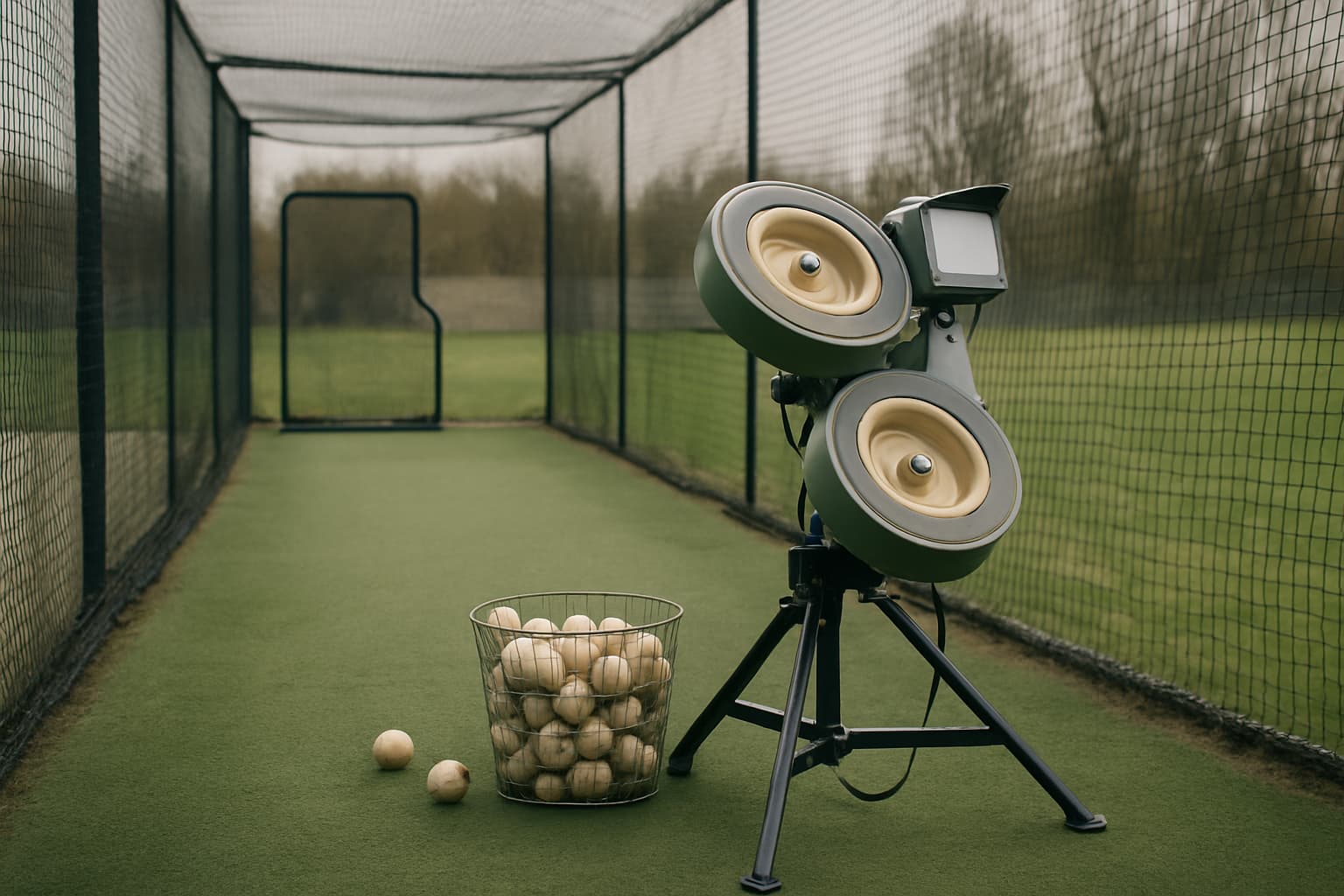
The SKLZ Pitching Machine is one of the cheapest real auto-feed machines on the market. Here is an honest look at what $80 gets you, the rest of the SKLZ lineup, and how it compares to Heater Sports Crusher and Personal Pitcher Pro.
Batting Cage Equipment
Heater Sports Pro Pitching Machine Review: The Best First Machine?
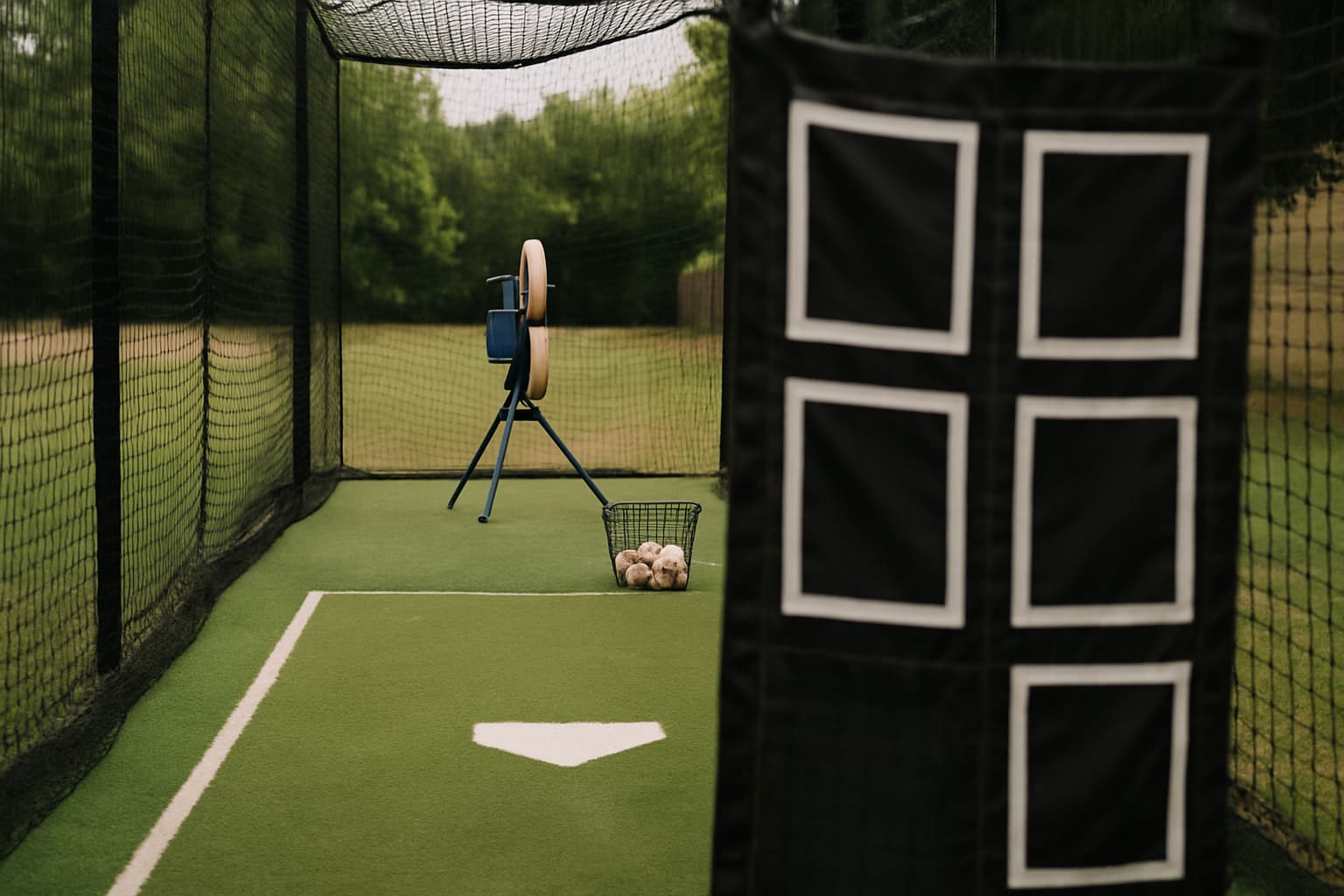
The Heater Sports Pro is one of the most common first pitching machines. Here is what its ~$500 price actually gets you, and how it compares to Louisville Slugger's Blue Flame and the Zooka ZS740.
Batting Cage Equipment
JUGS BP3 Review: The Pitching Machine That Actually Earned Us a Sale
The JUGS BP3 is the first pitching machine that earned CageList a real, confirmed commission. Here is what makes it different — Grip-Tite tires, automatic changeup switching, one-dial pitch selection — and how it compares to Hack Attack.
Run a travel team? Get your free page.
Baseball or softball. Claim a free directory page, post tryouts, and share cagelist.com/@yourteam with families.
Find your league
Free directories of real leagues and clubs near you — then book a batting cage to get your reps in before opening day.
1,000 organizations
Join the backyard batting cage community
Talk builds, gear, hosting and player development with cage owners, coaches, parents and baseball families.