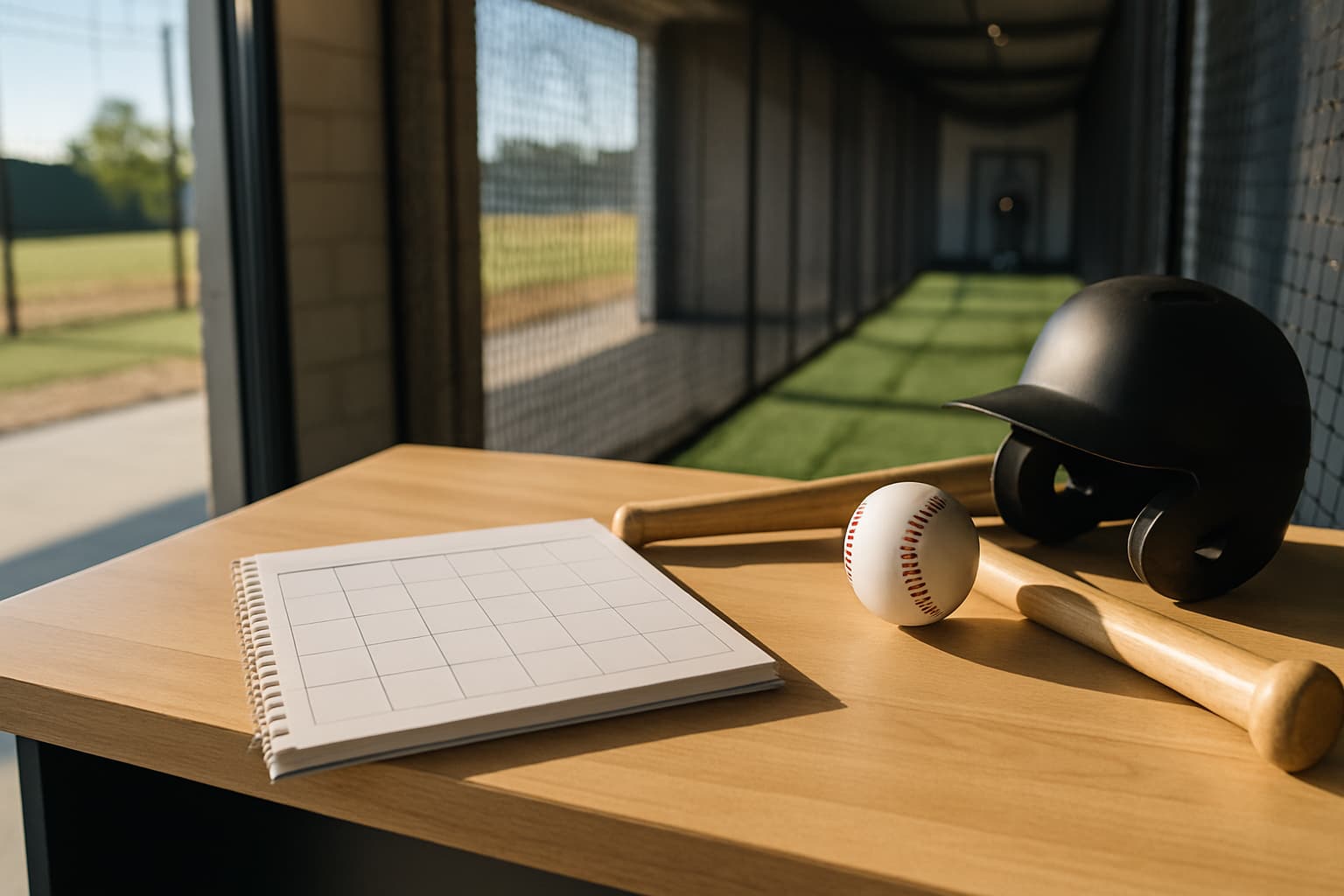
A year-round hitting plan keeps players improving without treating every month like tryouts. The best hitters do not take random swings from January through December. They shift the goal by season: build movement and strength in the offseason, sharpen timing before games begin, maintain feel during the season, and recover after long tournament stretches. That rhythm helps players get better while avoiding burnout.
Batting cages make year-round training easier because they give hitters a controlled place to work when fields are wet, dark, cold, or booked. Use CageList to find cage time near you, then decide what the session should accomplish based on where the player is in the calendar.
Offseason: rebuild and add skill
The offseason is the best time to make mechanical changes because the hitter is not trying to protect game results every weekend. Start with movement quality, strength, and a simple swing assessment. What misses show up most often? Late contact? Rolling over? Pulling off? Trouble with offspeed? Pick one or two priorities instead of rebuilding everything.
Offseason cage sessions can include more tee work, constraint drills, video review, and slower front toss. This is also a good time to learn new skills such as opposite-field contact or bunting. Follow the batting cage practice guide so each session has a warm-up, skill block, challenge block, and review.
Preseason: convert mechanics into timing
As games approach, the plan should shift from movement changes to timing and pitch recognition. Keep a small amount of tee work, but add more front toss, machine work, and count-based rounds. The hitter needs to see speeds that resemble games. If the player spent the offseason changing the load or direction, preseason is where that change must survive velocity.
Use competitive rounds: three simulated at-bats, two-strike battles, hit-and-run contact, or situational bunting. Pull drills from the batting cage drills library and keep score. The player should learn what their swing does under pressure before opening day.
In-season: maintain, do not overhaul
During the season, cage work should help the hitter feel prepared for the next game. This is usually not the time for a major rebuild unless the player is completely lost. Shorter sessions with a clear focus are better than marathon practices. Use enough tee work to find posture, enough toss to feel direction, and enough machine work to match upcoming pitching.
In-season plans should account for game load. A player who caught four games over the weekend does not need 100 high-intensity swings on Monday. Use swing-count guidelines to manage volume. Track quality, not just effort.
Postseason and reset periods
After a long season, players need a reset. That does not always mean doing nothing, but it does mean reducing intensity and letting the body recover. Use light tee work, mobility, and fun competitive games. Review the season: which pitches caused trouble, which counts felt uncomfortable, and which strengths showed up repeatedly?
A two-to-four-week reset can make the next training block better. Players who never step back often drag fatigue into the offseason and mistake tiredness for a mechanical flaw.
A sample annual rhythm
November and December can emphasize movement, strength, and tee foundations. January and February can add specific skill blocks. March shifts toward timing and simulated at-bats. During the main season, use one or two short cage sessions per week for maintenance. Summer tournament players may need microcycles: recovery after events, focused midweek work, and a short pre-event tune-up.
Keep notes after each session. The record does not need to be fancy: date, goal, best round, next step. Over a year, those notes reveal patterns. If confidence dips, revisit building confidence at the plate. If offspeed remains an issue, schedule a block around hitting changeups and offspeed pitches.
FAQ
How many days per week should hitters train?
Most players do well with two or three hitting touchpoints per week, adjusted for age, games, and fatigue. Quality matters more than daily volume.
When should a hitter make mechanical changes?
The offseason is usually best. In-season changes should be small, simple, and tied to game preparation.
Should players take time off from hitting?
Yes. Short reset periods help the body recover and keep players mentally fresh for the next training block.
Find a baseball league near you
Put your work into a real season — men's leagues, Little League, and travel teams, all in one guide.
Related Guides
View all articles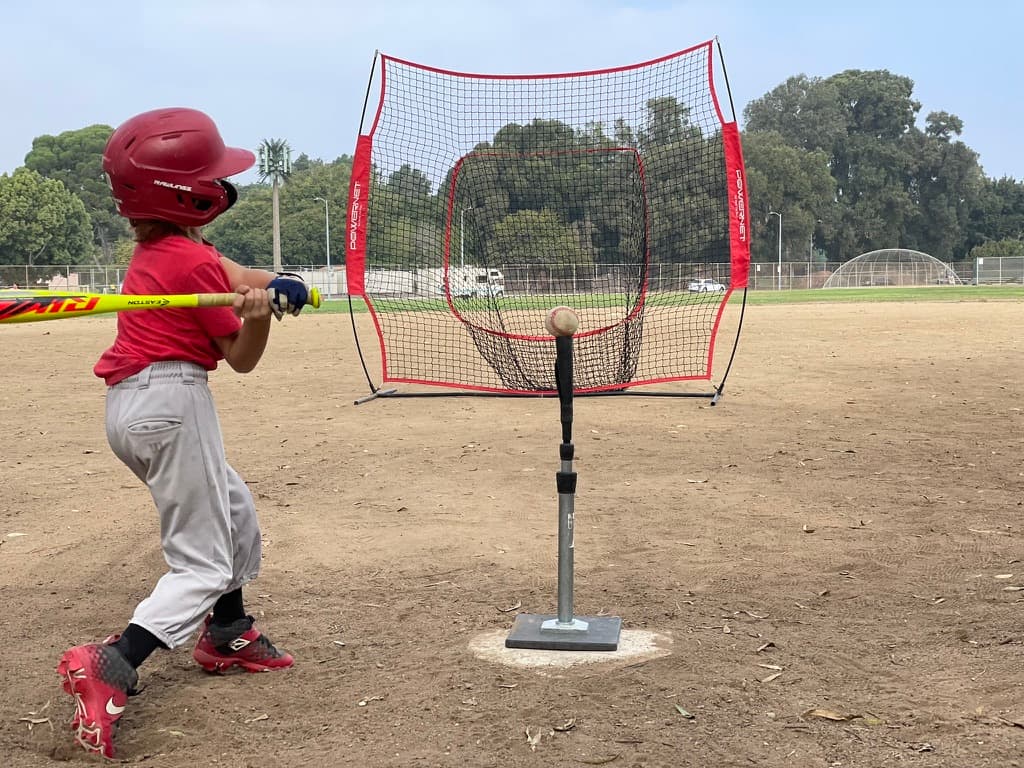
Training & Hitting
Practicing Hitting at Home Between Cage Sessions
You can not book a cage every day, but you can still get quality swings at home. Here is how to build a simple at-home hitting routine between rentals.
Training & Hitting
How to Run a Hustle Ball Class: Coach Pitch, Close Games, Teachable Moments
A coach's how-to for Hustle Ball™ — manage pace with coach pitch, keep games close, rotate positions, and teach without killing the energy.
Training & Hitting
Hustle Ball: Why One Practice a Week Should Feel Like a Real Game
MADE Baseball's Hustle Ball™ — coach-pitch live play that keeps kids loving the game. Why one weekly practice should feel like a real game, not only drills or tournaments.
Run a travel team? Get your free page.
Baseball or softball. Claim a free directory page, post tryouts, and share cagelist.com/@yourteam with families.
Find your league
Free directories of real leagues and clubs near you — then book a batting cage to get your reps in before opening day.
1,000 organizations

Join the backyard batting cage community
Talk builds, gear, hosting and player development with cage owners, coaches, parents and baseball families.