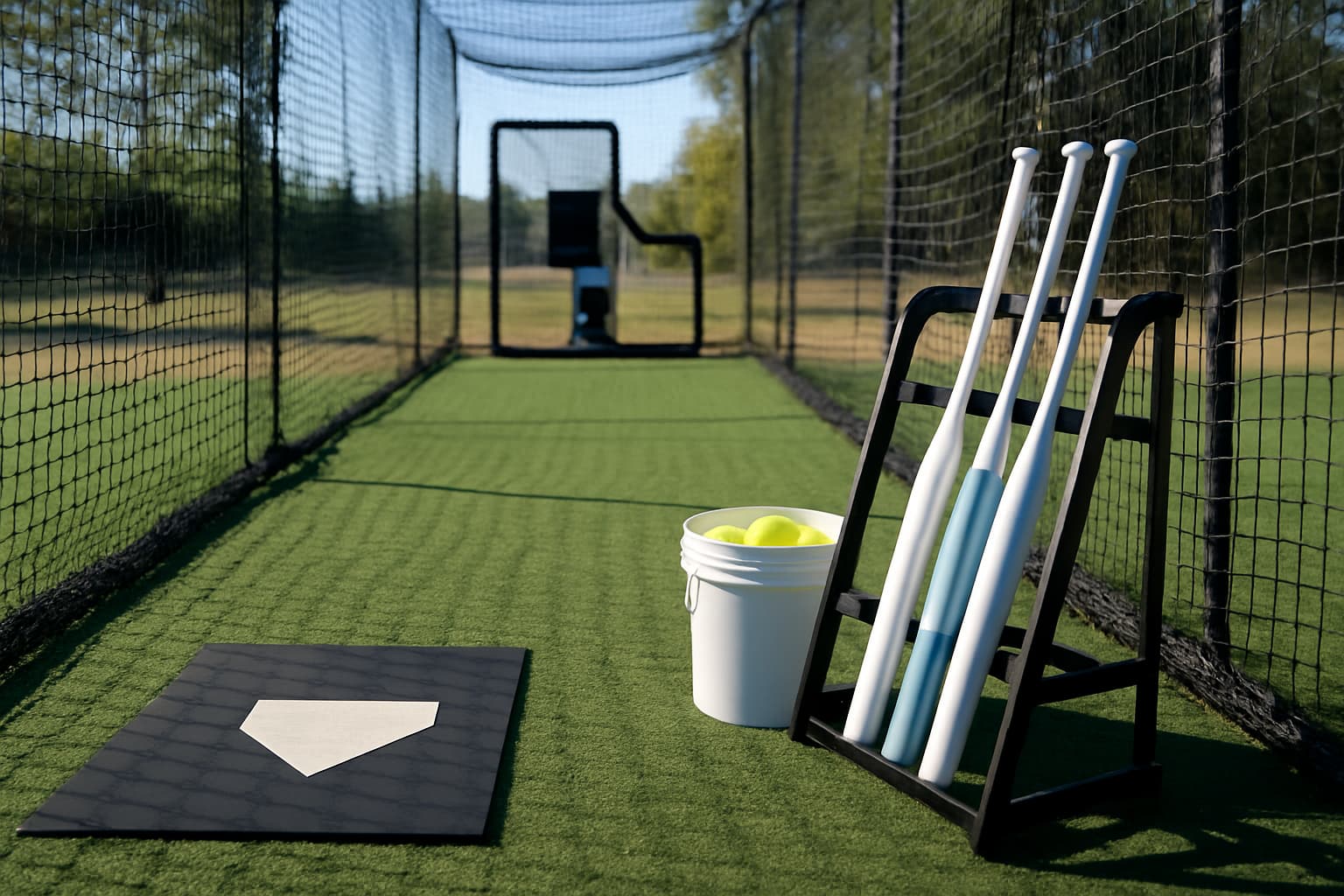
Local cage access matters because baseball and softball improvement is built in small, repeatable sessions. A player does not become more confident by waiting for one perfect team practice each week. They improve when families can find a nearby place to take focused swings after school, before a weekend tournament, or during bad weather. When cages are too far away, too expensive, or only available to a few teams, the gap between players widens.
For youth sports communities, batting cages are not just a convenience. They are infrastructure. Searchable rental options on CageList can help families, coaches, and facility owners connect the extra practice demand that already exists with underused cage time in the community.
Access changes who gets extra reps
In many towns, the players who get the most swings are the ones whose families know a private coach, own a backyard setup, or can drive across the region multiple nights per week. Those advantages add up. Local cages make extra reps more realistic for more families. A thirty-minute session close to home is easier to repeat than a two-hour round trip.
Repeatability matters more than marathon practice. A hitter who takes three focused cage sessions per month for a full season may gain more than a player who attends one long clinic and never follows up. The batting cage practice guide gives families a way to make those shorter sessions productive instead of just renting time and hoping.
Small spaces can serve big programs
Not every community needs a huge indoor complex to improve access. A backyard cage, school tunnel, church gym setup, or two-lane facility can support dozens of players if scheduling is clear and the rules are simple. Local hosts can offer quiet weekday windows. Teams can reserve recurring blocks. Individual families can fill off-peak times that would otherwise sit empty.
This is especially useful in areas where weather limits field time. Rain, heat, cold, and early darkness all disrupt outdoor practice. A nearby cage keeps players moving when the field calendar breaks down. For hosts thinking about opening their space, clear backyard cage rental rules help make shared access safe and predictable.
Better access supports better coaching
Coaches can use local cage access to assign specific work instead of vague homework. A coach might tell a player to complete two opposite-field rounds, one bunting round, and one changeup recognition round before the next tournament. That is only useful if the family has a place to do it. When cages are discoverable, the coach’s plan becomes more practical.
Cage access also helps teams avoid wasting full practices on individual swing fixes. Players can address specific needs outside team time, then team practice can focus on defense, baserunning, communication, and game situations. The batting cage drills library gives coaches a shared vocabulary for those assignments.
Community access can reduce burnout
It may sound odd, but easier cage access can reduce pressure when it replaces frantic, overstuffed training. Families do not need to cram every correction into one expensive lesson if they can book shorter, more affordable sessions nearby. Players can work on one goal, leave while they still feel good, and come back later.
That rhythm matters in the travel-ball era. Families already juggle tournaments, lessons, team practices, school, and recovery. Local cage options make the practice calendar more flexible. Pair this perspective with the rise of travel ball to understand why access has become a bigger issue for modern baseball and softball families.
What communities should look for
A strong local cage network includes safe nets, clear lighting, fair pricing, easy booking, and enough variety for baseball, softball, teams, and individual hitters. It should include rules that protect neighbors and hosts. It should make off-peak hours visible. Most of all, it should help families find a place that fits their actual practice goal.
Local access will not replace coaching, team culture, or field space. It simply gives more players a chance to do the work between games. In youth sports, that can be the difference between a player who quits frustrated and a player who gets enough reps to feel like they belong.
FAQ
Why are batting cages important for youth players?
They give players repeatable hitting reps in a controlled space, especially when fields are unavailable or team practice time is limited.
Do communities need large facilities to improve access?
No. Backyard cages, school tunnels, small indoor spaces, and private hosts can all help if scheduling and safety rules are clear.
How can families use local cage time well?
Choose one goal, use a short drill plan, track a simple result, and stop before fatigue turns practice into bad reps.
Find a baseball league near you
Men's leagues, Little League, and travel teams near you — then book cage time to get ready for the season.
Related Guides
View all articlesCageList News
CageList Is Now an Authorized JUGS Sports Dealer
CageList is now an authorized JUGS Sports dealer. Real JUGS machines, nets, screens, and practice balls, sold and shipped directly at real JUGS pricing.
List Your Cage
Can Your Little League Rent Out Its Batting Cage?
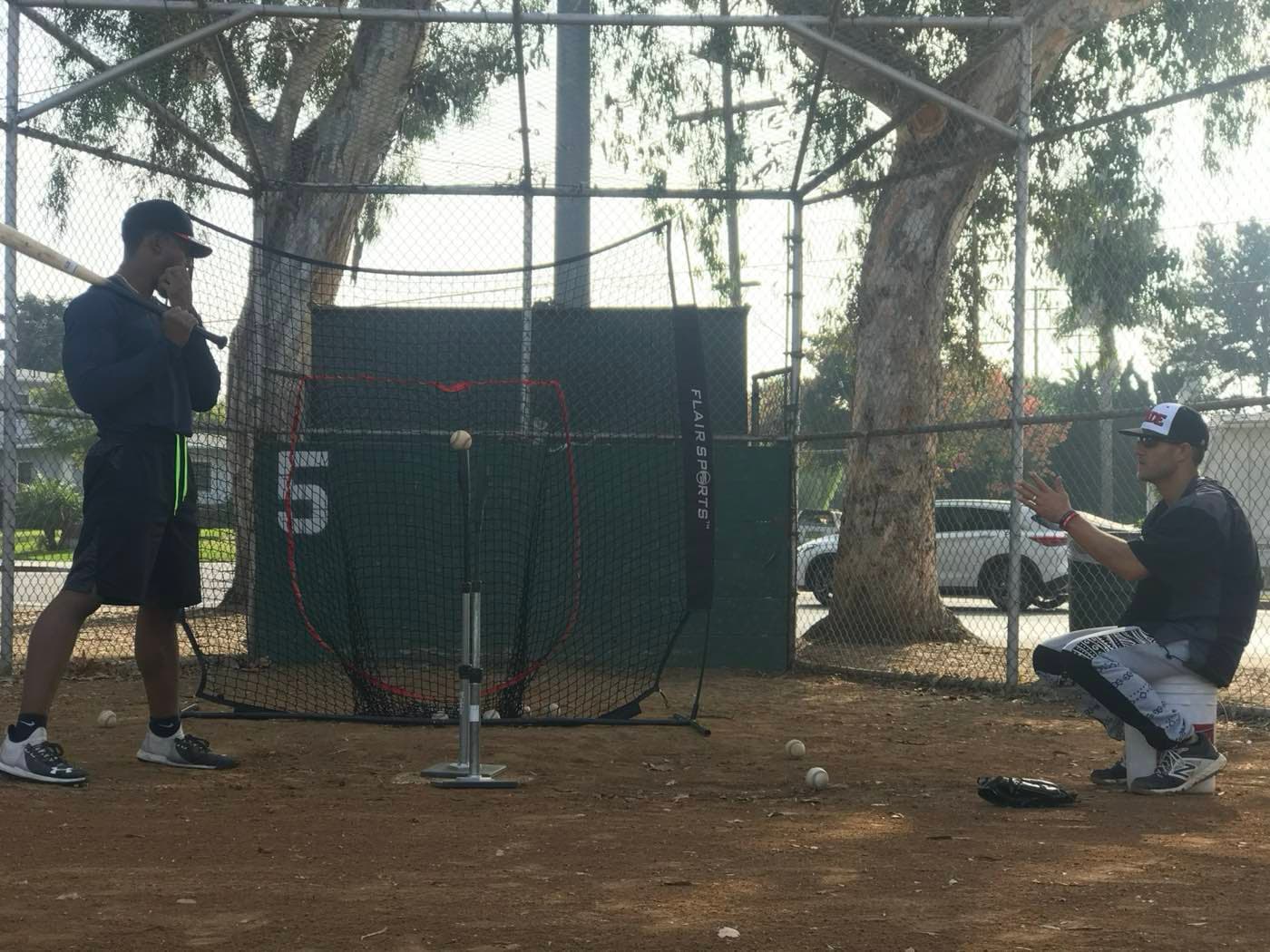
Most leagues own a cage that sits idle most of the year. Opening it up is usually allowed — it depends on who owns the ground, what your use agreement says, and what your liability policy covers. Here is how to check all three.
Find & Rent Batting Cages
What You Actually Get at a HitTrax Cage in Dick's Sporting Goods
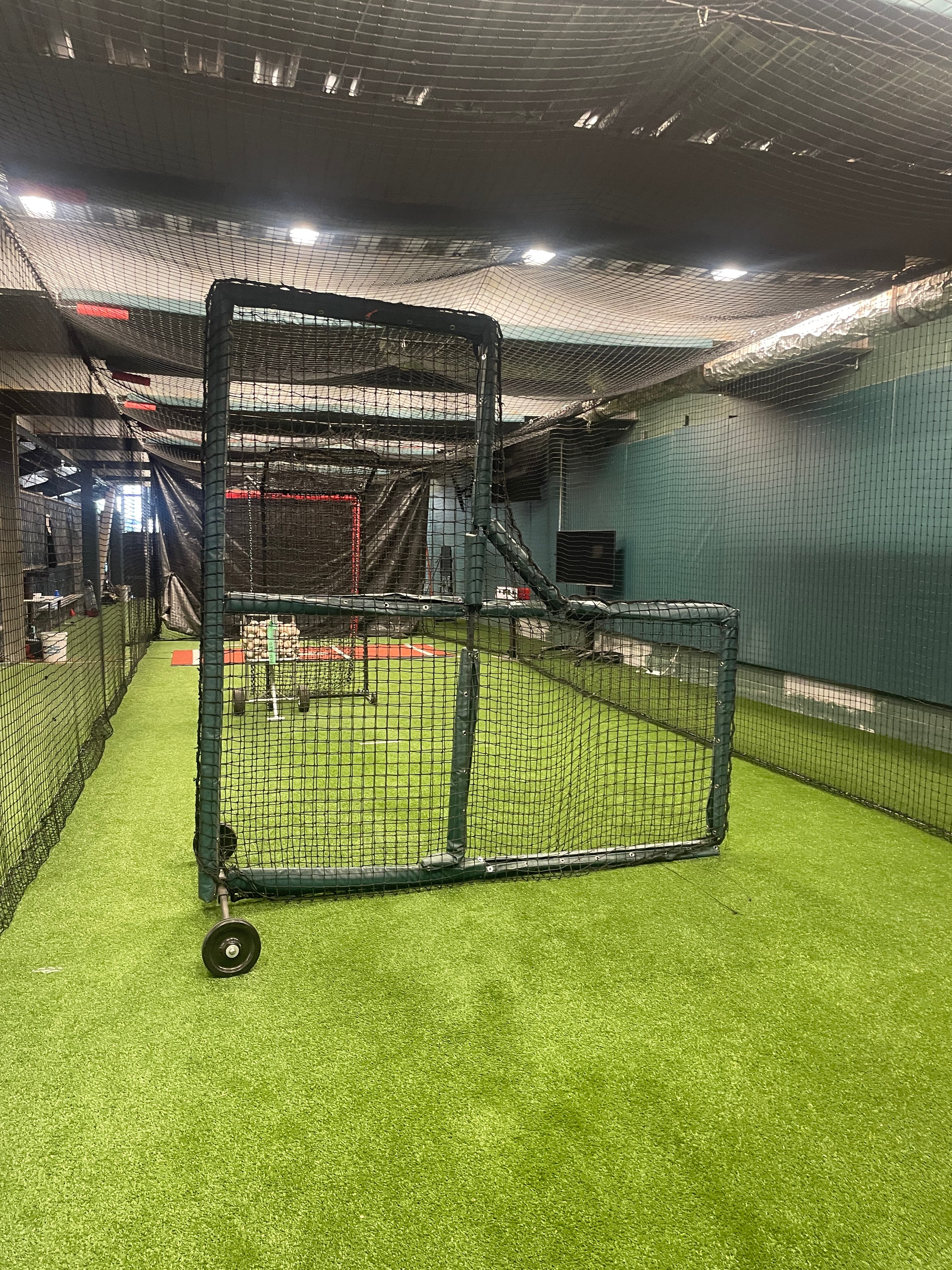
Dick's runs two different services in the same HitTrax cage, and they cost very different amounts. Here is what you get, what it costs, and when a real cage is the better call.
Run a travel team? Get your free page.
Baseball or softball. Claim a free directory page, post tryouts, and share cagelist.com/@yourteam with families.
Find your league
Free directories of real leagues and clubs near you — then book a batting cage to get your reps in before opening day.
1,000 organizations

Join the backyard batting cage community
Talk builds, gear, hosting and player development with cage owners, coaches, parents and baseball families.