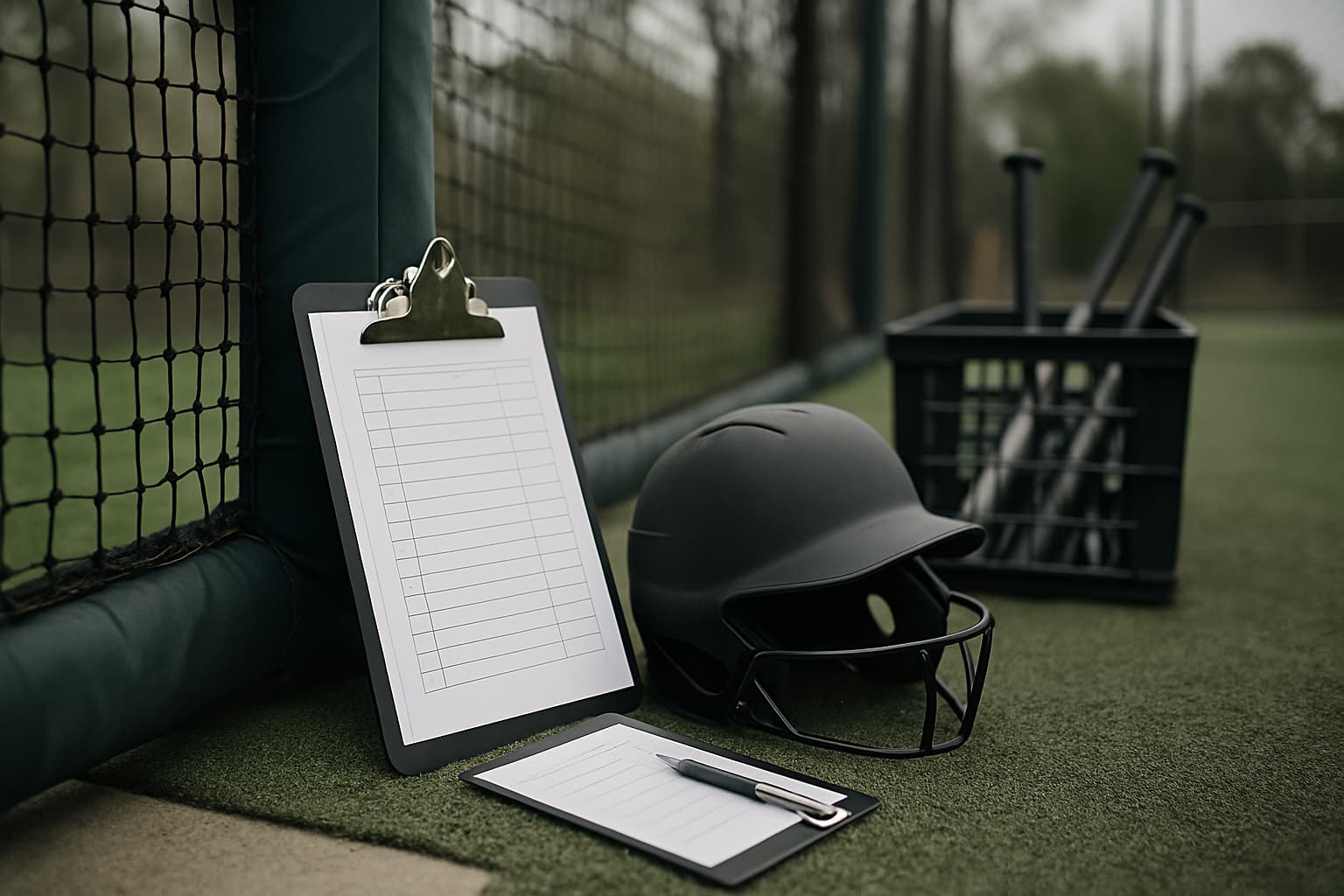
Backyard cage rentals work best when guests know exactly what is allowed before they book. Clear rules protect the host, the guest, the neighbors, and the cage itself. They also make the experience feel more professional. Guests are usually happy to follow expectations when those expectations are specific, reasonable, and easy to find.
The goal is not to make a backyard cage feel less welcoming. The goal is to remove ambiguity. A host who lists on CageList should treat house rules like the operating manual for the space: who can use it, when they can arrive, what equipment is included, how noise is handled, and how safety is enforced.
Begin with who the rental is for
Spell out whether the cage is best for individual hitters, parent-child sessions, private lessons, small teams, or full team practices. If the space cannot handle a full roster, say so. If only one hitter may swing at a time, make that explicit. Capacity limits are not just convenience rules; they affect safety, parking, noise, and wear on the property.
Age guidance also helps. Some hosts require an adult for all youth sessions. Others allow high school players to train independently. Put that expectation in the rules and repeat it in arrival instructions. If you are still deciding whether your space is ready, start with the rental-ready checklist.
Set equipment expectations
Guests need to know what they can use and what they must bring. List balls, tees, L-screens, pitching machines, helmets, buckets, lighting, seating, and bathrooms. If the machine is off limits without approval, say so. If guests may bring their own coach or pitching machine, define what is allowed.
Equipment rules should include cleanup. Ask guests to return balls to buckets, lower tees, turn off lights, and report damage. This is where the guest-side experience connects to cage maintenance. A clean closing routine keeps the next booking from inheriting a mess.
Write safety rules in plain language
Safety rules should be direct. Only one hitter in the cage during swings. No one enters the cage until the hitter stops. Helmets are required for machine work. Spectators stay in the viewing area. No climbing on nets or frames. Stop immediately if netting, turf, cables, or equipment looks damaged.
Avoid legal jargon that guests skim past. Plain rules are more likely to be followed. Hosts with more complex setups should also review safety and liability basics and make sure their listing photos match the actual traffic flow.
Protect neighbors and property
Backyard cages often sit close to homes, fences, pets, driveways, or shared streets. Rules should cover parking, noise, music, lights, bathroom access, trash, and areas that are private. If evening sessions are allowed, define the end time. If guests should not knock on the main door, say how they should contact you instead.
Neighbor-friendly rules can sound warm: "Please keep music low and stay inside the cage area so we can continue offering community practice time." That explains the why, not just the restriction. For more on making the booking feel smooth, connect this with arrival instructions guests love.
Make rules visible before checkout
Rules should appear in the listing, confirmation, and pre-arrival message. Do not hide the important parts until after payment. Guests should know cancellation windows, weather expectations, and supervision requirements before they reserve. That transparency reduces disputes and bad reviews.
After each booking, ask whether any rule was unclear. If a guest accidentally violates a rule, consider whether the wording could be better. Strong hosts revise rules as real situations come up. Pair this article with listing copy that gets booked so expectations and marketing work together.
Before publishing rules, browse nearby batting cage listings to see how other hosts explain capacity, safety, and equipment. The goal is not to copy them, but to make your expectations just as easy for guests to understand.
FAQ
How many rules should a backyard cage listing have?
Use enough rules to cover safety, capacity, parking, equipment, cleanup, and neighbor expectations. The list can be short if each rule is specific.
Should hosts allow team practices?
Only if the space, parking, supervision, and noise limits can support a team. Otherwise, list the cage for individual or small-group sessions.
What rule matters most?
The most important rule is that only one hitter swings at a time and everyone else stays outside the cage or behind a protected area.
Get the numbers
Get your free batting cage cost estimate
Enter your email and we'll send you an itemized build breakdown — frame, netting, turf, lighting, and install — plus what a cage like yours could earn if you rent it out.
No spam, unsubscribe anytime. Prefer the interactive tool? Open the full cost calculator.
Already have a cage?
Rent it out when you're not hitting
Players, parents, and coaches near you are looking for cage time. Listing is free, you set your own price and hours, and you approve every booking.
Related Guides
View all articles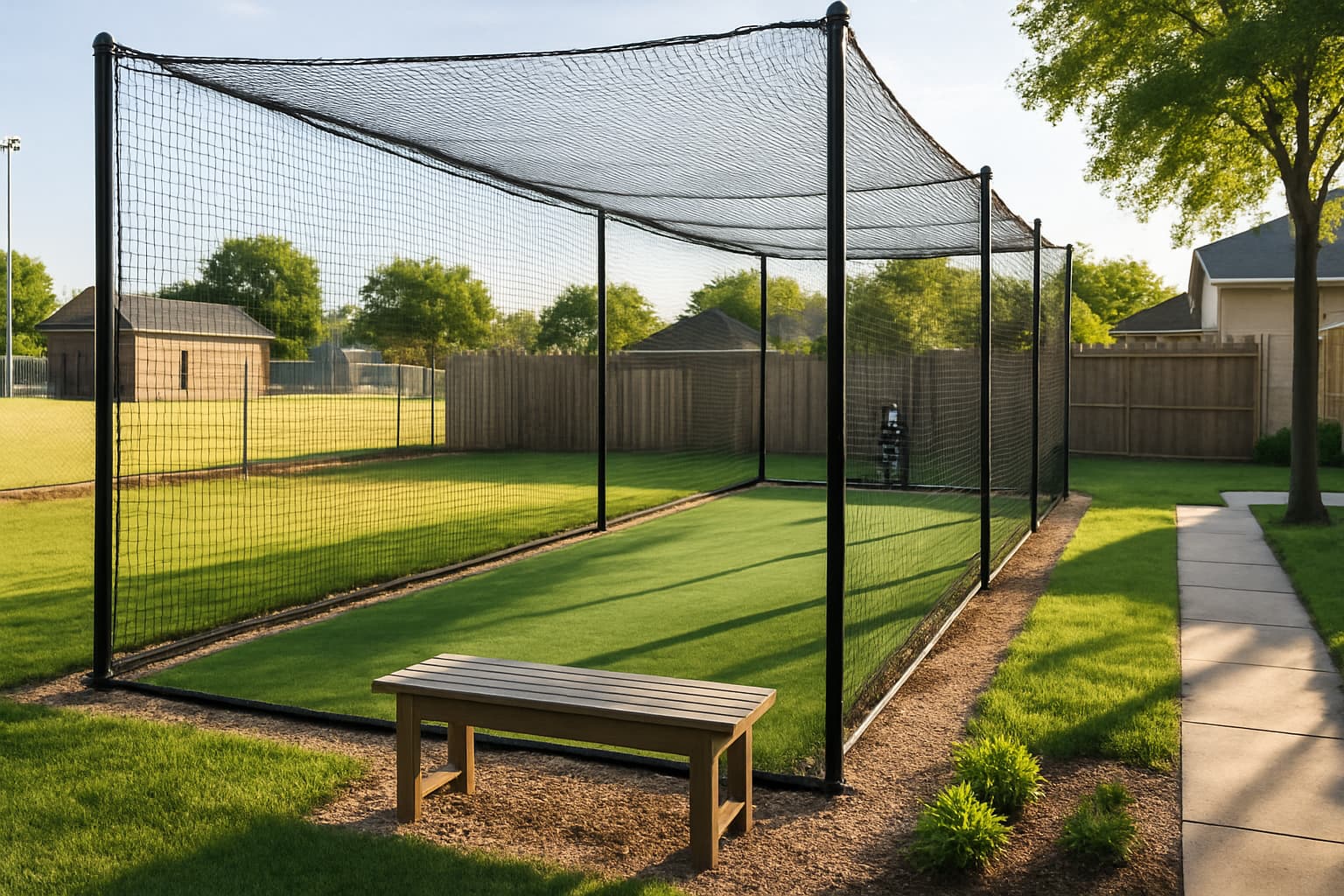
List Your Cage
How Much Should You Charge to Rent Out Your Backyard Batting Cage?
Go too high and the calendar sits empty; too low and you leave money on the table. Here is the repeatable way experienced hosts price a backyard cage.
List Your Cage
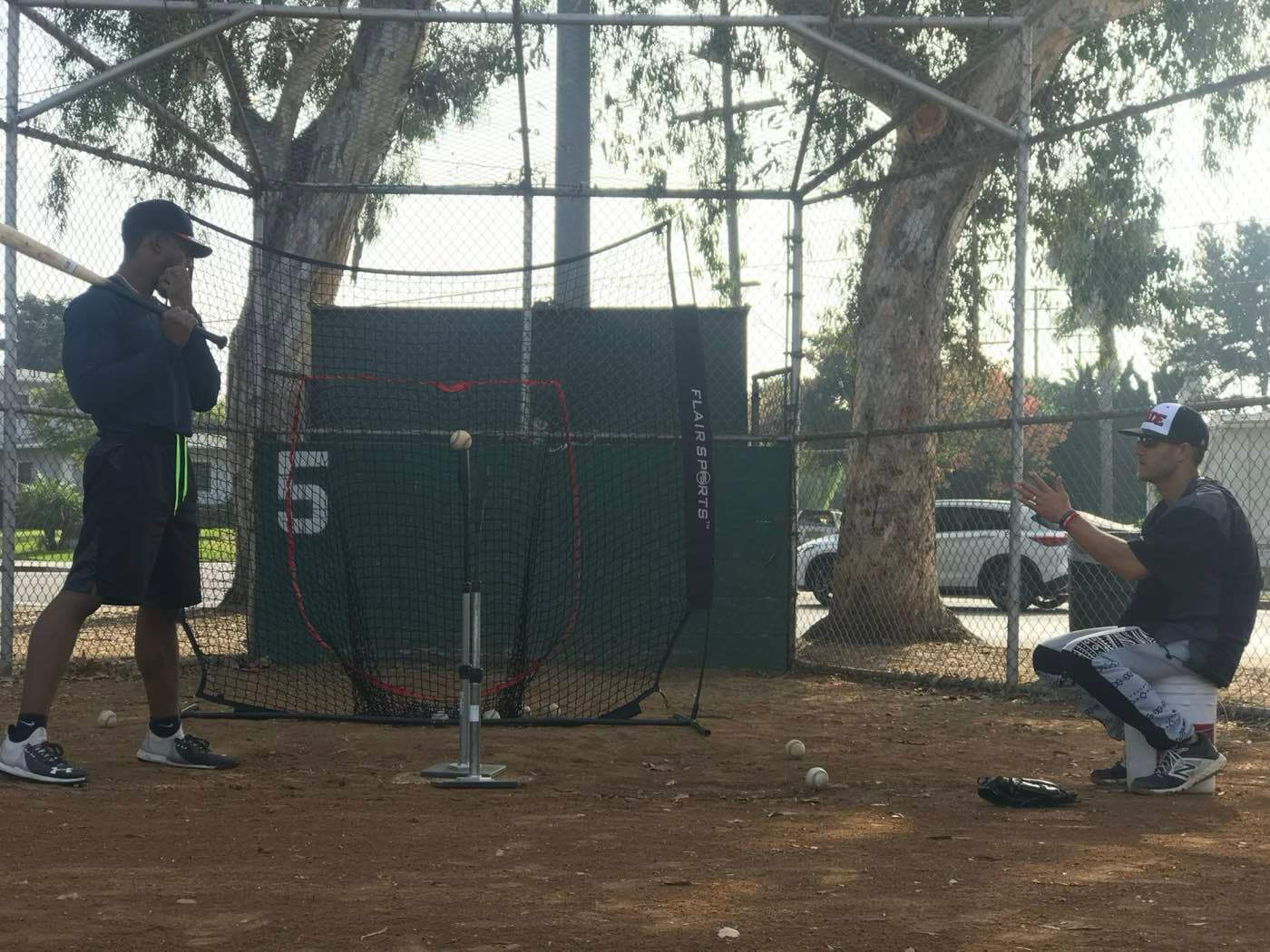
Can Your Little League Rent Out Its Batting Cage?
Most leagues own a cage that sits idle most of the year. Opening it up is usually allowed — it depends on who owns the ground, what your use agreement says, and what your liability policy covers. Here is how to check all three.
Find & Rent Batting Cages
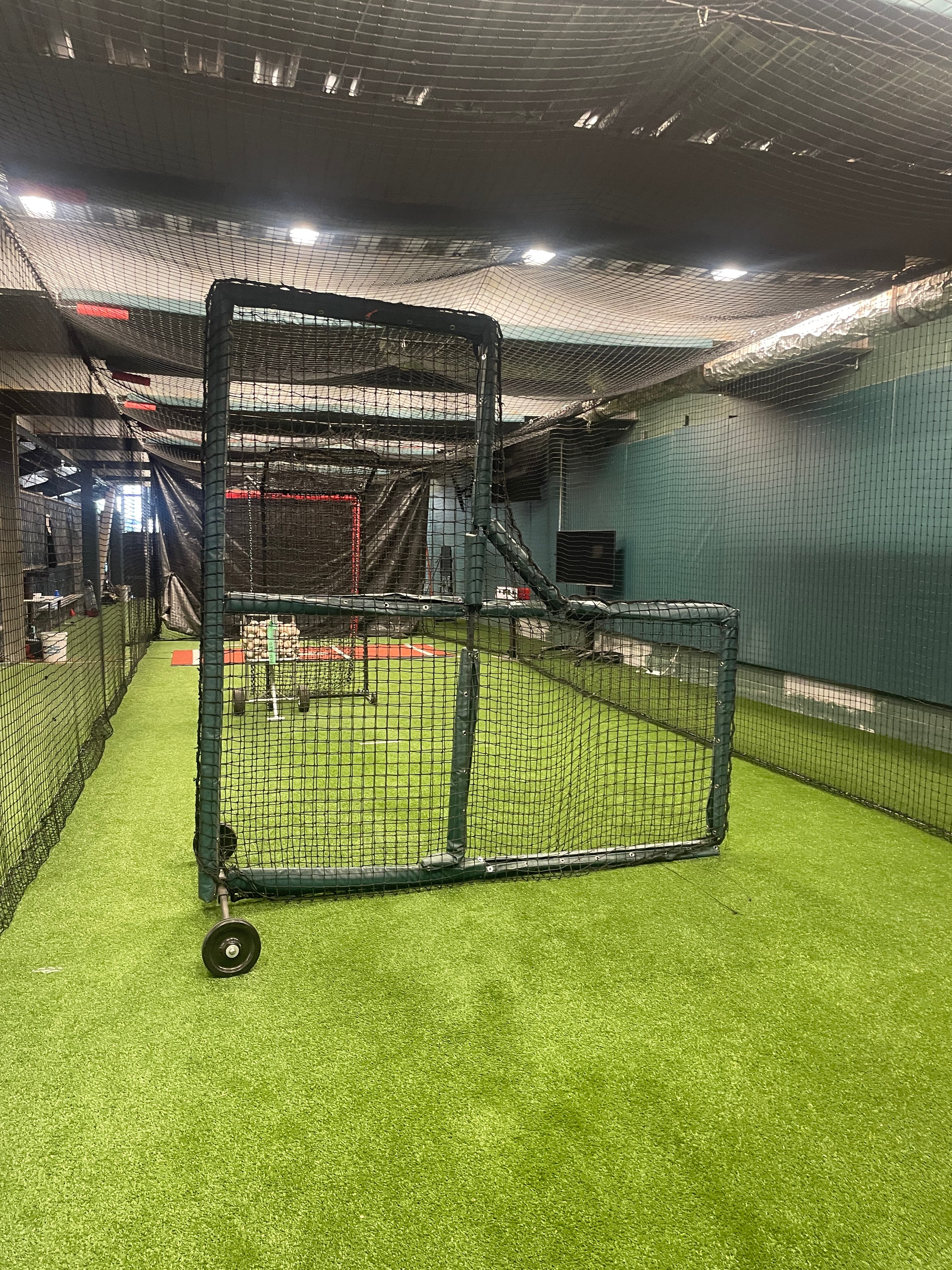
What You Actually Get at a HitTrax Cage in Dick's Sporting Goods
Dick's runs two different services in the same HitTrax cage, and they cost very different amounts. Here is what you get, what it costs, and when a real cage is the better call.
Run a travel team? Get your free page.
Baseball or softball. Claim a free directory page, post tryouts, and share cagelist.com/@yourteam with families.
Find your league
Free directories of real leagues and clubs near you — then book a batting cage to get your reps in before opening day.
1,000 organizations

Join the backyard batting cage community
Talk builds, gear, hosting and player development with cage owners, coaches, parents and baseball families.