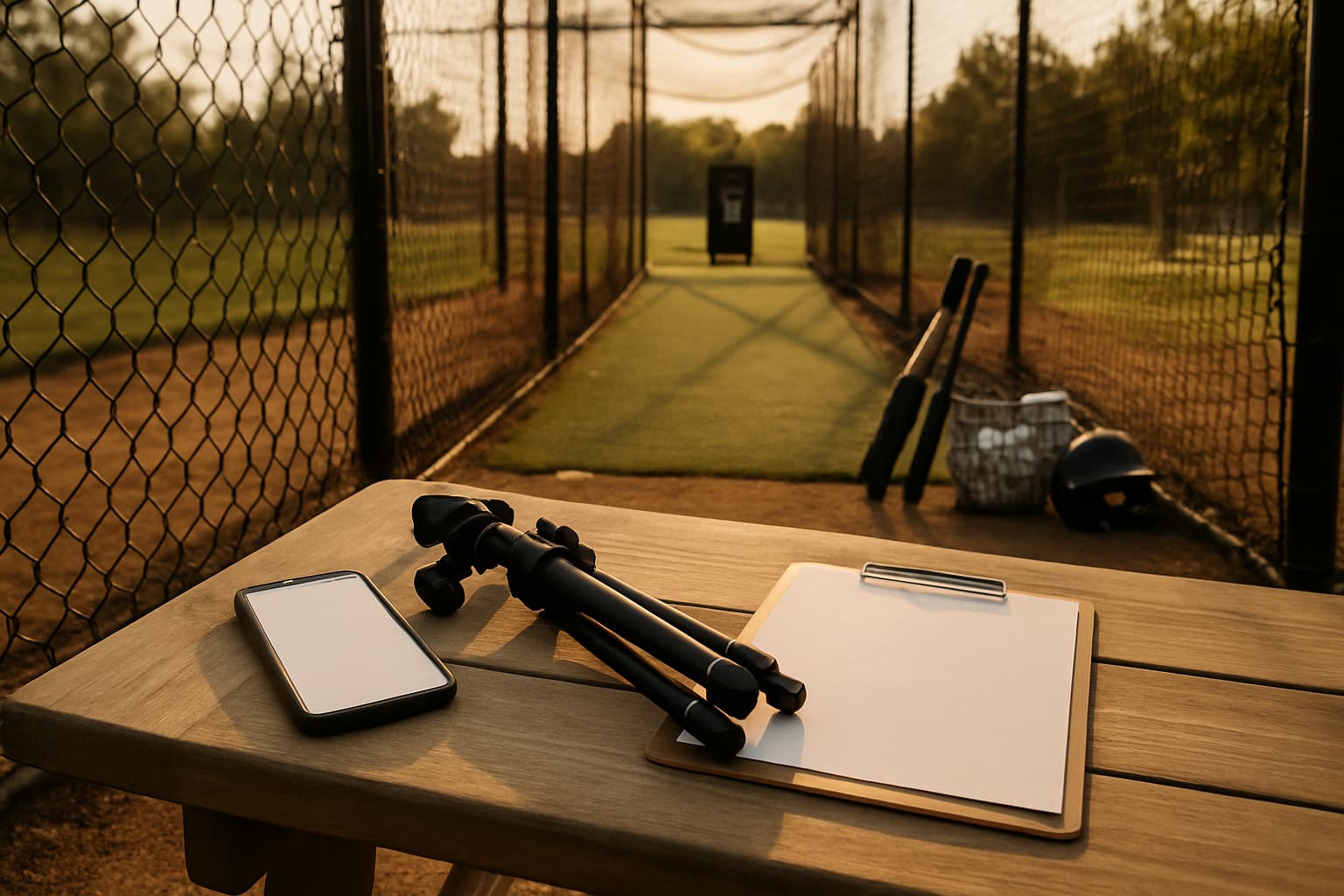
Great arrival instructions make a batting cage rental feel easy before the guest ever pulls into the driveway or parking lot. They reduce messages, prevent late starts, protect the property, and help first-time guests relax. The best instructions are not a wall of rules. They are a short, friendly field guide: where to go, where to park, how to enter, what to expect, and what to do if something is unclear.
Hosts should write arrival instructions from the guest’s point of view. Assume the guest has never been to the property, may be arriving with players and gear, and may be trying to make a tight practice window. A clean listing on CageList gets the booking; clear arrival details help earn the review.
Start with the exact arrival path
Tell guests what they will see from the street, where to turn, and where to park. If the cage is behind a house, inside a facility, past a side gate, or near a specific entrance, say that plainly. Use landmarks that are visible in daylight and at night. Avoid vague instructions like "park by the cage" if the cage is not immediately visible.
Good instructions might say: "Park in the gravel area to the right of the driveway. Walk through the black side gate marked CageList. The cage entrance is twenty feet past the patio." That sentence does more work than three paragraphs of general welcome copy. If your setup has neighbor sensitivities, pair arrival details with the advice in host house rules.
Explain timing and access
Guests need to know whether they can arrive early, how sessions start, and what happens if the previous group is finishing. If you use a lock, keypad, facility desk, or host greeting, include the process. Keep security details inside the appropriate booking communication, but make the general flow obvious in the listing and confirmation.
For backyard hosts, be specific about when guests may enter the property. For facility owners, explain check-in, waivers, and which cages are assigned. If you accept back-to-back bookings, ask guests to wrap up on time so the next group starts cleanly. This ties directly into cancellation and no-show policies because late starts often become support issues when expectations are vague.
Call out equipment and safety basics
Arrival instructions should confirm what is included: balls, tees, pitching machine access, L-screens, helmets, lighting, seating, bathrooms, or none of the above. Guests should also know what to bring. If they must bring their own baseballs or softballs, say so clearly. If machine use requires adult supervision, say that before they arrive.
Safety copy should be practical, not scary. Mention closed-toe shoes, helmets for machine work, staying outside the cage while another hitter swings, and reporting damaged netting immediately. For a broader operating checklist, link hosts to guest experience guidance and backyard cage rental rules.
Use a friendly tone
The tone should sound like a helpful coach, not a warning sign. Replace "Do not wander around the property" with "Please head straight to the cage area shown in the photos so we can keep the rest of the property private." Replace "You will be charged if you are late" with "Please finish on time so the next hitter can start their session as scheduled." Firm and friendly instructions are easier for guests to follow.
Photos help too. Add one exterior photo, one parking photo, and one cage entrance photo if possible. If you are still building the listing, use batting cage photo tips to show the route as well as the cage itself.
Arrival instruction template
Use this structure: welcome sentence, parking, path to cage, access/check-in, what is included, what to bring, safety basics, and host contact plan. Keep it scannable. Guests should be able to read it in a driveway without hunting for the important part.
After the first few bookings, improve the instructions based on questions guests ask. If two guests miss the same gate, the instructions need a better landmark. If guests keep bringing the wrong balls, the equipment section needs to be more direct. Great arrival instructions are not written once; they improve with every booking.
Hosts should occasionally search CageList batting cages the way a guest would. Comparing nearby listings reveals which arrival details, photos, and amenities help guests feel ready to book.
FAQ
Should arrival instructions be in the public listing?
General directions and expectations can be public. Sensitive details like gate codes or lockbox information should be shared only with booked guests.
How long should arrival instructions be?
Short enough to scan, but complete enough to prevent confusion. Most hosts can cover the essentials in 150 to 250 words.
What if guests still get confused?
Update the instructions with the exact question they asked. Repeated confusion is usually a sign that a landmark, photo, or rule is missing.
Get the numbers
Get your free batting cage cost estimate
Enter your email and we'll send you an itemized build breakdown — frame, netting, turf, lighting, and install — plus what a cage like yours could earn if you rent it out.
No spam, unsubscribe anytime. Prefer the interactive tool? Open the full cost calculator.
Already have a cage?
Rent it out when you're not hitting
Players, parents, and coaches near you are looking for cage time. Listing is free, you set your own price and hours, and you approve every booking.
Related Guides
View all articles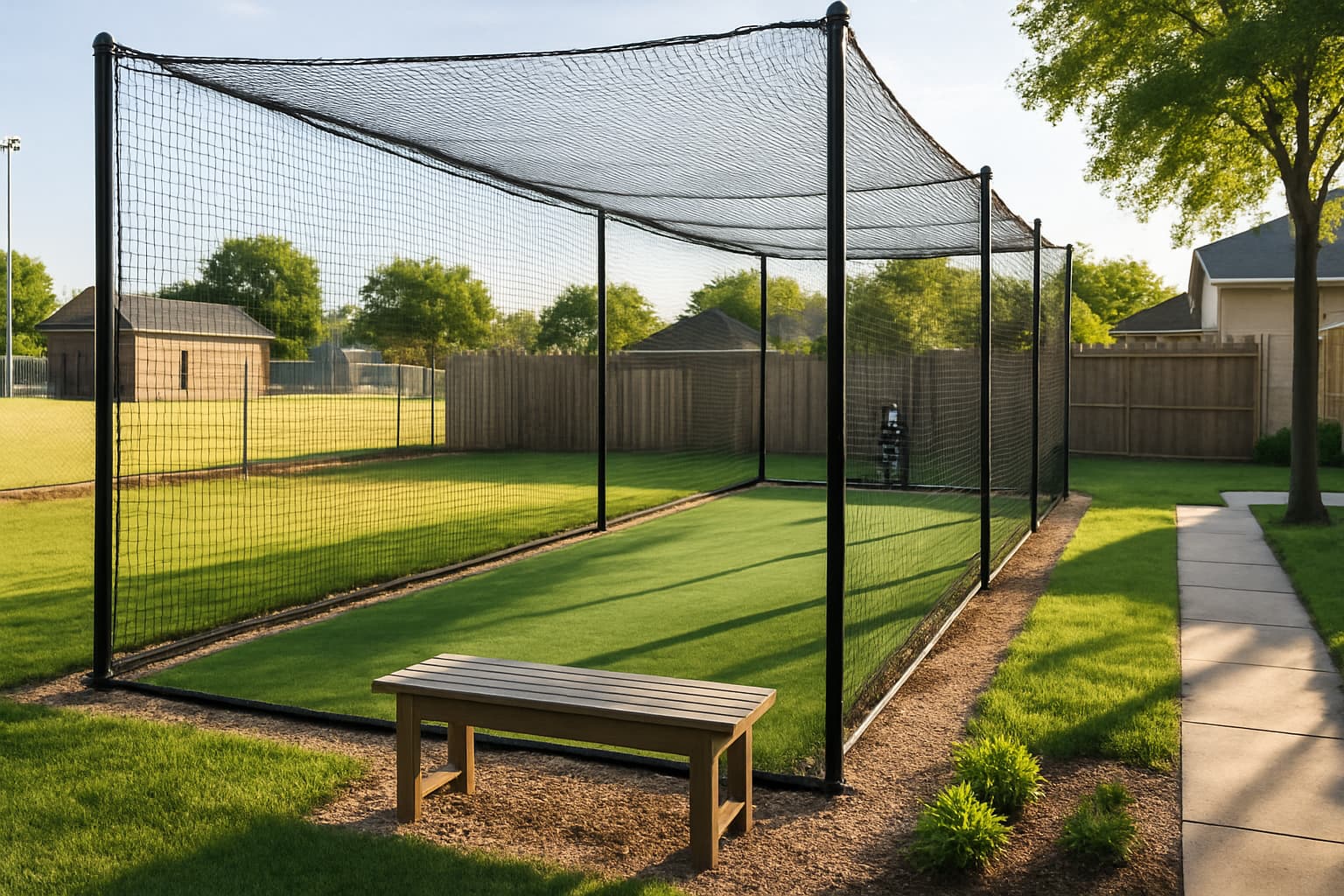
List Your Cage
How Much Should You Charge to Rent Out Your Backyard Batting Cage?
Go too high and the calendar sits empty; too low and you leave money on the table. Here is the repeatable way experienced hosts price a backyard cage.
List Your Cage
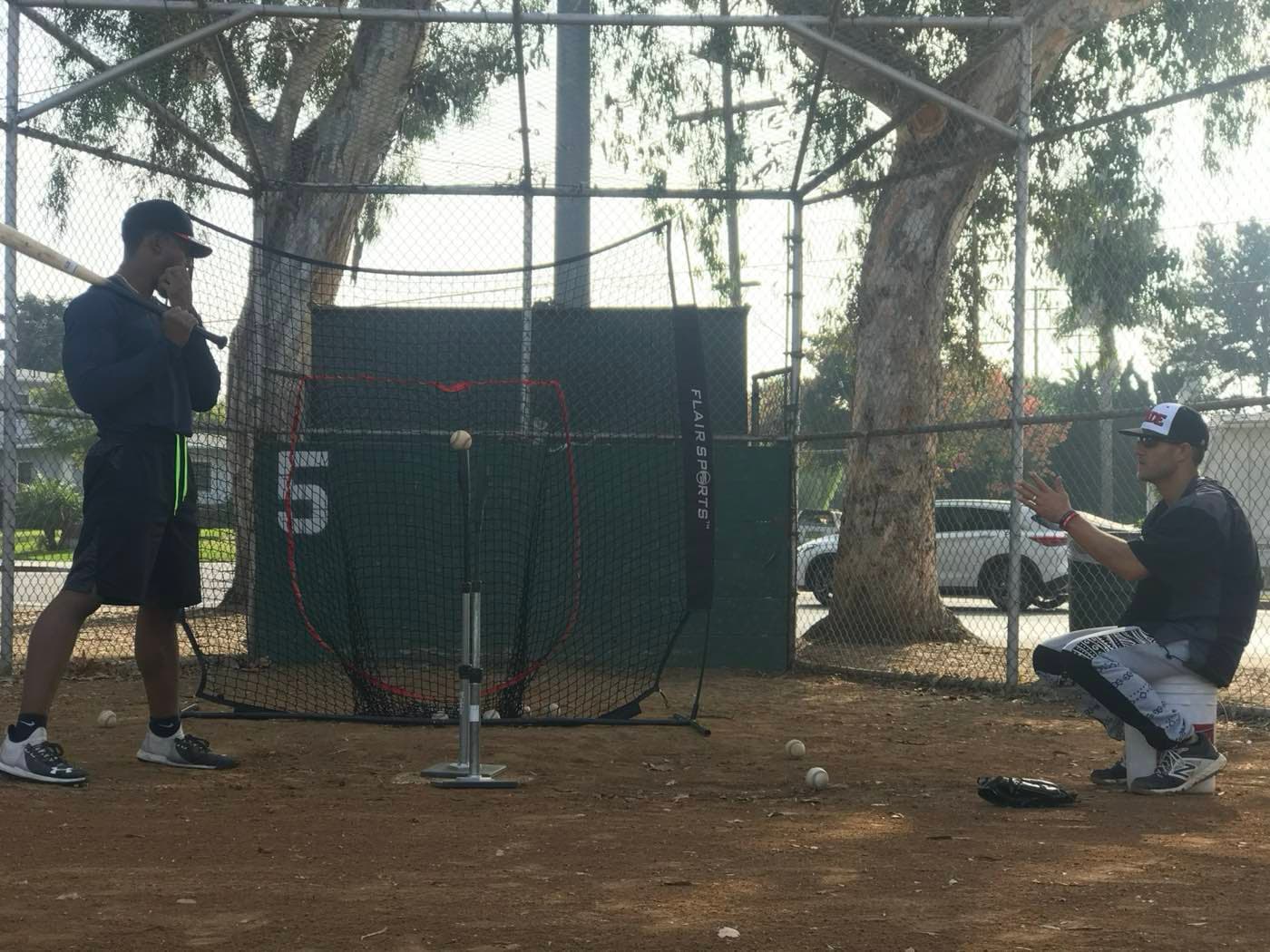
Can Your Little League Rent Out Its Batting Cage?
Most leagues own a cage that sits idle most of the year. Opening it up is usually allowed — it depends on who owns the ground, what your use agreement says, and what your liability policy covers. Here is how to check all three.
Find & Rent Batting Cages
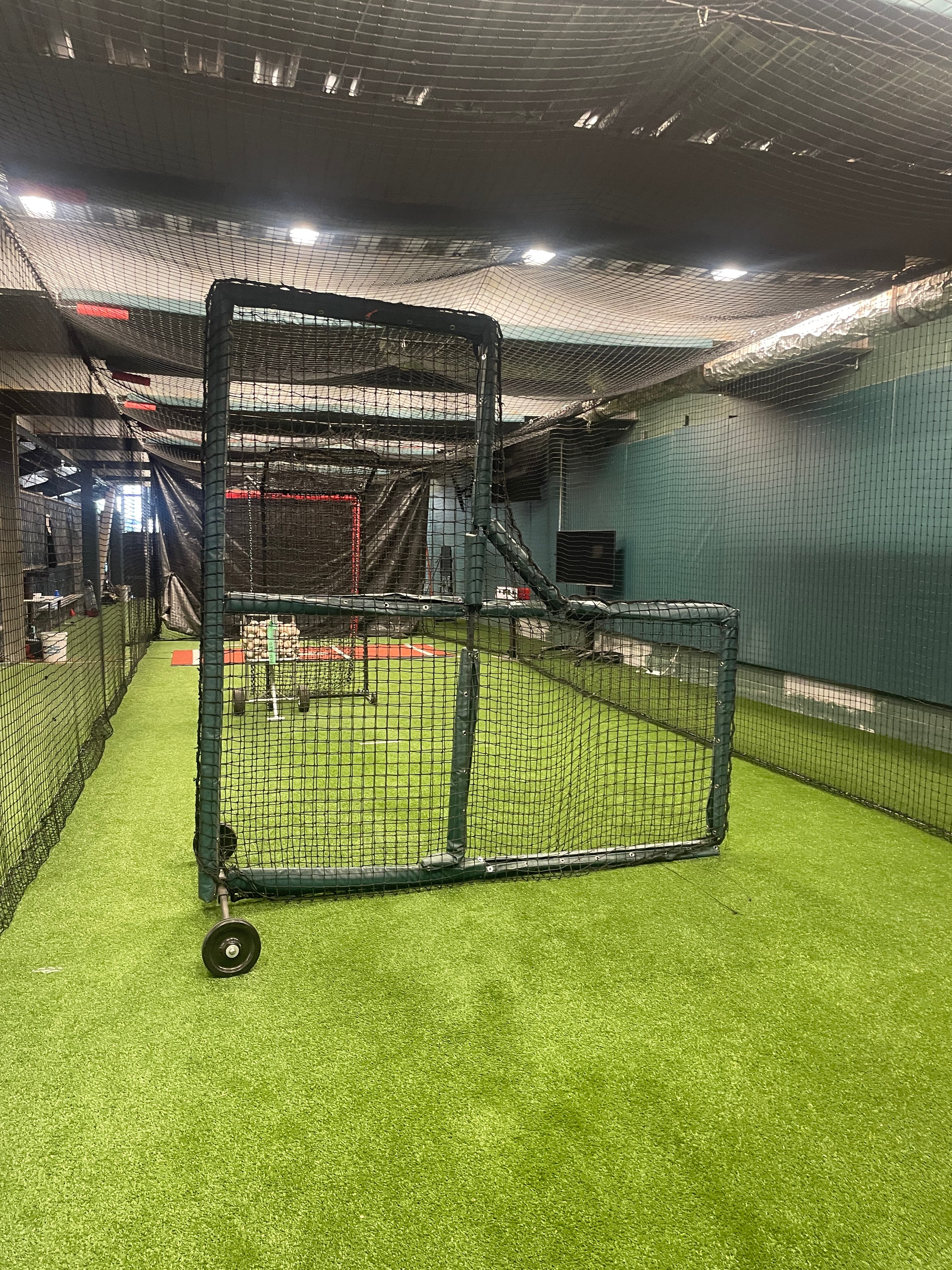
What You Actually Get at a HitTrax Cage in Dick's Sporting Goods
Dick's runs two different services in the same HitTrax cage, and they cost very different amounts. Here is what you get, what it costs, and when a real cage is the better call.
Run a travel team? Get your free page.
Baseball or softball. Claim a free directory page, post tryouts, and share cagelist.com/@yourteam with families.
Find your league
Free directories of real leagues and clubs near you — then book a batting cage to get your reps in before opening day.
1,000 organizations

Join the backyard batting cage community
Talk builds, gear, hosting and player development with cage owners, coaches, parents and baseball families.