If your kid has two practices a week, one of them should feel like a real game — not another station circuit that drains the love out of baseball. That is why I built Hustle Ball™ at MADE Baseball: a coach-pitch, high-energy live-play class where kids get lots of at-bats, rotate positions, and learn how the game actually feels.
What Hustle Ball is
Hustle Ball is not a scrimmage with no standards. It is a class format built around live game situations, fast rotations, and teachable moments. Coaches pitch. Teams form on-site. Players move through positions. The game stays fast, competitive, and fun — on purpose.
Typical age band is about 8–12 (varies by location). We recommend kids already have a season or two under their belt; brand-new players usually start with private lessons first so they are ready for the pace.
Why tournament-only development fails kids
Tournament schedules can teach competition. They can also teach kids that baseball is pressure, standing around, and three at-bats on a Saturday. Fundamentals practice matters — mechanics, glove work, throwing progressions — but if every week is only drills, kids stop feeling the game.
My rule of thumb for a healthy week: one practice for fundamentals, one practice for live play done the right way. Hustle Ball is that second practice — about 90 minutes to two hours of coach-led baseball that builds IQ, hustle habits, and confidence.
What parents actually see
- Kids get lots of swings — not three lonely at-bats
- Everyone plays every position over time
- Games stay close because the coach controls the pitch and the pace
- Hustle and attitude are rules, not slogans (sprint through first, no walking on/off, no arguing)
- A Player of the Game and a short recap so the lesson sticks
Parents sit up because the game stays interesting. When the coach knows how to manage the matchup — better pitch to better hitters, easier pace for beginners — mixed ages can share a field without it becoming unfair or boring.
How it fits with lessons and camps
Families often pair Hustle Ball with private lessons and camps for a full development plan: lessons for individual skill, Hustle Ball for live IQ and habits, camps for denser blocks. See current options and pricing on madebaseball.com — including Hustle Ball drop-in style classes in Central Florida.
Where CageList fits (honestly)
Hustle Ball is a MADE Baseball format today. CageList is not pretending to be a Hustle Ball registration product yet. What CageList is: the map for finding places to practice and train — cages and local baseball infrastructure — while formats like Hustle Ball spread. We want Hustle Ball to become a nationally recognized practice style coaches can run and families can find. Discoverability is the ambition; MADE is the living proof.
If your team or family needs cage reps between live-play days, find batting cages near you. If you are a coach building a lesson business, start with the private coach playbook.
Bring a glove, bat, helmet, water, and proper footwear — and bring a kid ready to hustle. Hustle Ball rewards effort standards as part of the game itself, which is how habits transfer to real weekends without another lecture in the car ride home.
The ask for parents
Look at your weekly calendar. If every session is drills or every weekend is tournaments, add live play that teaches habits. Hustle Ball is how we do that at MADE — sandlot energy, coach in charge, kids loving the game while they get better.
Next up for coaches: how to run a Hustle Ball class — pitch control, close games, rotations, and teachable moments without turning it into a fundamentals lecture.
For the full story of how I made Hustle Ball, who it is for and how other coaches learn it, read Hustle Ball: The Missing Middle Between Little League and Travel Ball.
Find a baseball league near you
Put your work into a real season: men's leagues, Little League, and travel teams, all in one guide.
Related Guides
View all articles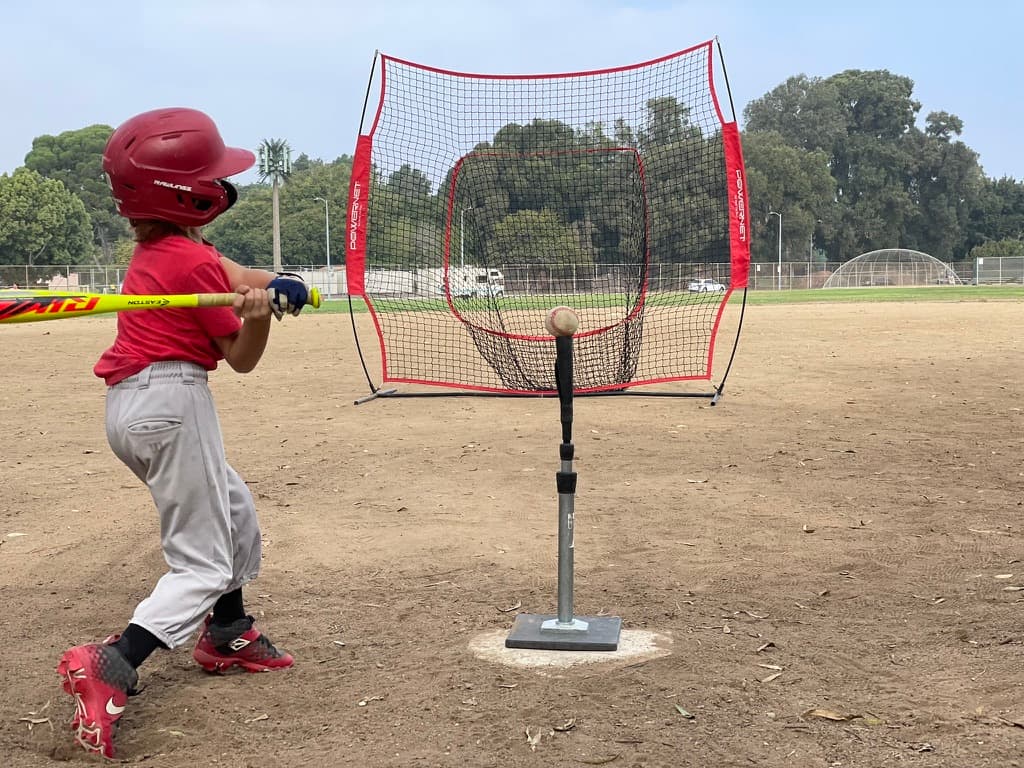
Practicing Hitting at Home Between Cage Sessions
You can not book a cage every day, but you can still get quality swings at home. Here is how to build a simple at-home hitting routine between rentals.
4 min readRead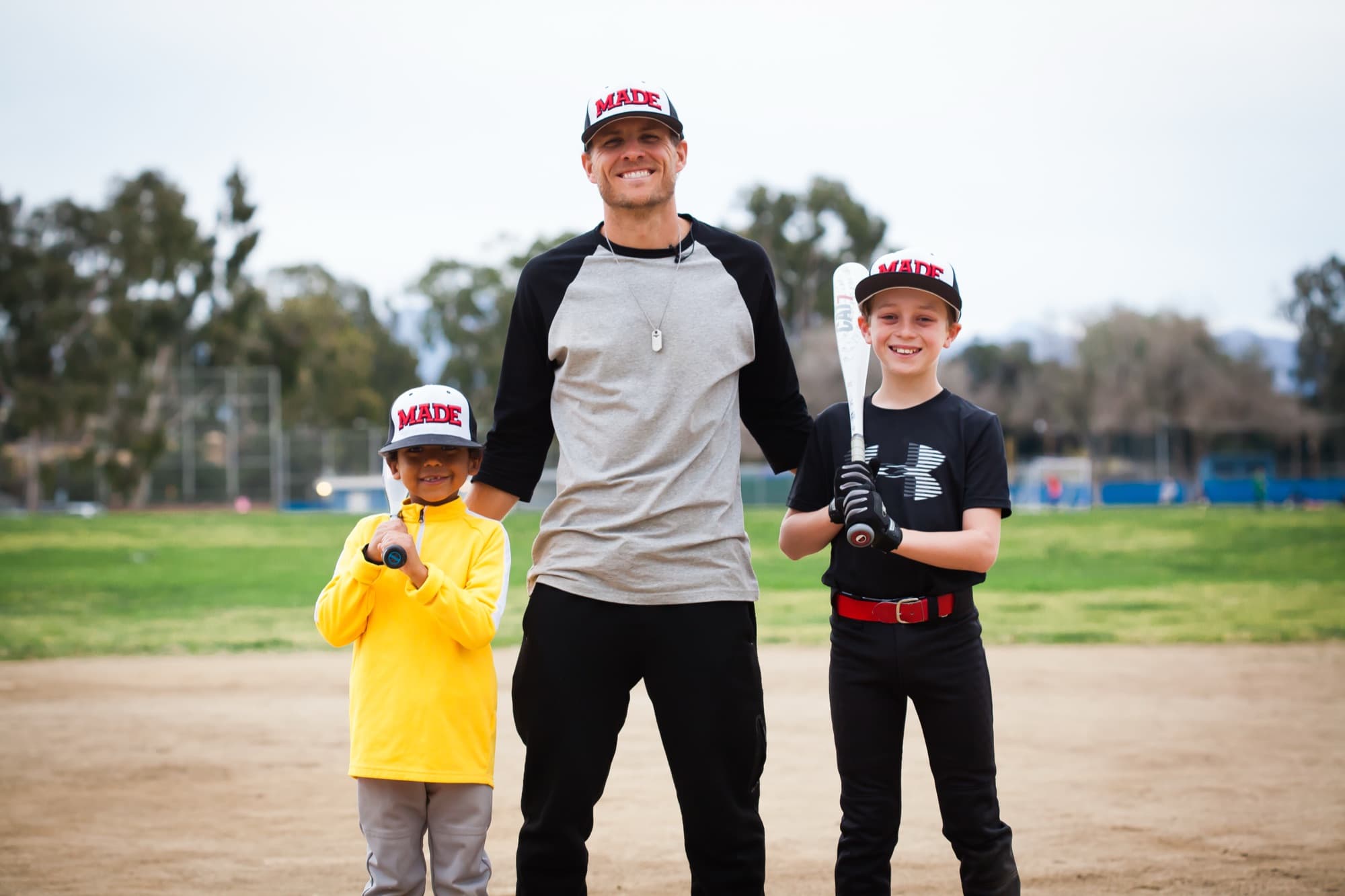
How to Become a Private Baseball or Softball Coach
We found no national license requirement to teach lessons for pay. Here are the credentials, background checks, insurance and taxes to look into, plus a first-month plan and how to find a place to teach.
6 min readRead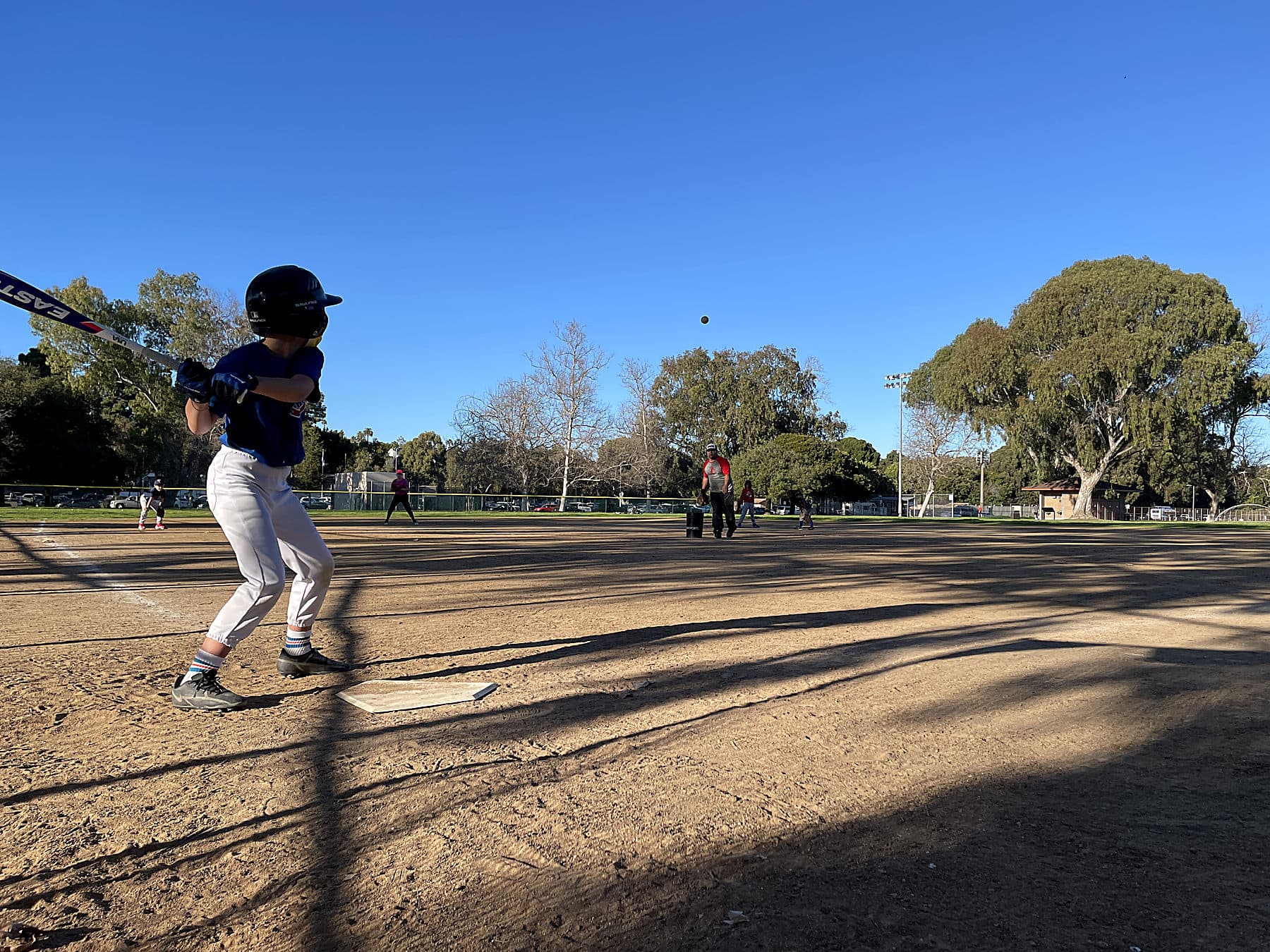
Hustle Ball: The Missing Middle Between Little League and Travel Ball
Hustle Ball sits between Little League and travel ball. I made it up with tennis balls in 2020. Here is why, how a session runs, who it fits, and how another coach could run it.
7 min readRead
Run a travel team? Get your free page.
Baseball or softball. Claim a free directory page, post tryouts, and share cagelist.com/@yourteam with families.
Find your league
Free directories of real leagues and clubs near you. Then book a batting cage to get your reps in before opening day.
1,417 organizations
 leagues in 49 statesAdult hardball near you: MSBL, NABA and independent leagues.Browse men's leagues
 leagues in 49 statesYouth baseball and softball leagues, organized by state.Browse little leagues
 programs in 41 statesTravel and club programs in your region. Find one, or list yours free.Browse travel teams
Join the backyard batting cage community
Talk builds, gear, hosting and player development with cage owners, coaches, parents and baseball families.