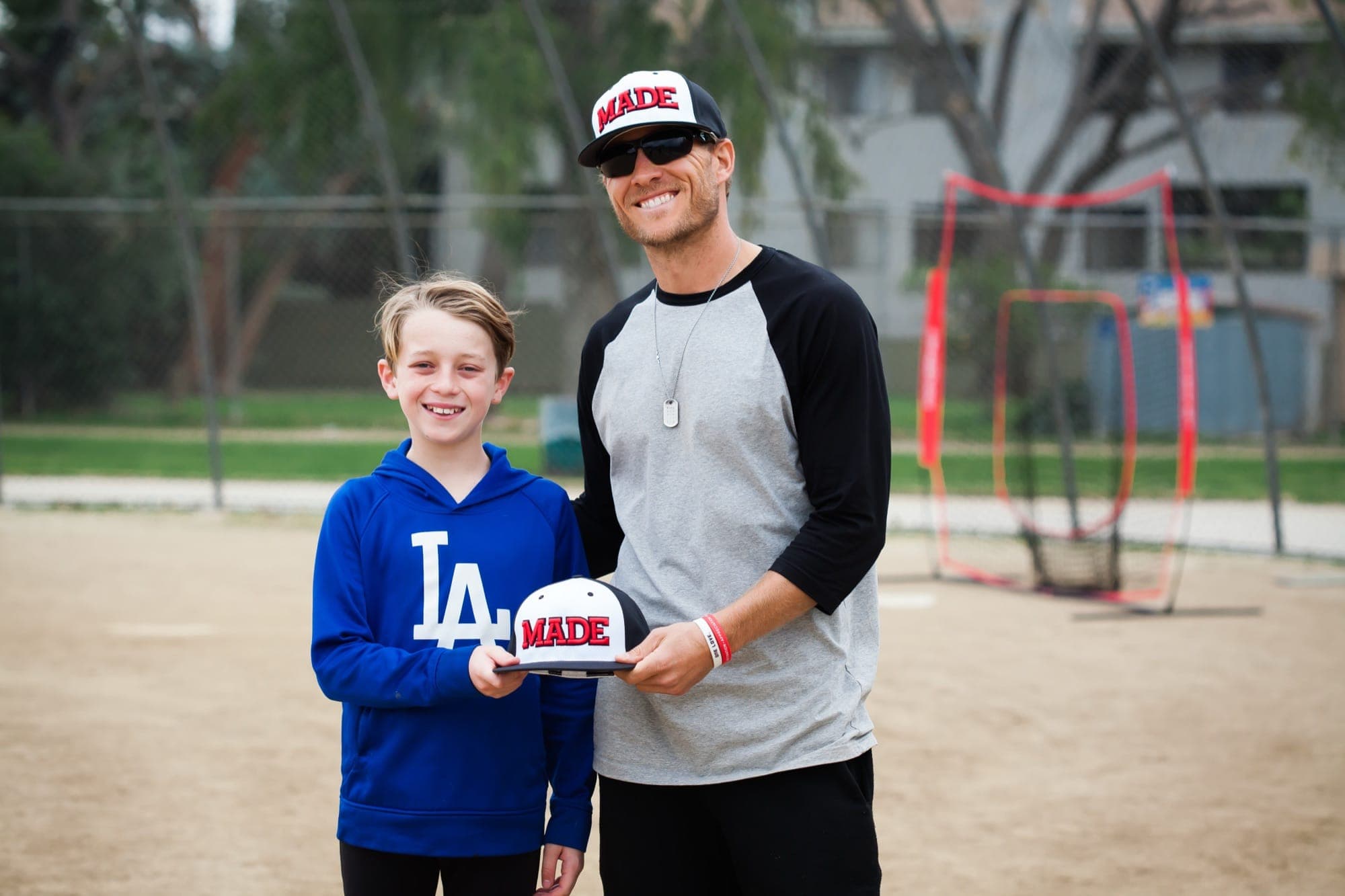
I built a full-time baseball business on private lessons. Not on a leased facility. Not on hoping a tournament pipeline would fund everything. On coaching — real players, clear pricing, and enough quality cage and field access to deliver the product families paid for. That company is MADE Baseball. This is the playbook for independent coaches who want the same path — and how CageList fits as the cage-access layer.
The economics that actually free you
Most independent coaches get trapped in one of two bad models: (1) lease or join a commercial facility and watch overhead eat the lesson rate, or (2) cobble cage time through phone trees and hope the machine works when the client shows up.
I went the other way: sell the coaching, control the calendar, and rent the space you need by the hour. When facility tunnels run $80–$150/hour and you are teaching multiple lessons a day, that overhead is a second salary you do not need to pay. CageList exists so coaches can book private, coach-friendly cages without becoming a facility tenant — start at coach training cages and private lesson cages.
Do the napkin math honestly. If you teach six lessons in a day and the facility takes a huge cut of each hour — or charges you a day-rate that only works when you are fully booked — you are working for the building. If you book a quality backyard or private cage for the windows you actually teach, your margin stays with the coaching. We broke down team and coach facility math in how teams and coaches use CageList to replace facility rentals. The short version: if your business is coaching, buy coaching time in space — do not buy a building's fixed cost unless you truly need it.
What MADE Baseball actually sells
Everything on madebaseball.com is the real product. Central Florida families (St. Cloud, Lake Nona, Kissimmee, and nearby) book:
- Private lessons — individual, 2-player, and small group
- Camps — structured development days
- Hustle Ball™ classes — coach-pitch, high-energy live play (more on that in a dedicated post soon)
Transparent pricing matters. Parents can see lesson rates up front — an individual lesson at $120, with packages that bring the rate to $105/lesson on a 5-pack or $95/lesson on a 10-pack; 2-player and small-group options listed clearly. Clear prices reduce the awkward negotiation that kills trust. If you are building your own lesson business, publish the number. Hide-the-ball pricing is how you stay part-time forever.
MADE's values are on the wall too — Motivation, Appreciation, Dedication, Everyday (#GetMADE). Pick your standard and coach it. Families are not only buying swing mechanics; they are buying a professional who shows up the same way every week.
The week that scales
A lesson business is a calendar business. Mine always came back to a few non-negotiables:
- Recurring cage or field slots you can defend on the calendar — same windows each week so parents can build routines.
- A simple booking path — your site (or scheduling tool) for the lesson; CageList for the space when you need a bookable cage.
- A product ladder — single lessons → packages → classes/camps for kids who need more live reps.
- Standards — effort, respect, and consistency taught out loud, not assumed.
You do not need a 40-page ops manual. You need repeatable hours, a clean offer, and a place to train that does not cancel on you at 4 p.m. Coaches who win long-term obsess over two bottlenecks: a full lesson book and a place to deliver the lesson without drama. Marketing without access is noise. Access without a clear offer is an empty cage. Build both on purpose.
How CageList should show up in a coach's stack
CageList is not your CRM and it is not your lesson checkout. It is the map for cage time:
- Search coach-friendly backyard and private cages near your clients
- Book by the hour when you need a tunnel, lights, or a quieter lesson environment
- Stop burning evenings cold-calling facilities
Be a good guest. Book as yourself. Follow the host's rules. Do not imply the host is "your facility partner" unless that relationship is real and agreed. Marketplace trust is part of how this model stays available for every coach coming up behind you.
When you evaluate a listing for lessons, look for what your clients will feel: safe path in, enough space to teach, lighting if you run evenings, and hosts who understand coaches will book recurring windows. Then protect those windows like inventory.
From side hustle to full-time
Private lessons are how I made baseball my full-time work — and I love being an entrepreneur in this game. The leap was not a logo. It was treating coaching like a real business: productized offers, honest prices, consistent delivery, and enough reliable practice access to keep promises.
If you are still coaching after your day job, start with one recurring cage window and three loyal families. Package the next month. Add a small-group slot when you are full. Expand geography only when your calendar is actually full — not when Instagram feels busy. Full-time is a calendar problem before it is a branding problem.
A note on Hustle Ball
Hustle Ball™ is MADE's coach-led, coach-pitch live-play class — sandlot energy with structure, rotations, and teachable moments. I believe every serious youth program should balance fundamentals practice with live play that keeps kids loving the game. We will unpack Hustle Ball as its own CageList guide (and how we want coaches everywhere to run it). For now, know it is a real product on the MADE site — not a slogan — and a core part of how I think about developing players beyond tournament schedules alone.
Your next three moves
- Write your offer and price on one page (lesson types + packages).
- Lock two weekly training windows you can defend.
- Find cages near you on CageList — filter for the setups that fit lessons — and book a pilot week.
Then build. MADE Baseball is proof the model works when the coaching is real and the access is reliable. CageList is here so the access part stops being the reason coaches stay stuck.
Related reading: starting a travel team the right way, what a new coach needs for first practice, and why baseball needs a map.
Find a baseball league near you
Put your work into a real season: men's leagues, Little League, and travel teams, all in one guide.
Related Guides
View all articles
How to Become a Private Baseball or Softball Coach
We found no national license requirement to teach lessons for pay. Here are the credentials, background checks, insurance and taxes to look into, plus a first-month plan and how to find a place to teach.
6 min readRead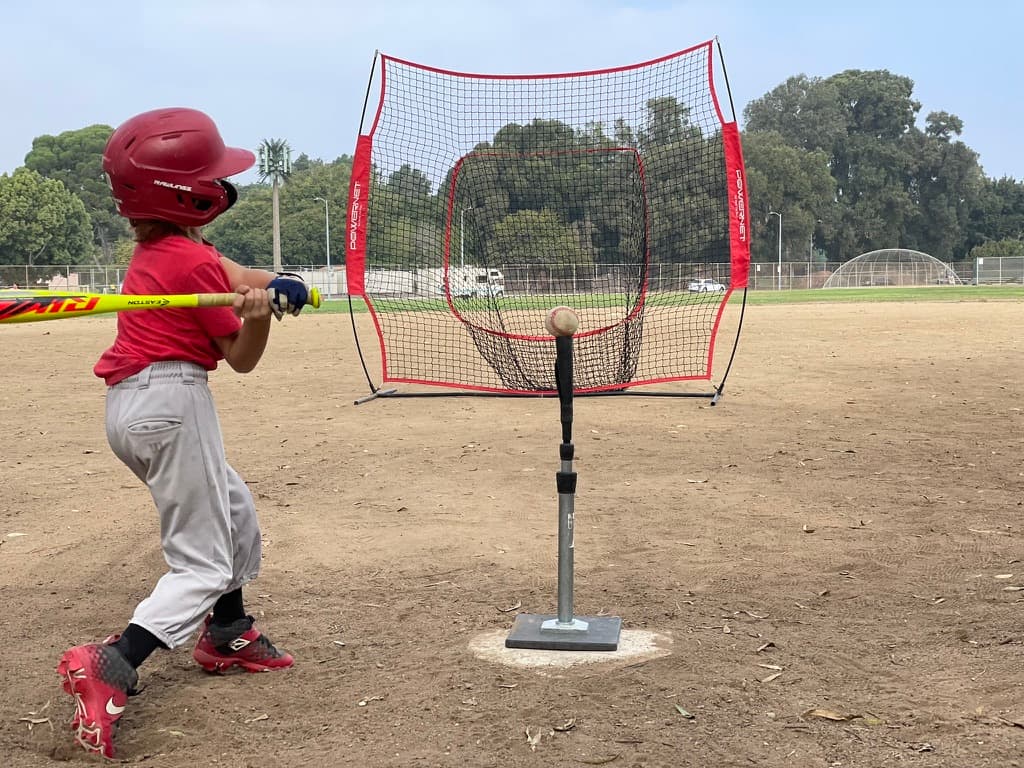
Practicing Hitting at Home Between Cage Sessions
You can not book a cage every day, but you can still get quality swings at home. Here is how to build a simple at-home hitting routine between rentals.
4 min readRead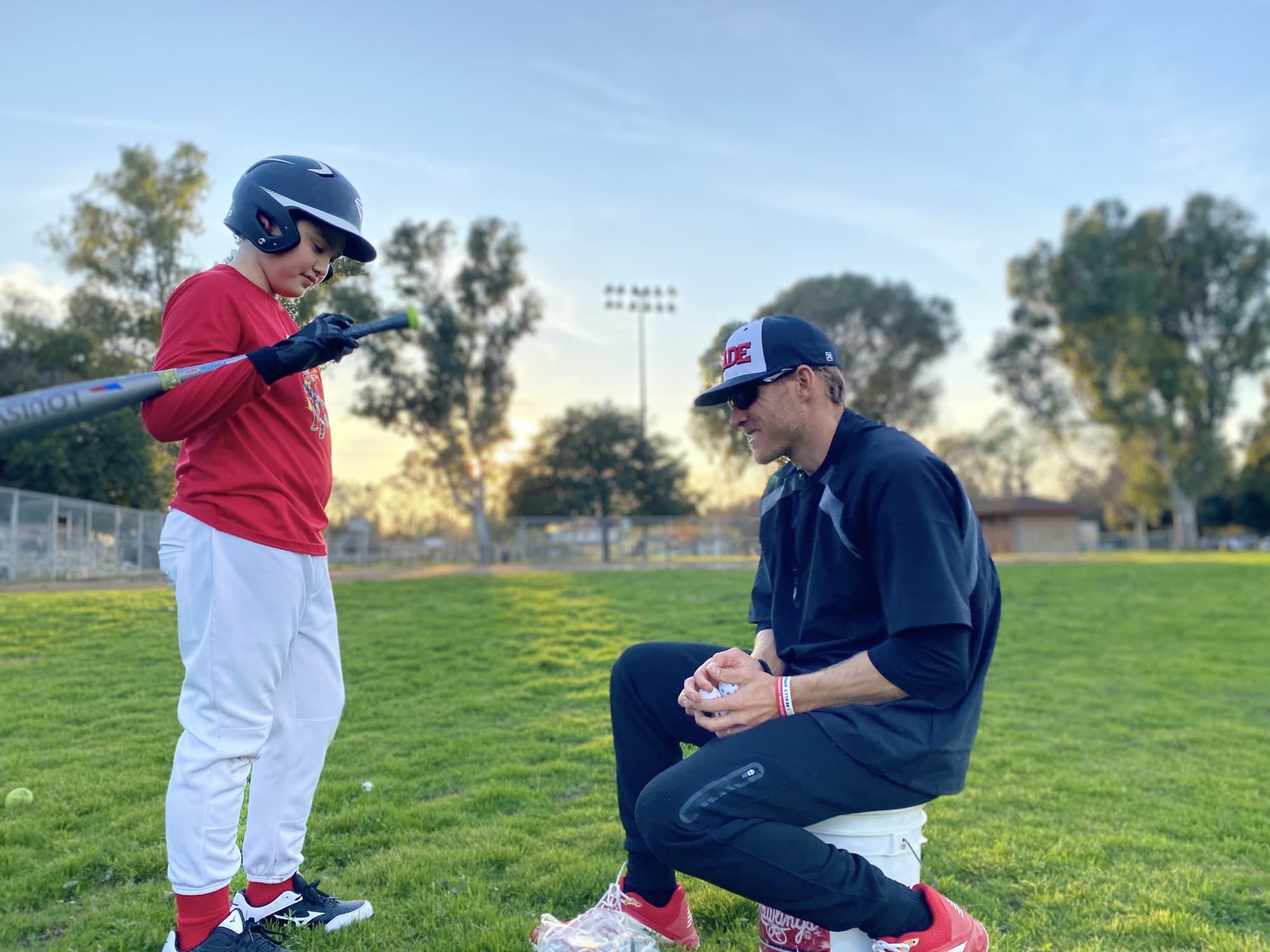
I Was a Coach With Nowhere to Coach. So I Built CageList.
For years I gave baseball lessons in Los Angeles, and the hardest part was never the coaching. It was finding a place to do it. Isaac Hess on why he built CageList.
6 min readRead
Run a travel team? Get your free page.
Baseball or softball. Claim a free directory page, post tryouts, and share cagelist.com/@yourteam with families.
Find your league
Free directories of real leagues and clubs near you. Then book a batting cage to get your reps in before opening day.
1,417 organizations
 leagues in 49 statesAdult hardball near you: MSBL, NABA and independent leagues.Browse men's leagues
 leagues in 49 statesYouth baseball and softball leagues, organized by state.Browse little leagues
 programs in 41 statesTravel and club programs in your region. Find one, or list yours free.Browse travel teams
Join the backyard batting cage community
Talk builds, gear, hosting and player development with cage owners, coaches, parents and baseball families.