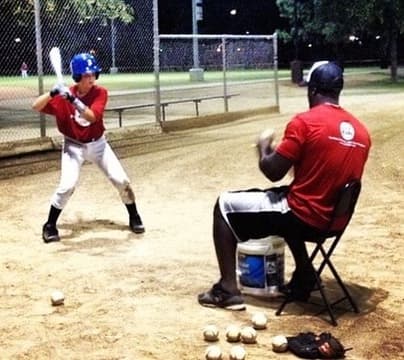
Every few days the same question shows up in a travel ball group: "What's the process for starting a travel team here?" I've been around this game a long time — as a player and around dozens of programs — and I've watched good coaches with great intentions fold by August because nobody told them what it actually takes. Here's the honest version for baseball and softball, not the recruiting-flyer version.
1. Decide what the team is actually for
Before anything else, get honest about the mission. Are you building a development program that gets kids ready for the next level, or a win-now showcase team chasing rings and exposure? Those are different budgets, schedules, and parent conversations. Most first-year problems start when a coach never picks one — half the roster thought they signed up for playing time, the other half thought they signed up for trophies.
2. Handle the boring legal and money stuff first
If you're collecting money from families, treat it like a business, because it is one. Most established programs set up an LLC or nonprofit, open a dedicated bank account, and carry liability insurance before they take a dollar. Sanctioning bodies (USSSA, Perfect Game, Nations, and the softball equivalents in your area) require registration for their events anyway — start there. Build a simple season budget and divide it honestly across the roster so nobody gets a surprise invoice in June.
Tournament entries, uniforms, insurance, and practice space add up fast. When families understand the real number up front, you get far fewer mid-season blowups.
3. Lock down practice space — this is where teams die
You can find players. You can find tournaments. What sinks programs is consistent, affordable space to practice — especially in winter and early spring when every team is fighting for the same indoor cages and fields.
That's a big part of why we built CageList: so cage time is something you can find and book without a dozen phone calls. Instead of begging a facility for a weekly slot, search local batting cages, book what you need, and get hitters consistent reps. Reliably putting your team in a cage every week is a bigger competitive edge than most first-year coaches realize.
Find batting cages near you and build the practice calendar around real, bookable time — not hope.
4. Give the program an official page (not a personal Instagram)
Serious players already separate person vs. player. Serious programs need the same split. Your team's reputation should not live only in GroupMe and on someone's personal Instagram. When a coach leaves, that "team page" walks out with their login.
On CageList you can list your travel team free or claim it if it's already in the directory. That page becomes the official baseball/softball home: logo, divisions, tryout info, how to join — searchable for families who just moved to town. Instagram can still be for highlights. CageList is for the program.
We walk through claim vs. list in detail here: Claim Your Travel Team Page — A Home for Baseball & Softball Identity. Browse what's already live at Travel Teams.
5. Build the roster the right way
Hold real tryouts, even year one. Open tryouts get you better players and set the tone that spots are earned. Be clear in writing about playing-time philosophy before anyone commits. If you're a development team, say so. If studs play and everyone else earns innings, say that too. The programs that keep families for years are the ones who never surprised them.
6. Set parent expectations in writing
The number-one reason travel teams implode isn't baseball or softball — it's parents. Playing time, costs, tournament travel, commitment: put it in a one-page agreement everyone signs. It feels formal. It protects your season and your sanity.
The honest bottom line
Starting a travel team is doable. It's more of a small-business project than a pure baseball project, and the coaches who accept that early are still standing in year three. Nail the mission. Handle the money like a grown-up. Lock practice space on CageList. Put the program on an official CageList page. Put expectations in writing with families.
When you're ready: book cage time, list or claim your team, and go build something good. For cost context families will ask about, see what travel ball families spend on training.
Turn the talk into reps
Every one of these comes back to the same thing: getting on the field and putting in the work. Find cage time near you and go do it.
Related Guides
View all articles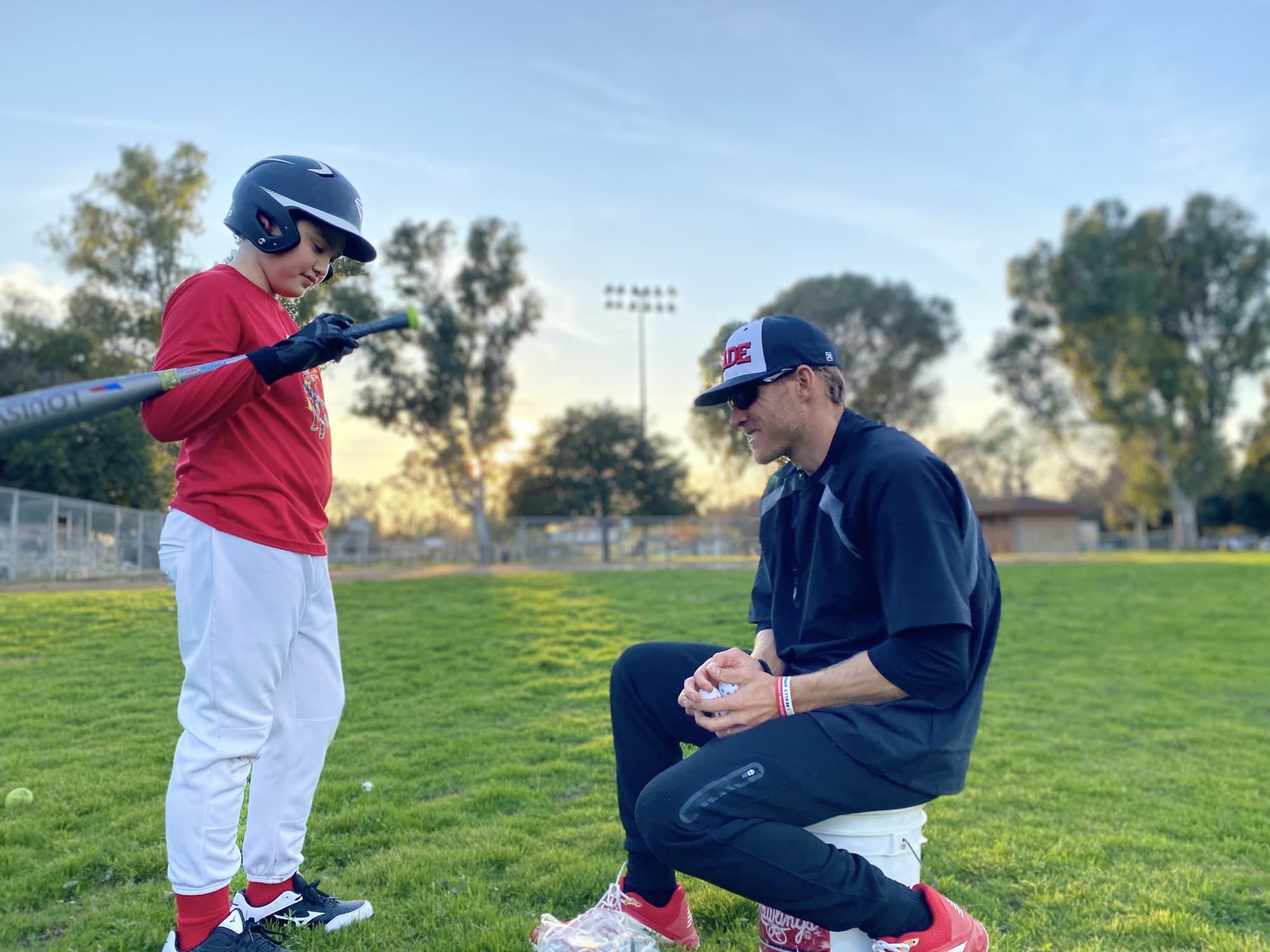
I Was a Coach With Nowhere to Coach. So I Built CageList.
For years I gave baseball lessons in Los Angeles, and the hardest part was never the coaching. It was finding a place to do it. Isaac Hess on why he built CageList.
6 min readRead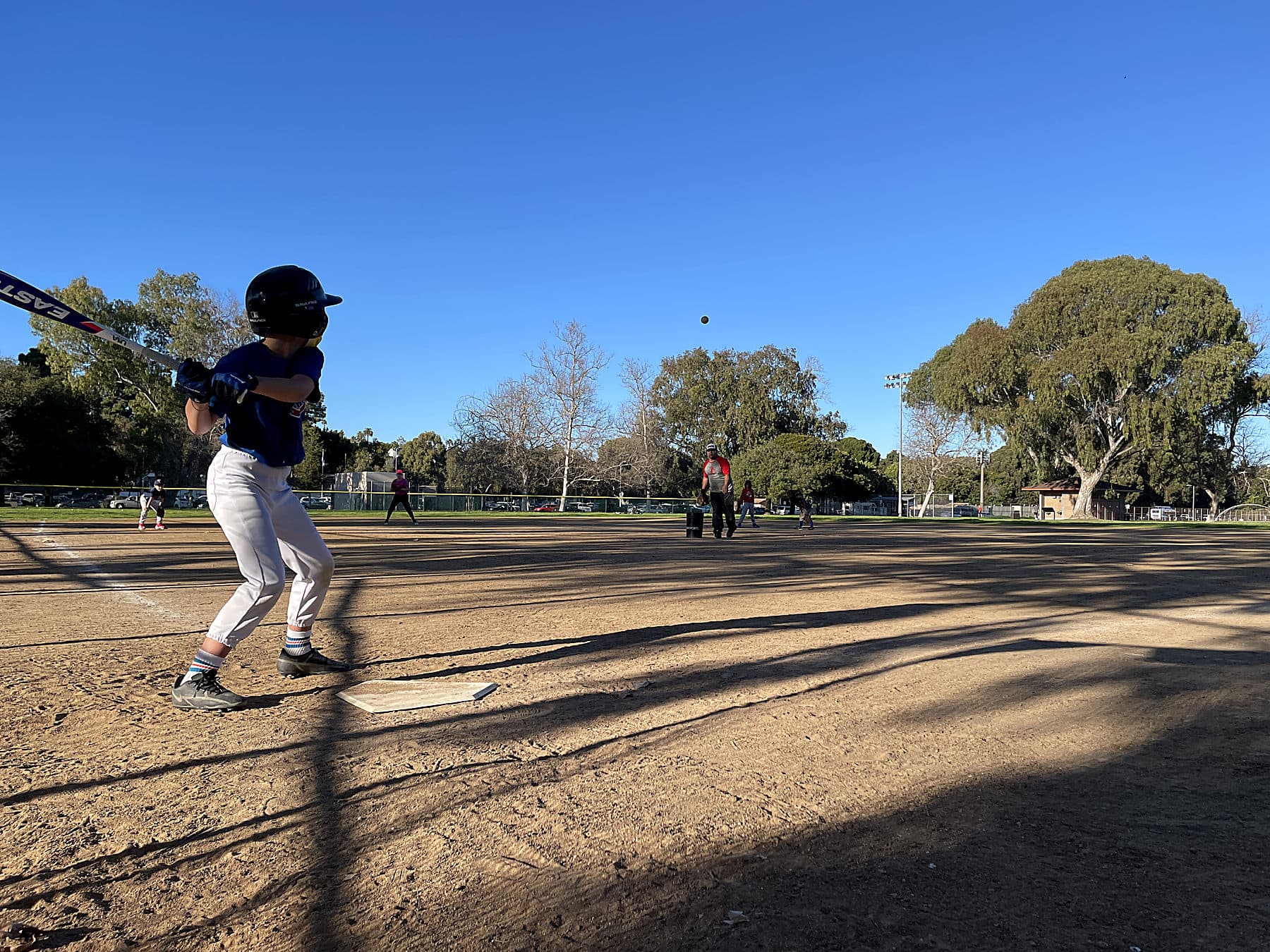
Hustle Ball: The Missing Middle Between Little League and Travel Ball
Hustle Ball sits between Little League and travel ball. I made it up with tennis balls in 2020. Here is why, how a session runs, who it fits, and how another coach could run it.
7 min readRead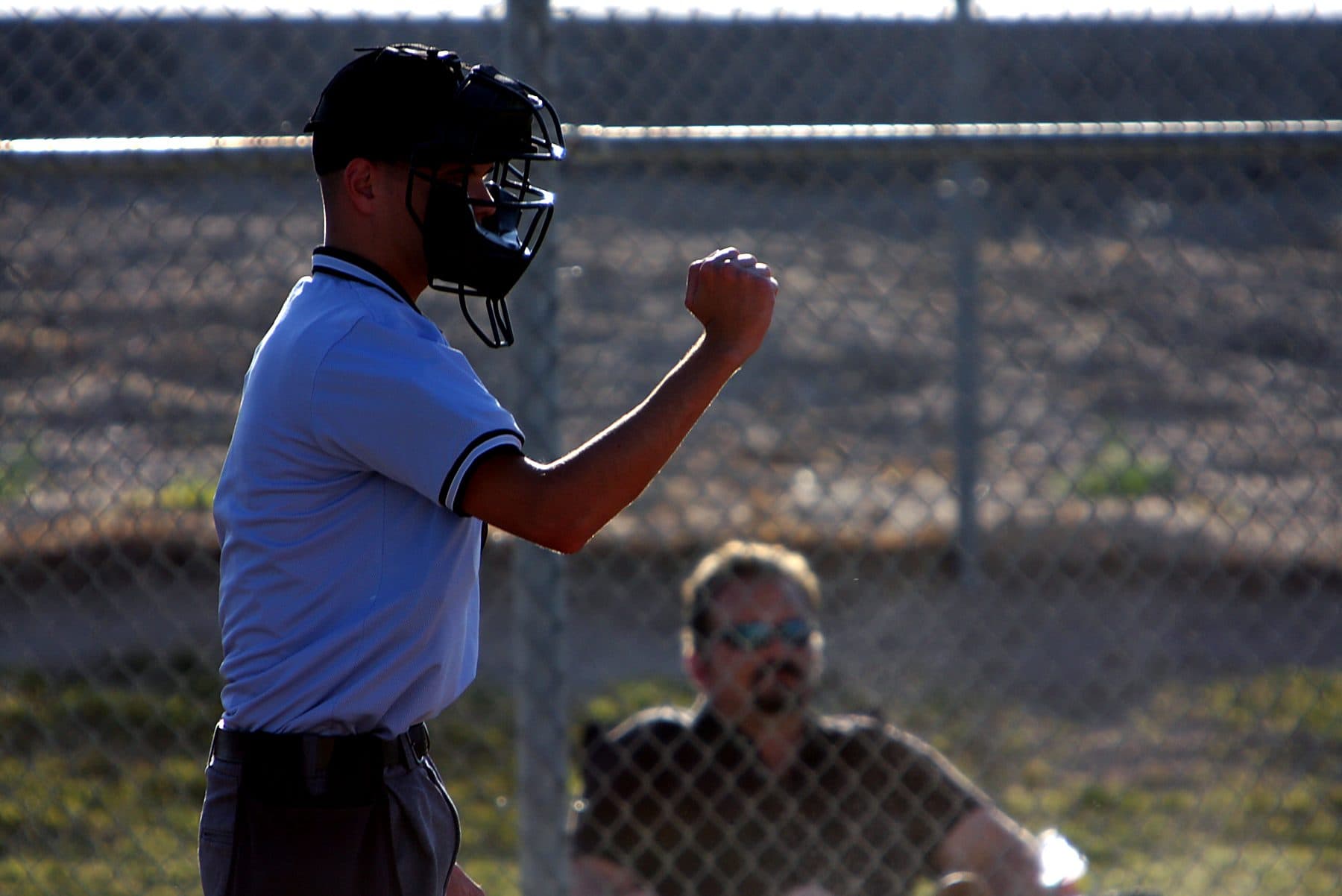
Everybody Thinks the Umpire Is Bad
Without umpires, baseball does not exist. Isaac Hess on the one season he wore the mask, what the job pays, what a day looks like and what we say to the people in the gear.
8 min readRead
Run a travel team? Get your free page.
Baseball or softball. Claim a free directory page, post tryouts, and share cagelist.com/@yourteam with families.
Find your league
Free directories of real leagues and clubs near you. Then book a batting cage to get your reps in before opening day.
1,417 organizations
 leagues in 49 statesAdult hardball near you: MSBL, NABA and independent leagues.Browse men's leagues
 leagues in 49 statesYouth baseball and softball leagues, organized by state.Browse little leagues
 programs in 41 statesTravel and club programs in your region. Find one, or list yours free.Browse travel teams
Join the backyard batting cage community
Talk builds, gear, hosting and player development with cage owners, coaches, parents and baseball families.