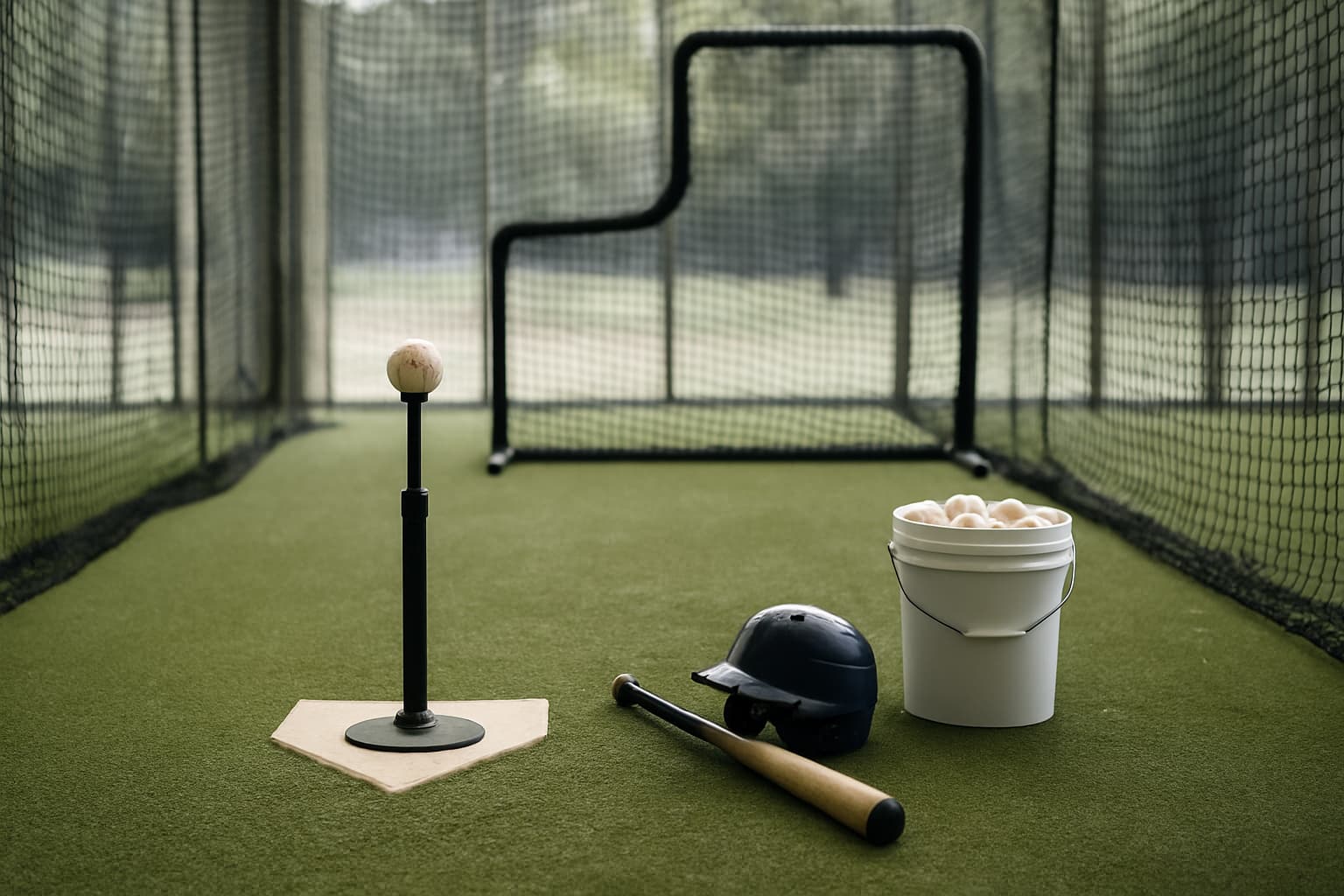
If your kid is in travel baseball you already know it is expensive. What most families do not realize is how much of that expense goes specifically to training access — facility rentals, private lessons, cage time — before a single tournament fee gets paid. This post breaks down exactly where the money is going and how CageList changes the math.
Find a batting cage near you and book your first session on CageList
The Real Cost of Travel Ball Training
The average travel ball family at the 10U–14U level spends between $3,000 and $8,000 per year on baseball-related expenses. Training costs — separate from tournament fees, equipment, and travel — typically account for $1,500–$4,000 of that total. Here is where it goes.
Private hitting lessons: $60–$120 per hour, typically once or twice per week during the season. At one lesson per week for 30 weeks that is $1,800–$3,600 per year for lessons alone.
Facility cage rentals for independent work: $40–$80 per hour at a commercial facility, typically 2–4 sessions per week during peak training periods. A family running three independent sessions per week for 20 weeks spends $2,400–$4,800 on cage time alone.
Team cage rentals: many travel ball organizations pass cage rental costs through to families as part of team fees. At $80–$120 per hour for a facility rental split among 12 players, the per-family cost is $7–$10 per team session. Across a full season of twice-weekly team cage work that adds another $500–$1,000 per family.
Total annual training access cost for a serious travel ball family: $4,800–$9,400 before lessons.
See the full comparison of facility costs vs. CageList backyard cage rentals
Where CageList Changes the Math
CageList backyard cage rentals run 30–50% below commercial facility rates in most markets. Here is what that looks like in practice.
Independent cage sessions at a facility: $50/hour x 3 sessions/week x 20 weeks = $3,000.
Same sessions booked on CageList at $30/hour: $1,800.
Annual savings: $1,200 from independent sessions alone.
Team cage sessions facilitated through CageList instead of a facility: savings of $20–$40 per hour on the team rate translate to $200–$600 per family per season.
Families who shift their independent cage time to CageList consistently save $1,000–$2,500 per year in training access costs. For a family with two kids in travel ball that is $2,000–$5,000 back in your pocket annually.
If you own a cage — run the numbers and see what you could earn hosting those same families
The Hidden Cost Nobody Talks About: Drive Time
The financial cost of facility rentals is only part of the story. The time cost is just as significant — and far less often calculated.
A round trip to a facility 20 minutes away takes 40 minutes of drive time per session. Three sessions per week is 2 hours of driving. Over a 30-week season that is 60 hours of drive time — the equivalent of a full work week and a half spent in the car getting to and from cage sessions.
CageList exists specifically to solve this. When a quality cage is 5–10 minutes from your house — or literally in your neighborhood — those 60 hours come back to your family. That time goes back to dinner, homework, recovery, and the other parts of life that travel ball tends to consume.
Why we built CageList — one cage within 10 miles of every baseball family in America
The Build-Your-Own Alternative
For families spending $3,000–$4,000 per year on cage time the math on building your own eventually becomes impossible to ignore.
A solid Tier 1 build — permanent steel frame, #42 nylon netting, hitting mat, basic lighting — runs $4,000–$7,000. At $3,000 per year in facility rental savings it pays for itself in 18–28 months.
A Tier 2 build with a pitching machine runs $12,000–$18,000. At $4,000 per year in savings plus $10,000–$15,000 in annual CageList rental income it pays for itself in 12–18 months.
The family that builds a cage for their kid and lists it on CageList does not just eliminate their own training costs. They eliminate them and generate income on top.
Why the backyard batting cage is the best investment a baseball family can make
How to Start Saving Now
You do not need to build anything to start saving. Search CageList for backyard cages in your area, compare rates against your current facility, and book your next session through the platform.
In most markets there are quality private cages available at 30–50% below facility rates with better availability, more flexibility, and hosts who are genuinely invested in the experience.
Find a batting cage near you on CageList and book your first session.
And if you have been thinking about building — run the numbers at our ROI calculator and see what your backyard could actually earn.
Run the ROI calculator — see what a backyard cage earns in your market
Find a baseball league near you
Put your work into a real season — men's leagues, Little League, and travel teams, all in one guide.
Related Guides
View all articles
Training & Hitting
How to Run a Hustle Ball Class: Coach Pitch, Close Games, Teachable Moments
A coach's how-to for Hustle Ball™ — manage pace with coach pitch, keep games close, rotate positions, and teach without killing the energy.
Training & Hitting
Hustle Ball: Why One Practice a Week Should Feel Like a Real Game
MADE Baseball's Hustle Ball™ — coach-pitch live play that keeps kids loving the game. Why one weekly practice should feel like a real game, not only drills or tournaments.
Training & Hitting
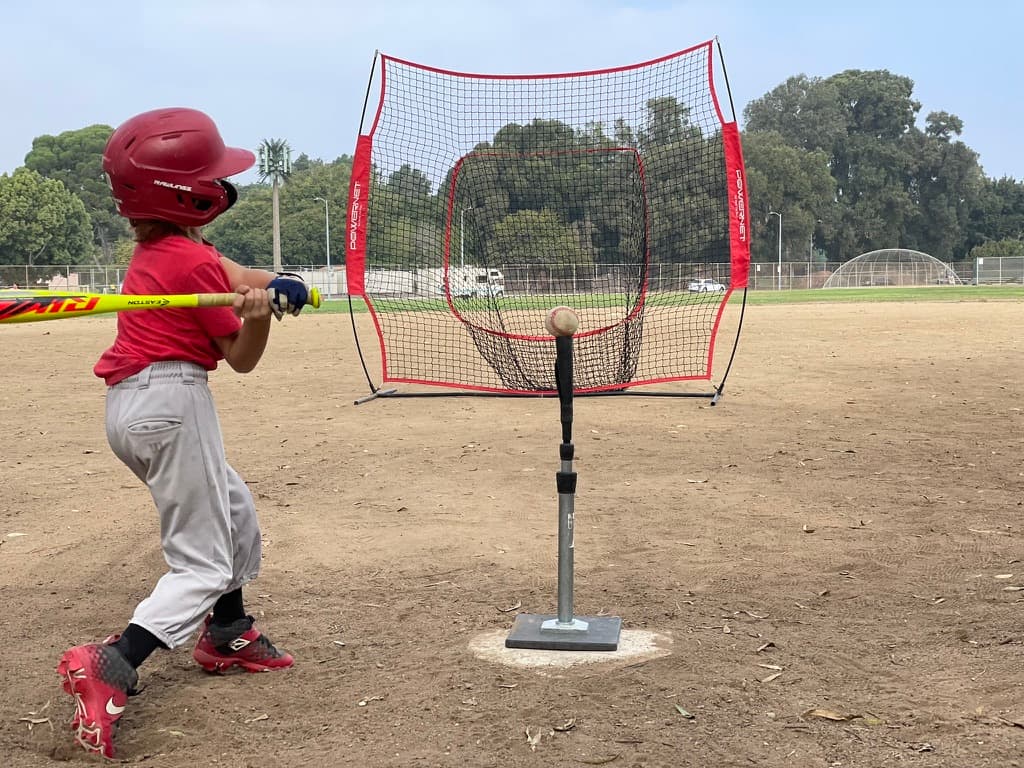
Practicing Hitting at Home Between Cage Sessions
You can not book a cage every day, but you can still get quality swings at home. Here is how to build a simple at-home hitting routine between rentals.
Run a travel team? Get your free page.
Baseball or softball. Claim a free directory page, post tryouts, and share cagelist.com/@yourteam with families.
Find your league
Free directories of real leagues and clubs near you — then book a batting cage to get your reps in before opening day.
1,000 organizations

Join the backyard batting cage community
Talk builds, gear, hosting and player development with cage owners, coaches, parents and baseball families.