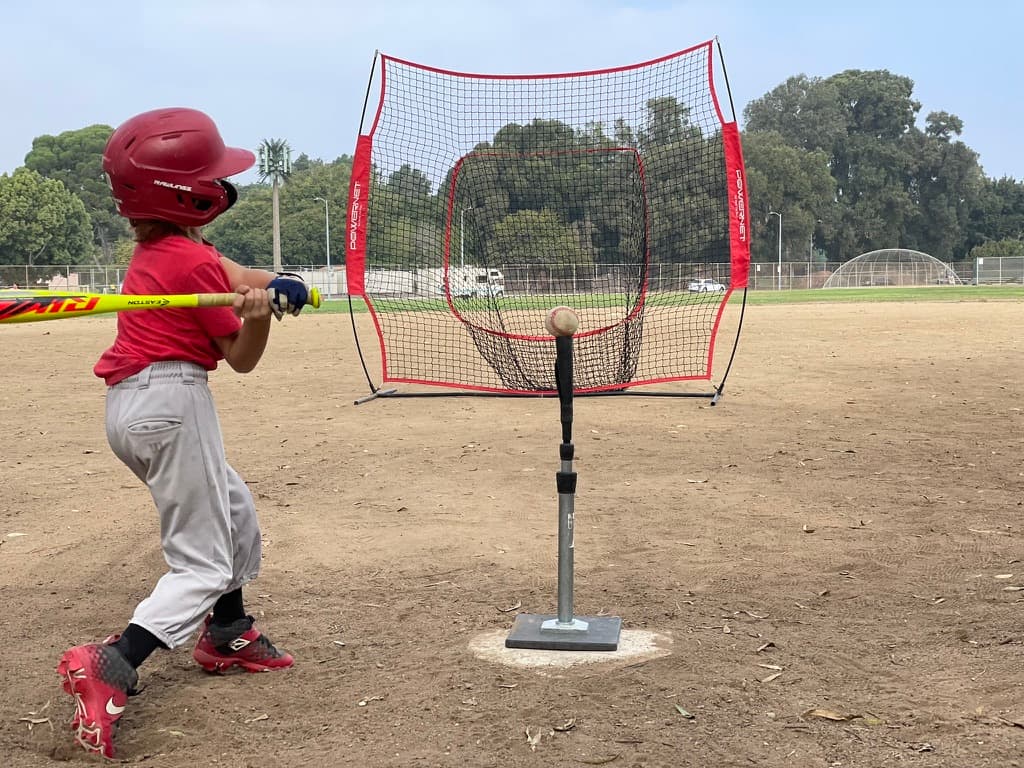
Here’s the hard truth about getting better as a hitter: it comes down to volume of quality reps, and you can’t book a cage every single day. The players who improve fastest are the ones who keep their swing sharp at home between sessions, then use their rented cage time for the work you can only do with a real machine and full ball flight. Here’s how to build a simple at-home routine that makes every cage session count for more.
Why at-home reps matter
A swing is a motor pattern, and motor patterns fade without repetition. Three focused fifteen-minute sessions in the backyard during the week will do more for a young hitter than one big cage day followed by six days off. At-home work isn’t a replacement for live reps off a machine — it’s the connective tissue that keeps the mechanics grooved, so that when you do get to the cage, you’re refining instead of rebuilding.
There’s a mental benefit too. A hitter who touches a bat most days walks into the box with quiet confidence, because the swing feels familiar instead of foreign. That consistency is exactly what separates players who only look good in the cage from players who carry it into games — and it’s built in the small, unglamorous sessions nobody sees.
A simple home setup
You don’t need a full backyard cage to get real work in. A modest kit covers most of it:
- A portable net like the Bownet Big Mouth X gives you a safe target for tee and soft-toss work in minutes.
- Training balls such as weighted practice baseballs add feedback and let you train in tight spaces.
- A soft-toss machine like the SKLZ Catapult lets a solo hitter get consistent reps without a partner.
Affiliate disclosure: As an Amazon Associate, CageList earns from qualifying purchases. Some links above are affiliate links — if you buy through them, CageList may earn a commission at no extra cost to you.
Three drills you can do anywhere
Keep it simple and repeatable:
- Tee work: The most underrated drill in baseball. Move the tee to different pitch locations and hit line drives into the net with intent, not just contact.
- Soft toss: Front or side toss to work timing and hand path. If you’re solo, a soft-toss machine keeps the feed consistent.
- One-hand drills: Top-hand and bottom-hand reps off the tee to clean up bat path and build feel for the barrel.
How much is enough?
You don’t need marathon sessions. Fifteen or twenty focused minutes, three or four days a week, is plenty for most young hitters — and it’s sustainable in a way hour-long grinds aren’t. Consistency beats intensity here: a short daily habit that actually happens will always out-perform an ambitious routine that fizzles out by Wednesday. Keep the bar low enough that showing up is easy, and let the reps compound over weeks and months.
Then bring it to the cage
At-home reps groove the pattern; live reps prove it. Once your mechanics feel automatic on the tee, take them to a real cage and test them against machine speed and real ball flight — that’s where timing and pitch recognition actually develop. When you’re ready for a full session, it takes a minute to find and book a cage near you. Stack a week of sharp home reps onto a quality cage day and you’ve got a routine that genuinely moves the needle.
Find a baseball league near you
Put your work into a real season: men's leagues, Little League, and travel teams, all in one guide.
Related Guides
View all articles
Run a travel team? Get your free page.
Baseball or softball. Claim a free directory page, post tryouts, and share cagelist.com/@yourteam with families.
Find your league
Free directories of real leagues and clubs near you. Then book a batting cage to get your reps in before opening day.
1,421 organizations
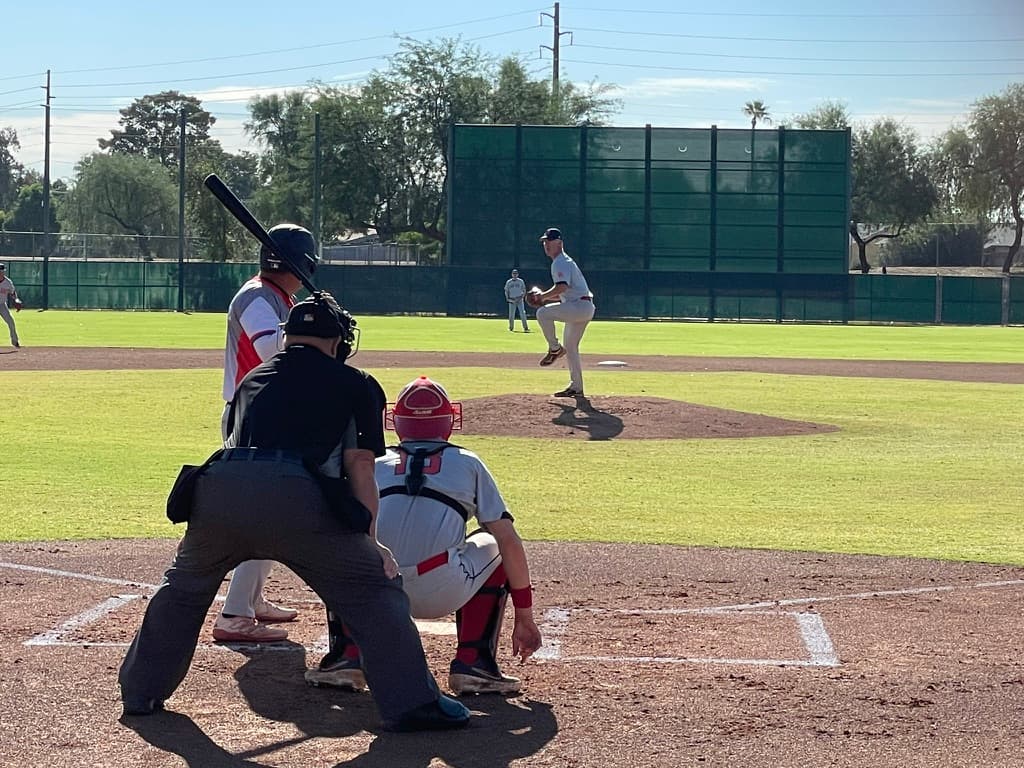 leagues in 49 statesAdult hardball near you: MSBL, NABA and independent leagues.Browse men's leagues
 leagues in 49 statesYouth baseball and softball leagues, organized by state.Browse little leagues
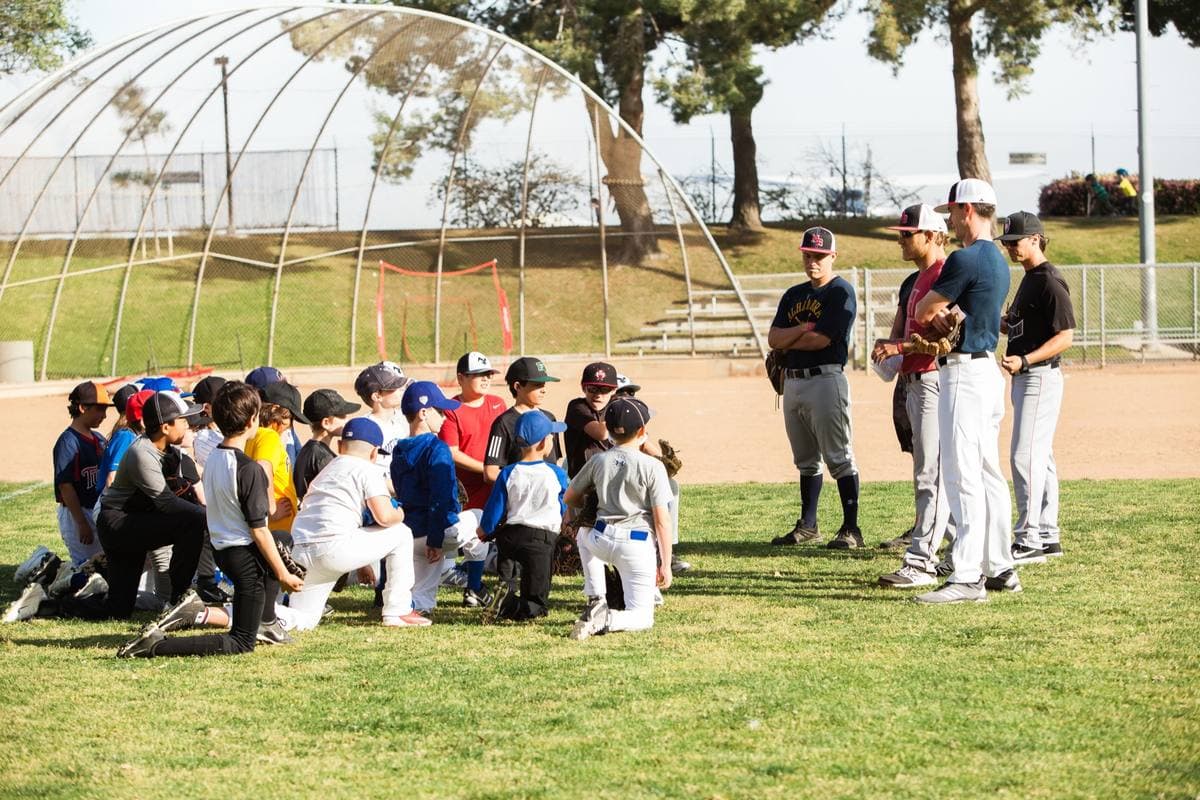 programs in 41 statesTravel and club programs in your region. Find one, or list yours free.Browse travel teams
Join the backyard batting cage community
Talk builds, gear, hosting and player development with cage owners, coaches, parents and baseball families.