Hustle Ball™ only works when the coach runs the game. Not the scoreboard. Not the loudest parent. You. This is the how-to: coach pitch, keep it close, rotate everyone, teach in short bursts, and leave fundamentals practice for the other day of the week.
At MADE Baseball, Hustle Ball is our signature live-play class. I want coaches across the country to run this style — and for CageList to help the format become discoverable as more programs adopt it. Today the living model is MADE; tomorrow the map should make it easier for families to find coaches who run the game this way.
The weekly diet
If you have two practices a week: one fundamentals, one Hustle Ball. Fundamentals day is for mechanics and skill circuits. Hustle Ball day is for baseball IQ, hustle habits, and love of the game. Do not try to pound every teaching point during live play — that kills energy. Teachable moments, then back to playing.
Your job as game manager
Coach pitch is the control stick. You can:
- Challenge better hitters with a firmer pace
- Feed struggling or beginner hitters something they can put in play
- Speed up or slow down the inning to keep both sidelines engaged
- Keep mixed ages (roughly 8–12) productive on one field
Close games are not an accident. They are coaching. Parents lean in when it is competitive. Kids hustle when the next pitch matters. Manipulate the game in a good way — fairness and development, not humiliation.
Structure that runs itself
- Form teams on-site — avoid permanent cliques; mix talent.
- Rotate positions often — every kid learns the whole diamond over time.
- Coach pitch only — fast, consistent, intentional.
- Stop play for short teachable moments — then restart. Do not lecture for five minutes.
- Enforce hustle standards as rules — not suggestions.
- End with a recap + Player of the Game — name the habits you want repeated.
Rules that teach (from the MADE playbook)
Examples we actually use — adjust for your group, but keep teeth in the standards:
- Not sprinting through first = out
- Walking on/off the field = out
- Arguing calls = out
- Mental mistakes (forgot the bat, etc.) have consequences when the rule is in play
- Safety: one on-deck hitter, gear managed, cleanup required
- Game flow: no walks unless you specify; run limits to keep innings moving; final minutes reserved for finish + recap
Full parent-facing detail lives on the Hustle Ball page. Your job is to coach the spirit: hustle, awareness, accountability.
What not to do
- Turn Hustle Ball into a silent fundamentals clinic
- Let parents run substitutions or argue pitch selection
- Leave beginners buried on a team that never puts the ball in play — you control the pitching
- Skip rotations because "the game is close" — rotations are the product
CageList, honestly
CageList does not host Hustle Ball registration as a product feature today. What we can do: help coaches and teams find places to train, and tell the truth about formats that make kids better. If you need cage work on fundamentals day, book coach-friendly cages. If you are building a lesson business around live play and privates, read the MADE Baseball coach playbook.
National discoverability for Hustle Ball is the goal — coaches running it, families searching for it, a map that connects them. MADE is shipping the standard now.
Newer coaches: script your first session. Who pitches when. How you rotate. Which three hustle rules you will enforce that day. You can expand the rulebook later — clarity beats complexity on week one.
Run one this week
Pick a 90–120 minute window. Coach pitch. Rotate. Keep it close. Teach short. Send kids home sweaty and smiling. That is Hustle Ball — and that is how you keep the game alive between tournaments.
Parents: start with why one practice a week should feel like a real game.
Find a baseball league near you
Put your work into a real season: men's leagues, Little League, and travel teams, all in one guide.
Related Guides
View all articles
How to Become a Private Baseball or Softball Coach
We found no national license requirement to teach lessons for pay. Here are the credentials, background checks, insurance and taxes to look into, plus a first-month plan and how to find a place to teach.
6 min readRead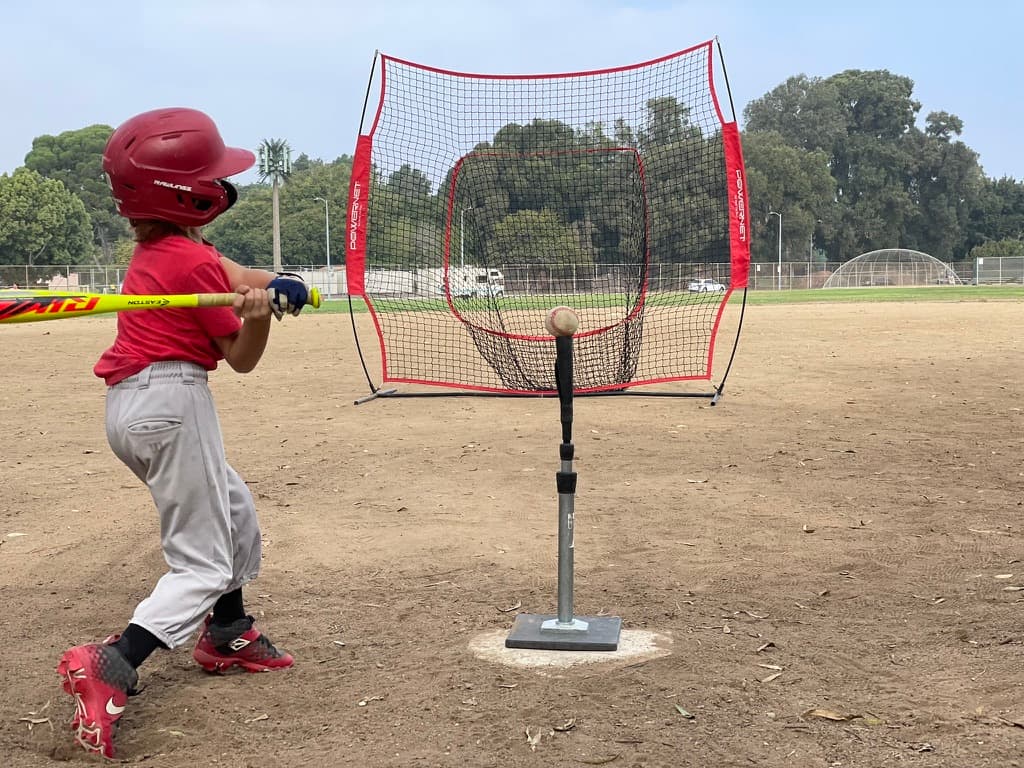
Practicing Hitting at Home Between Cage Sessions
You can not book a cage every day, but you can still get quality swings at home. Here is how to build a simple at-home hitting routine between rentals.
4 min readRead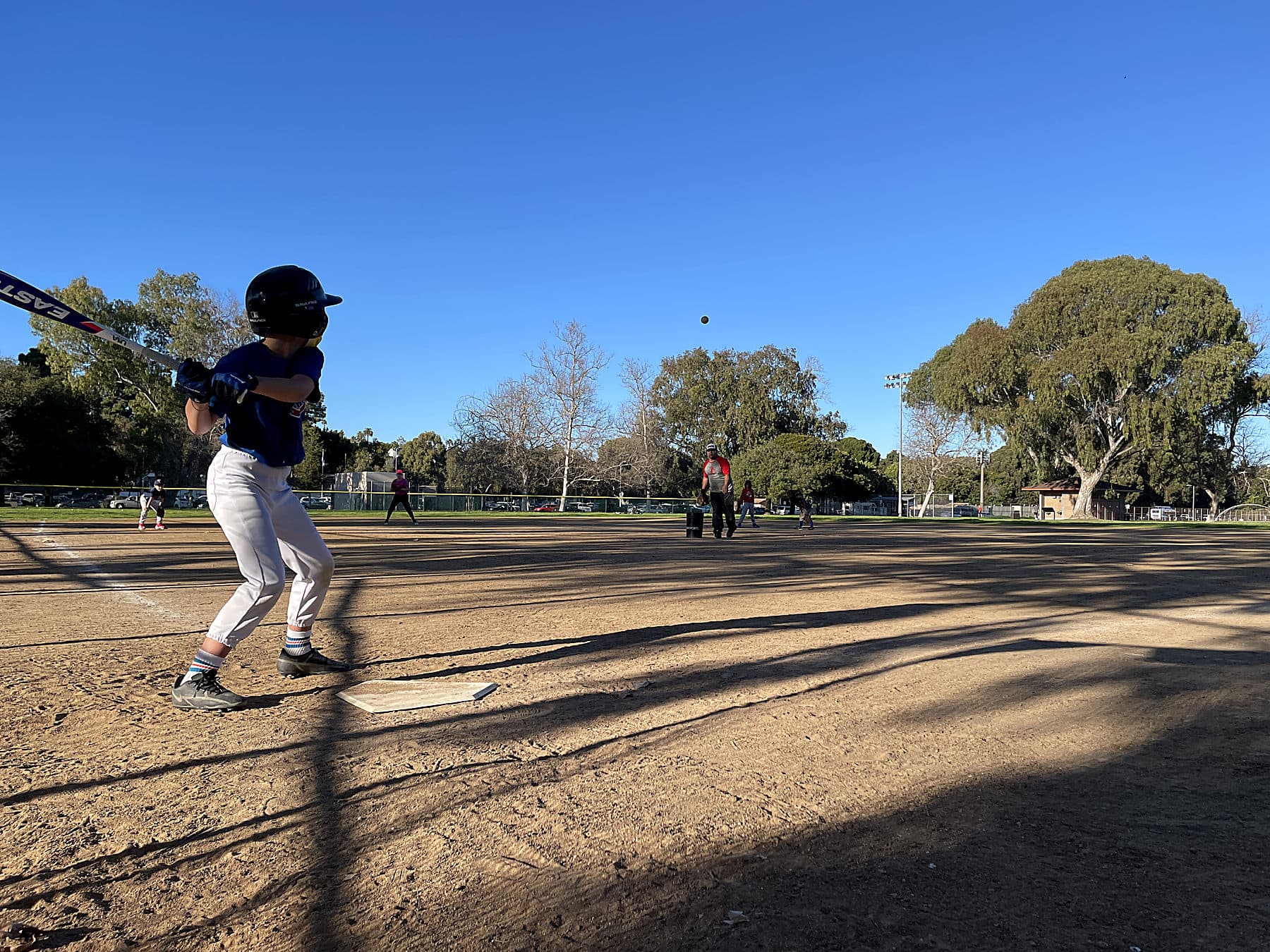
Hustle Ball: The Missing Middle Between Little League and Travel Ball
Hustle Ball sits between Little League and travel ball. I made it up with tennis balls in 2020. Here is why, how a session runs, who it fits, and how another coach could run it.
7 min readRead
Run a travel team? Get your free page.
Baseball or softball. Claim a free directory page, post tryouts, and share cagelist.com/@yourteam with families.
Find your league
Free directories of real leagues and clubs near you. Then book a batting cage to get your reps in before opening day.
1,417 organizations
 leagues in 49 statesAdult hardball near you: MSBL, NABA and independent leagues.Browse men's leagues
 leagues in 49 statesYouth baseball and softball leagues, organized by state.Browse little leagues
 programs in 41 statesTravel and club programs in your region. Find one, or list yours free.Browse travel teams
Join the backyard batting cage community
Talk builds, gear, hosting and player development with cage owners, coaches, parents and baseball families.