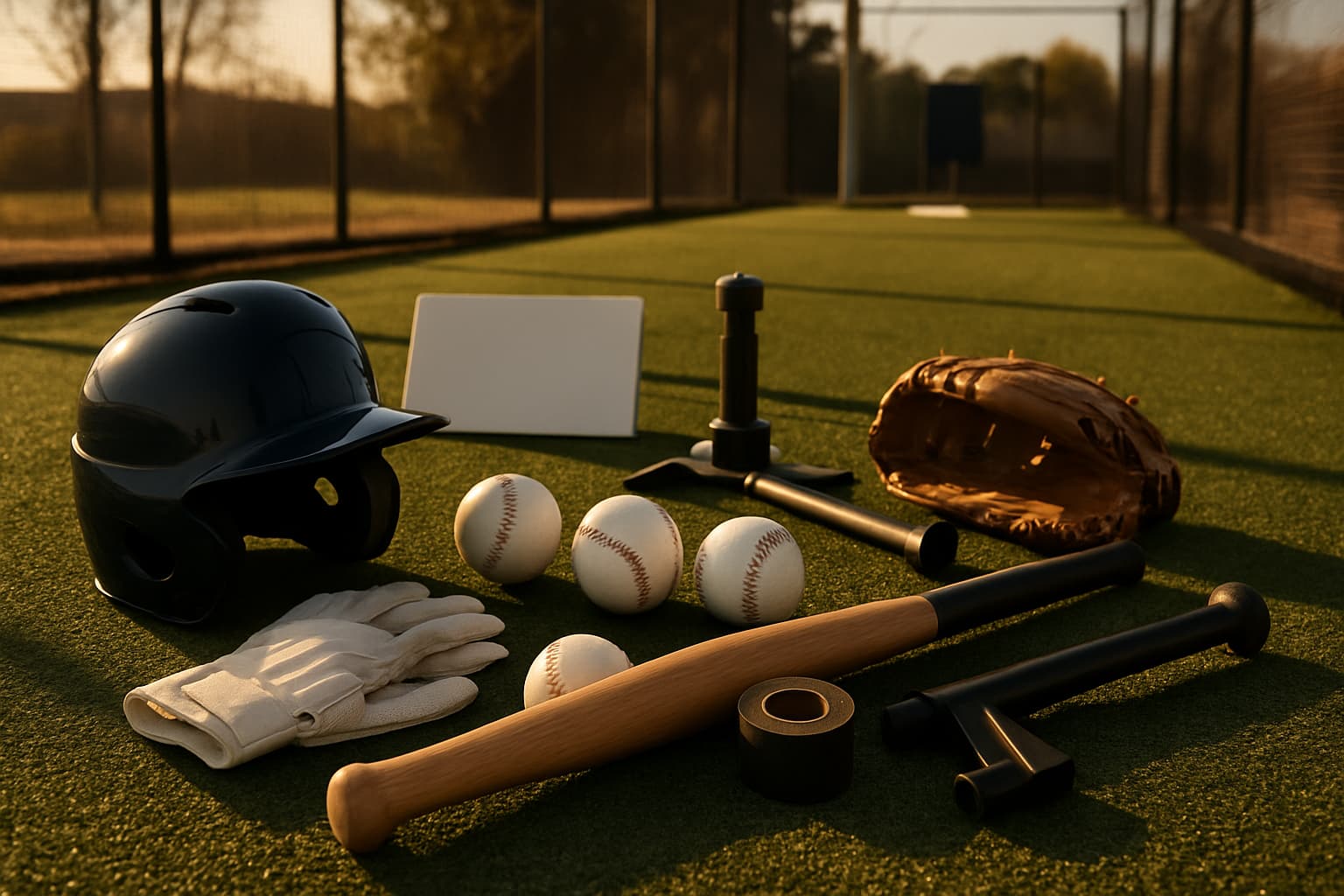
Searching for "batting cages near me" should lead to more than a random list of places with outdated hours. The best cage for your practice depends on what you need that day: a quick round before tryouts, a team block before a tournament, a softball-friendly machine, a private lesson space, or a covered cage when the weather ruins field plans. A national search is useful only if it helps you narrow down local options with the right questions.
CageList batting cage search is built around that problem. Instead of treating every cage as interchangeable, use your location, practice goal, group size, budget, and equipment needs to choose a space that fits the session. This guide walks through how to evaluate nearby cages before you book.
Start with the practice goal
Before comparing cages, decide what kind of session you are trying to run. A hitter working on timing may need a machine with adjustable speed. A parent helping a younger player may only need a safe tunnel, tee, and bucket of balls. A team may need multiple lanes, parking, and enough time for rotations. A softball player may need a cage that supports softball pitching or the right ball type. The right search result changes with the goal.
If you are not sure how to structure the session, start with the batting cage practice guide. A simple plan keeps the booking from becoming "take swings until the clock runs out." Choose one focus, such as opposite-field contact, bunting, confidence, or offspeed recognition, then find a cage that supports that work.
Compare distance against quality
The closest cage is not always the best choice, but distance matters. A cage ten minutes away is easier to use consistently than a premium facility forty-five minutes away. For routine reps, convenience can beat extras. For special sessions, such as team practice, private instruction, or tryout prep, the better-equipped facility may be worth the drive.
Use a practical radius. Search near home, school, work, and tournament sites. Families often discover that the best weekday cage is different from the best weekend cage. If you travel for baseball or softball, save options near common tournament complexes so rainouts or pregame tune-ups are easier to handle.
Check equipment before booking
Not every batting cage includes the same gear. Look for details about baseballs, softballs, tees, pitching machines, L-screens, helmets, lighting, turf, seating, and bathrooms. If a machine is included, check whether speed, pitch type, and ball type fit your player. If you need to bring your own balls or a coach, confirm that before arriving.
Equipment matters most when the practice goal is specific. A player working on changeups and offspeed pitches needs speed variation. A player working on bunting fundamentals needs safe front toss and enough room for target lanes. A player warming up before a game may care more about convenience and timing than advanced machines.
Look for safety and space details
A good cage listing should make safety visible. Look for netting condition, protected waiting areas, clear entry paths, lighting, surface quality, and rules about supervision. For backyard cages, parking and property boundaries should be obvious. For facilities, check whether staff are present and how check-in works.
Parents should pay close attention to who will be swinging, who will be pitching, and where non-hitters wait. The best cage is not only the one with the most features. It is the one where the session can run safely and calmly. For a deeper checklist, use the batting cage quality guide.
Match the cage to baseball or softball
Baseball and softball players share many training needs, but the cage setup can differ. Softball hitters may need a machine or front-toss setup that reflects the lower release point and shorter reaction window. Younger baseball players may need slower speeds and more tee work. Slowpitch players may want height and timing work rather than high-velocity reps.
When in doubt, ask the host or facility what the cage supports. A listing that clearly mentions softball, baseball, machine settings, and ball types saves everyone time. You can also review baseball vs. softball hitting differences before choosing the session setup.
Read reviews for operational clues
Reviews tell you more than whether guests liked the cage. Look for comments about cleanliness, communication, parking, equipment, lighting, accurate descriptions, and whether the session started on time. A cage with fewer features but consistent reviews may be a better fit than a flashy option with repeated complaints about access or broken machines.
If a listing is new and has few reviews, evaluate the quality of the photos and instructions. Clear listings usually include cage dimensions or use case, what is included, arrival details, rules, and host responsiveness. New hosts can still provide excellent sessions when expectations are clear.
Book the right amount of time
For individual hitters, 30 to 60 minutes is often enough if the session has a plan. Teams may need 90 minutes or more. Lessons, machine work, and high-intensity velocity sessions should include rest so hitters do not take tired, low-quality swings. More time is not automatically better.
Use the guidance in how many swings to take per session to avoid overbooking. A focused 45-minute cage rental can beat a long session where everyone loses concentration.
What to bring to a nearby batting cage
Bring the player’s bat, helmet, batting gloves, water, and any required balls if they are not included. Coaches may bring a tee, small targets, notebook, or phone tripod for video. Teams should bring a simple rotation plan so players are not standing around. For first-time bookings, arrive a few minutes early and read the arrival instructions before pulling in.
Do not assume every cage has bathrooms, seating, or climate control. Check the listing and message the host if something is essential. A quick question before booking is better than discovering a mismatch after the clock starts.
FAQ
How do I find batting cages near me?
Search by location on CageList, then compare cage type, equipment, availability, reviews, distance, safety details, and whether the space fits your practice goal.
Are indoor batting cages better than outdoor cages?
Indoor cages are more weather-proof, but outdoor or backyard cages can be convenient, affordable, and great for focused reps. The best choice depends on the session.
How much time should I book?
Many individual hitters do well with 30 to 60 minutes. Teams and lessons often need longer blocks, especially if players rotate through stations.
Can I use a nearby cage for team practice?
Yes, if the listing supports your group size, parking, safety needs, and session length. Ask before booking if capacity or equipment is unclear.
Find a baseball league near you
Men's leagues, Little League, and travel teams near you — then book cage time to get ready for the season.
Related Guides
View all articlesCageList News
CageList Is Now an Authorized JUGS Sports Dealer
CageList is now an authorized JUGS Sports dealer. Real JUGS machines, nets, screens, and practice balls, sold and shipped directly at real JUGS pricing.
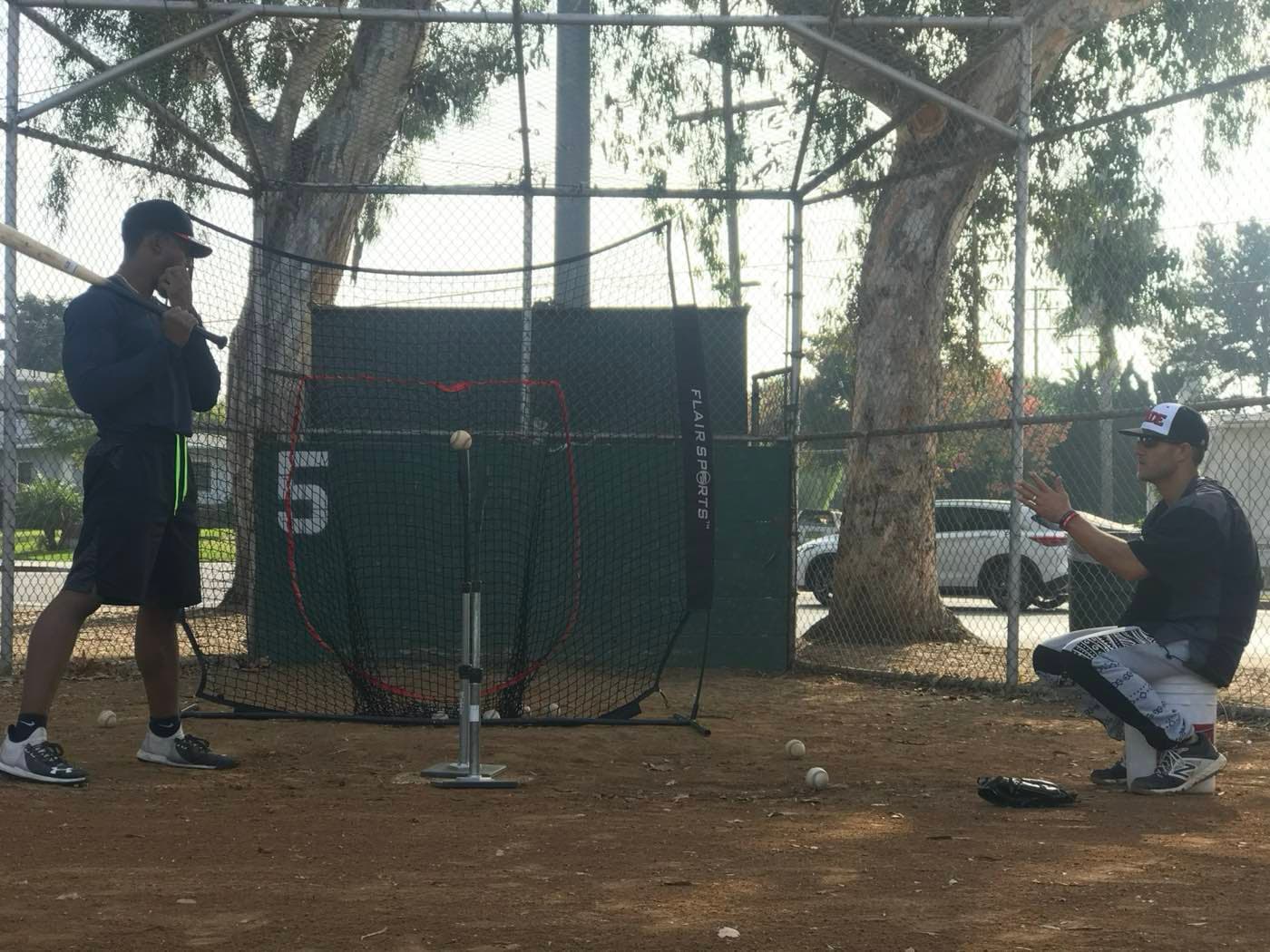
List Your Cage
Can Your Little League Rent Out Its Batting Cage?
Most leagues own a cage that sits idle most of the year. Opening it up is usually allowed — it depends on who owns the ground, what your use agreement says, and what your liability policy covers. Here is how to check all three.
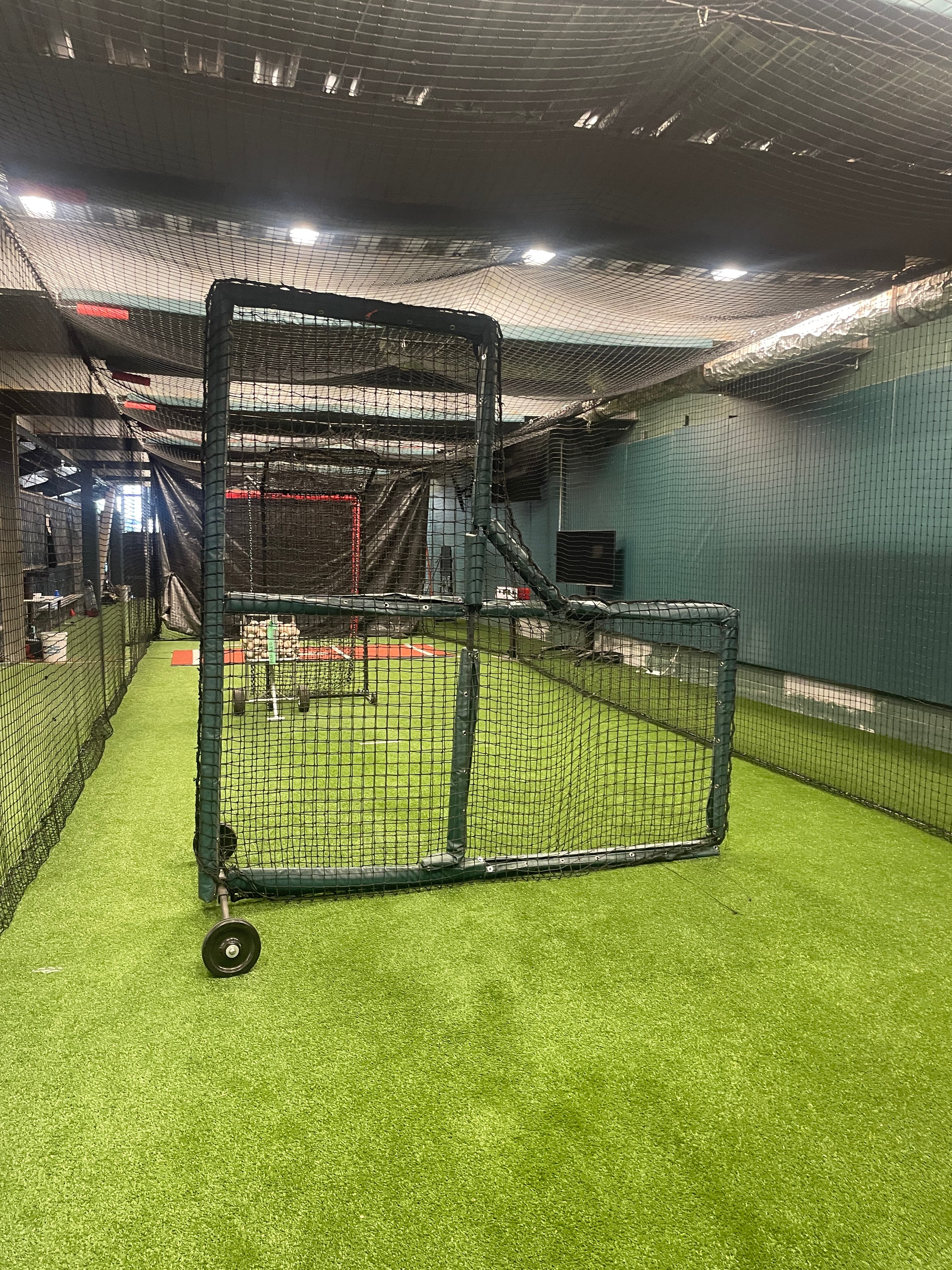
Find & Rent Batting Cages
What You Actually Get at a HitTrax Cage in Dick's Sporting Goods
Dick's runs two different services in the same HitTrax cage, and they cost very different amounts. Here is what you get, what it costs, and when a real cage is the better call.
Run a travel team? Get your free page.
Baseball or softball. Claim a free directory page, post tryouts, and share cagelist.com/@yourteam with families.
Find your league
Free directories of real leagues and clubs near you — then book a batting cage to get your reps in before opening day.
1,000 organizations
Join the backyard batting cage community
Talk builds, gear, hosting and player development with cage owners, coaches, parents and baseball families.