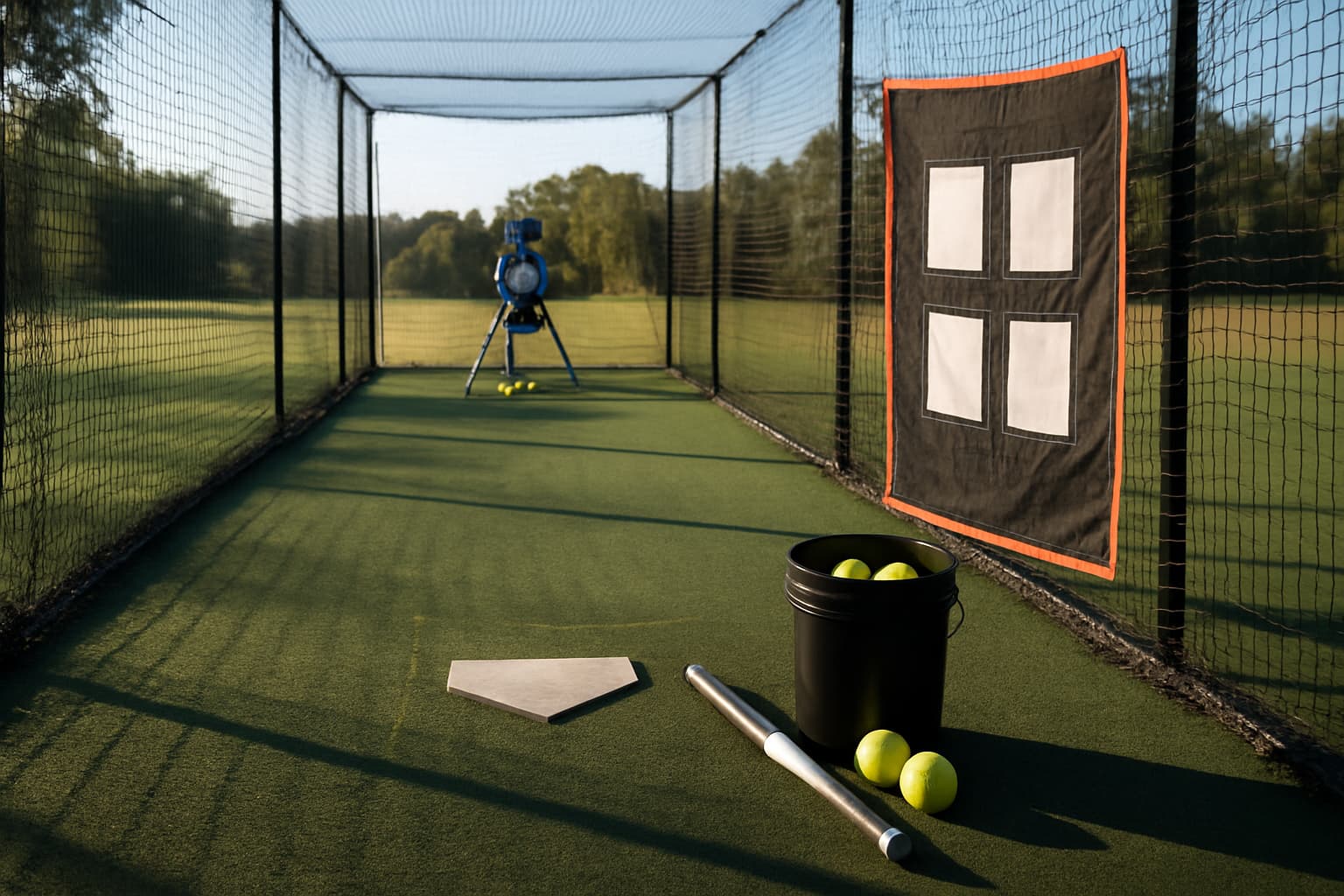
Baseball and softball swings look similar from the bleachers, but hitters who train both sports learn quickly that the ball flight, timing window, stance, and practice plan are not identical. A baseball hitter usually tracks an overhand pitch that travels on a downhill plane. A softball hitter, especially in fastpitch, sees the ball rise from a lower release point and reach the hitting zone on a flatter or even climbing visual path. That difference changes how early the hitter must read spin, how the barrel enters the zone, and what a productive batting cage session should emphasize.
The goal is not to build two completely different swings. Strong hitters in both games need balance, posture, a short move to contact, and a finish that matches the pitch. The mistake is assuming one generic round of cage swings prepares every athlete. If you are booking time through CageList batting cages, split the session around the game the player actually plays, then use a few crossover drills to keep the fundamentals sharp.
The biggest difference is pitch plane
Baseball hitters usually prepare for a pitch that starts higher and works down through the zone. That is why many baseball drills cue the hitter to stay through the top half of the ball, avoid collapsing the back side, and drive line drives through the middle. Softball hitters still need a level, connected move, but the visual challenge is different. The ball may start below the eyes, climb into the zone, and arrive with less downward angle.
That does not mean softball hitters should uppercut. It means they need to match the pitch plane without letting the barrel drop early. A useful cue is "turn behind the ball, then stay through it." The hitter should feel the barrel work into the zone early enough to cover speed, but the chest should not fly open or tilt so much that the swing becomes all lift. The batting cage practice guide is a good framework for planning rounds that isolate one cue at a time instead of trying to fix everything in one bucket.
Timing windows are not the same
A baseball hitter often has a longer visual flight, but more pitch types and more vertical break to account for. A fastpitch softball hitter may see the ball for less time because the plate is closer, so the load and stride need to be on time earlier. Slowpitch softball adds another twist: the ball arrives on a high arc, which tempts hitters to lunge, drift, or swing before the ball enters the best contact window.
For baseball, a common cage progression is tee work, front toss, then machine rounds that alternate fastballs and offspeed. For softball, mix front toss from the correct release height with machine work that recreates the pitcher’s actual speed and lane. If the hitter plays both, do not blend everything together. Give baseball and softball separate rounds, then finish with a short recognition round where the player calls pitch height or location before swinging.
Stance, stride, and contact point
Most players can keep the same athletic base across both sports: feet under the shoulders, knees flexed, eyes level, and hands relaxed near the back shoulder. The adjustment comes in when the front foot lands and where contact happens. Baseball hitters often work to catch the ball slightly deeper on outside pitches and pull inside mistakes out front. Softball hitters may need to make decisions sooner, so they benefit from a controlled stride that gets down on time without locking the front side too early.
Use contact-point stations inside the cage. Place a tee slightly out front for inside pitches, even with the front hip for middle pitches, and deeper for outside pitches. Then repeat the same stations with softball-size balls if applicable. This keeps the hitter from turning every pitch into the same swing path. It also pairs naturally with the batting cage drills library, especially opposite-field, two-tee, and front-toss progressions.
How to structure a shared training week
Players who move between baseball and softball should not chase a new identity every practice. Keep the first ten minutes consistent: mobility, dry swings, tee work, and line drives through the middle. Then split the main work by sport. A baseball day might include fastball timing, opposite-field contact, and changeup recognition. A softball day might include rise-ball posture, low-pitch discipline, and fastpitch reaction rounds. A slowpitch player might spend more time on patience, pitch selection, and driving the ball to the big part of the field.
If cage time is limited, choose quality over volume. Three focused rounds of twelve swings beat eighty rushed hacks. Track one measurable goal, such as hard contact to the middle third or staying balanced on offspeed pitches. For broader planning, pair this article with how many swings to take per session and building a year-round hitting plan.
FAQ
Can a softball player use a baseball batting cage?
Yes, as long as the speed, ball type, and machine angle are appropriate. The best option is a cage that can support softball pitching or front toss from a realistic release point.
Should baseball and softball hitters use the same drills?
Many fundamentals overlap, including tee work, balance drills, and opposite-field rounds. The drill setup should change when pitch plane, ball size, or reaction time changes.
What is the most common crossover mistake?
The most common mistake is using the same timing move for both games. Players should keep the core swing simple but adjust when they load, stride, and decide.
Find a baseball league near you
Put your work into a real season — men's leagues, Little League, and travel teams, all in one guide.
Related Guides
View all articles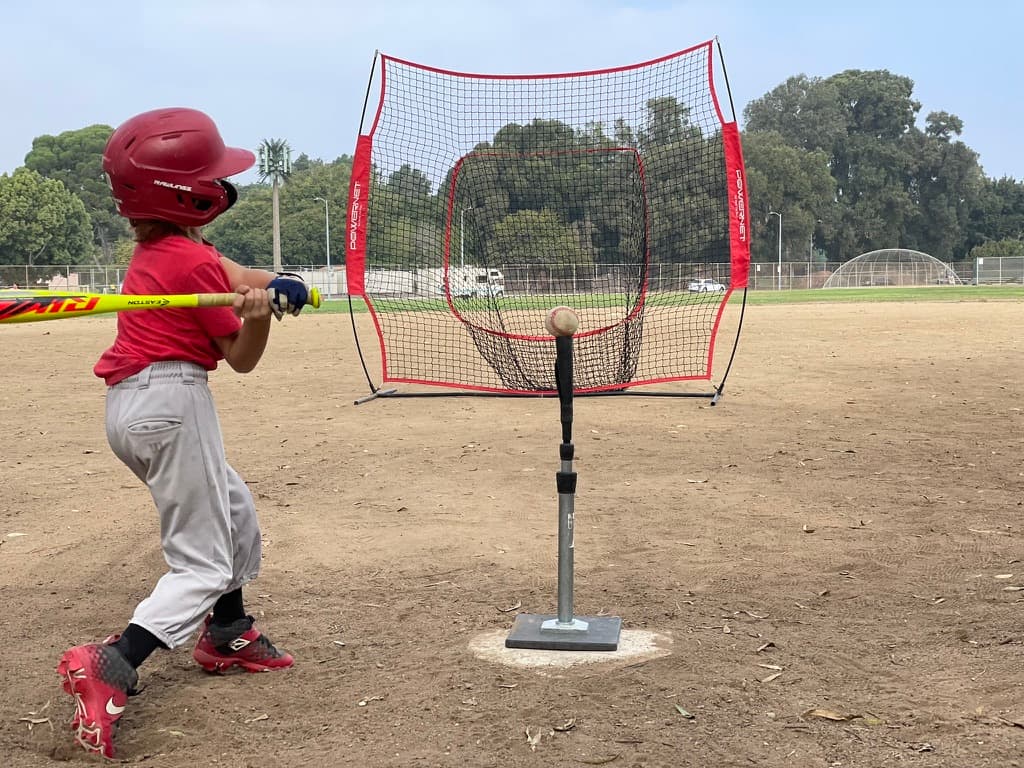
Training & Hitting
Practicing Hitting at Home Between Cage Sessions
You can not book a cage every day, but you can still get quality swings at home. Here is how to build a simple at-home hitting routine between rentals.
Training & Hitting
How to Run a Hustle Ball Class: Coach Pitch, Close Games, Teachable Moments
A coach's how-to for Hustle Ball™ — manage pace with coach pitch, keep games close, rotate positions, and teach without killing the energy.
Training & Hitting
Hustle Ball: Why One Practice a Week Should Feel Like a Real Game
MADE Baseball's Hustle Ball™ — coach-pitch live play that keeps kids loving the game. Why one weekly practice should feel like a real game, not only drills or tournaments.
Run a travel team? Get your free page.
Baseball or softball. Claim a free directory page, post tryouts, and share cagelist.com/@yourteam with families.
Find your league
Free directories of real leagues and clubs near you — then book a batting cage to get your reps in before opening day.
1,000 organizations
Join the backyard batting cage community
Talk builds, gear, hosting and player development with cage owners, coaches, parents and baseball families.