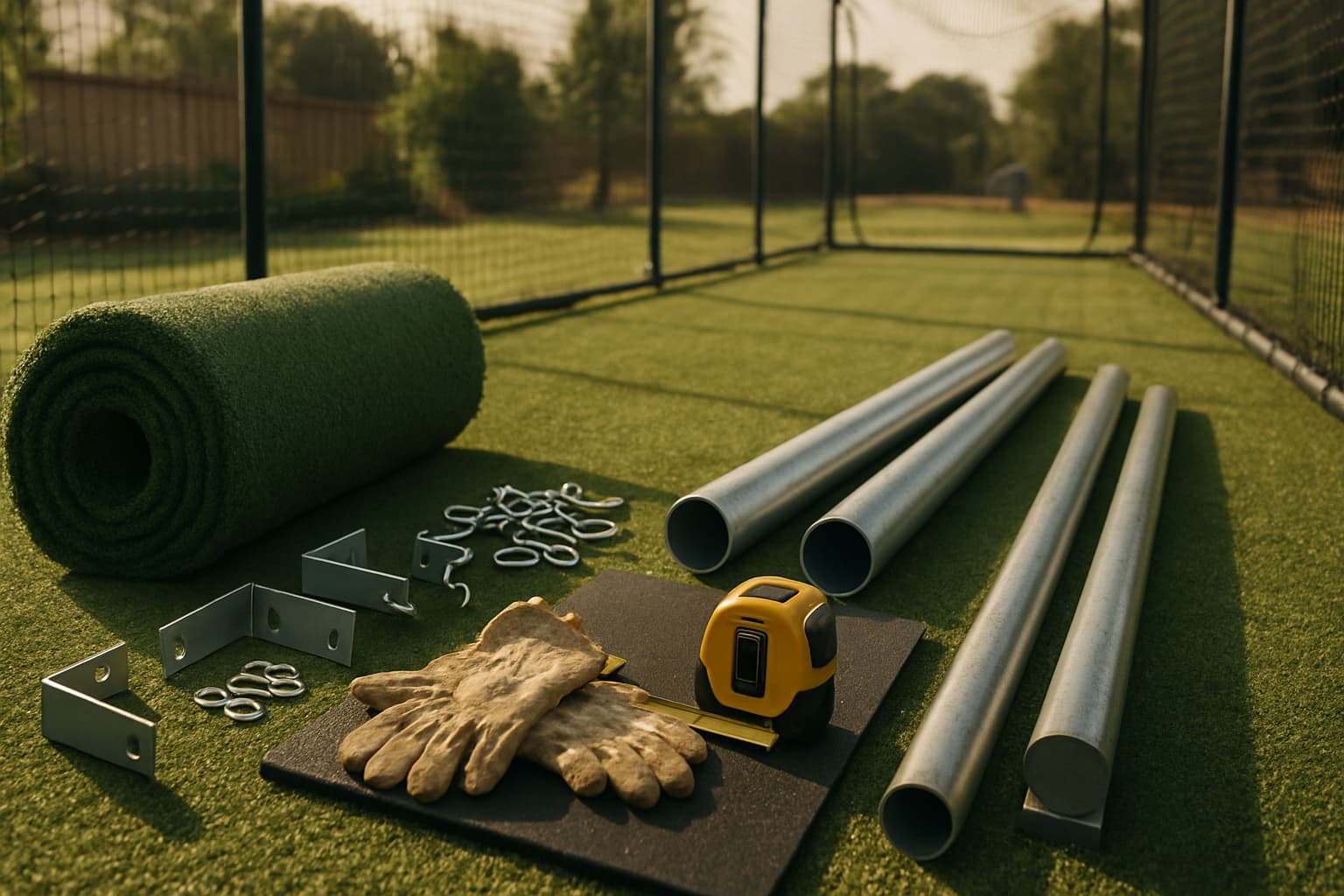
Cage flooring runs from "free but muddy" to "commercial facility." This guide compares every real option — grass, decomposed granite, crushed stone, rubber, turf grades, and concrete systems — on cost, drainage, maintenance, and how they actually play, so you can pick by budget instead of by whatever the kit vendor upsells.
The Options, Cheapest First
Existing grass ($0)
Fine for a starter cage and light use. The failure mode is traffic: the batter's box and feeder spot wear to dirt within weeks, then to mud with the first rain. A batter's-box turf mat ($100–$200) extends grass life considerably.
Decomposed granite or stone screenings ($500–$1,500)
A 3–4 inch compacted layer drains well, plays consistently, and costs little. It's the budget surface that doesn't embarrass anyone — the trade-offs are dust, occasional re-raking, and cleats caking in wet weather.
Rubber tiles or rolled rubber ($2–$6/sq ft)
Common in garage and basement conversions: joint-friendly, quiet, easy over an existing slab. Outdoors it can trap heat and doesn't feel like a field. Best indoors.
Artificial turf over compacted base ($3–$6/sq ft installed)
The default for serious outdoor builds — field-realistic hops and footing with good drainage. Turf grade matters: dense short-pile nylon at wear zones lasts; bargain landscape turf at the batter's box is a one-season purchase.
Concrete slab systems ($6–$15/sq ft with turf)
Perfectly flat, permanent, zero seasonal maintenance — and the most expensive path. Our turf vs. concrete head-to-head covers when the slab is worth it.
Pick by Budget
Under $500: grass plus a quality batter's-box mat and a feeder mat. $500–$2,000: compacted stone screenings throughout, mats at wear zones. $2,000–$8,000: turf over compacted base — the sweet spot for most backyard cages and the surface we'd spec by default. $8,000+: slab plus padded turf for a build-once-forever cage or an indoor conversion.
Two Mistakes That Waste Flooring Money
First: buying premium turf and skimping on base compaction — the base is the product; turf just wears its shape. Second: sizing the floor to the net instead of the layout. The machine position, entry path, and L-screen footprint all need surface too, which is why flooring decisions should follow the plan in our space guide and slot into the numbers from the full cost breakdown.
Feel the Difference First
Surfaces read the same on paper and completely differently underfoot. Book an hour in a private cage near you on a surface you're considering — the $30 experiment routinely redirects a $5,000 decision.
Seasonal Care by Surface
Whatever floor you choose, a twenty-minute seasonal routine roughly doubles its life. Grass: rotate the batter's box mat a few inches every month so wear spreads, and overseed the feeder spot each fall. Stone and granite: rake ruts flat quarterly and top up low spots at the plate area yearly — a half-ton of screenings costs little and restores the surface completely. Turf over base: brush the pile against its lean twice a season to keep it standing, check the batter's box for base settlement each spring, and lift any wrinkle the week it appears — wrinkles that winter over become permanent. Slabs: pressure-wash algae before it becomes a slip film, and inspect the turf glue lines at the edges annually. The pattern across all four: the batter's box is where every surface dies first, so put your maintenance minutes there.
Ready to lay down a floor? These are the surfaces we trust — see more on our turf and mats page, and get the full rundown in our batting cage surfaces guide.
Frequently Asked Questions
What's the best all-around cage floor?
Turf over a compacted stone base: field-realistic, well-drained, and mid-priced. It's the default answer for outdoor backyard cages.
Cheapest floor that stays usable in rain?
Compacted decomposed granite or stone screenings — it drains through and firms back up quickly.
What should I put in a garage cage?
Rolled rubber or padded turf over the slab. Both protect joints and the concrete, and turf plays truer for ground balls.
How long does cage turf last?
Quality short-pile turf runs 8–15 years outdoors, with the batter's box wearing first — buy an extra remnant for future patch-ins.
Get the numbers
Get your free batting cage cost estimate
Enter your email and we'll send you an itemized build breakdown — frame, netting, turf, lighting, and install — plus what a cage like yours could earn if you rent it out.
No spam, unsubscribe anytime. Prefer the interactive tool? Open the full cost calculator.
Already have a cage?
Rent it out when you're not hitting
Players, parents, and coaches near you are looking for cage time. Listing is free, you set your own price and hours, and you approve every booking.
Related Guides
View all articles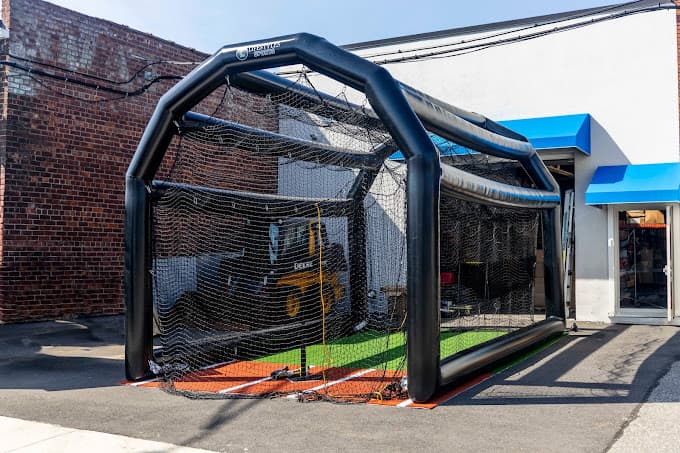
Build a Batting Cage
Inflatable Batting Cages: What They Cost, and Whether They Pay for Themselves
Inflatable batting cages run from $1,500 party units to $10,000 branded commercial builds, and only one manufacturer publishes a real price. What each tier costs, why $3,999 is not the price of a cage, and the booked hours it takes to pay one off.
Build a Batting Cage
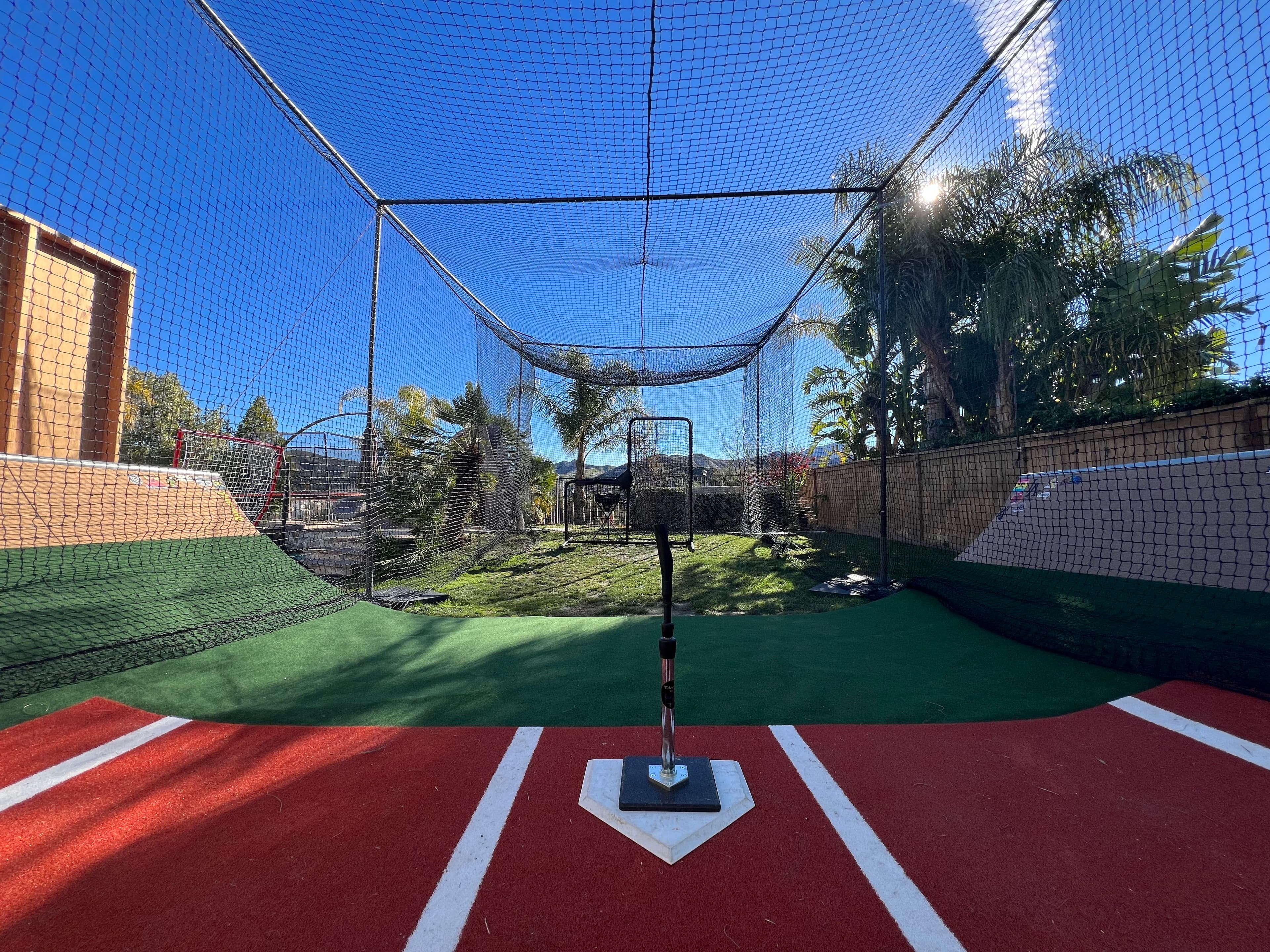
27 Types of Batting Cage: A Photo Field Guide to Every Backyard Setup in America
Barn conversions, driveway slivers, retractable tunnels, ranch cages and climate-controlled outbuildings. A photo field guide to 27 kinds of batting cage, built from 214 real bookable listings on CageList, with what each one costs and who it is for.
Build a Batting Cage
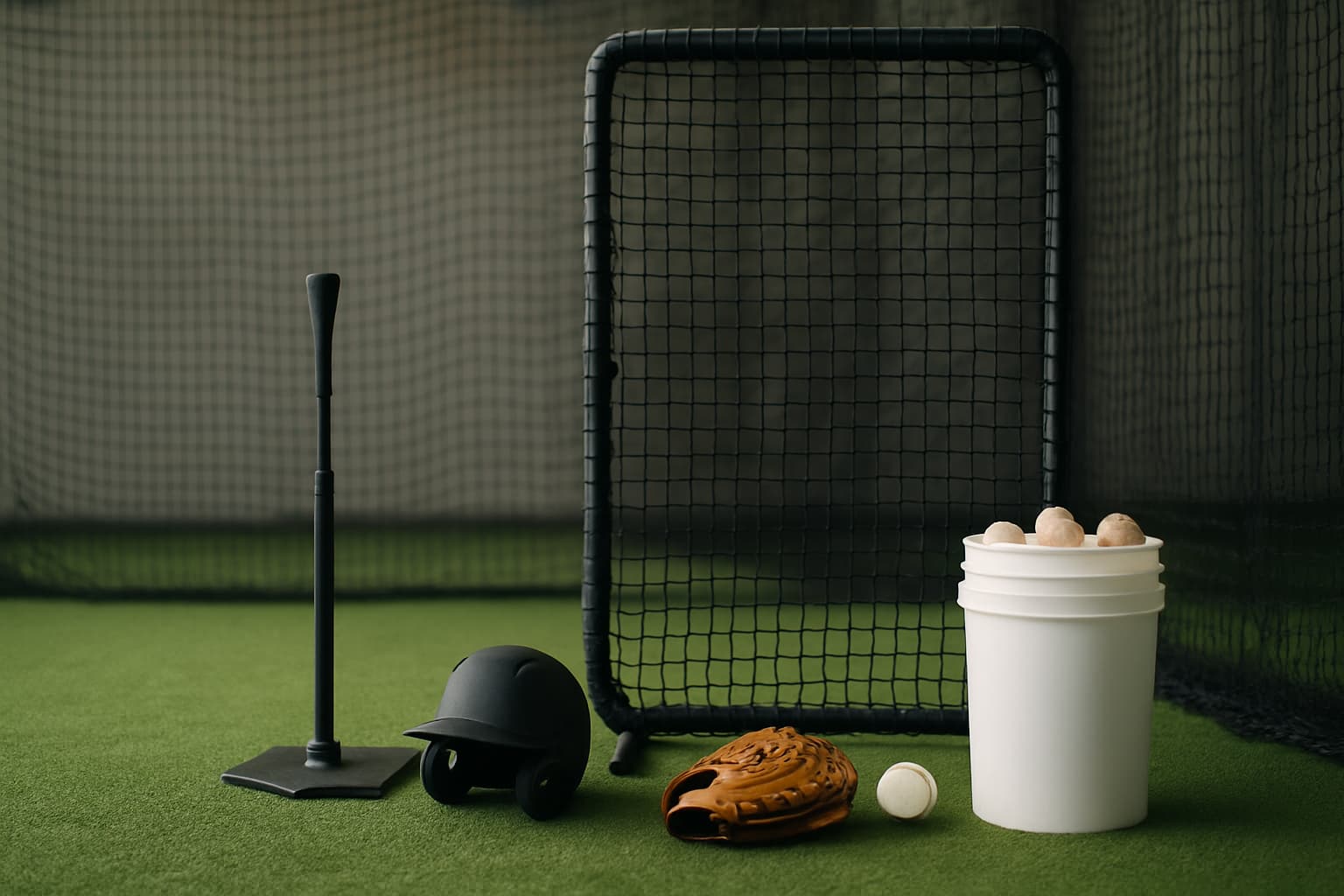
Backyard Batting Cage Kits, Compared: What You Really Get at Each Price (2026)
Every price tier of backyard batting cage, honestly compared — the companies, the netting grades, the realistic lifespan, and what a cage that survives real hitters (or paying renters) actually needs.
Run a travel team? Get your free page.
Baseball or softball. Claim a free directory page, post tryouts, and share cagelist.com/@yourteam with families.
Find your league
Free directories of real leagues and clubs near you — then book a batting cage to get your reps in before opening day.
1,000 organizations

Join the backyard batting cage community
Talk builds, gear, hosting and player development with cage owners, coaches, parents and baseball families.