Ask five companies what a backyard batting cage costs and you'll get five sales pitches. Here's the honest version: a serviceable DIY cage starts around $1,500–$3,000, a quality mid-range build lands between $5,000 and $15,000, and premium turnkey installations run $15,000–$40,000+. What moves the number is almost entirely four components — netting, frame, surface, and machine — so let's price each one.
The Four Big Line Items
Netting: $200–$1,200
A 55-foot #36-gauge nylon or poly net runs roughly $300–$600; a 70-foot #42 or #60 heavy-duty net can push past $1,000. Twine gauge is the durability lever — thin #21 netting is fine for tee-ball and soft toss but wears fast against real exit velocity. UV-treated netting matters outdoors; untreated net in Sun Belt exposure can lose half its life.
Frame: $400–$4,000
Options range from fiberglass-pole kits with tension cables ($400–$1,200) through galvanized steel pipe frames ($1,500–$4,000 installed). Steel wins on lifespan and net tension; fiberglass wins on price and forgiving ball contact. Wood posts are the budget play but need serious footings and still sag over time.
Surface: $0–$8,000
Hitting off existing grass costs nothing but turns to mud in a wet spring. Decomposed granite or crushed stone with a batter's-box mat runs $500–$1,500. The premium answer — compacted base or concrete with artificial turf — costs $3,000–$8,000 for a full cage footprint but transforms drainage, footing, and year-round usability. We compare the options head-to-head in our turf vs. concrete guide.
Pitching machine: $300–$3,500
A basic single-wheel machine starts around $300–$700; two- and three-wheel machines that throw breaking balls run $1,500–$3,500. Plenty of families skip the machine at first and add it season two — the cage is useful from day one with a tee and front toss.
The Costs Nobody Quotes You
Budget a cushion for the unglamorous items: site leveling and drainage ($300–$2,000 depending on your yard), concrete footings for steel frames ($150–$300 per post installed), an L-screen ($150–$400), balls and a tee ($150+), and lighting if you want evening sessions ($300–$2,000). Some municipalities require a permit for permanent structures over a certain height — a $50 phone call to your city beats a $500 surprise. Our guide to how much space a cage actually needs covers the layout questions that drive site-prep cost.
Three Realistic Budgets
Starter ($1,500–$3,000): 35–55 ft fiberglass kit, #36 net, grass or gravel surface, tee and L-screen. Perfectly good for youth players and soft toss.
Serious ($5,000–$15,000): 55–70 ft steel frame, #42 UV-treated net, turf over compacted base, single- or two-wheel machine, basic lighting. This is the setup that lasts a decade and handles high-school exit velocity.
Premium ($15,000–$40,000+): 70 ft engineered structure, #60 netting, professional turf install, three-wheel programmable machine, full lighting — commercial quality at home.
The Offset Most Builders Miss
A well-built backyard cage is rentable inventory. Hosts on CageList list their cages by the hour and let local players book the time their own family doesn't use — many mid-range builds cover their cost within a couple of seasons. See how the marketplace works, and browse cages near you to see what setups in your area charge before you finalize your build spec — it's free market research. And for the step-by-step build path itself — planning, materials, assembly — start with our DIY build guide.
Frequently Asked Questions
What's the cheapest way to get a real batting cage?
A 35–55 ft fiberglass-and-cable kit with #36 netting over your existing lawn: roughly $1,500–$2,500 with a tee and L-screen included.
What adds the most value per dollar?
The surface. Turf over a compacted base turns a fair-weather cage into an all-year cage — it typically outranks a machine upgrade in real usage gained.
Do I need a permit?
Sometimes, especially for permanent frames with footings or structures above fence height. Call your city's permitting office before you order steel.
Can the cage pay for itself?
Many do. Hourly rentals in active baseball markets run $25–$55, and hosting on CageList during idle hours is how a growing number of owners fund the build.
Get the numbers
Get your free batting cage cost estimate
Enter your email and we'll send you an itemized build breakdown — frame, netting, turf, lighting, and install — plus what a cage like yours could earn if you rent it out.
No spam, unsubscribe anytime. Prefer the interactive tool? Open the full cost calculator.
Already have a cage?
Rent it out when you're not hitting
Players, parents, and coaches near you are looking for cage time. Listing is free, you set your own price and hours, and you approve every booking.
Related Guides
View all articles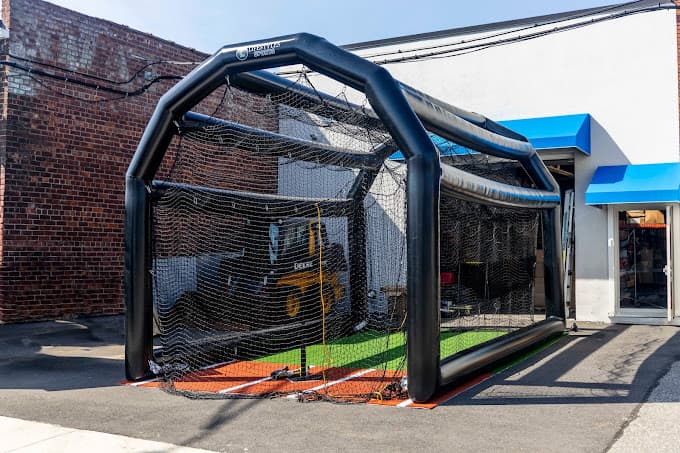
Build a Batting Cage
Inflatable Batting Cages: What They Cost, and Whether They Pay for Themselves
Inflatable batting cages run from $1,500 party units to $10,000 branded commercial builds, and only one manufacturer publishes a real price. What each tier costs, why $3,999 is not the price of a cage, and the booked hours it takes to pay one off.
Build a Batting Cage
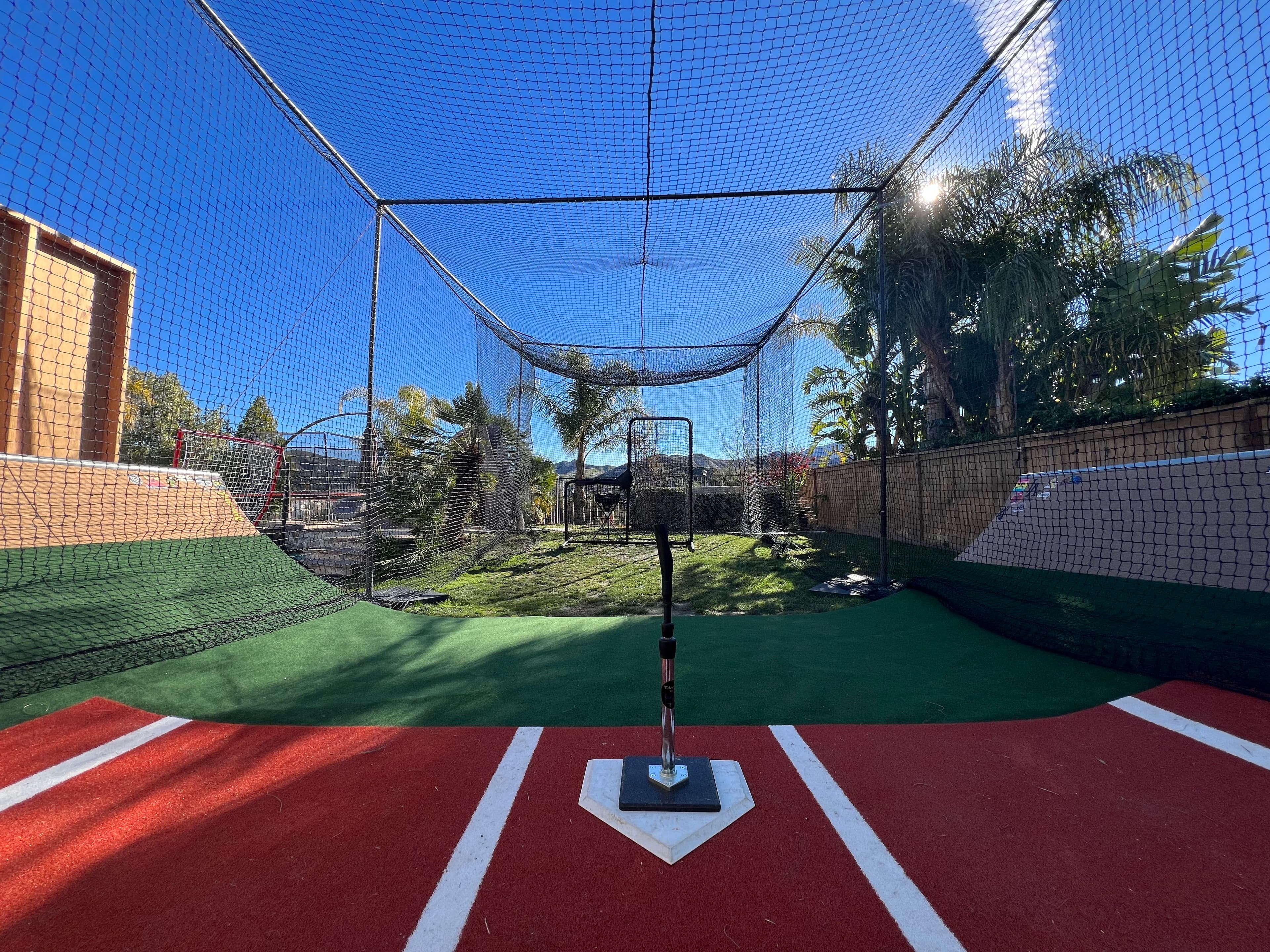
27 Types of Batting Cage: A Photo Field Guide to Every Backyard Setup in America
Barn conversions, driveway slivers, retractable tunnels, ranch cages and climate-controlled outbuildings. A photo field guide to 27 kinds of batting cage, built from 214 real bookable listings on CageList, with what each one costs and who it is for.
Build a Batting Cage
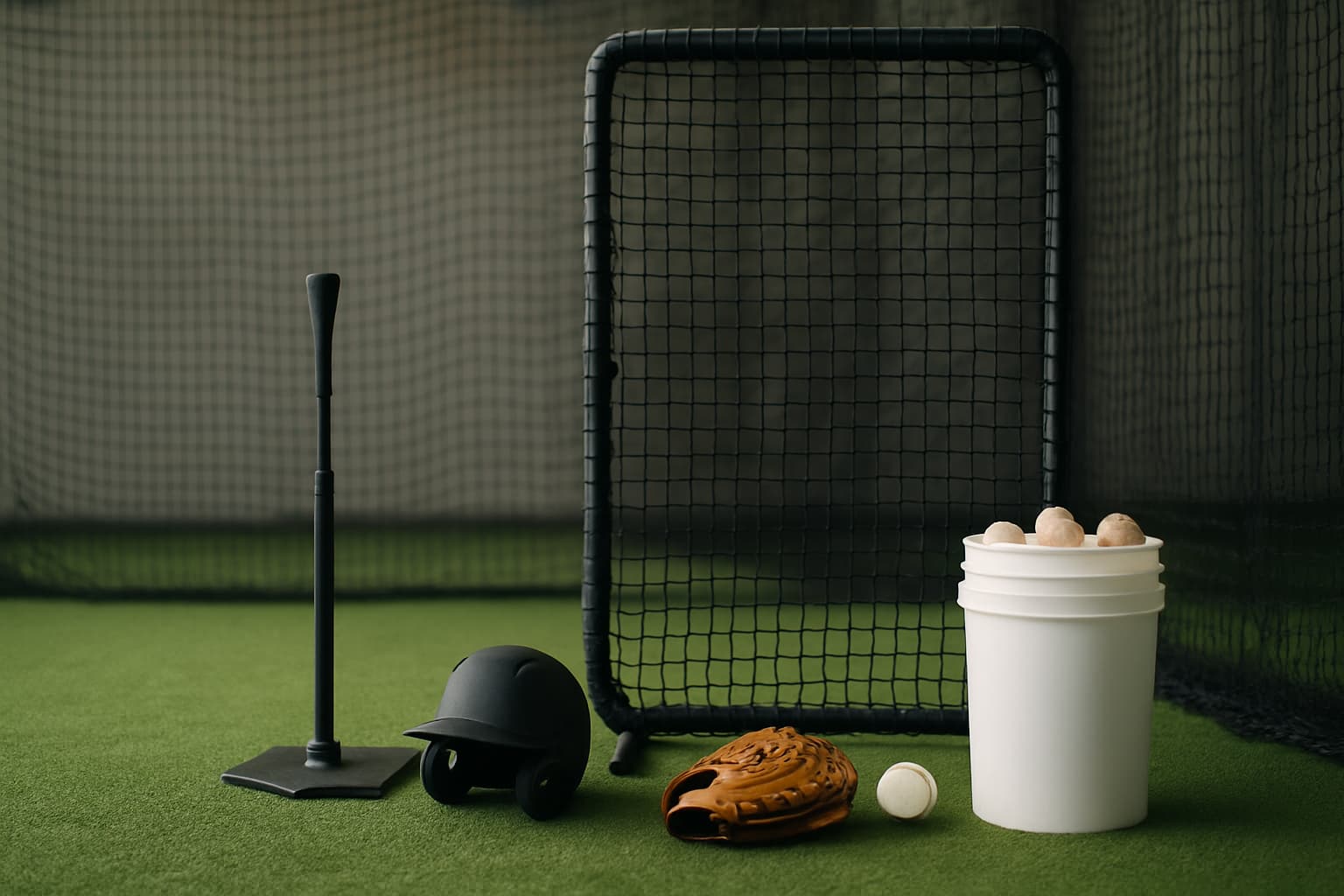
Backyard Batting Cage Kits, Compared: What You Really Get at Each Price (2026)
Every price tier of backyard batting cage, honestly compared — the companies, the netting grades, the realistic lifespan, and what a cage that survives real hitters (or paying renters) actually needs.
Run a travel team? Get your free page.
Baseball or softball. Claim a free directory page, post tryouts, and share cagelist.com/@yourteam with families.
Find your league
Free directories of real leagues and clubs near you — then book a batting cage to get your reps in before opening day.
1,000 organizations

Join the backyard batting cage community
Talk builds, gear, hosting and player development with cage owners, coaches, parents and baseball families.