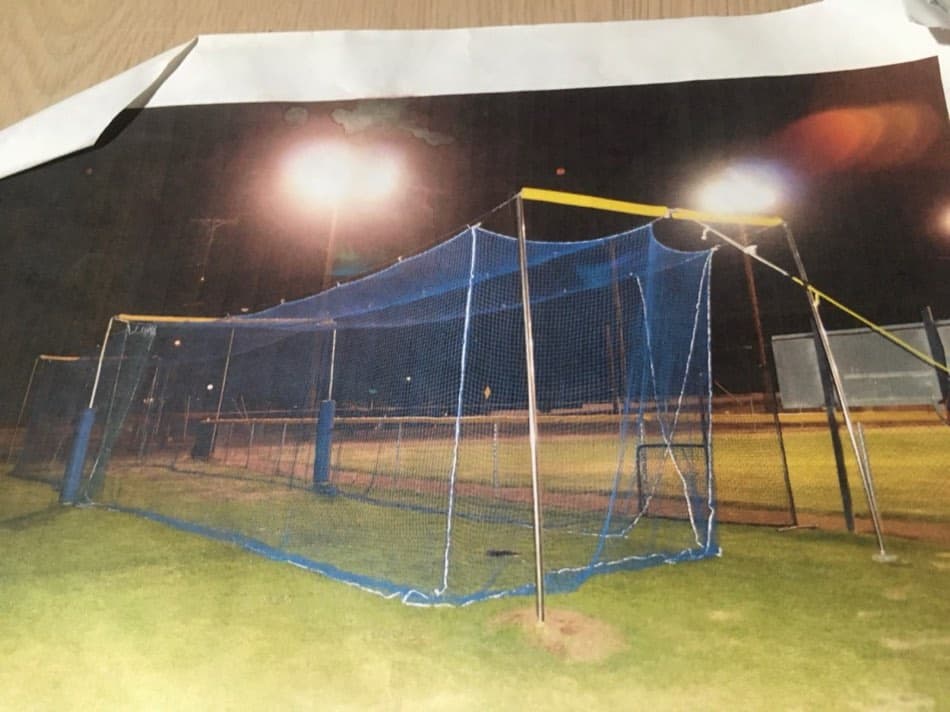
Here is the thing almost no netting seller will tell you: the right net for a backyard in Arizona is not the right net for a backyard in Florida, or Ohio. Climate is the single biggest factor in how long your netting lasts, and it is the question that goes unanswered in every "which net should I buy?" thread. This guide answers it.
Product and vendor mentions here are recommendations, not official partnerships. We tell you what holds up and why.
First, the one rule that is true everywhere
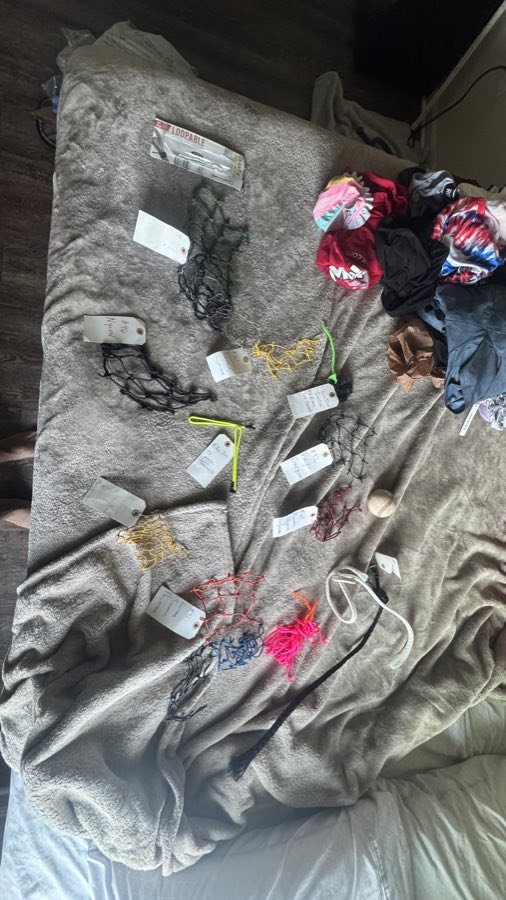
Before climate, get the fundamentals right — they matter in every region:
- Material: UV-treated American polyester, not the cheap "poly" (polyethylene) that bakes and fails. Polyester can be re-treated; polyethylene cannot.
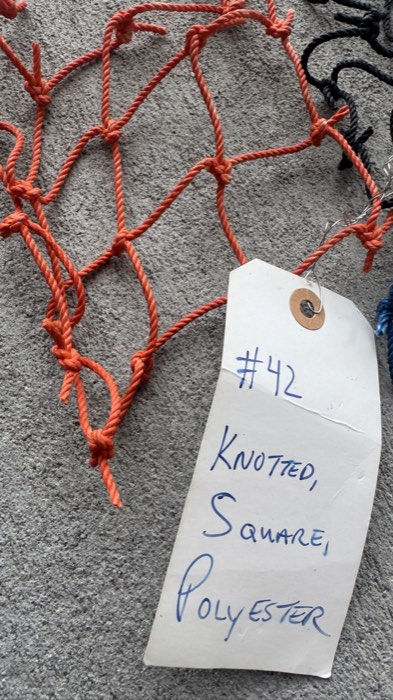
- Construction: always square, knotted. Diamond and knotless is fishing net.
- Grade: #42 for a real backyard cage; #60 or #96 for heavy machine and wood-bat use.
Get those wrong and no climate strategy saves you. Get them right and the climate call below fine-tunes it. More on the material story in our colored netting guide.
Southwestern sun (west of the Mississippi)
Texas, New Mexico, Arizona, and the California deserts get the harshest UV in the country — far tougher on netting than humid regions. This is where cheap black polyethylene literally melts and where cages die in a single season.
- Insist on polyester treated specifically for Southwestern sun, ideally double-dipped for UV.
- Black is not a UV strategy — it is only for seeing the ball, and cheap black bakes fastest. A treated color net lasts just as long and looks better.
- Netting made and treated for this environment comes out of the Southwest for a reason. Ask whether the net is UV-treated for desert sun before you buy.
The humid South (Florida, Gulf Coast)
Full sun plus humidity is its own beast — it is the combination, not just heat, that chews through cheap netting.
- Same answer, different sourcing: UV-treated polyester, square-knotted. Skip the diamond fishing mesh, which is exactly what humidity-region sellers tend to push because it is cheap.
- For buyers east of the Mississippi, you can often get quality netting faster and with cheaper shipping from an East-coast operation than from the desert.
- Keep the net from sitting wet against hardware; that is where humidity plus abrasion opens holes.
The cold North (Ohio, Midwest, Northeast)
Up north, UV is less of a threat and snow is more of one. The failure mode changes.
- Sun still degrades netting, so quality polyester is still the play — but the bigger questions are snow load and season. A net left up under heavy snow can stretch, sag, or tear.
- Plan for a covered or take-down cage: a roof over the top, removable winter sides, and the ability to drop tension or retract the net in the off-season. A retractable cage (triple overhead cables) makes this easy.
- Never shrink-wrap or seal a net for winter; trapped moisture and ice do more damage than the cold.
Indoors (garage, barn, pole building)
No UV means the material rules relax a little — nylon is a legitimate indoor option and reads strong. That said, polyester still works indoors and is the safer all-round buy if you might ever move the cage outside. Either way: square, knotted, sized with a little slack so balls die in the net.
Quick reference
- Southwest / desert — biggest threat is brutal UV. The move: polyester treated for Southwestern sun, double-dip UV.
- Humid South — biggest threat is sun plus moisture. The move: UV-treated polyester, East-coast sourcing for faster shipping.
- Cold North — biggest threat is snow load and season. The move: quality polyester plus a covered or retractable cage and winter take-down.
- Indoor — the threat is abrasion, not sun. The move: nylon or polyester, square-knotted.
Where this fits
Choosing net is one piece — the full build guide covers frame, turf, and sizing, and if you are shopping a cage or a quote, run through the questions to ask before you build so a seller cannot hand you the wrong net for your climate.
Built it right? Rent it out on CageList and let it pay for itself. New here? Start with the whole picture.
FAQ
What netting lasts longest in Arizona or desert sun?
UV-treated, square-knotted polyester — ideally double-dipped and treated specifically for Southwestern sun. Cheap black polyethylene melts fastest in the desert, and color makes no difference to lifespan on a treated polyester net.
What is the best batting cage netting for Florida humidity?
UV-treated polyester, square-knotted, not diamond fishing mesh. East-coast buyers can often source it faster and cheaper than shipping from the desert.
How do I protect a batting cage net through a cold winter?
Use a covered or retractable cage so you can drop tension or take the net down under snow. Do not shrink-wrap it — trapped moisture and ice cause more damage than the cold.
Is nylon or polyester better for a batting cage net?
Polyester is the treatable all-round standard, indoors or out. Nylon is a fine indoor option but usually needs added UV treatment to survive outdoors, which many nylon nets skip.
Get the numbers
Get your free batting cage cost estimate
Enter your email and we'll send you an itemized build breakdown — frame, netting, turf, lighting, and install — plus what a cage like yours could earn if you rent it out.
No spam, unsubscribe anytime. Prefer the interactive tool? Open the full cost calculator.
Already have a cage?
Rent it out when you're not hitting
Players, parents, and coaches near you are looking for cage time. Listing is free, you set your own price and hours, and you approve every booking.
Related Guides
View all articles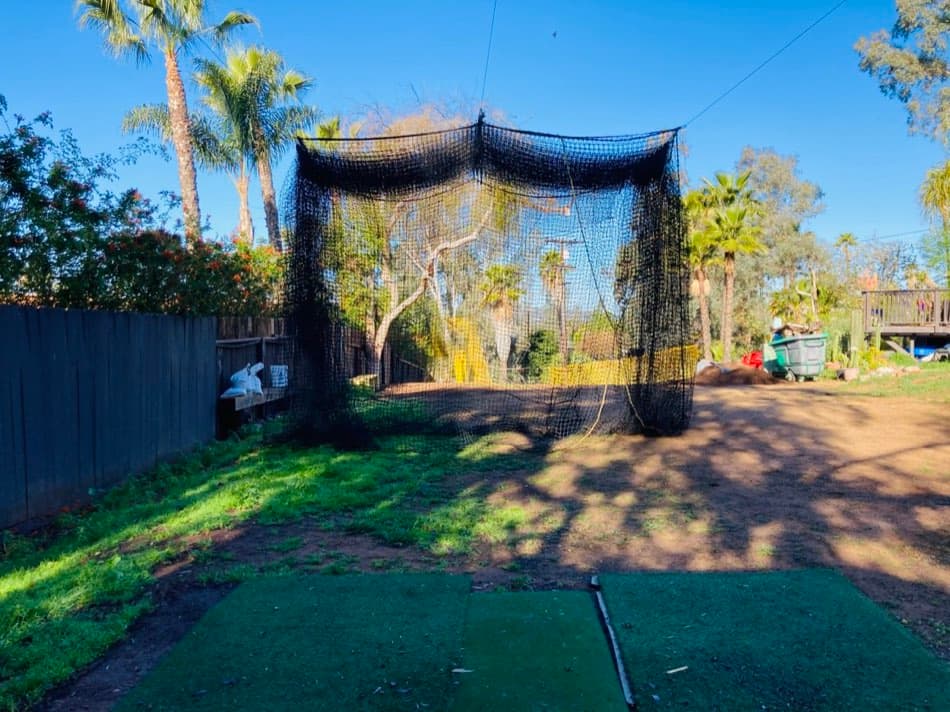
Build a Batting Cage
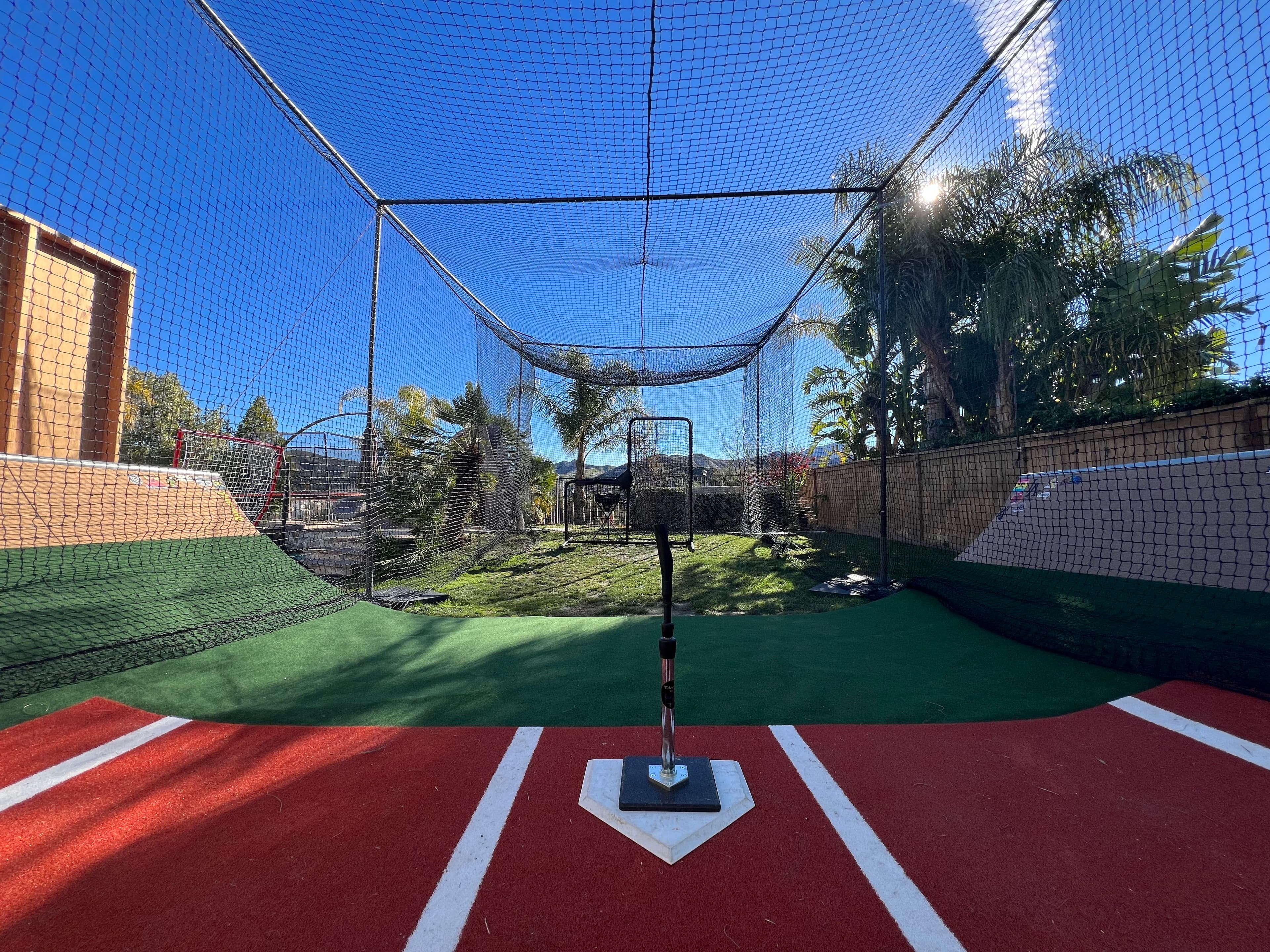
The Questions to Ask Before You Build a Batting Cage
The real questions to ask before you build or buy a batting cage — steel, netting material and grade, sag, and how long the net will actually last. Field-tested answers from a pro installer.
Build a Batting Cage
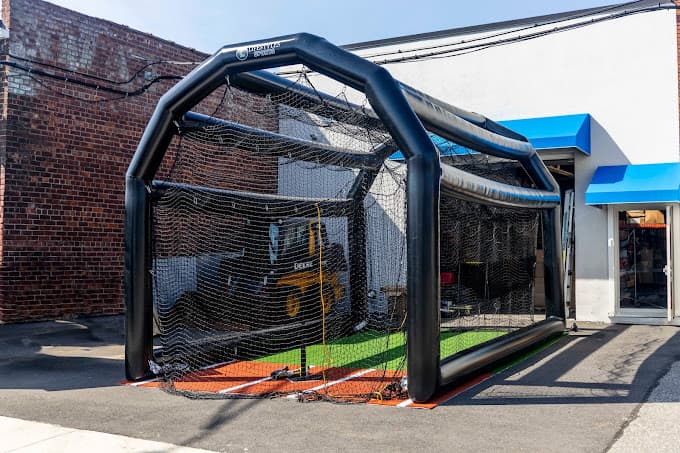
Inflatable Batting Cages: What They Cost, and Whether They Pay for Themselves
Inflatable batting cages run from $1,500 party units to $10,000 branded commercial builds, and only one manufacturer publishes a real price. What each tier costs, why $3,999 is not the price of a cage, and the booked hours it takes to pay one off.
Build a Batting Cage
27 Types of Batting Cage: A Photo Field Guide to Every Backyard Setup in America
Barn conversions, driveway slivers, retractable tunnels, ranch cages and climate-controlled outbuildings. A photo field guide to 27 kinds of batting cage, built from 214 real bookable listings on CageList, with what each one costs and who it is for.
Run a travel team? Get your free page.
Baseball or softball. Claim a free directory page, post tryouts, and share cagelist.com/@yourteam with families.
Find your league
Free directories of real leagues and clubs near you — then book a batting cage to get your reps in before opening day.
1,000 organizations
Join the backyard batting cage community
Talk builds, gear, hosting and player development with cage owners, coaches, parents and baseball families.