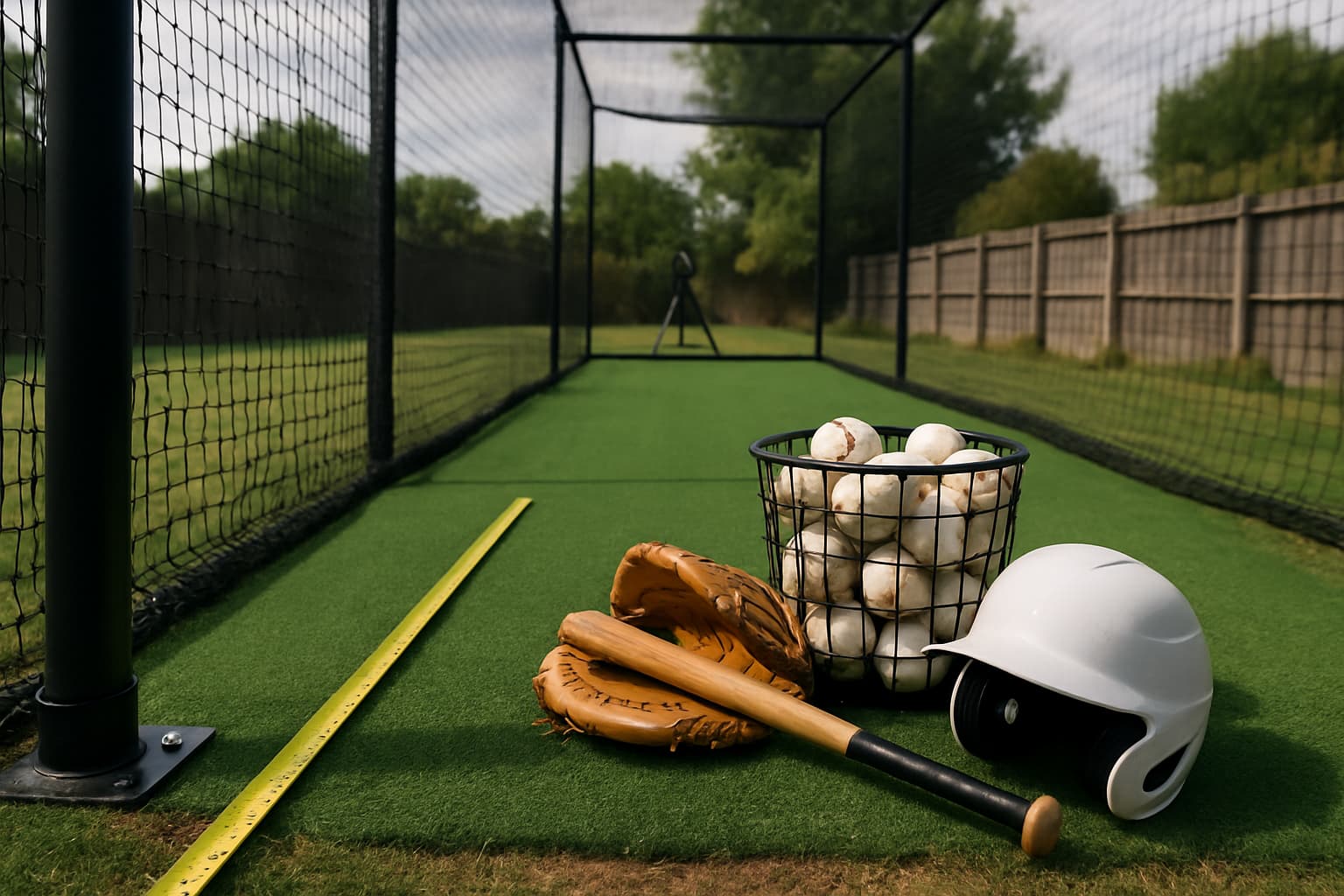
Every regretted batting cage build skipped its homework. The netting was fine, the frame was fine — the yard was wrong, the code office objected, or the budget doubled at the halfway mark. Before you order anything, do these six things. They cost almost nothing and they're the difference between a build and a do-over.
1. Measure the Yard Like You Mean It
Not "about sixty feet" — chalk the actual footprint including clearances on the grass and walk it. Check overhead for limbs and lines, check the ground for slope, and check the path a delivery pallet will take to get there. Our space guide has the dimension tables; the homework is applying them to your dirt, not a diagram.
2. Call 811 Before Any Post Hole
The free utility-marking call is legally required in most states before digging, and gas or fiber lines run through more backyards than people think. Two days of lead time, zero dollars, and it removes the single worst possible build outcome.
3. Ask the Code Office the Awkward Question
Permanent structures, height limits, setbacks from property lines, and HOA rules all vary wildly by municipality. One phone call — "I'm planning a batting cage of roughly these dimensions, what applies?" — beats discovering the answer via a neighbor's complaint after the concrete cures. Get the answer in writing if a permit is involved.
4. Solve Water Before It's Load-Bearing
Walk the site during or right after hard rain. Standing water where the cage will sit means base problems, post problems, and mud problems forever after — and drainage is dramatically cheaper to fix before there's a structure on top of it. The surface decision itself (turf vs. concrete) hinges on what the water does.
5. Price the Whole Build, Not the Kit
The netting-and-frame price is the headline, not the total. Surface, site prep, screens, balls, lighting, and delivery routinely add 50–100% to a first-timer's estimate. Run your numbers against our full cost breakdown before committing — a build you can only afford halfway is worse than a smaller build finished properly.
6. Hit in Cages Before You Copy One
The cheapest research in this whole project: book an hour in two or three private cages near you and pay attention to what you like — cage length, net feel, surface underfoot, machine position, lighting. CageList rentals put real examples of every build style within a short drive, and an afternoon of "test drives" has redirected more build specs than any guide. While you're there, ask the host what they'd do differently; owners are generous with hindsight.
Then Build It — Once
Homework done, the build itself has its own trap list — base compaction, footing depth, net tensioning — which we cover in the build-pitfalls guide, and our DIY build guide collects the entire journey in one place. And when it's finished, remember the yard you prepped is now an asset: hosting it by the hour is how many owners recoup the build.
Frequently Asked Questions
What's the one thing people most regret skipping?
The code/HOA call. Every other mistake is fixable with money; a structure that has to come down is a total loss.
How long does pre-build homework take?
One weekend plus 811's two-day lead time. Measuring, two phone calls, a rain-day site check, and a couple of cage rentals.
Do I need a survey of my property line?
If the cage sits near a boundary and setbacks apply, knowing the real line matters. Pin markers or a cheap survey beat guessing by the fence.
Is winter a good time to plan a build?
The best — permits and site prep in winter, build in early spring, and the cage is live for the full season.
Get the numbers
Get your free batting cage cost estimate
Enter your email and we'll send you an itemized build breakdown — frame, netting, turf, lighting, and install — plus what a cage like yours could earn if you rent it out.
No spam, unsubscribe anytime. Prefer the interactive tool? Open the full cost calculator.
Already have a cage?
Rent it out when you're not hitting
Players, parents, and coaches near you are looking for cage time. Listing is free, you set your own price and hours, and you approve every booking.
Related Guides
View all articles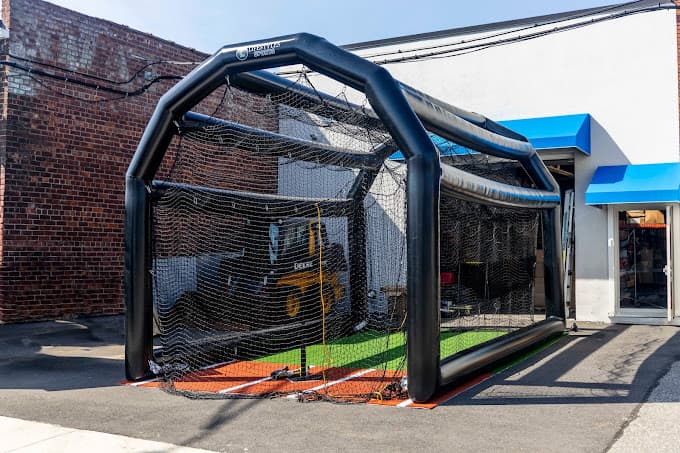
Build a Batting Cage
Inflatable Batting Cages: What They Cost, and Whether They Pay for Themselves
Inflatable batting cages run from $1,500 party units to $10,000 branded commercial builds, and only one manufacturer publishes a real price. What each tier costs, why $3,999 is not the price of a cage, and the booked hours it takes to pay one off.
Build a Batting Cage
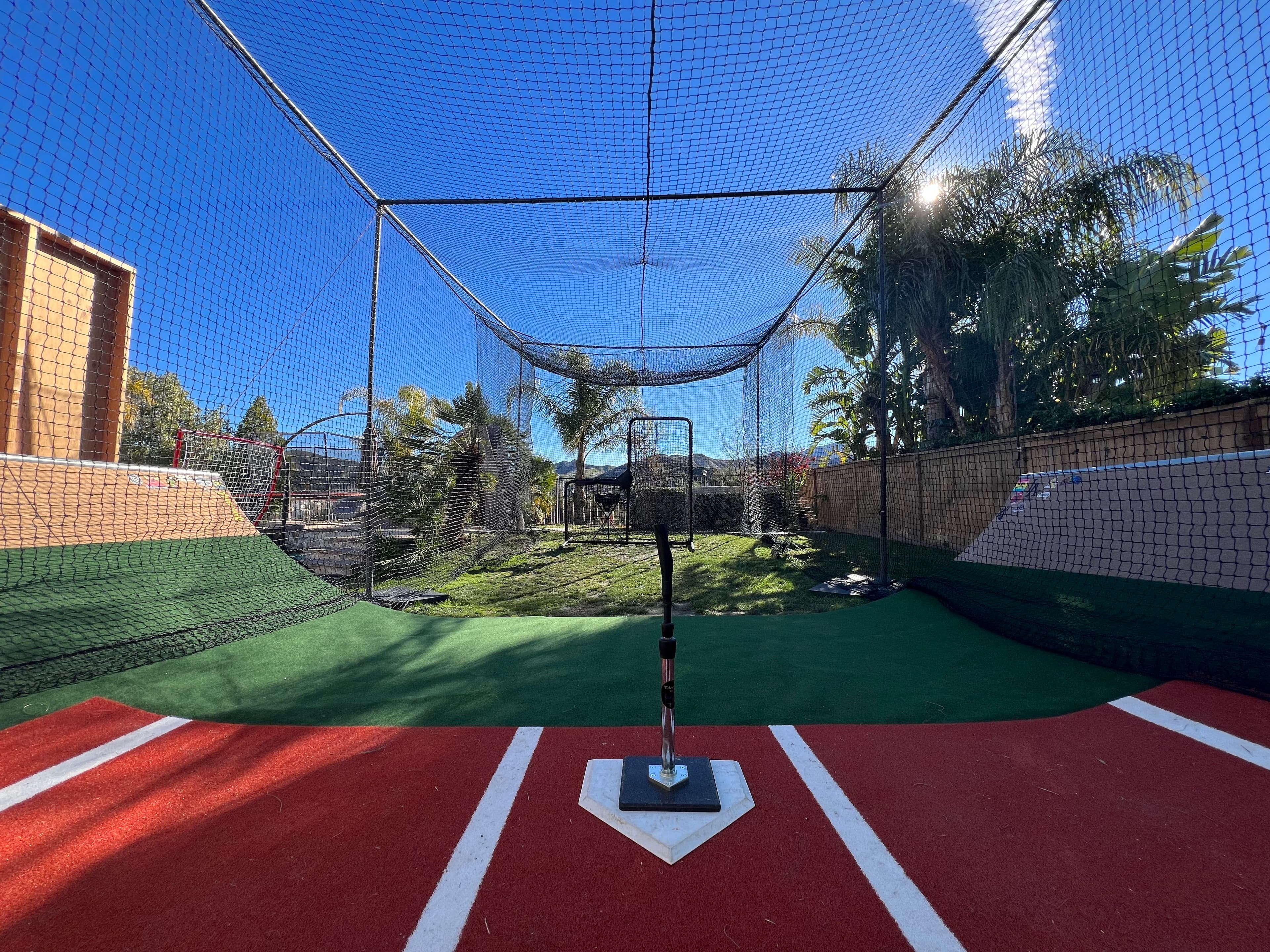
27 Types of Batting Cage: A Photo Field Guide to Every Backyard Setup in America
Barn conversions, driveway slivers, retractable tunnels, ranch cages and climate-controlled outbuildings. A photo field guide to 27 kinds of batting cage, built from 214 real bookable listings on CageList, with what each one costs and who it is for.

Build a Batting Cage
Backyard Batting Cage Kits, Compared: What You Really Get at Each Price (2026)
Every price tier of backyard batting cage, honestly compared — the companies, the netting grades, the realistic lifespan, and what a cage that survives real hitters (or paying renters) actually needs.
Run a travel team? Get your free page.
Baseball or softball. Claim a free directory page, post tryouts, and share cagelist.com/@yourteam with families.
Find your league
Free directories of real leagues and clubs near you — then book a batting cage to get your reps in before opening day.
1,000 organizations


Join the backyard batting cage community
Talk builds, gear, hosting and player development with cage owners, coaches, parents and baseball families.