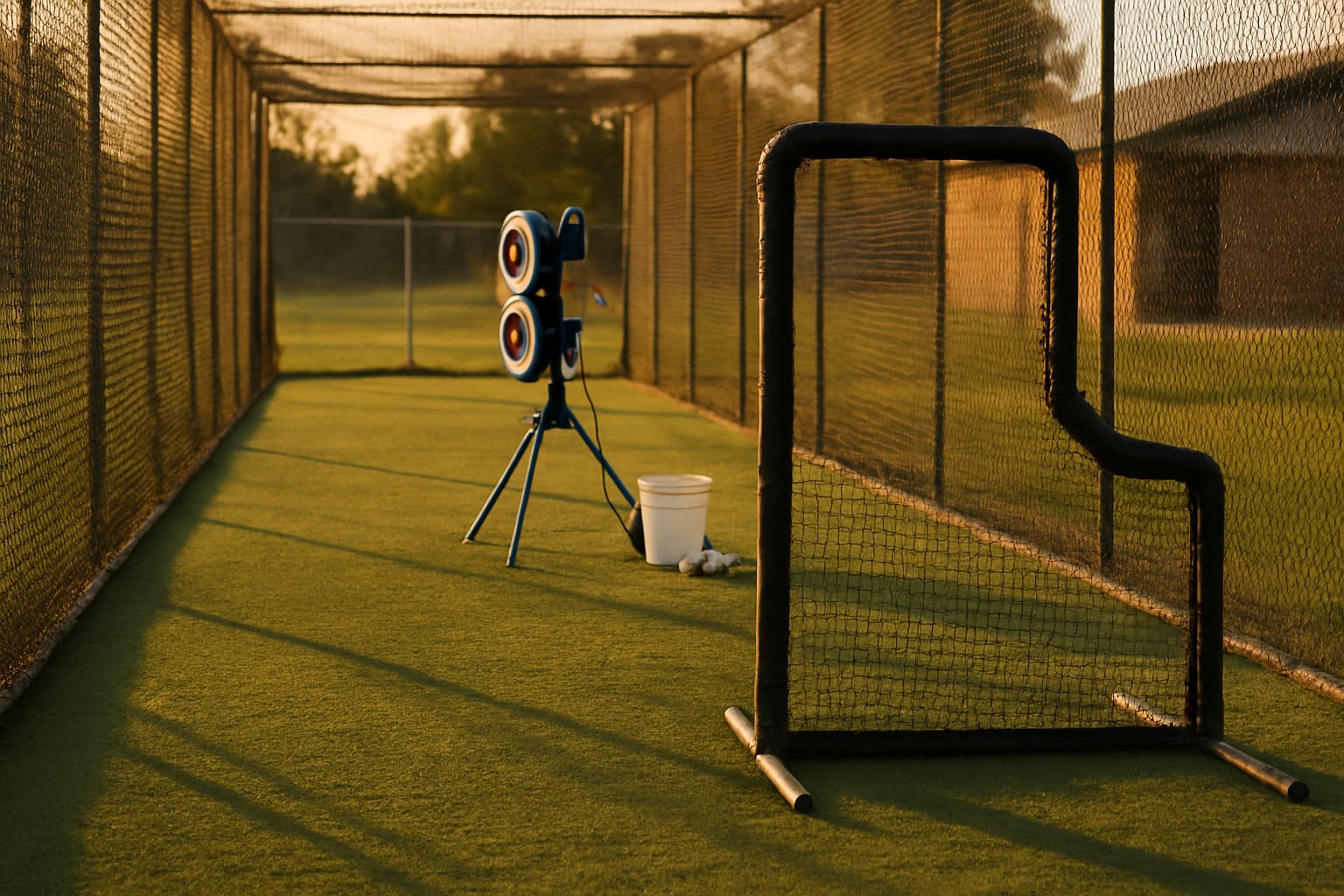
Once you've decided to add a pitching machine to your cage, the first real fork in the road is the mechanism: wheeled or arm-style. They throw differently, cost differently, and suit different goals. Here's how to pick.
How Each Type Works
Wheeled machines shoot the ball between one, two, or three spinning wheels. Arm-style machines use a mechanical arm that swings and releases the ball, mimicking a pitcher's delivery.
Wheeled Machines: Speed and Variety
Wheeled machines are the most versatile. Single-wheel models are affordable and great for fastballs and fungo; two- and three-wheel models can throw high velocity plus breaking balls (curve, slider, sink) by varying wheel speeds.
- Pros: high top-end velocity, breaking pitches, lighter and often more affordable, great for serious training.
- Cons: ball must be fed in time with the wheels (less natural timing read), and real leather balls wear faster against the wheels.
Arm-Style Machines: Timing and Realism
Arm machines give hitters a visual "windup" to time against, which many coaches love for developing real pitch timing.
- Pros: natural timing cue, gentle on leather balls, very consistent location.
- Cons: heavier, usually maxes out at lower velocity than top wheeled units, and typically throws fastballs only.
Don't Forget the Balls
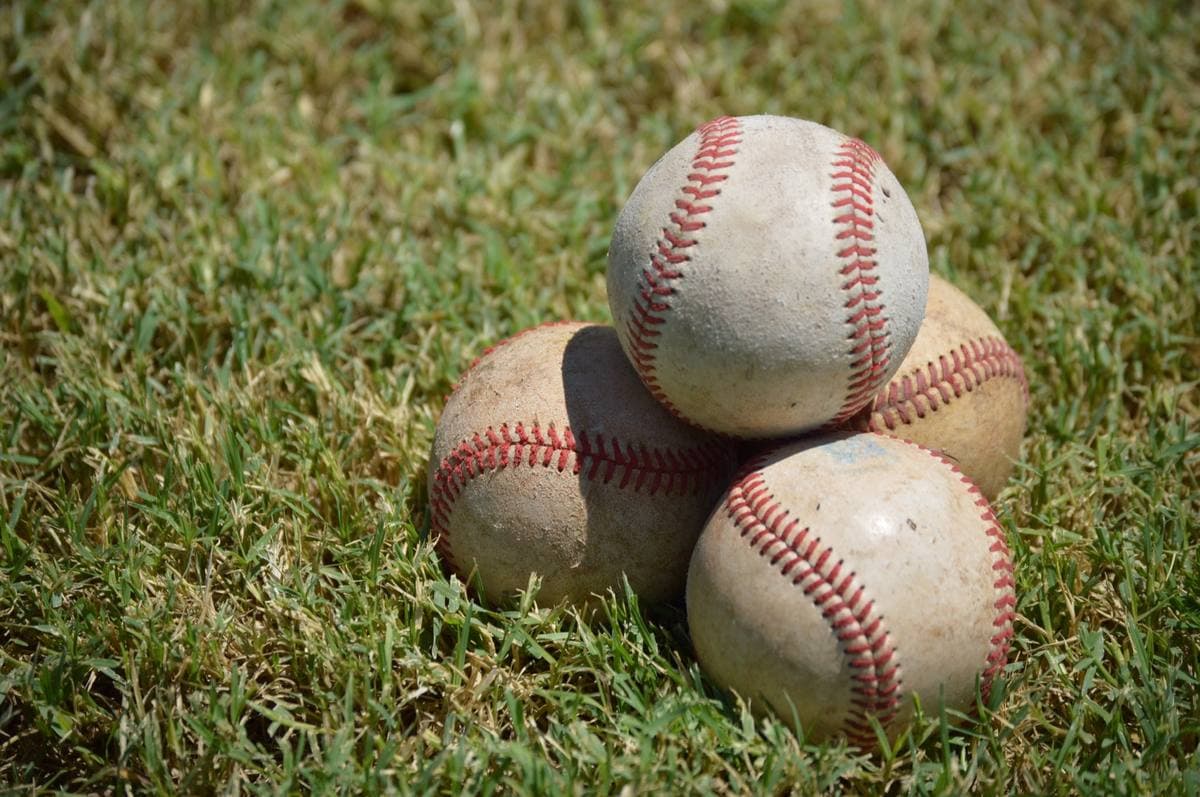
Match your machine to the right balls. Many wheeled machines run best with dimpled machine balls; arm machines handle real leather well. Using the wrong ball wears the machine and ruins consistency — see our guide to pitching machine balls.
The Bottom Line
For realistic timing and ball-friendliness, go arm-style. For velocity, breaking pitches, and training range, go wheeled. Either way, buy from a brand with available parts and good support — a machine is only as good as its maintainability. Compare pitching machines in the CageList directory →
Keep exploring on CageList
- Compare batting cage quality tiers
- Learn how to hit off a pitching machine
- Try batting cage drills
- Find a cage to test your setup
How to choose equipment that actually helps hitters
Good batting cage equipment should make reps safer, more repeatable, and easier to organize. The trap is buying the flashiest item before solving the basics: a safe hitting lane, dependable balls, protective screens, a tee, enough space, and a setup that matches baseball or softball distances. Equipment should support the hitter’s practice plan, not distract from it.
For families, durability and ease of setup matter. For teams and facilities, consistency matters more: gear needs to survive frequent use, move quickly between groups, and reduce downtime. For CageList hosts, equipment also affects guest confidence. If a listing clearly explains what is included, players can show up prepared and book the right session length.
CageList equipment lens
Before buying, ask whether the item improves swing volume, safety, feedback, or convenience. If it does not clearly improve one of those, it may be a nice-to-have rather than a priority. The best equipment choices also photograph well and make a listing easier to understand.
FAQ
Should beginners buy advanced training gear?
Usually not first. Beginners benefit most from a tee, safe balls, a clear routine, and enough cage time to repeat good movements.
How do I know if equipment is worth it?
Rent or visit cages with similar equipment when possible, then buy the items that actually change the quality of practice.
Find a CageList cage where you can test equipment and get more reps.
Before you buy
If possible, try similar equipment in a real cage before purchasing. A product that sounds useful online may feel unnecessary once the hitter gets moving, while a simple item like a better tee, safer screen, or more durable ball can improve every session. CageList helps players see what good setups include before they spend.
Build a better cage setup with the right equipment
Compare cage upgrades with practical advice for nets, turf, pitching machines, balls, and safety gear.
Related Guides
View all articles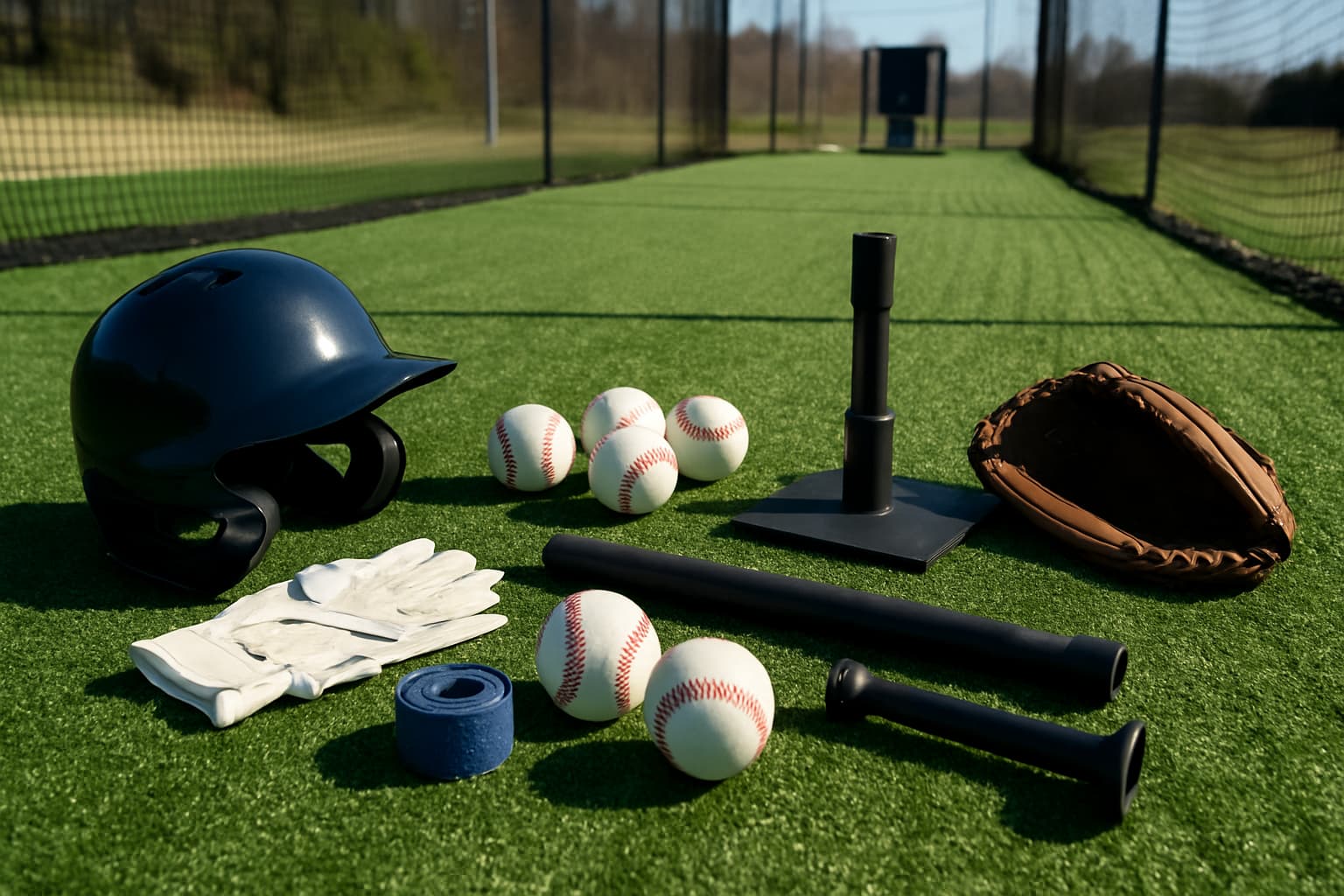
Batting Cage Equipment
SKLZ Pitching Machine Review: Worth It at $80?
The SKLZ Pitching Machine is one of the cheapest real auto-feed machines on the market. Here is an honest look at what $80 gets you, the rest of the SKLZ lineup, and how it compares to Heater Sports Crusher and Personal Pitcher Pro.
Batting Cage Equipment
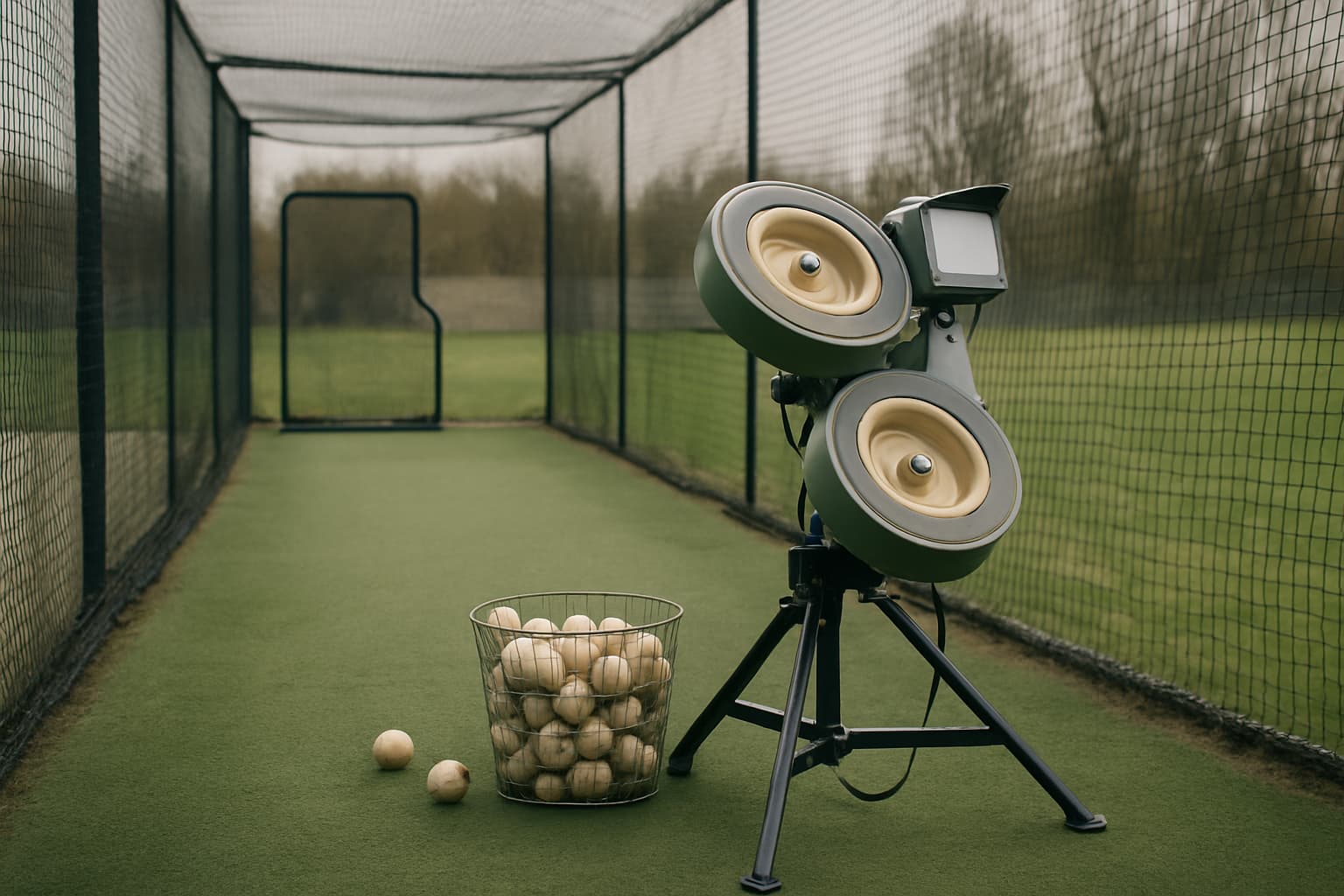
Heater Sports Pro Pitching Machine Review: The Best First Machine?
The Heater Sports Pro is one of the most common first pitching machines. Here is what its ~$500 price actually gets you, and how it compares to Louisville Slugger's Blue Flame and the Zooka ZS740.
Batting Cage Equipment
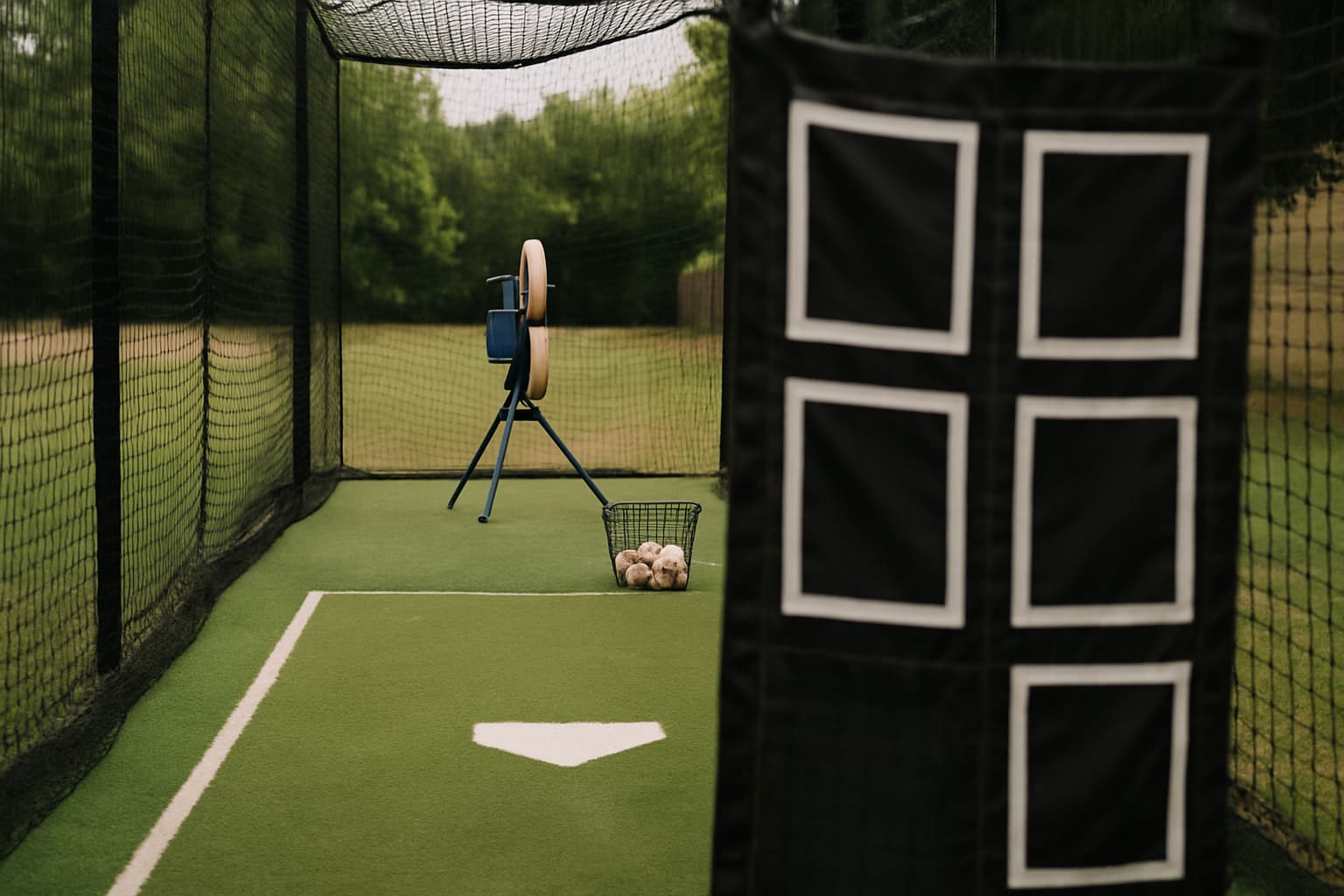
JUGS BP3 Review: The Pitching Machine That Actually Earned Us a Sale
The JUGS BP3 is the first pitching machine that earned CageList a real, confirmed commission. Here is what makes it different — Grip-Tite tires, automatic changeup switching, one-dial pitch selection — and how it compares to Hack Attack.
Run a travel team? Get your free page.
Baseball or softball. Claim a free directory page, post tryouts, and share cagelist.com/@yourteam with families.
Find your league
Free directories of real leagues and clubs near you — then book a batting cage to get your reps in before opening day.
1,000 organizations
Join the backyard batting cage community
Talk builds, gear, hosting and player development with cage owners, coaches, parents and baseball families.