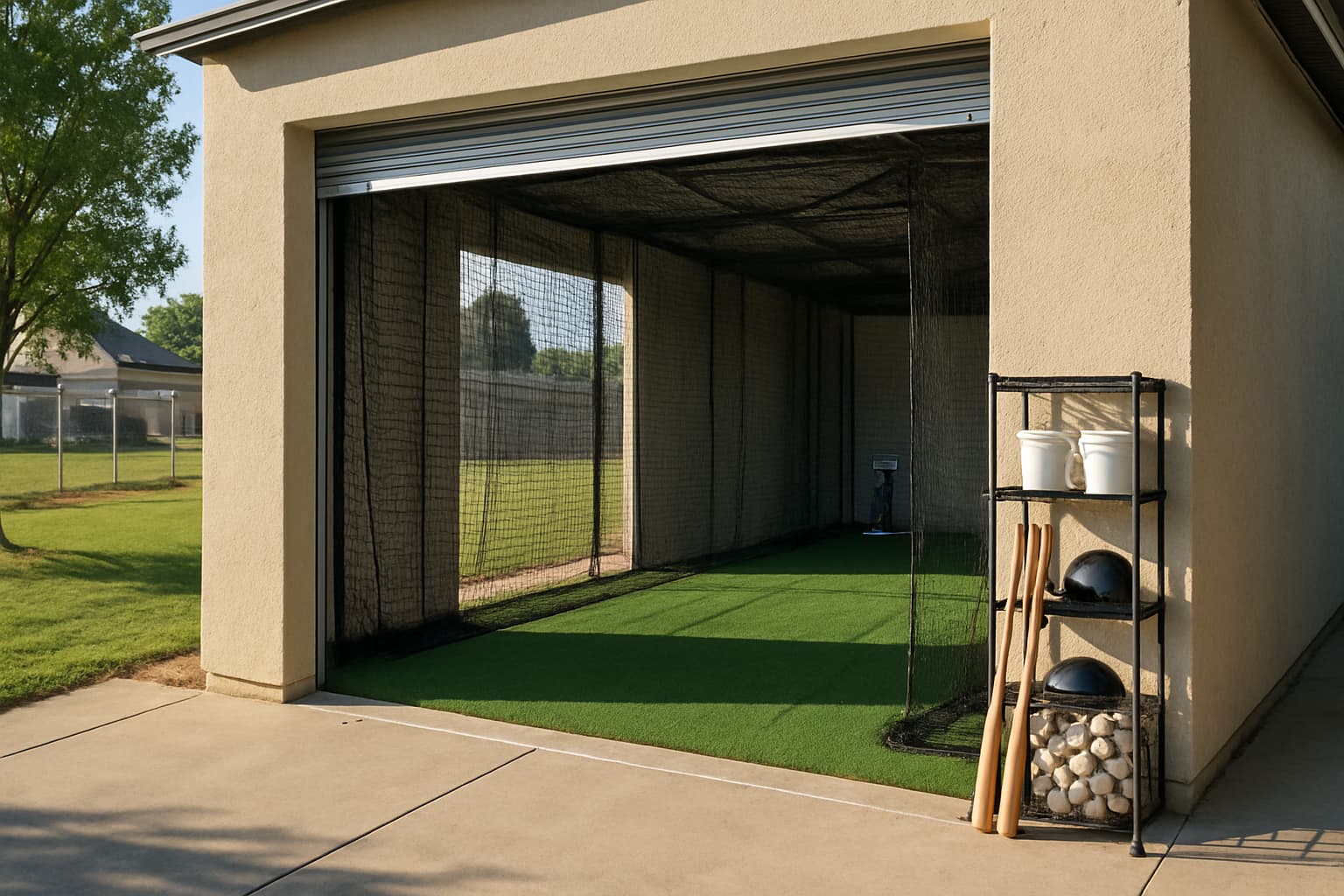
Not all batting cages are equal, and the difference shows up the moment your player steps in. Booking well is a five-minute skill: knowing which listing details predict a good session and which are just photos. Here's exactly what to check before you reserve an hour.
Length: Match It to the Training
Cage length determines what you can actually do. A 70-foot cage supports full pitching-distance machine work and true ball flight; a 55-footer handles front toss and youth machine speeds comfortably; anything shorter is a tee-and-soft-toss space. If your hitter needs to see game-speed velocity and read ball flight, filter for length — a short cage caps the value of the session no matter how nice the turf is. (The full dimension logic is in our cage space guide.)
Machine Type and Speed Range
If the listing includes a pitching machine, check two things: the type and the speed range. A single-wheel machine throws fastballs only; a two- or three-wheel machine throws breaking balls and higher velocity. Then confirm the speed range matches your player — a machine that only starts at 60 mph is useless for a 9-year-old, and one capped at 50 does nothing for a high schooler. Our pitching machine guide explains the categories if the listing's description is vague.
Surface and Enclosure
Turf over a solid base gives honest footing and hops; hitting off bare grass or a rutted surface changes ball behavior and footing. For evening sessions, lighting is non-negotiable — a beautifully equipped cage you can't see the ball in is a daytime-only cage. Photos tell you most of this; if they don't show the surface and lighting clearly, ask before booking.
Safety Equipment
A quality listing includes an L-screen for the feeder and mentions net condition. The L-screen is the single most important safety item in any cage (it protects whoever's feeding), so its presence is a good proxy for how seriously the host runs the space. Our cage safety guide covers what good looks like.
What's Provided vs. What You Bring
The detail that quietly makes or breaks a session: balls, tees, and screens. Some listings provide everything; others expect you to bring your own bucket. Read this carefully — showing up with no balls to a cage that doesn't provide them wastes the hour. Bring helmets and bats regardless.
Reviews and Host Responsiveness
On a marketplace, reviews are your quality signal. A cage with several strong reviews and a responsive host is a safer bet than a cheaper unreviewed one. Read what past guests say about the machine's reliability and the accuracy of the listing — those two comments predict your experience better than the star rating alone. When you're ready, browse cages near you with these filters in mind, and if you're new to the platform, here's how booking works.
Red Flags Worth Skipping
A few listing signals are worth walking away from. Photos that don't show the actual cage — just stock images or a single tight shot — often hide a short or rough setup; a host proud of their cage shows it fully. Vague or missing equipment details ("machine available") without a type or speed suggest you'll be guessing on arrival. No mention of an L-screen or net condition is a safety gap. A host who won't answer a straightforward pre-booking question about balls or group size is telling you how the session will go. And a price far below everything comparable nearby usually reflects a difference you'll notice the moment you step in. None of these are dealbreakers in isolation, but two or three together mean keep scrolling — on a marketplace with real inventory, a clearly photographed, fully described, well-reviewed cage is almost always a short drive away, and it's worth the extra few dollars for the certainty.
Frequently Asked Questions
What's the most important thing to check before booking?
Match: cage length and machine speed to your player's level. A mismatch there caps the session regardless of how nice everything else is.
How do I know if a cage provides balls?
The listing should state it. If it's unclear, message the host before booking — arriving without balls to a bring-your-own cage wastes the hour.
Are unreviewed cages risky?
Not necessarily, but reviews reduce uncertainty. For a first booking, a well-reviewed cage with a responsive host is the safer choice.
What should I always bring?
Helmets and bats every time; balls and tees unless the listing clearly provides them. See our what to bring guide for the full checklist.
Book a batting cage near you
CageList helps players, parents, coaches, and teams find private cage time without the runaround.
Related Guides
View all articles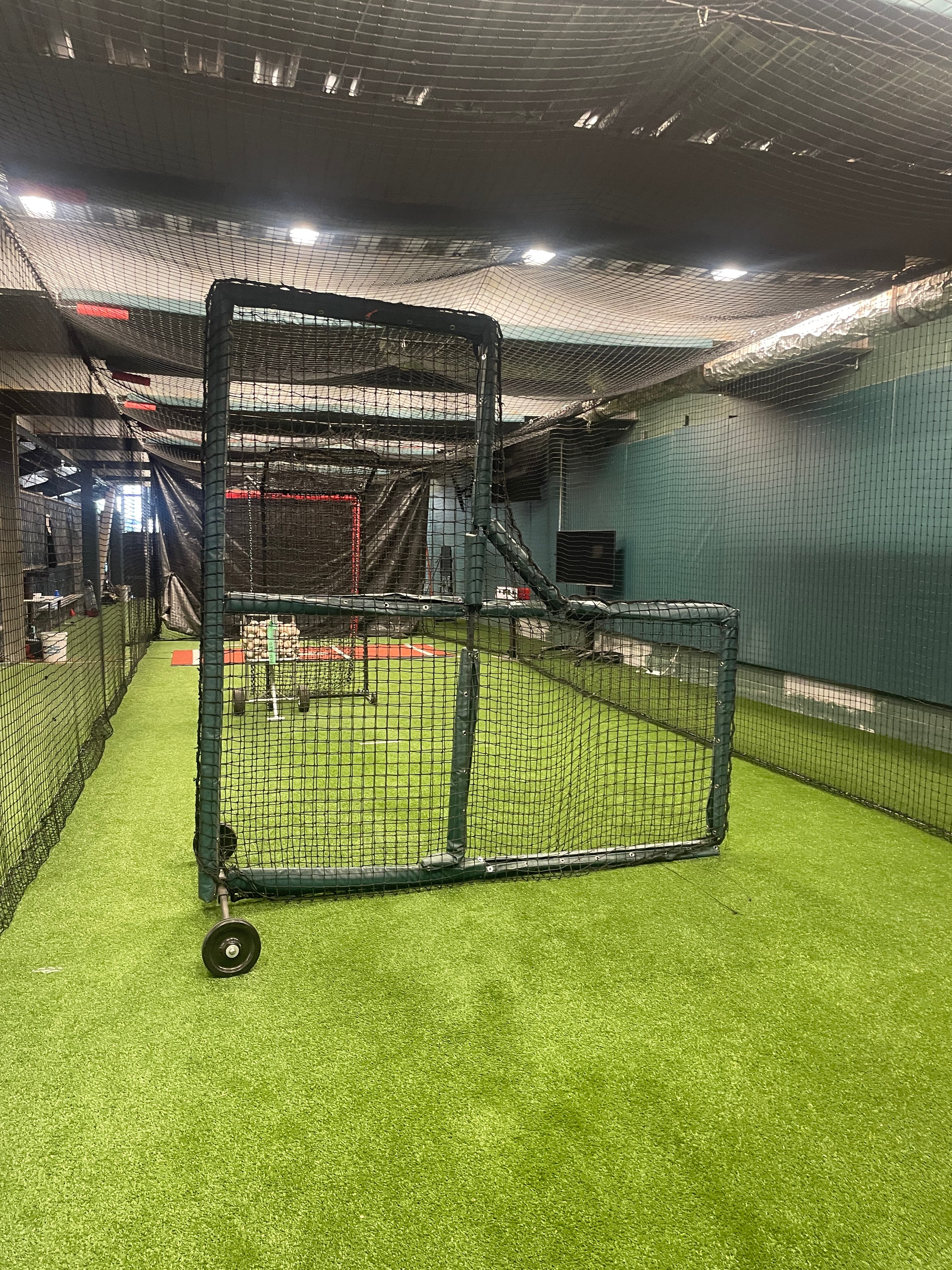
Find & Rent Batting Cages
What You Actually Get at a HitTrax Cage in Dick's Sporting Goods
Dick's runs two different services in the same HitTrax cage, and they cost very different amounts. Here is what you get, what it costs, and when a real cage is the better call.
Find & Rent Batting Cages
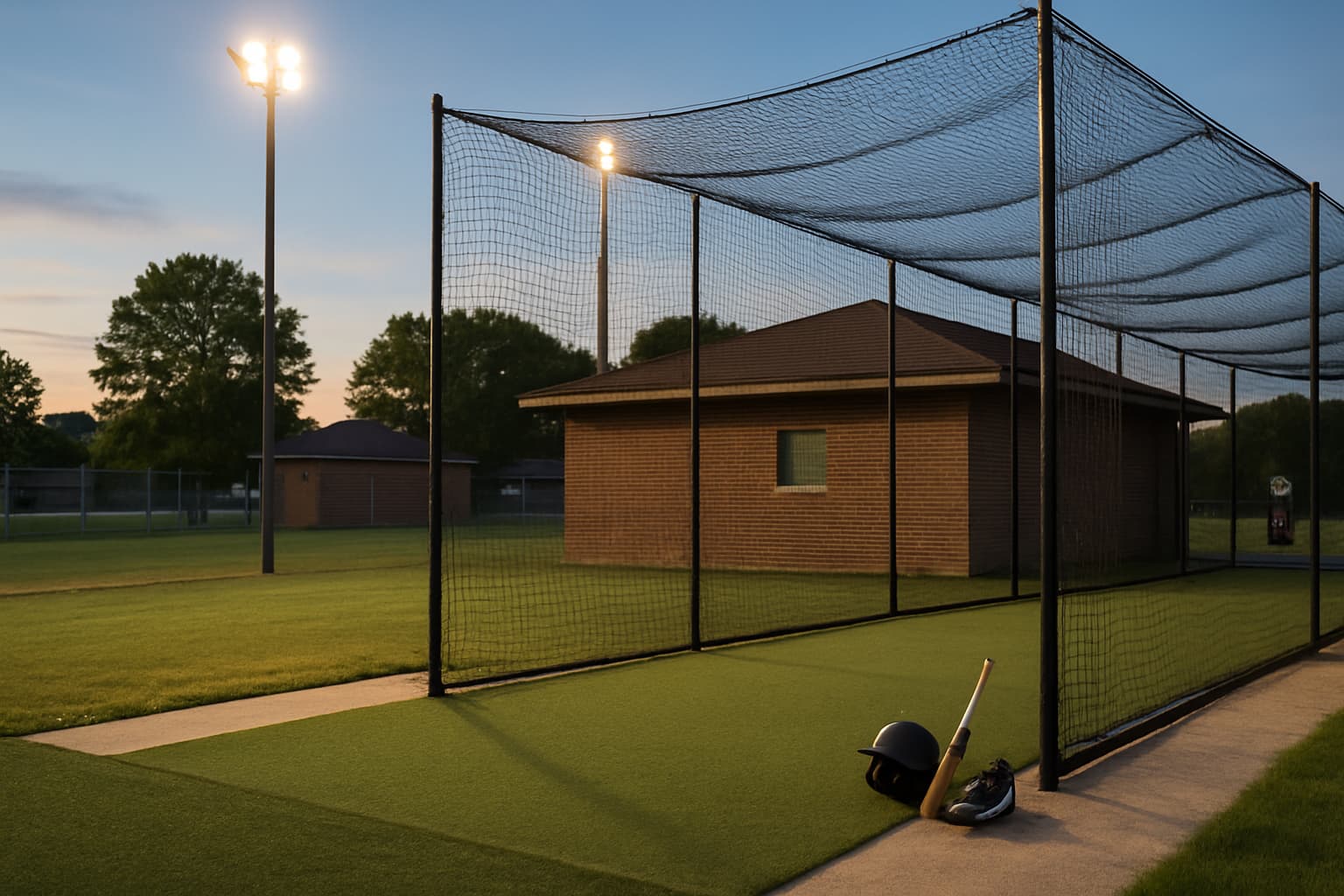
Renting a Batting Cage for the First Time: What to Expect
Booking your first batting cage? Here is what to expect start to finish: how booking works, what to bring, cage etiquette, and how to get the most from your hour.
List Your Cage
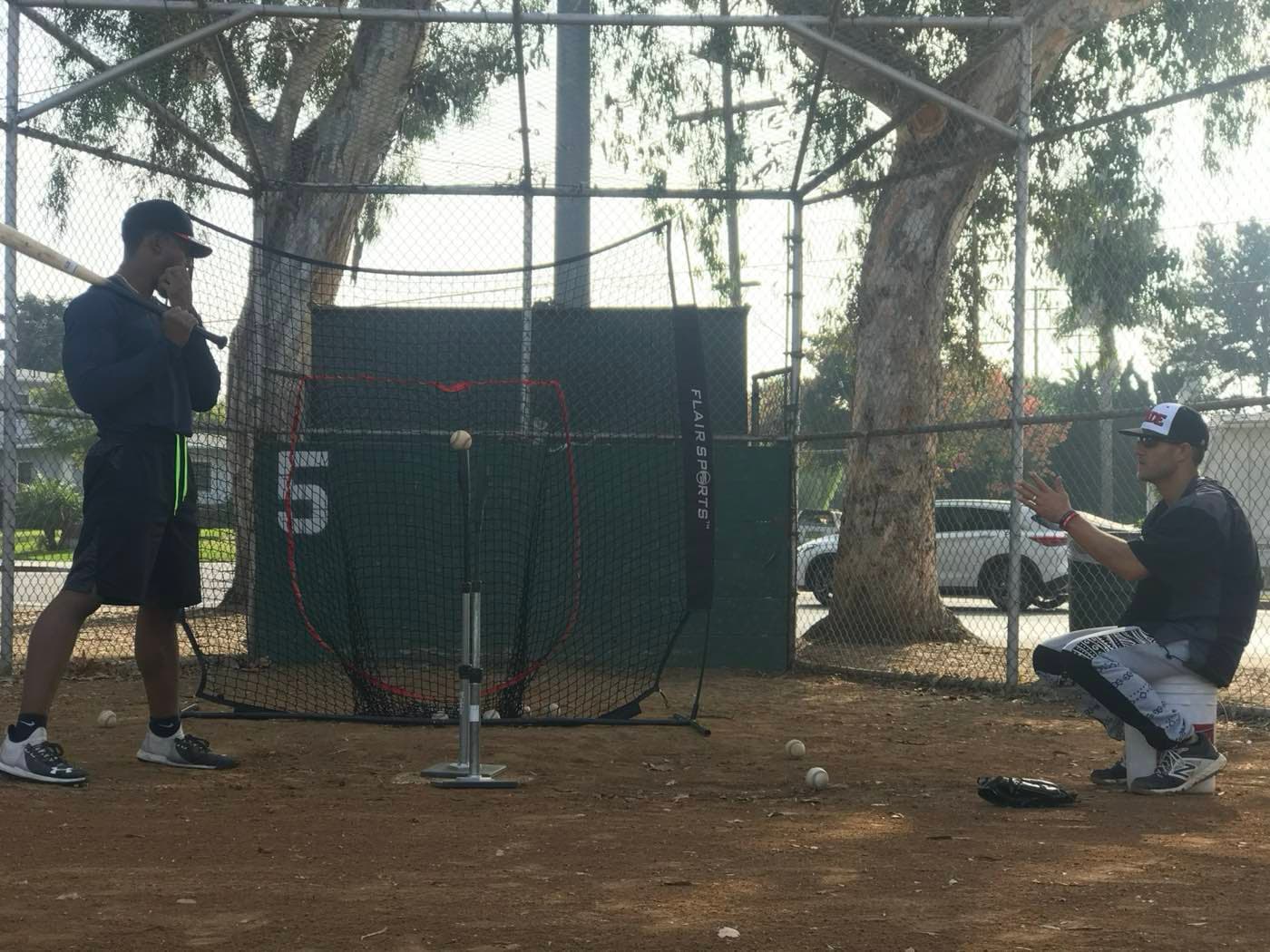
Can Your Little League Rent Out Its Batting Cage?
Most leagues own a cage that sits idle most of the year. Opening it up is usually allowed — it depends on who owns the ground, what your use agreement says, and what your liability policy covers. Here is how to check all three.
Run a travel team? Get your free page.
Baseball or softball. Claim a free directory page, post tryouts, and share cagelist.com/@yourteam with families.
Find your league
Free directories of real leagues and clubs near you — then book a batting cage to get your reps in before opening day.
1,000 organizations


Join the backyard batting cage community
Talk builds, gear, hosting and player development with cage owners, coaches, parents and baseball families.