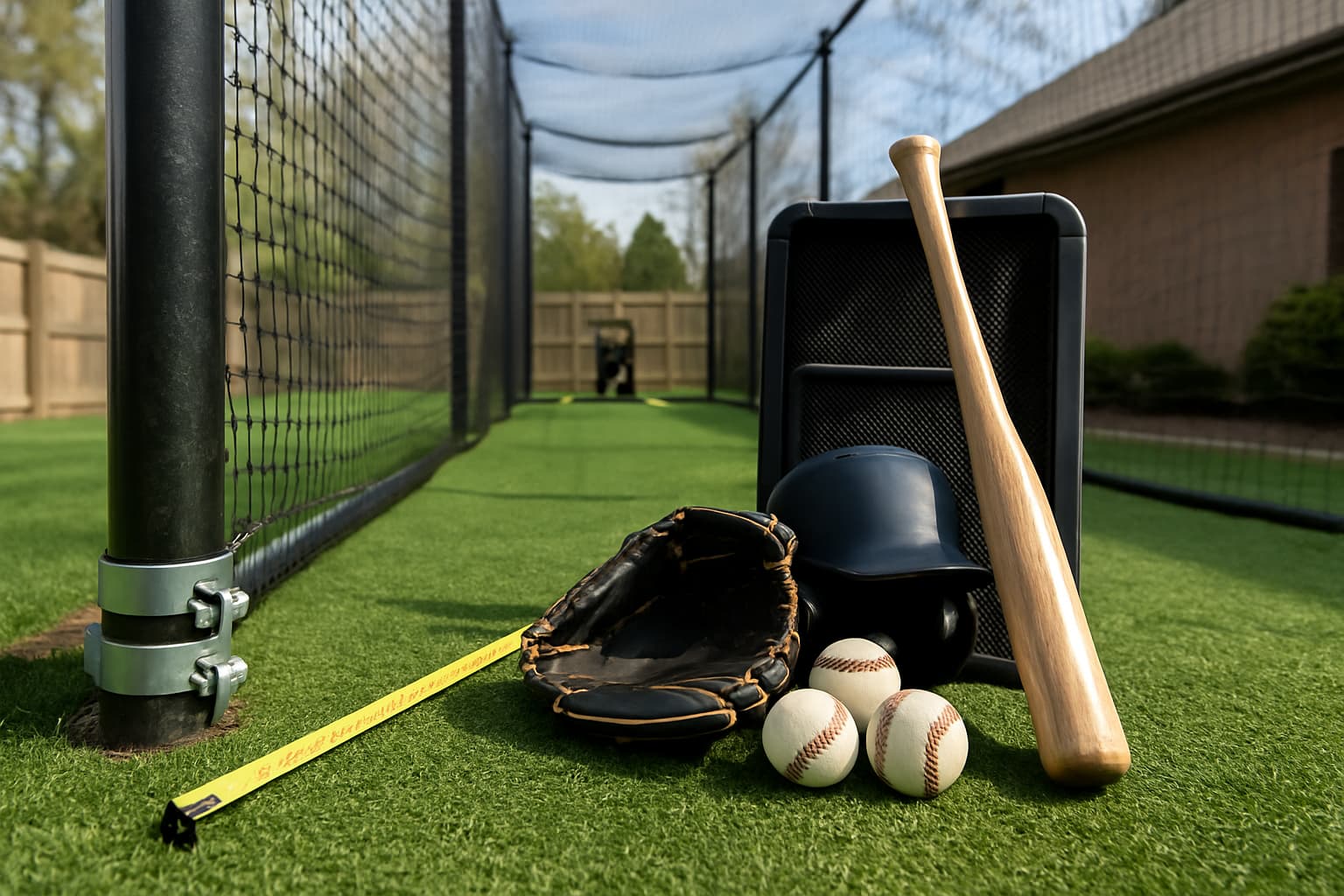
A backyard batting cage concentrates hard objects moving 60+ mph into a space where kids play. Built and run correctly, it's one of the safest places to train; built casually, it invents accidents. These are the seven safety measures that matter — the ones facility operators treat as non-negotiable, adapted for the backyard.
1. Netting That Actually Contains
Safety starts with twine gauge matched to your hitters' exit velocity — under-spec netting develops holes, and a ball through a hole is the accident. Walk the net monthly, check the two abrasion zones (frame contact lines and behind the plate), and repair tears the week they appear. Our netting guide covers gauge selection; the safety rule is simpler: no session in a cage with a hole.
2. An L-Screen That's Actually Used
The feeder is the most exposed person in any cage. A quality L-screen ($150–$400) with intact netting, positioned correctly, every session, including soft toss — the injuries happen on the "just a quick round" days. Replace screen netting when it slackens; a loose screen deflects rather than stops.
3. Layout With Escape Room
The cage entry should never be behind the hitter, spectators need a defined zone outside the net with margin (net flex is real — 2–3 feet), and only one hitter is ever inside with a bat. Layout spacing rules are in our space guide; the operating rule costs nothing: one bat moving at a time.
4. Helmets Without Exceptions
Batting helmets for every hitter facing a machine or live arm, full stop — machine malfunctions and deflections don't check ages. Youth players should wear them for front toss too; the habit is the protection.
5. A Machine Protocol
Pitching machines demand three habits: nobody in the hitting zone while the machine is being loaded, adjusted, or warmed; the feeder announces every pitch ("ball coming"); and the machine gets powered off — not just paused — before anyone retrieves balls. Most machine incidents are retrieval incidents.
6. Lighting That Matches Usage
If evening sessions happen, light the whole flight path, not just the plate. A hitter who can see the ball but not the feeder — or a feeder who loses the ball in glare — is operating half-blind. Uneven lighting is worse than honest darkness because it feels safe.
7. Weather and Structure Checks
Wind-loosened cables, frost-heaved posts, and snow-stretched netting all turn structural over time. A five-minute seasonal walk-around (covered fully in our weatherproofing guide) is a safety inspection, not just maintenance.
The Culture Half
Equipment is half the system; the other half is that the adults enforce the rules on the boring days. If you rent your cage to guests on CageList, write these rules into your listing's house rules — hosts who spell out helmet and screen expectations get better-behaved bookings and cleaner reviews. Want to see how experienced hosts run it? Browse nearby listings and read their rules sections — it's a free safety-policy template library.
Frequently Asked Questions
What's the single most important cage safety item?
The L-screen, used every session. Feeder injuries are the most common serious cage accidents and the most preventable.
Are backyard cages safe for young kids?
With supervision, helmets, one-bat-at-a-time rules, and age-appropriate feeds — yes, safer than most open-field practice.
How often should I inspect the netting?
A quick monthly walk plus a thorough seasonal check. Repair the first small hole; it's never the last if ignored.
Do I need insurance to rent my cage out?
Check your homeowner's policy and the platform's coverage details before hosting — and put your safety rules in writing in the listing.
Get the numbers
Get your free batting cage cost estimate
Enter your email and we'll send you an itemized build breakdown — frame, netting, turf, lighting, and install — plus what a cage like yours could earn if you rent it out.
No spam, unsubscribe anytime. Prefer the interactive tool? Open the full cost calculator.
Already have a cage?
Rent it out when you're not hitting
Players, parents, and coaches near you are looking for cage time. Listing is free, you set your own price and hours, and you approve every booking.
Related Guides
View all articles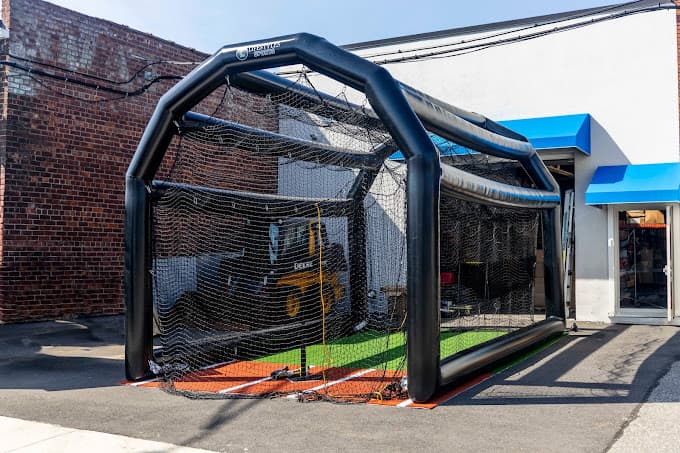
Build a Batting Cage
Inflatable Batting Cages: What They Cost, and Whether They Pay for Themselves
Inflatable batting cages run from $1,500 party units to $10,000 branded commercial builds, and only one manufacturer publishes a real price. What each tier costs, why $3,999 is not the price of a cage, and the booked hours it takes to pay one off.
Build a Batting Cage
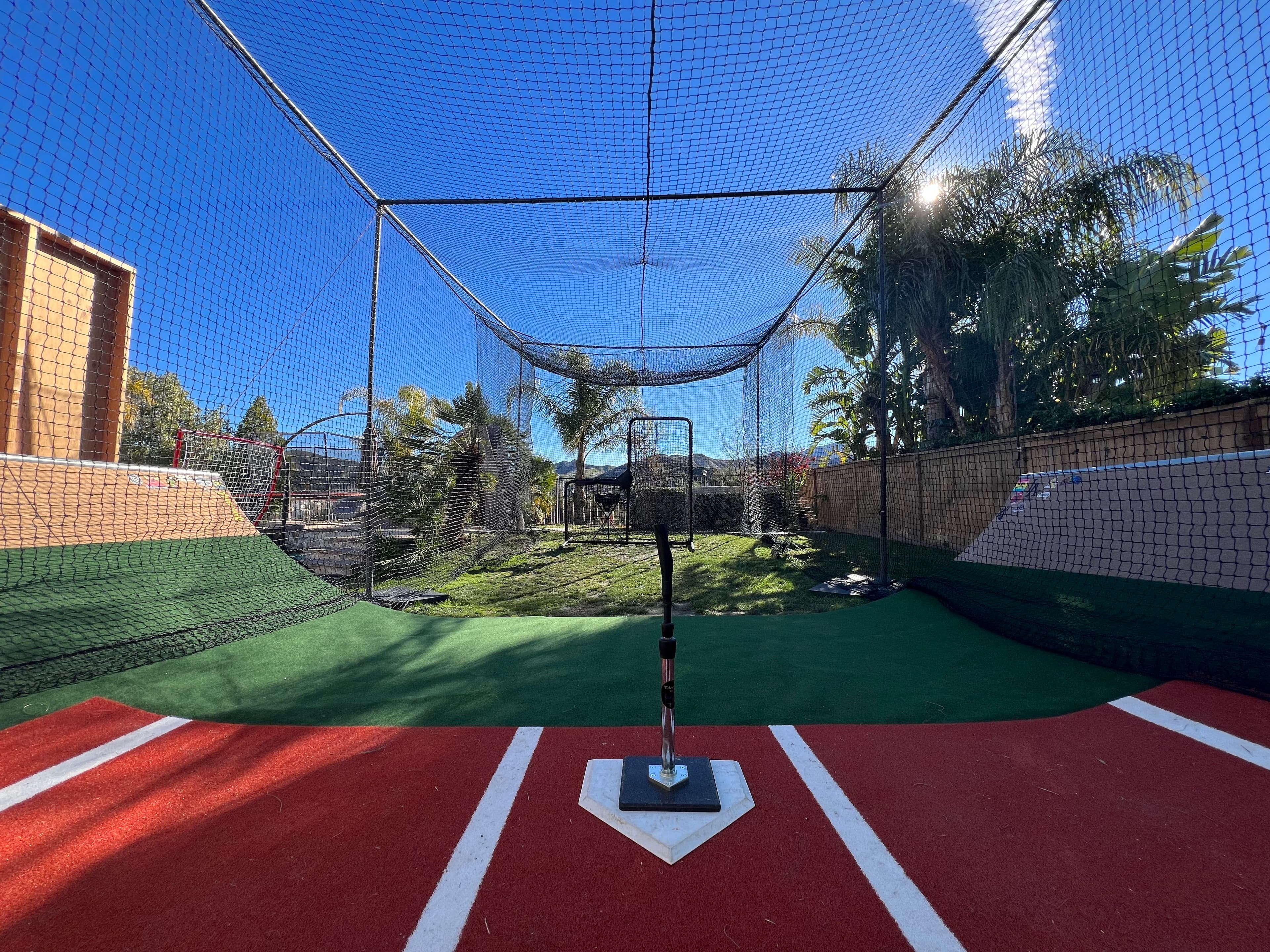
27 Types of Batting Cage: A Photo Field Guide to Every Backyard Setup in America
Barn conversions, driveway slivers, retractable tunnels, ranch cages and climate-controlled outbuildings. A photo field guide to 27 kinds of batting cage, built from 214 real bookable listings on CageList, with what each one costs and who it is for.
Build a Batting Cage
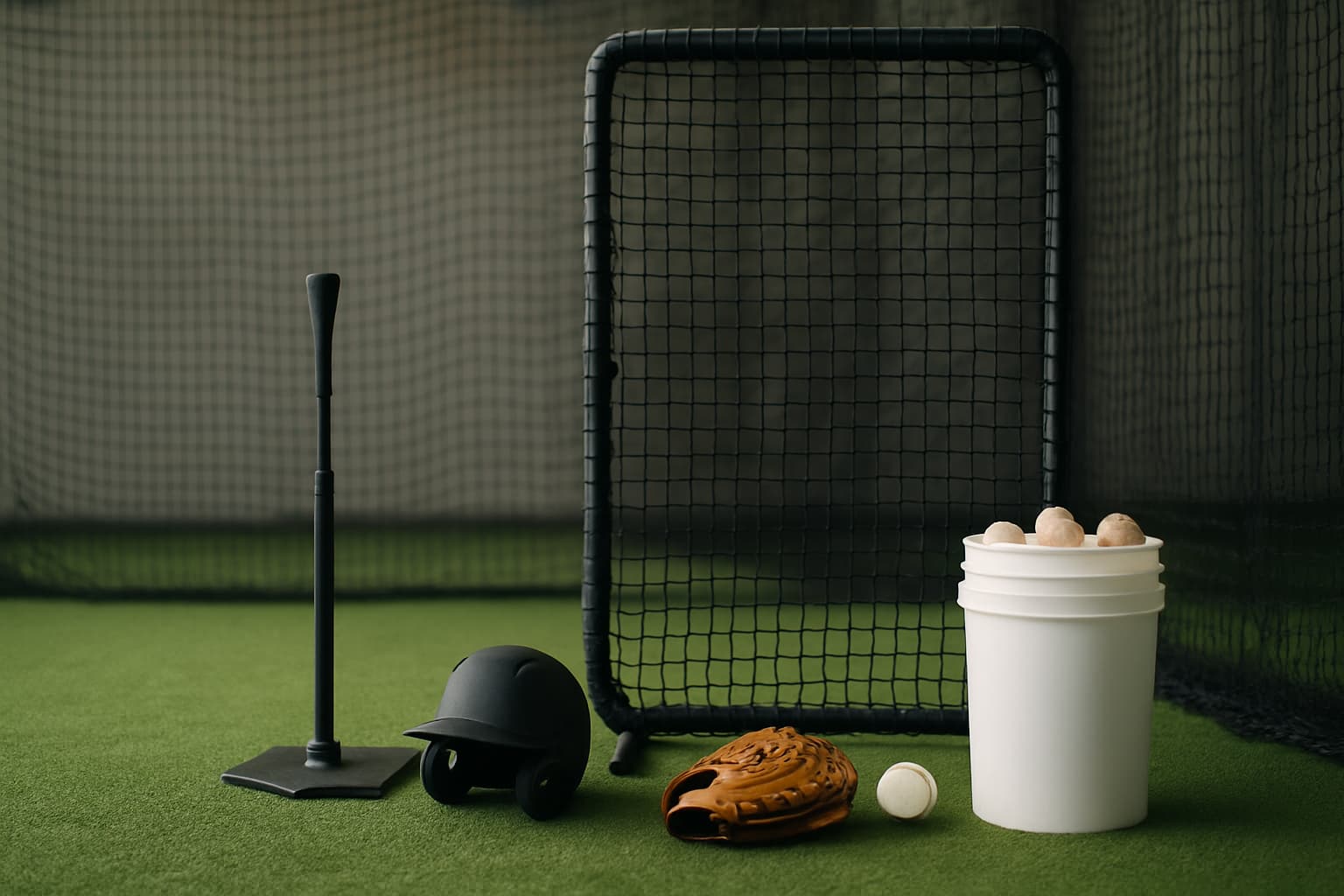
Backyard Batting Cage Kits, Compared: What You Really Get at Each Price (2026)
Every price tier of backyard batting cage, honestly compared — the companies, the netting grades, the realistic lifespan, and what a cage that survives real hitters (or paying renters) actually needs.
Run a travel team? Get your free page.
Baseball or softball. Claim a free directory page, post tryouts, and share cagelist.com/@yourteam with families.
Find your league
Free directories of real leagues and clubs near you — then book a batting cage to get your reps in before opening day.
1,000 organizations

Join the backyard batting cage community
Talk builds, gear, hosting and player development with cage owners, coaches, parents and baseball families.