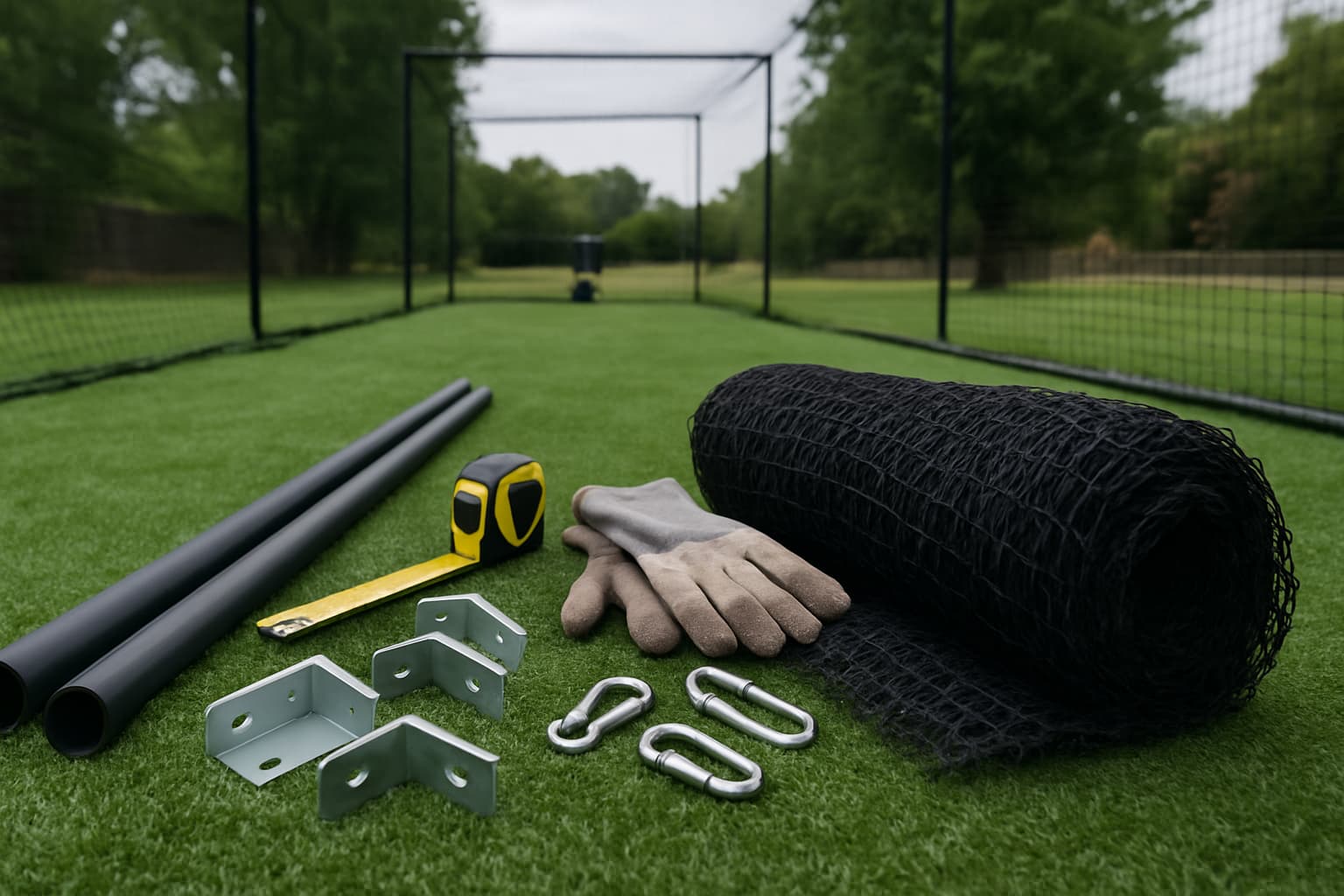
Netting is sold by numbers that nobody explains: #21, #36, #42, #60. Those numbers are the whole game — they're the twine gauge, and they determine whether your net survives two seasons or twelve. Here's the complete decoder, plus the material and construction choices that matter almost as much.
Twine Gauge: The Number That Matters
#21: light twine for tee-ball, soft toss, and budget kits. It stops youth exit velocity fine but abrades quickly under daily use or against hard hitters. #36: the backyard workhorse — a genuine multi-year net for youth through junior-high players and moderate use. If a kit doesn't say otherwise, this is probably what's in the box. #42: the step up for high-school velocity and heavy use; the sweet spot for a serious family cage that gets hit on year-round. #60: commercial weight — facilities, teams, and adult exit velocity. It's heavy, which means it needs a frame that can carry it (see our frame guide for the matchup).
Nylon vs. Poly
Nylon is stronger for its weight and hangs beautifully, but it absorbs water and degrades faster in constant sun unless treated — it's the pick for indoor cages and shaded installs. Polyethylene (HDPE/poly) is inherently UV- and moisture-resistant, making it the default for exposed outdoor cages; modern poly gives up less to nylon than it used to. Whichever you buy, "UV-treated" isn't marketing fluff outdoors — untreated netting in full sun can lose half its service life.
Knotted vs. Knotless, and Mesh Size
Knotted netting is easier to repair (a torn panel re-ties) and is the traditional durability choice; knotless is smoother and lighter for the same strength but harder to fix in place. Mesh size is standardized around 1¾" for baseball and softball — smaller specialty mesh only matters for golf or multi-sport use. For a cage that doubles as a golf net, buy for the golf ball, not the baseball.
Sizing and Hanging It Right
Order the net for your frame's dimensions plus drape — a net stretched drum-tight to its exact measurements transfers every impact to the seams and dies young, which is why a slightly oversized net that hangs with give outlasts a taut one. Leave the bottom skirt resting on the floor to keep balls in, attach with adjustable snaps or ties, and re-square the hang once a season. Height and footprint questions feed straight from our space guide, and where netting sits in the total budget is in the cost breakdown.
Calibrate Your Expectations in a Real Cage
If you want to feel the difference between a fresh #42 net and a dying #21 before you spend, hit in both — private cages near you span the whole range, and an hour of rentals is the cheapest netting education available. Shopping the whole cage rather than just the net? The batting cage buyer's guide shows what quality looks like across every component.
Netting Care Through the Seasons
Netting is a wear item, but the wear rate is negotiable. Spring: re-square the hang after winter, re-tie any pulled snaps, and walk the seams for winter damage while repairs are still ten-minute jobs. Summer: sun is the enemy — if the cage sits unused for weeks, dropping or bunching the net out of direct exposure adds seasons of life, especially for nylon. Fall: clear leaves promptly; wet leaf mats hold moisture against the twine and stain it into weakness. Winter: snow load is the single biggest net killer — slack the net or drop it entirely before the first heavy storm, because a loaded ridgeline stretches netting and bends frames in one night. Year-round, watch the two abrasion zones: wherever the net touches frame, and the strike zone behind the plate. A $15 roll of repair twine and the willingness to use it early is worth a hundred dollars a year in deferred replacement.
Frequently Asked Questions
What gauge should most backyard cages buy?
#36 for youth players and normal use; #42 if a high schooler hits daily or the net faces year-round weather.
Nylon or poly for an outdoor cage?
Poly (HDPE), UV-treated, for full sun exposure. Nylon shines indoors or under shade.
How long does cage netting last?
Light twine in sun: 2–4 years. UV-treated #42 outdoors with seasonal care: 8–12. Indoors, quality nets can go 15+.
Can I patch a torn net?
Knotted nets, yes — netting repair twine and ten minutes. Recurring tears in the same zone mean the twine gauge is under-spec for your hitters.
Shop This Guide
CageList picks that match what this article covers — no extra searching required.
Affiliate disclosure: As an Amazon Associate, CageList earns from qualifying purchases.



Build a better cage setup with the right equipment
Compare cage upgrades with practical advice for nets, turf, pitching machines, balls, and safety gear.
Related Guides
View all articlesBatting Cage Equipment
JUGS BP1 vs BP2 vs BP3 vs mini3: Which One Fits Your Cage
JUGS BP1, BP2, BP3, and mini3, compared on the numbers that actually matter: real pitch speed range and weight, straight from JUGS's own spec pages.
Batting Cage Equipment
Buying a JUGS Machine Online? Here's How to Tell a Real Dealer From a Reseller
Not every JUGS listing online is what it looks like. Here's how to tell an authorized dealer from a reseller before you spend $2,000+ on a pitching machine.
Batting Cage Equipment
SKLZ Pitching Machine Review: Worth It at $80?
The SKLZ Pitching Machine is one of the cheapest real auto-feed machines on the market. Here is an honest look at what $80 gets you, the rest of the SKLZ lineup, and how it compares to Heater Sports Crusher and Personal Pitcher Pro.
Run a travel team? Get your free page.
Baseball or softball. Claim a free directory page, post tryouts, and share cagelist.com/@yourteam with families.
Find your league
Free directories of real leagues and clubs near you — then book a batting cage to get your reps in before opening day.
1,000 organizations


Join the backyard batting cage community
Talk builds, gear, hosting and player development with cage owners, coaches, parents and baseball families.