A batting cage doesn't get hot because of the sun alone — it gets hot because the air stops moving. Metal buildings bake, netted backyards trap still air, and by the third round of swings a 90-degree afternoon feels like a hundred. You don't need air conditioning to fix that. You need airflow, and in the worst heat, a little water.
This guide walks the four kinds of fans that actually work in a cage, what size to buy for a backyard versus a facility, and the one upgrade that genuinely drops the temperature when it's brutal outside.
The gear we'd actually buy
Our picks below — each links out to check current price. As an Amazon Associate, CageList earns from qualifying purchases.
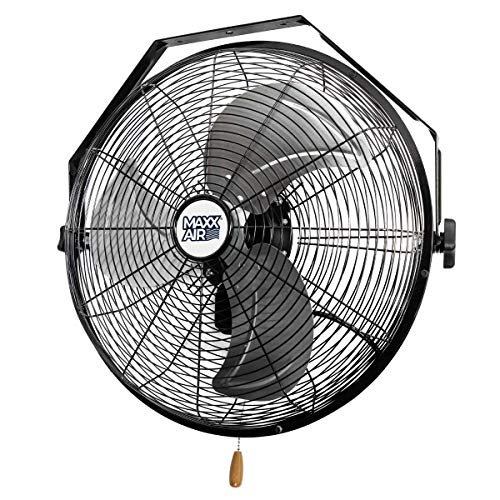
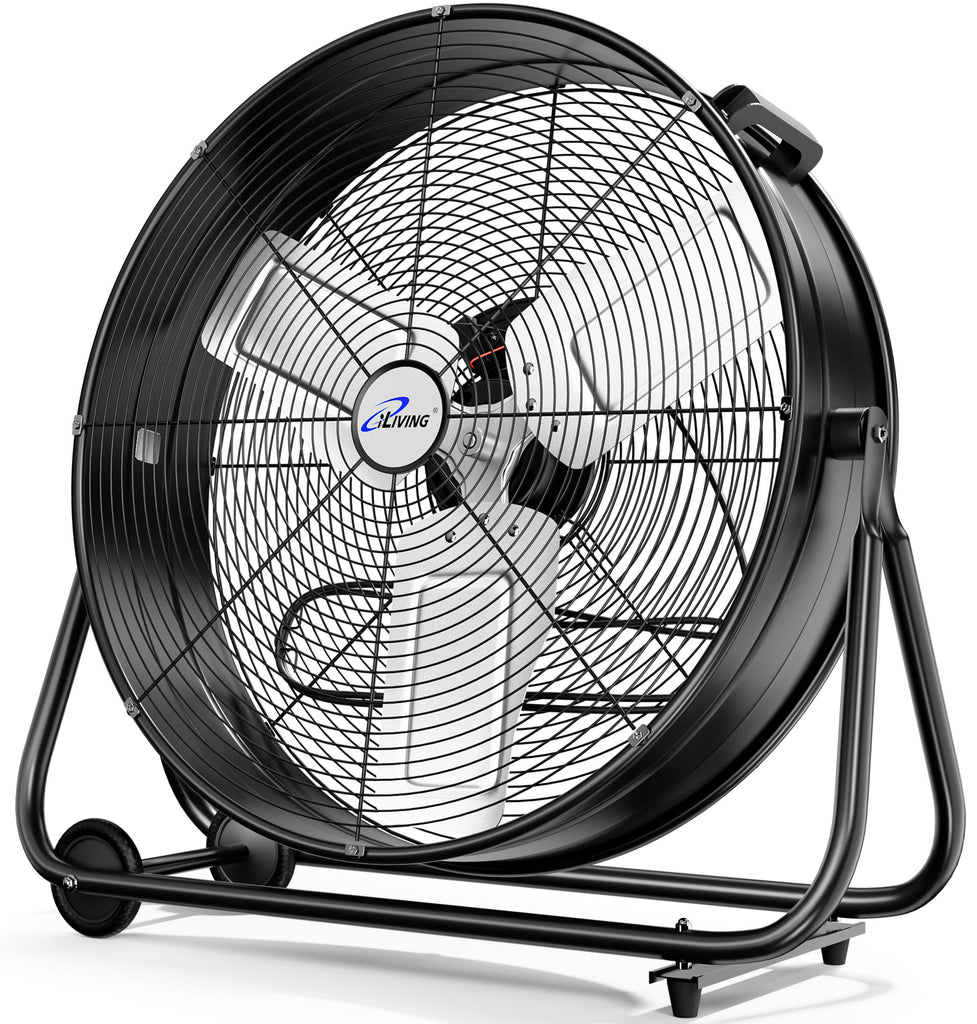 Best ValueiLIVING24" High-Velocity Drum Fan — 7,700 CFM7,700 CFM high-velocity airflowShop on Amazon →
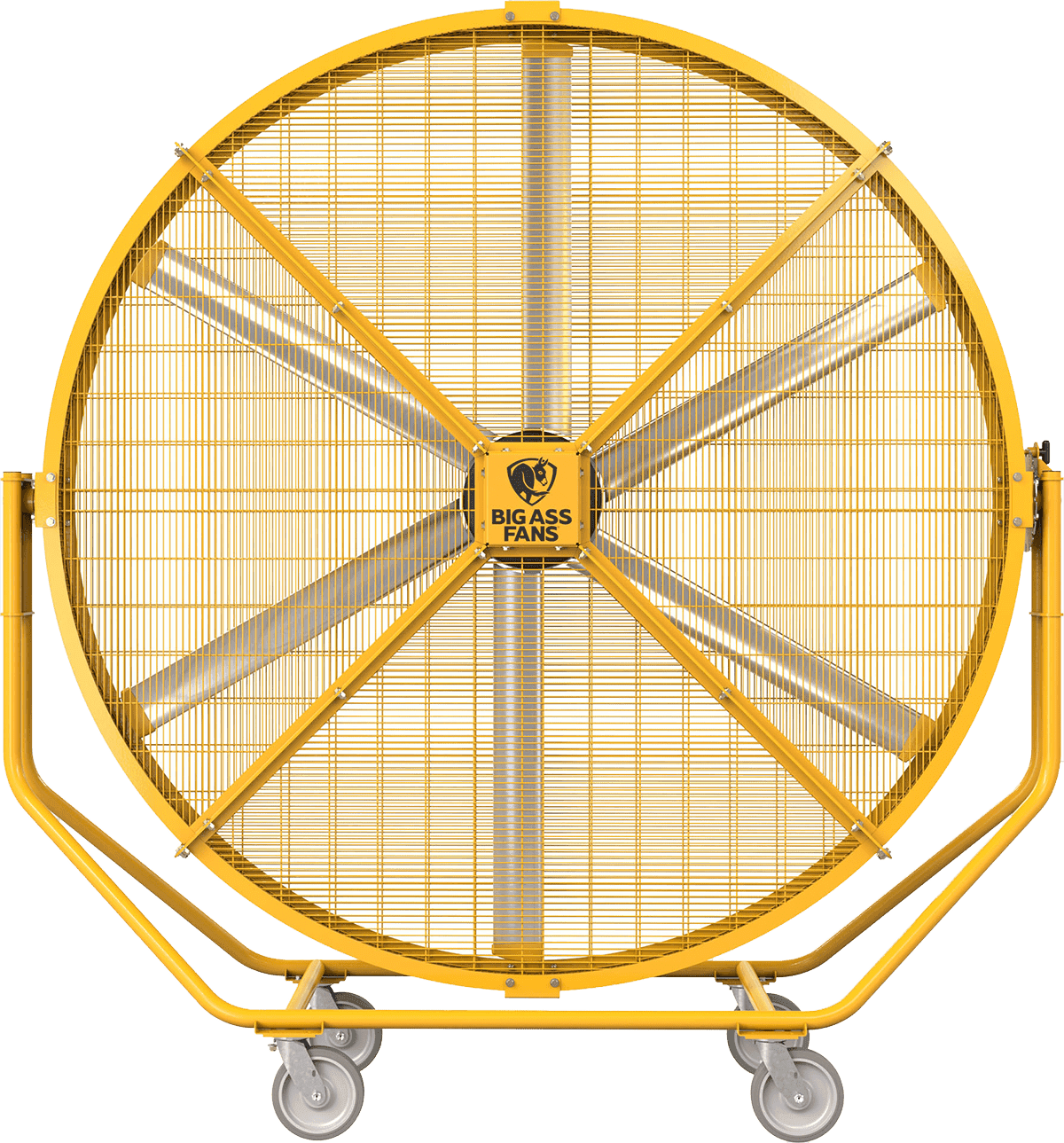
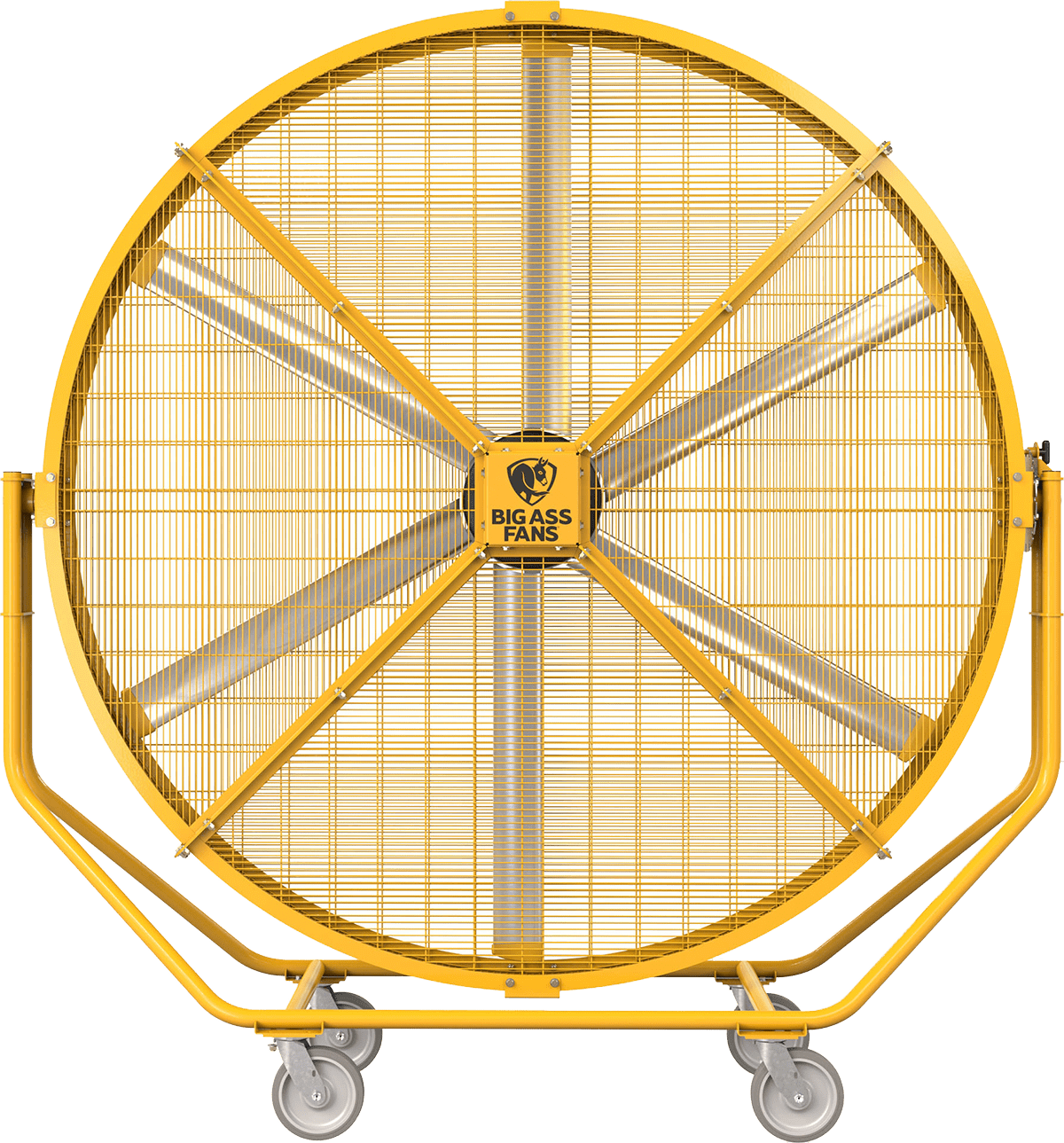 Facility PickBig Ass FansAirGo 8' Portable Barrel FanMassive targeted airflow up to 120 ft — whole-facility coolingShop on Amazon →
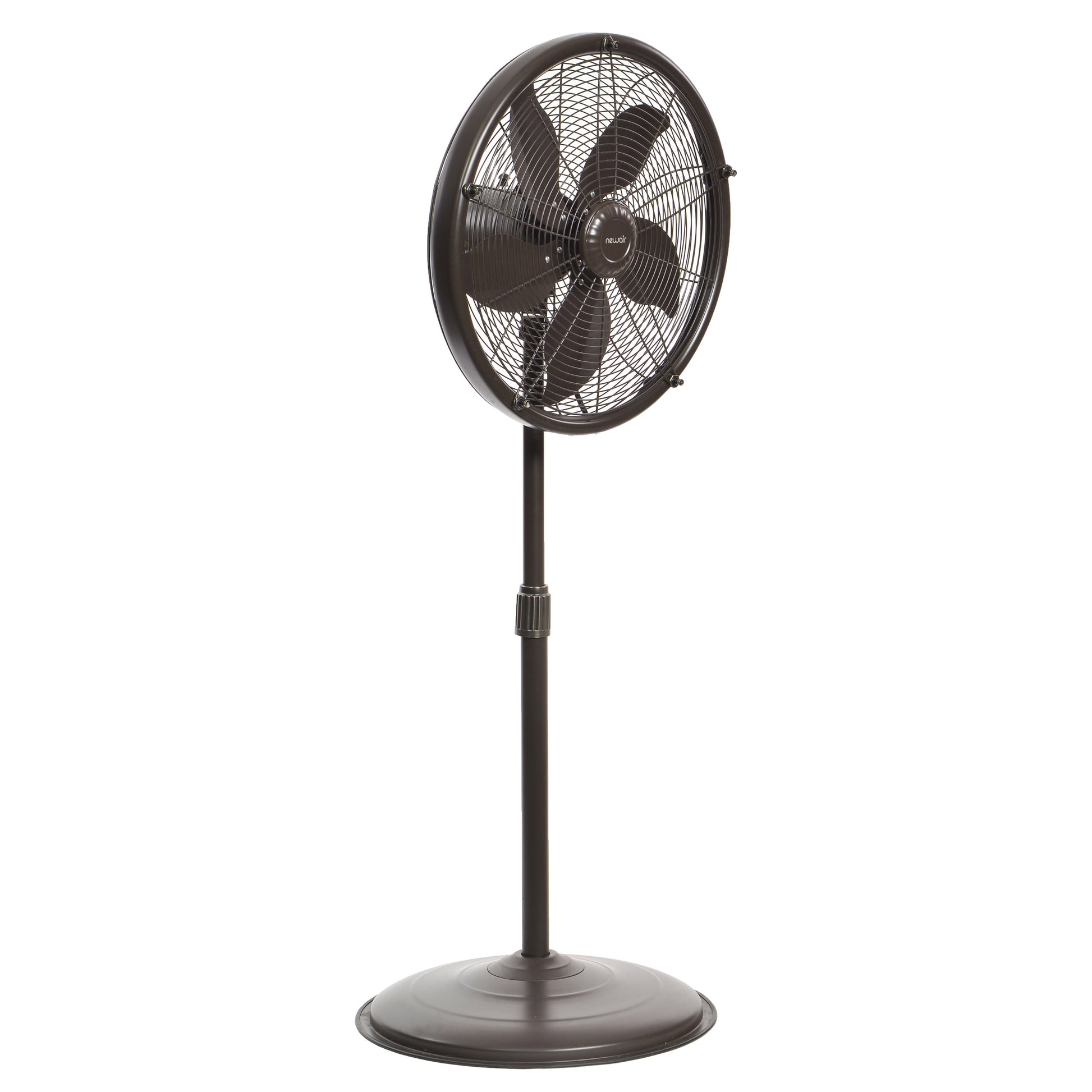 Best for HeatNewAir18" Outdoor Misting Pedestal Fan — 2,800 CFM2,800 CFM with fine-mist evaporative coolingShop on Amazon →
Why Airflow Matters More Than a Thermometer
Moving air doesn't lower the temperature — it speeds evaporation off sweat, which is how your body actually cools itself. A steady breeze across a hitter makes a cage feel 5 to 10 degrees cooler and materially cuts heat-illness risk for kids grinding through rep after rep. That's the whole reason a fan earns its spot before an AC unit ever does: it's cheaper, it moves with the work, and in a high-ceilinged building it does far more per dollar than trying to cool the entire volume of air.
The Four Fans That Work in a Cage
1. High-velocity drum & floor fans — point it down the tunnel
The workhorse. A wheeled drum fan aimed straight down the hitting lane puts a wall of air on the hitter and the feeder. It's the best first buy for a single backyard or garage cage: cheap, loud in the good way, and you roll it to wherever the work is. Look for 4,000–8,000 CFM and metal blades over plastic.
2. Wall-mount oscillating fans — when floor space is tight
Same high-velocity air, mounted up and out of the way. If the plate area is cramped or you're running multiple lanes, wall-mounts keep the floor clear and cover a wider arc. Two mid-size wall fans often beat one big floor fan in a narrow facility.
3. HVLS ceiling fans — the whole-building move
High-Volume, Low-Speed fans are the big-bladed ceiling units you see in warehouses and nice facilities. They move enormous air at low energy and pull down the heat that pools near a metal roof. For a multi-cage building, one HVLS fan does what a dozen floor fans can't — then you supplement with a floor or wall fan per lane for targeted airflow on hitters.
4. Misting fans — for real Florida and Texas heat
This is the upgrade most people skip and shouldn't. A misting fan adds a fine evaporative mist to the airflow and actually drops the air temperature in the zone it covers — not just the feel of it. Modern fine-micron misters cool without soaking the floor or the ball, which makes them the natural sideline pairing for a drum fan in genuinely hot, humid climates.
What to Buy — By Space and Budget
- Backyard or garage cage ($70–$180): one high-velocity drum or wall-mount fan, aimed down the lane.
- Hot-state backyard (+$150–$200): add a misting pedestal fan for the sideline.
- Multi-cage facility ($500+): an HVLS ceiling fan for the room, plus a floor or wall fan per lane.
- Facility in extreme heat ($500–$2,000): add a high-pressure misting system along the hitting lanes.
The fans we'd actually put in a cage — a value drum fan, a facility-grade barrel fan, and a misting pedestal for the heat — live in the Fans & Cooling section of the gear store, each with a current price and a link out to buy.
A Few Things People Get Wrong
Buying one big fan for a room that needs air on the hitter. Whole-room air (HVLS) and targeted air (a fan on the lane) are two different jobs. In a facility you want both.
Skipping the mister in a humid climate. Older evaporative coolers struggled in humidity; modern fine-micron misting fans work in Florida and Texas without wetting everything down.
Cheap plastic-blade fans under a machine. A cage runs hard. Buy the metal-frame, metal-blade version once instead of replacing the light one every season.
FAQ
Do I really need a fan if my cage is outdoors?
If it's netted or partially covered, yes — netting traps still air more than people expect. An open-air backyard in a breeze needs it less, but a summer afternoon with no wind still bakes.
What size fan for a standard 70-foot cage?
One high-velocity drum or wall fan in the 4,000–8,000 CFM range covers a single 70-foot lane. Add a second, or step up to an HVLS ceiling fan, once you're running multiple lanes under one roof.
Is misting worth it over just a bigger fan?
In genuinely hot climates, yes — a bigger fan moves more air but never drops the temperature. A mister does. Pair a normal fan on the lane with a mister on the sideline.
Shop This Guide
CageList picks that match what this article covers — no extra searching required.
Affiliate disclosure: As an Amazon Associate, CageList earns from qualifying purchases.


Build a better cage setup with the right equipment
Compare cage upgrades with practical advice for nets, turf, pitching machines, balls, and safety gear.
Related Guides
View all articles
Batting Cage Equipment
SKLZ Pitching Machine Review: Worth It at $80?
The SKLZ Pitching Machine is one of the cheapest real auto-feed machines on the market. Here is an honest look at what $80 gets you, the rest of the SKLZ lineup, and how it compares to Heater Sports Crusher and Personal Pitcher Pro.
Batting Cage Equipment
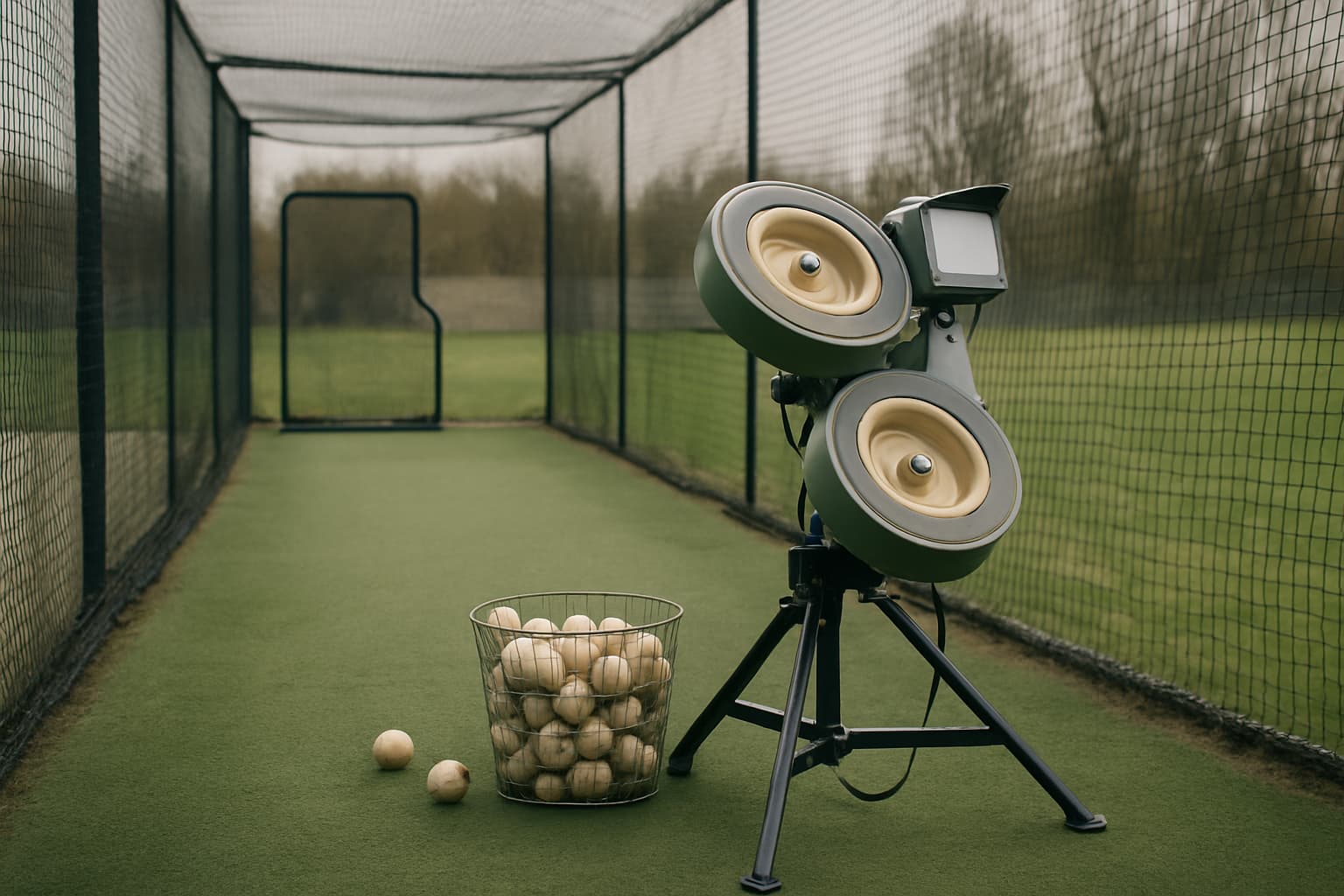
Heater Sports Pro Pitching Machine Review: The Best First Machine?
The Heater Sports Pro is one of the most common first pitching machines. Here is what its ~$500 price actually gets you, and how it compares to Louisville Slugger's Blue Flame and the Zooka ZS740.
Batting Cage Equipment
JUGS BP3 Review: The Pitching Machine That Actually Earned Us a Sale
The JUGS BP3 is the first pitching machine that earned CageList a real, confirmed commission. Here is what makes it different — Grip-Tite tires, automatic changeup switching, one-dial pitch selection — and how it compares to Hack Attack.
Run a travel team? Get your free page.
Baseball or softball. Claim a free directory page, post tryouts, and share cagelist.com/@yourteam with families.
Find your league
Free directories of real leagues and clubs near you — then book a batting cage to get your reps in before opening day.
1,000 organizations


Join the backyard batting cage community
Talk builds, gear, hosting and player development with cage owners, coaches, parents and baseball families.